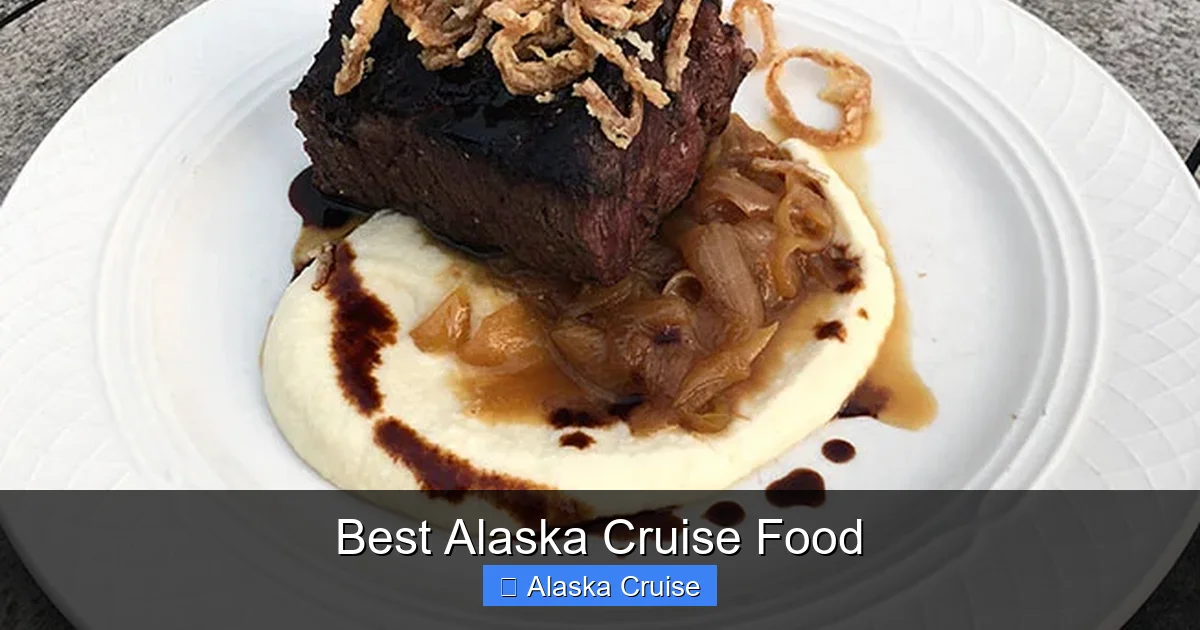
Alaska cruises offer some of the most delicious and unique dining experiences at sea, blending fresh local seafood with gourmet cuisine. From wild-caught salmon to Alaskan king crab, every meal is a celebration of the region’s rich culinary heritage. Whether you’re dining in a main restaurant or a specialty venue, the best Alaska cruise food highlights sustainability, flavor, and Alaskan pride.
When you think of an Alaska cruise, images of glaciers, towering mountains, and wildlife likely come to mind. But one of the most surprising and delightful aspects of sailing through the Last Frontier is the food. Far from the stereotypical “cruise ship cuisine,” the best Alaska cruise food is a celebration of freshness, flavor, and local pride. From the moment you step onboard, you’re greeted with menus that highlight the bounty of the Pacific Northwest and Alaska’s rugged coastline.
What sets Alaska cruise dining apart is the emphasis on regional ingredients. Cruise lines like Holland America, Princess Cruises, and Norwegian Cruise Line have long-standing partnerships with Alaskan fishermen, farmers, and Indigenous communities. This means your dinner plate might feature wild-caught salmon caught that morning, halibut from the Bering Sea, or king crab harvested in the icy waters near Ketchikan. These aren’t just meals—they’re edible stories of Alaska’s natural abundance.
And it’s not just about seafood. The best Alaska cruise food also incorporates seasonal produce, wild berries, and traditional Native Alaskan ingredients. You’ll find dishes infused with fireweed honey, birch syrup, and even sea asparagus. Whether you’re dining in the main restaurant, grabbing a quick bite at the buffet, or splurging at a specialty steakhouse, every bite reflects the spirit of Alaska.
Key Takeaways
- Fresh, local seafood is the star: Expect wild salmon, halibut, Dungeness crab, and king crab sourced directly from Alaskan waters.
- Farm-to-table ingredients shine: Many cruise lines partner with Alaskan farms and fisheries to serve seasonal, sustainable produce and proteins.
- Specialty dining elevates the experience: Upscale restaurants onboard offer chef-driven menus with Alaskan twists on international dishes.
- Cultural fusion adds depth: Native Alaskan ingredients like salmonberries, fireweed honey, and birch syrup appear in desserts and sauces.
- Dietary needs are well accommodated: Most cruise lines offer vegetarian, vegan, gluten-free, and allergen-friendly options without sacrificing flavor.
- Port stops enhance the food journey: Shore excursions often include local food tours, seafood shacks, and cultural tastings.
- Sustainability is a priority: Leading cruise lines emphasize responsible sourcing and reducing food waste to protect Alaska’s pristine environment.
📑 Table of Contents
Why Alaska Cruise Food Stands Out
Alaska cruise food isn’t just good—it’s exceptional. The combination of pristine ingredients, skilled chefs, and a deep respect for local traditions creates a dining experience that rivals top restaurants on land. Unlike generic cruise menus that rely on frozen or imported items, Alaska-focused cruises prioritize freshness and authenticity.
One reason the food stands out is the short supply chain. Many cruise lines dock in ports like Juneau, Ketchikan, and Skagway, where they can source seafood and produce directly from local suppliers. For example, a ship arriving in Sitka might load up on fresh Dungeness crab from nearby fisheries, ensuring that the crab cakes served that evening are as fresh as possible. This farm-to-table—or rather, sea-to-table—approach guarantees peak flavor and supports Alaskan communities.
Another factor is the culinary creativity inspired by the destination. Chefs onboard are encouraged to experiment with regional flavors, resulting in dishes you won’t find anywhere else. Imagine a pan-seared halibut topped with a blueberry-birch glaze, or a reindeer sausage appetizer served with lingonberry jam. These aren’t just gimmicks—they’re thoughtful interpretations of Alaskan culture and ingredients.
The Role of Sustainability
Sustainability is a core value in Alaskan cuisine, and cruise lines have taken note. Overfishing and climate change threaten the region’s delicate ecosystem, so responsible sourcing is more than a trend—it’s a necessity. Leading cruise lines work with organizations like the Marine Stewardship Council (MSC) and the Alaska Seafood Marketing Institute to ensure their seafood is sustainably harvested.
For example, Norwegian Cruise Line’s “Oceanic+” initiative focuses on reducing food waste and sourcing local ingredients. They’ve partnered with Alaskan fishermen to serve only wild-caught, line-caught salmon, which has a lower environmental impact than farmed alternatives. Similarly, Princess Cruises’ “Cruise with Purpose” program emphasizes local procurement and supports Indigenous food cooperatives.
This commitment extends beyond seafood. Many ships now feature herb gardens onboard, growing basil, thyme, and mint in hydroponic systems. Not only does this reduce the need for imported herbs, but it also ensures the freshest possible flavor. Some cruise lines even compost food waste and donate unused meals to local food banks in port cities.
Cultural Authenticity on the Plate
Alaska is home to over 200 Indigenous communities, each with its own culinary traditions. The best Alaska cruise food honors this diversity by incorporating Native Alaskan ingredients and techniques. You might encounter dishes made with salmonberries, a tart red berry similar to a raspberry, or akutaq, a traditional “Eskimo ice cream” made from whipped animal fat, berries, and sometimes fish.
Chefs often collaborate with Native elders and food experts to ensure authenticity. For instance, a special dinner event might feature a storytelling session alongside a tasting menu that includes smoked salmon, wild game stew, and birch syrup desserts. These experiences not only delight the palate but also educate passengers about Alaska’s rich cultural heritage.
Even everyday menus reflect this influence. A breakfast omelet might be topped with smoked salmon and dill, while a dessert could feature a blackberry-fireweed honey compote. These small touches add depth and meaning to every meal, turning dining into a cultural journey.
Top Alaskan Ingredients You’ll Taste

Visual guide about Best Alaska Cruise Food
Image source: alaskauncharted.com
The flavors of Alaska are as vast and varied as its landscapes. From the icy waters of the Gulf of Alaska to the fertile valleys of the interior, the state produces some of the world’s finest ingredients. On a cruise, you’ll have the chance to sample many of these firsthand.
Wild Salmon: The Crown Jewel
No discussion of Alaska cruise food is complete without mentioning wild salmon. Alaska produces over 90% of the wild salmon harvested in the United States, and it’s a staple on cruise menus. You’ll find it prepared in countless ways: grilled, smoked, seared, or baked into casseroles.
Each species offers a unique flavor profile. King (Chinook) salmon is rich and buttery, perfect for a simple preparation with lemon and dill. Sockeye is firmer and more intense, ideal for grilling or ceviche. Coho (Silver) salmon is milder and great for kids or those new to seafood. Pink (Humpback) salmon is often used in value-added products like salmon burgers or spreads.
One standout dish is the “Alaska Salmon Wellington,” a cruise favorite that wraps wild salmon in puff pastry with spinach and herbs. Served with a red wine reduction, it’s a luxurious take on a classic. Many ships also offer smoked salmon platters at breakfast, featuring house-cured fish with capers, red onion, and cream cheese.
King Crab and Dungeness Crab: Luxurious and Sweet
Alaskan king crab is legendary for its sweet, tender meat and impressive size. While it’s a delicacy on land, it’s surprisingly accessible on cruise ships. You’ll often find king crab legs served steamed or grilled, with melted butter and lemon on the side. Some ships even host “Crab Fest” nights, where passengers can indulge in all-you-can-eat crab legs.
Dungeness crab, though smaller, is equally delicious. Known for its delicate flavor and firm texture, it’s commonly used in crab cakes, bisques, and salads. A popular dish is the “Alaska Crab Louie,” a chilled salad with Dungeness crab, avocado, egg, and Thousand Island dressing.
Both crabs are typically sourced from sustainable fisheries in the Bering Sea and Southeast Alaska. Because they’re harvested in remote areas, cruise lines often time their port calls to coincide with the fishing season, ensuring maximum freshness.
Halibut: The White Fish Favorite
Alaskan halibut is another star of the cruise menu. This large, flatfish has a mild, sweet flavor and a firm texture that holds up well to grilling, baking, or pan-searing. It’s often featured in fish and chips, but the best preparations highlight its natural taste.
One standout is the “Halibut with Blueberry Glaze,” a dish that combines seared halibut with a reduction of local blueberries, balsamic vinegar, and a hint of birch syrup. The sweetness of the glaze complements the fish without overpowering it. Another favorite is halibut tacos, served with cabbage slaw, lime crema, and pickled red onions.
Wild Berries and Foraged Ingredients
Alaska’s short but intense summer produces an abundance of wild berries, including blueberries, salmonberries, cloudberries, and lingonberries. These aren’t just for jams and pies—they’re used in savory dishes too.
You might find a duck breast glazed with lingonberry sauce, or a salad topped with fresh blueberries and goat cheese. Desserts often feature berry compotes, sorbets, or tarts. Fireweed honey, harvested from the nectar of the fireweed flower, adds a floral sweetness to desserts and beverages.
Some cruise lines even offer foraging excursions, where passengers can learn about edible plants like sea asparagus, fiddleheads, and wild mushrooms. These ingredients sometimes make their way into special tasting menus or cocktail infusions.
Where to Eat: Dining Venues on Alaska Cruises
Alaska cruises offer a range of dining options, from casual buffets to fine dining restaurants. Each venue has its own vibe and menu, but all emphasize fresh, local ingredients.
Main Dining Room: Elegant and Consistent
The main dining room is the heart of cruise dining. Open for breakfast, lunch, and dinner, it offers a rotating menu with both international classics and Alaskan specialties. Reservations are usually required for dinner, and the dress code tends to be smart casual or formal on select nights.
Dishes here are carefully crafted to showcase regional flavors. You might start with a smoked salmon tartare, followed by a main course of grilled halibut with roasted vegetables and a blueberry gastrique. Dessert could be a birch syrup crème brûlée or a wild berry cheesecake.
One advantage of the main dining room is the personalized service. Waitstaff often remember your preferences and can recommend dishes based on your tastes. They’re also knowledgeable about ingredients and sourcing, so don’t hesitate to ask questions.
Specialty Restaurants: Upscale and Unique
For a more intimate experience, specialty restaurants are the way to go. These venues often require an additional fee but deliver exceptional food and ambiance.
On Holland America, the “Pinnacle Grill” offers a premium steak and seafood menu with Alaskan influences. Try the king crab bisque or the wild salmon with fireweed honey glaze. Princess Cruises’ “Steakhouse” features dry-aged steaks and a seafood tower with Alaskan king crab and oysters.
Norwegian Cruise Line’s “Cagney’s Steakhouse” and “Le Bistro” (French cuisine) also incorporate local ingredients. At Le Bistro, you might find a seared halibut with morel mushrooms and a red wine reduction—a dish that blends French technique with Alaskan bounty.
Casual Eateries: Quick and Flavorful
When you’re exploring the ship or returning from a shore excursion, casual dining options are perfect for a quick bite. The buffet is a popular choice, offering everything from made-to-order omelets to fresh salads and international dishes.
Many ships now feature “Alaska-themed” buffet stations during the cruise. These might include a seafood bar with shrimp, crab, and oysters, or a grill station with wild salmon burgers and reindeer sausage.
Other casual spots include pizza parlors, delis, and ice cream shops. Some even offer local specialties like reindeer hot dogs or salmon chowder in a sourdough bread bowl.
Room Service and Late-Night Snacks
Room service is available 24/7 on most Alaska cruises, with a menu that includes light meals and snacks. While it’s not as elaborate as restaurant dining, it’s convenient for late-night cravings.
Popular room service items include club sandwiches, soups, and desserts. Some ships offer a “midnight snack” menu with items like mini crab cakes or smoked salmon canapés.
Dietary Preferences and Allergies
One of the biggest concerns for travelers is whether cruise ships can accommodate dietary restrictions. The good news is that most major cruise lines are well-equipped to handle vegetarian, vegan, gluten-free, and allergen-free diets.
Vegetarian and Vegan Options
Vegetarian and vegan passengers will find plenty of choices. Many ships offer plant-based menus or can modify dishes upon request. For example, a vegan version of the halibut dish might feature grilled tofu or tempeh with the same blueberry glaze.
Specialty restaurants often have dedicated vegan menus. At Norwegian’s “Savor” restaurant, you can enjoy a jackfruit “crab” cake or a beetroot tartare. Buffets typically label vegan items clearly, and staff can guide you to safe options.
Gluten-Free and Allergen-Friendly Dining
Gluten-free travelers are also well served. Most cruise lines offer gluten-free bread, pasta, and desserts. Chefs can prepare meals in separate areas to avoid cross-contamination.
For those with food allergies, it’s important to notify the cruise line in advance. Many ships have allergy specialists on staff who can review menus and suggest safe dishes. Always inform your waiter of your allergies when ordering.
Port Stops and Local Food Experiences
One of the best ways to experience Alaska cruise food is by exploring local cuisine during port stops. Many cruise lines offer food-focused shore excursions that let you taste authentic Alaskan flavors.
Juneau: Seafood and Scenery
In Juneau, you can visit a local seafood market to sample fresh king crab or join a salmon bake, a traditional outdoor feast featuring grilled salmon, corn, and baked beans. Some tours include a visit to a brewery that uses local ingredients like spruce tips or fireweed honey.
Ketchikan: Native Culture and Cuisine
Ketchikan is known as the “Salmon Capital of the World,” and food tours here often include visits to fish processors and Native-owned restaurants. Try a traditional Tlingit meal with smoked salmon, bannock (fried bread), and wild berry preserves.
Skagway: Gold Rush Flavors
In Skagway, you can enjoy a hearty meal at a historic saloon or join a cooking class that teaches you how to prepare Alaskan dishes. Some tours include a visit to a local farm where you can pick berries or herbs.
Tips for Enjoying the Best Alaska Cruise Food
To make the most of your culinary journey, keep these tips in mind:
- Book specialty dining in advance: Popular restaurants fill up quickly, so reserve your spot early.
- Try the local specialties: Don’t miss dishes like king crab, wild salmon, or reindeer sausage.
- Ask about sourcing: Engage with staff to learn where your food comes from.
- Join food tours: Shore excursions offer unique tastings and cultural insights.
- Stay flexible with dietary needs: Communicate your requirements clearly and early.
- Savor the experience: Dining on an Alaska cruise is about more than food—it’s about connection, culture, and adventure.
Conclusion
The best Alaska cruise food is a delicious blend of fresh seafood, local ingredients, and cultural storytelling. From the first bite of wild salmon to the last spoonful of fireweed honey dessert, every meal celebrates the natural bounty and rich heritage of Alaska. Whether you’re dining in a formal restaurant or grabbing a quick bite at the buffet, you’ll taste the difference that local sourcing and culinary passion make.
So as you sail past glaciers and watch whales breach in the distance, remember that the food on your plate is just as much a part of the adventure. With sustainability, creativity, and authenticity at its core, Alaska cruise dining is an experience worth savoring.
Frequently Asked Questions
What makes Alaska cruise food different from other cruises?
Alaska cruise food stands out because of its focus on fresh, local ingredients like wild salmon, king crab, and foraged berries. Cruise lines partner with Alaskan fishermen and farmers to serve sustainable, seasonal dishes that reflect the region’s culture and environment.
Can I find vegetarian or vegan options on an Alaska cruise?
Yes, most cruise lines offer vegetarian and vegan menus or can modify dishes upon request. Buffets and specialty restaurants often label plant-based options clearly, and staff are trained to accommodate dietary preferences.
Is Alaskan king crab really served on cruise ships?
Absolutely. Many Alaska cruises serve fresh Alaskan king crab, especially during peak season. You’ll often find it on specialty menus or at themed events like “Crab Fest” nights.
Are gluten-free options available?
Yes, cruise lines provide gluten-free bread, pasta, and desserts. Chefs can prepare meals in dedicated areas to avoid cross-contamination, and it’s recommended to notify the cruise line of your needs in advance.
Can I try Native Alaskan foods on a cruise?
Yes, some cruise lines feature Native Alaskan ingredients like salmonberries, fireweed honey, and akutaq in special menus or cultural events. Shore excursions may also include visits to Indigenous food experiences.
How sustainable is the seafood on Alaska cruises?
Leading cruise lines prioritize sustainability by sourcing seafood from certified fisheries and reducing food waste. Many partner with organizations like the Marine Stewardship Council to ensure responsible harvesting practices.