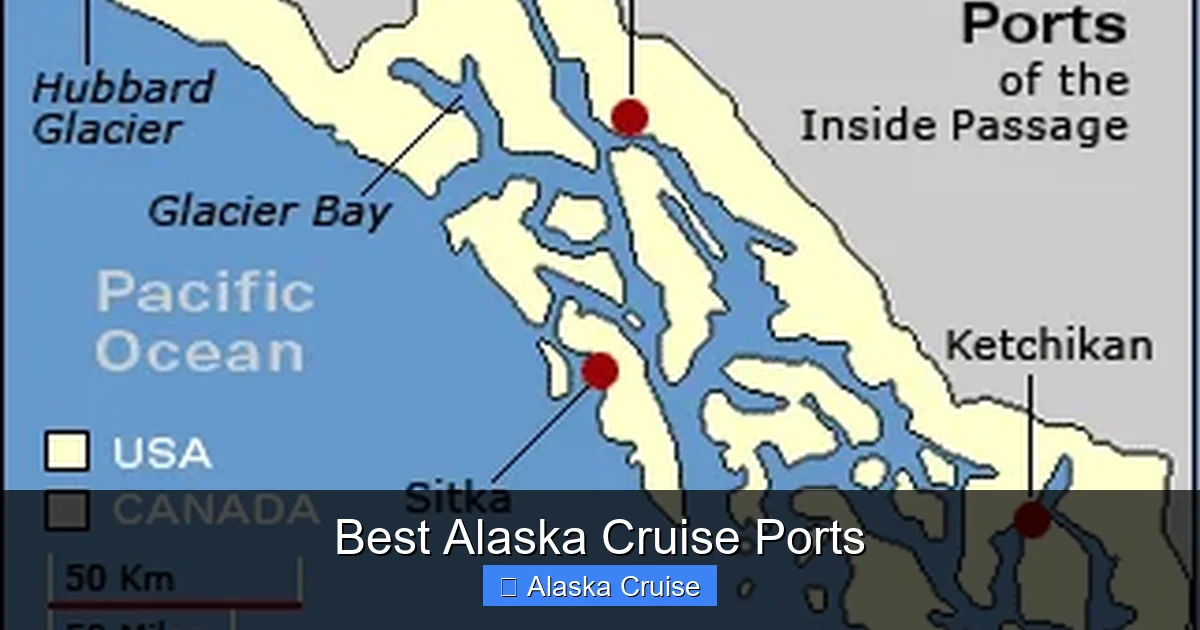
Alaska’s cruise ports offer breathtaking landscapes, rich history, and unforgettable wildlife encounters. From the bustling streets of Juneau to the gold rush charm of Skagway, each stop delivers unique experiences that make cruising Alaska a bucket-list adventure.
Key Takeaways
- Juneau is Alaska’s capital and a top port for glacier viewing, whale watching, and exploring Tongass National Forest.
- Ketchikan is known as the “Salmon Capital of the World” and offers rich Native Alaskan culture and rainforest hikes.
- Skagway brings the Gold Rush era to life with historic buildings, scenic railways, and access to the Klondike Highway.
- Glacier Bay National Park is a UNESCO World Heritage Site with massive glaciers, calving ice, and abundant marine wildlife.
- Hubbard Glacier is one of the largest tidewater glaciers in North America, offering dramatic ice views and photo opportunities.
- Sitka blends Russian heritage with Alaskan wilderness, featuring historic churches and sea otter sightings.
- Plan ahead for excursions, weather, and port logistics to make the most of your Alaska cruise experience.
📑 Table of Contents
- Introduction to Alaska Cruise Ports
- Juneau: Alaska’s Capital and Glacier Gateway
- Ketchikan: The Salmon Capital of the World
- Skagway: A Gold Rush Town Frozen in Time
- Glacier Bay National Park: A UNESCO World Heritage Site
- Hubbard Glacier: North America’s Largest Tidewater Glacier
- Sitka: Where Russian Heritage Meets Alaskan Wilderness
- Conclusion: Making the Most of Your Alaska Cruise
Introduction to Alaska Cruise Ports
Imagine standing on the deck of a cruise ship, the crisp mountain air filling your lungs, as towering glaciers crack and thunder into the sea. Towering evergreens line the shore, and a humpback whale breaches in the distance. This is Alaska—a land of raw beauty, untamed wilderness, and unforgettable moments. And the best way to experience it? By cruising through its iconic ports.
Alaska cruise ports are more than just stops along a route—they’re gateways to adventure. Each destination offers a unique blend of natural wonders, cultural history, and outdoor activities. Whether you’re a wildlife enthusiast, a history buff, or simply someone who loves stunning scenery, Alaska’s ports deliver experiences that linger long after the journey ends.
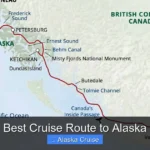
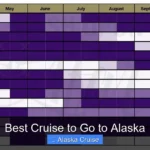
From the lush rainforests of Ketchikan to the gold rush echoes of Skagway, every port tells a story. Cruises typically run from May to September, when the weather is mild and wildlife is most active. Most itineraries include 5–7 ports, with time spent sailing through breathtaking fjords and icy waters. The beauty of an Alaska cruise is that you get to see so much without the hassle of constant packing and unpacking. Your floating hotel takes you from one incredible destination to the next, while you relax and enjoy the views.
Juneau: Alaska’s Capital and Glacier Gateway
Visual guide about Best Alaska Cruise Ports
Image source: myperfectalaskacruise.com
Nestled between the Gastineau Channel and the Tongass National Forest, Juneau is Alaska’s capital city—and one of the most popular cruise ports in the state. Unlike most state capitals, Juneau isn’t accessible by road. You can only reach it by boat or plane, which adds to its remote, adventurous charm. This isolation has helped preserve its natural beauty and small-town feel, even as thousands of cruise passengers disembark each day.
Top Attractions in Juneau
One of Juneau’s biggest draws is the Mendenhall Glacier, located just 12 miles from downtown. This massive river of ice stretches over 13 miles and is one of the few glaciers in Alaska that’s easily accessible. Visitors can walk along well-maintained trails, cross a suspension bridge over Nugget Creek, and even get up close to the glacier’s face. During summer, the glacier calves frequently—sending chunks of ice crashing into the lake below. It’s a powerful reminder of nature’s force.
Another must-see is the Alaska State Museum, which offers a deep dive into the state’s history, art, and indigenous cultures. The museum features exhibits on Tlingit, Haida, and Athabascan peoples, as well as displays on gold mining, fishing, and wildlife. It’s a great way to learn about Alaska’s past before heading out into the wild.
For wildlife lovers, a whale watching tour is a must. Juneau is one of the best places in the world to see humpback whales, especially from May through September. Many tours depart from the cruise ship dock and take you into the nutrient-rich waters of Stephens Passage. Along with whales, you might spot sea lions, porpoises, and even orcas. Some tours include a naturalist guide who explains the behavior and migration patterns of the marine life you’re seeing.
Outdoor Adventures and Local Flavors
If you love hiking, Juneau won’t disappoint. The Perseverance Trail is a favorite among locals and visitors alike. This 4.5-mile trail winds through old-growth forest, crosses streams, and offers stunning views of Mount Juneau. It’s moderately challenging but well worth the effort. For a shorter walk, the Mount Roberts Tramway takes you 1,800 feet up the mountain in just a few minutes. At the top, you’ll find a nature center, gift shop, and hiking trails with panoramic views of the city and surrounding waters.
Juneau also has a thriving food scene. Don’t leave without trying fresh Alaskan seafood—especially king crab, salmon, and halibut. Many restaurants source their ingredients locally, so you’re getting the freshest possible meal. Try the Twisted Fish for creative seafood dishes or The Rookery for a cozy, farm-to-table experience.
Tips for Visiting Juneau
– Book whale watching or glacier tours in advance—they fill up quickly during peak season.
– Wear layers and bring rain gear. Juneau is one of the rainiest cities in the U.S., so be prepared for sudden showers.
– If you’re short on time, consider a guided city tour that combines the glacier, museum, and tramway in one trip.
Ketchikan: The Salmon Capital of the World
Tucked into the lush rainforest of the Tongass National Forest, Ketchikan is known as the “Salmon Capital of the World” and the “First City” of Alaska due to its location at the southern end of the Inside Passage. This charming port town is built on stilts over the water, with colorful buildings climbing up the forested hillsides. It’s a place where nature and culture blend seamlessly.
Rich Native Alaskan Heritage
Ketchikan is home to the largest collection of totem poles in the world. The Totem Heritage Center features 19th-century totems salvaged from abandoned villages, offering insight into the spiritual and cultural significance of these towering carvings. Nearby, Totem Bight State Historical Park displays more than a dozen restored totem poles and a traditional clan house. It’s a peaceful, reflective space that honors the Tlingit, Haida, and Tsimshian peoples.
For a deeper cultural experience, visit the Alaska Indian Arts center, where Native artists demonstrate traditional crafts like wood carving, beading, and weaving. You can even try your hand at making a small souvenir to take home. These hands-on experiences offer a meaningful connection to Alaska’s indigenous heritage.
Outdoor Adventures and Wildlife
Ketchikan is a paradise for outdoor enthusiasts. The surrounding rainforest is crisscrossed with hiking trails that range from easy boardwalks to challenging mountain climbs. The Deer Mountain Trail is a popular 3.5-mile hike that rewards you with sweeping views of the Tongass Narrows and the town below. If you’re lucky, you might spot black bears, bald eagles, or Sitka deer along the way.
For a unique experience, take a flightseeing tour over the Misty Fjords National Monument. These dramatic cliffs and waterfalls were carved by glaciers thousands of years ago and are now a protected wilderness area. From the air, you’ll see waterfalls cascading down sheer rock faces, deep blue lakes, and untouched forest. It’s one of the most breathtaking views in all of Alaska.
Fishing and Local Cuisine
As the “Salmon Capital of the World,” Ketchikan is a dream destination for anglers. Charter a boat for a half-day or full-day fishing trip and try your luck at catching king salmon, silver salmon, or halibut. Many tours include gear, bait, and even a guide who’ll clean and fillet your catch for you to take back to the ship.
Even if you’re not fishing, you can enjoy the freshest seafood in town. Try the George Inlet Cannery, a historic salmon cannery turned museum and restaurant. They serve up delicious fish and chips, chowder, and smoked salmon—all made with locally caught fish. It’s a great spot to relax and soak in the waterfront views.
Tips for Visiting Ketchikan
– Bring insect repellent—mosquitoes can be plentiful in the rainforest.
– If you’re interested in Native culture, ask your cruise line about cultural performances or storytelling events.
– Shop for local crafts at the Ketchikan Creek Street shops, but be aware that some items may be mass-produced souvenirs.
Skagway: A Gold Rush Town Frozen in Time
Stepping off the ship in Skagway feels like stepping back into the 1890s. This historic port town was the main gateway to the Klondike Gold Rush, and today, it’s one of the best-preserved examples of a Gold Rush-era settlement in North America. With its wooden boardwalks, false-front buildings, and costumed interpreters, Skagway offers a vivid glimpse into Alaska’s wild past.
The White Pass and Yukon Route Railway
No visit to Skagway is complete without riding the White Pass and Yukon Route Railway. Known as the “Gateway to the Klondike,” this narrow-gauge railway was built in 1898 to help prospectors reach the goldfields. The train climbs nearly 3,000 feet in just 20 miles, crossing trestles, tunnels, and switchbacks through rugged mountain terrain.
The journey takes about 3.5 hours round-trip and offers jaw-dropping views of waterfalls, glaciers, and deep gorges. Along the way, the conductor shares stories of the hardships faced by gold seekers—many of whom never made it past this very route. It’s a thrilling ride that combines history, engineering, and natural beauty.
Historic Downtown and Gold Rush Museums
Skagway’s downtown is a National Historic Landmark, with over 100 preserved buildings from the Gold Rush era. Stroll down Broadway and you’ll see saloons, general stores, and hotels that once served thousands of hopeful miners. The Klondike Gold Rush National Historical Park Visitor Center is a great place to start your exploration. It features exhibits on the gold rush, interactive displays, and a short film that brings the era to life.
Don’t miss the Red Onion Saloon, a restored brothel that now serves as a museum and restaurant. It’s a cheeky but educational look at the less savory side of Gold Rush life. For a more serious experience, visit the Jefferson Smith House, home of the town’s first newspaper editor and a key figure in Skagway’s early days.
Outdoor Adventures and Scenic Drives
Skagway is also a launching point for outdoor adventures. The Klondike Highway runs north from town into the Yukon, offering access to hiking, camping, and wildlife viewing. The Chilkoot Trail, a historic route used by gold seekers, is a challenging 33-mile trek that ends in British Columbia. Most visitors opt for a shorter day hike to the first few miles, where you can see the remains of old camps and learn about the trail’s history.
For a more relaxed experience, take a glacier tour to the Davidson Glacier. This massive ice field is accessible by boat or kayak, and the views are stunning. Some tours include a guided hike on the glacier itself—just be sure to wear proper footwear and follow safety guidelines.
Tips for Visiting Skagway
– Wear comfortable walking shoes—downtown Skagway is best explored on foot.
– Book the White Pass Railway in advance, especially during peak season.
– If you’re interested in history, consider a guided walking tour with a local historian.
Glacier Bay National Park: A UNESCO World Heritage Site
While not a traditional port with shops and restaurants, Glacier Bay National Park is one of the most awe-inspiring stops on any Alaska cruise. This UNESCO World Heritage Site spans over 3.3 million acres and is home to some of the most active glaciers in the world. Most cruise ships spend a full day cruising through the park, giving passengers time to soak in the views and spot wildlife.
Glaciers and Ice Formations
Glacier Bay is home to over a dozen tidewater glaciers, including the famous Margerie Glacier and Grand Pacific Glacier. These massive rivers of ice can be over 200 feet tall and stretch for miles. As the ship moves slowly through the bay, you’ll witness calving events—when huge chunks of ice break off and crash into the water. The sound is like thunder, and the sight is unforgettable.
The park’s glaciers are constantly changing, shaped by snowfall, temperature, and ocean currents. Scientists study these glaciers to understand climate change, making Glacier Bay a living laboratory. Rangers often board the ship to give presentations on the park’s ecology and geology.
Wildlife Viewing
Glacier Bay is teeming with wildlife. Keep your binoculars handy for sightings of humpback whales, orcas, sea otters, and harbor seals. On land, you might spot brown bears, mountain goats, and moose. The park’s rich marine ecosystem supports a wide variety of birds, including bald eagles, puffins, and cormorants.
One of the best ways to experience the park is from the ship’s deck or observation lounge. Many cruises offer naturalist-led commentary, helping you identify wildlife and understand the park’s unique ecosystem. Some ships even have underwater microphones to listen to whale songs.
Tips for Visiting Glacier Bay
– Dress warmly—even in summer, it can be chilly on the water.
– Bring a camera with a good zoom lens for wildlife and glacier photos.
– Stay quiet and respectful during calving events—it’s a powerful natural phenomenon.
Hubbard Glacier: North America’s Largest Tidewater Glacier
Another highlight of many Alaska cruises is a visit to Hubbard Glacier, one of the largest tidewater glaciers in North America. Located near the border of Alaska and the Yukon, this massive glacier is over 7 miles wide and 1,200 feet tall. It’s so large that it actually blocks the entrance to Russell Fjord, creating a natural dam that can cause the fjord to flood when the glacier calves.
Witnessing the Power of Nature
Cruising near Hubbard Glacier is a humbling experience. The ship slows to a crawl as it approaches the glacier’s face, giving passengers time to take in the sheer scale of the ice. The glacier is constantly moving—advancing about 10–12 feet per day—and calving frequently. When a large chunk breaks off, the resulting wave can rock the ship.
The area around the glacier is also rich in wildlife. Look for seals resting on icebergs, seabirds diving for fish, and even the occasional whale. The cold, nutrient-rich water supports a thriving marine ecosystem.
Tips for Viewing Hubbard Glacier
– Be patient—calving events can happen at any time, but they’re unpredictable.
– Bring a jacket and gloves—the temperature drops significantly near the glacier.
– Sit on the port (left) side of the ship for the best views, as most cruises approach from the west.
Sitka: Where Russian Heritage Meets Alaskan Wilderness
Sitka, located on Baranof Island, is a unique blend of Russian history and Alaskan wilderness. Once the capital of Russian America, Sitka retains much of its Old World charm, with onion-domed churches, historic fort sites, and a rich cultural heritage.
Historic Sites and Cultural Experiences
The St. Michael’s Cathedral is a must-see. Rebuilt after a fire in 1966, it features traditional Russian architecture and beautiful icons. Nearby, the Russian Bishop’s House is one of the few remaining Russian colonial buildings in Alaska. Now a museum, it offers a glimpse into life in 19th-century Sitka.
For a deeper cultural experience, visit the Sitka National Historical Park, which commemorates the 1804 Battle of Sitka between the Tlingit people and Russian settlers. The park features totem poles, a visitor center, and peaceful trails along the Pacific Ocean.
Wildlife and Outdoor Activities
Sitka is a prime spot for wildlife viewing. The surrounding waters are home to sea otters, sea lions, and whales. Take a kayaking tour through the calm waters of Sitka Sound or join a fishing charter for salmon and halibut.
For hikers, the Indian River Trail offers a scenic walk through old-growth forest to a waterfall. It’s an easy 2.5-mile round-trip that’s perfect for all skill levels.
Tips for Visiting Sitka
– Try the local seafood—Sitka is known for its fresh halibut and salmon.
– Visit the Sitka Sound Science Center to learn about marine life and conservation.
– Shop for Russian-inspired souvenirs, but look for authentic items made by local artists.
Conclusion: Making the Most of Your Alaska Cruise
An Alaska cruise is more than a vacation—it’s a journey into one of the last great wildernesses on Earth. The best Alaska cruise ports each offer something unique, from the icy grandeur of glaciers to the rich history of Gold Rush towns. Whether you’re marveling at a calving glacier, hiking through a rainforest, or learning about Native Alaskan culture, every moment is an adventure.
To make the most of your trip, plan ahead. Research excursions, pack for variable weather, and arrive at the ship early to secure a good viewing spot. Most importantly, take time to simply look around. Alaska’s beauty is in the details—the way the light hits the water, the sound of a whale’s breath, the silence of a forest trail.
With its stunning scenery, diverse wildlife, and rich history, Alaska is a destination that stays with you long after you’ve returned home. So set sail, embrace the journey, and let Alaska’s ports reveal their secrets.
Frequently Asked Questions
What are the best Alaska cruise ports to visit?
The best Alaska cruise ports include Juneau, Ketchikan, Skagway, Glacier Bay, Hubbard Glacier, and Sitka. Each offers unique experiences, from glacier viewing and wildlife watching to Gold Rush history and Native Alaskan culture.
When is the best time to cruise Alaska?
The best time to cruise Alaska is from May to September. During these months, the weather is mild, wildlife is active, and daylight hours are long, giving you more time to explore each port.
Do I need to book excursions in advance?
Yes, it’s highly recommended to book popular excursions like whale watching, glacier tours, and the White Pass Railway in advance. These activities fill up quickly, especially during peak season.
What should I pack for an Alaska cruise?
Pack layers, including a waterproof jacket, warm sweaters, and sturdy walking shoes. Don’t forget sunglasses, sunscreen, binoculars, and a camera. Rain gear is essential, as weather can change quickly.
Are Alaska cruise ports accessible for people with mobility issues?
Some ports, like Juneau and Skagway, have limited accessibility due to steep terrain and historic buildings. However, many cruise lines offer accessible excursions and transportation. Check with your cruise line for specific accommodations.
Can I see whales and bears on an Alaska cruise?
Yes! Whale watching is common in Juneau and Ketchikan, while brown bears can often be spotted in areas like Glacier Bay and near salmon streams. Wildlife sightings depend on the season and location, but Alaska is one of the best places in the world to see both.