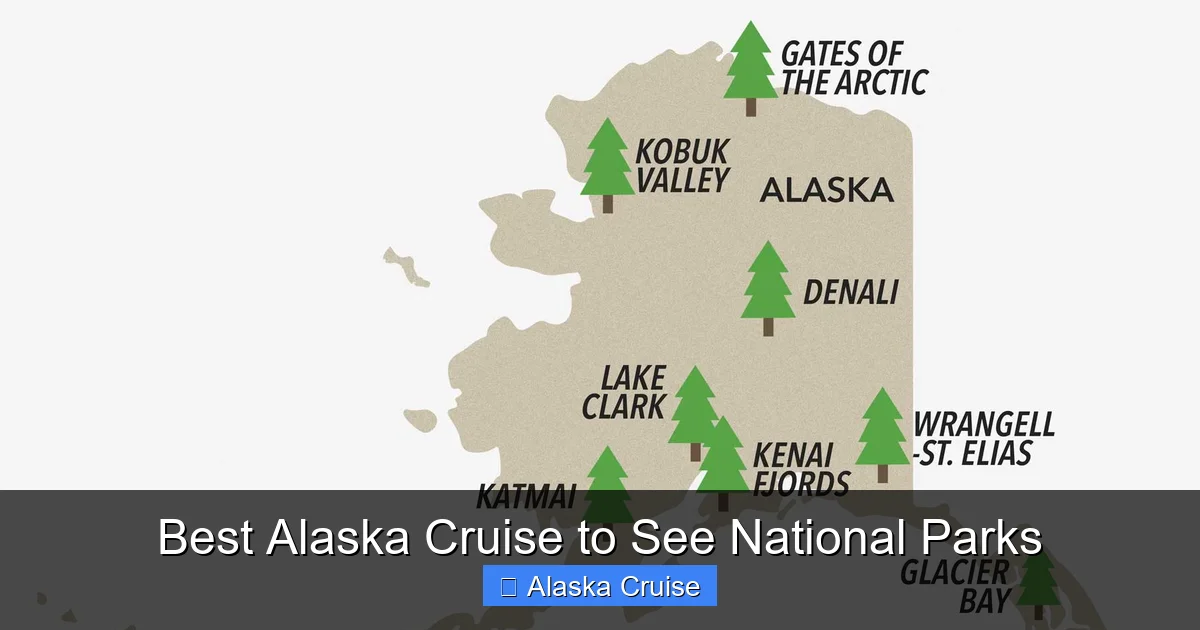
Choosing the best Alaska cruise to see national parks means prioritizing itineraries that include Glacier Bay, Kenai Fjords, and Tongass National Forest. These cruises offer guided excursions, wildlife sightings, and up-close glacier views—perfect for nature lovers seeking adventure and awe-inspiring scenery.
If you’ve ever dreamed of standing beneath towering glaciers, spotting humpback whales breaching in icy waters, or hiking through ancient rainforests, then an Alaska cruise to see national parks might just be the adventure of a lifetime. Alaska is home to some of the most breathtaking and remote natural wonders in North America—many of which are protected within its vast network of national parks. From the thunderous calving of glaciers in Glacier Bay to the rugged coastlines of Kenai Fjords, these parks offer an unparalleled opportunity to connect with raw, untamed nature.
But not all Alaska cruises are created equal when it comes to park access. Some itineraries focus more on port towns and shopping, while others are carefully crafted to maximize time in protected wilderness areas. The best Alaska cruise to see national parks will prioritize routes that sail deep into pristine ecosystems, offer expert-guided excursions, and include partnerships with the National Park Service. Whether you’re a first-time cruiser or a seasoned traveler, choosing the right voyage can make the difference between a good trip and an unforgettable one.
In this guide, we’ll walk you through everything you need to know to pick the perfect Alaska cruise for national park exploration. We’ll highlight the top parks you can visit, compare cruise lines that specialize in nature-focused itineraries, and share insider tips to help you make the most of your journey. So grab your binoculars, pack your waterproof jacket, and get ready to explore the Last Frontier like never before.
Key Takeaways
- Glacier Bay National Park is a must-see: Most top Alaska cruises include a full-day visit, offering ranger-led narration and chances to see calving glaciers.
- Kenai Fjords National Park offers dramatic coastal views: Cruises that stop near Seward or include a day tour provide access to fjords, whales, and sea lions.
- Tongass National Forest spans Southeast Alaska: Ships sailing through the Inside Passage pass through this lush, rainforest-covered region rich in wildlife.
- Smaller ships access remote parks: Boutique and expedition-style vessels can navigate narrow channels and reach lesser-known parks like Wrangell-St. Elias.
- National Park Service rangers enhance the experience: Many cruise lines partner with NPS to provide educational programs and expert insights onboard and ashore.
- Best time to cruise is May through September: This window offers mild weather, long daylight hours, and peak wildlife activity in Alaska’s national parks.
- Shore excursions boost park exploration: Kayaking, hiking, and wildlife tours allow deeper immersion into park ecosystems beyond the ship’s deck.
📑 Table of Contents
- Why National Parks Are the Heart of an Alaska Cruise
- Top National Parks You Can Visit on an Alaska Cruise
- Best Cruise Lines for National Park Exploration
- Choosing the Right Itinerary for Maximum Park Access
- Best Time to Cruise for National Park Viewing
- Tips for Making the Most of Your National Park Experience
- Conclusion
Why National Parks Are the Heart of an Alaska Cruise
Alaska’s national parks aren’t just scenic backdrops—they’re the soul of any great cruise through the region. These protected areas preserve some of the most dramatic and ecologically rich landscapes on Earth, from temperate rainforests and alpine tundra to massive ice fields and rugged coastlines. For travelers seeking more than just pretty views, national parks offer immersive experiences that connect you with the land, wildlife, and Indigenous cultures that have shaped this region for thousands of years.
One of the biggest advantages of seeing these parks via cruise is accessibility. Many of Alaska’s most stunning natural areas are remote and difficult to reach by road or air. Cruise ships, especially those designed for expedition travel, can glide through narrow fjords, anchor near glacier fronts, and drop you off at trailheads or wildlife viewing spots that would otherwise require days of planning. Plus, with onboard naturalists and park rangers, you’ll gain deeper insights into the ecosystems you’re exploring.
Another reason national parks elevate the cruise experience is the emphasis on conservation and education. The National Park Service works closely with several cruise lines to offer interpretive programs, guided walks, and live commentary during scenic cruising. This means you’re not just passively observing—you’re learning about glacial geology, marine biology, and the cultural history of Alaska Native communities. It’s travel with purpose, where every fjord and forest feels more meaningful.
The Role of the National Park Service on Alaska Cruises
You might be surprised to learn that National Park Service (NPS) rangers often come aboard cruise ships during key park visits. This collaboration enhances the guest experience by providing expert knowledge and ensuring that tourism supports conservation efforts. For example, when your ship enters Glacier Bay National Park, an NPS ranger typically joins the crew to deliver live commentary over the ship’s speakers, pointing out wildlife, explaining glacial movement, and sharing stories of the Huna Tlingit people who have lived in the area for generations.
These rangers also lead optional shore programs, such as short hikes or beach walks, where you can learn about local flora and fauna up close. Their presence ensures that visitors leave with a greater appreciation for the fragility and importance of these protected spaces. It’s a unique feature that sets park-focused cruises apart from standard sightseeing tours.
How Cruises Support Conservation and Sustainable Tourism
The best Alaska cruise lines take their environmental responsibilities seriously. Many follow strict guidelines to minimize their impact on national parks, such as reducing emissions, managing waste responsibly, and adhering to speed limits in sensitive wildlife areas. Some even contribute financially to park preservation through partnerships or passenger donations.
For travelers, this means you can enjoy these pristine environments with peace of mind, knowing your visit supports long-term conservation. Choosing a cruise line with a strong sustainability record—like those certified by Green Marine or members of the Alaska Travel Industry Association—ensures your adventure aligns with eco-conscious values.
Top National Parks You Can Visit on an Alaska Cruise
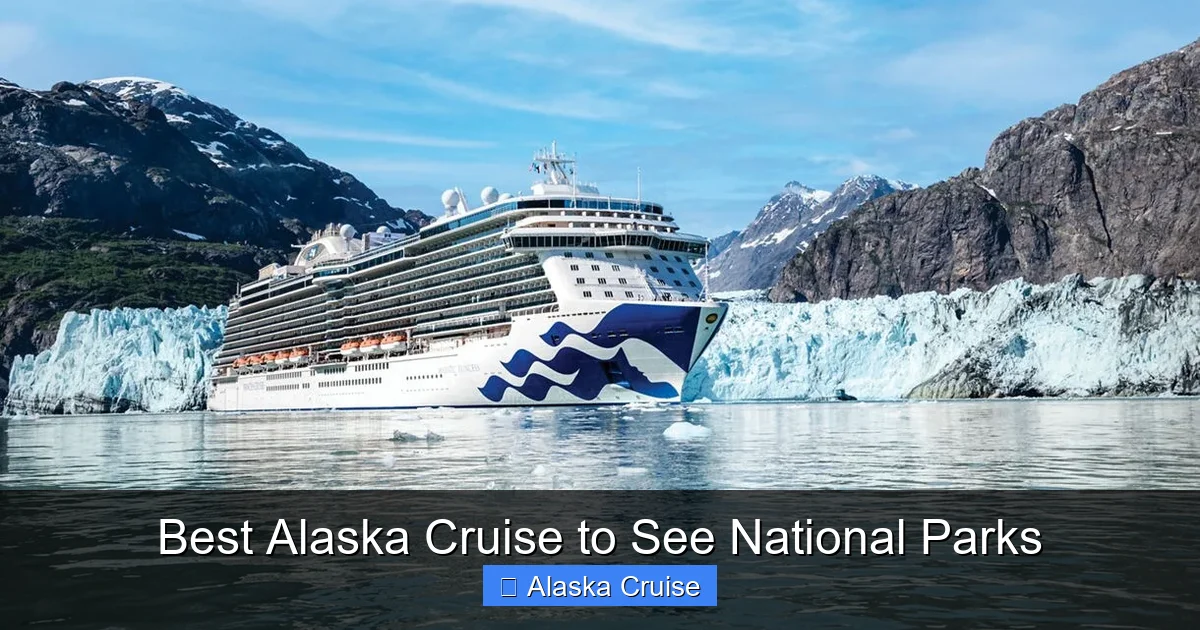
Visual guide about Best Alaska Cruise to See National Parks
Image source: assets.princess.com
Not all Alaska cruises visit the same parks, so it’s important to know which ones are accessible and what makes each one special. Here are the top national parks you’re likely to encounter on a well-planned Alaska cruise, along with what to expect from each.
Glacier Bay National Park and Preserve
Glacier Bay is arguably the crown jewel of Alaska’s national parks—and a highlight of nearly every Inside Passage cruise. Spanning over 3.3 million acres, this UNESCO World Heritage Site is home to some of the most active glaciers in the world, including the famous Margerie and Lamplugh Glaciers. As your ship slowly navigates the bay, you’ll witness massive chunks of ice calving into the water with thunderous crashes that echo across the fjord.
One of the best parts of visiting Glacier Bay is the mandatory NPS ranger program. Rangers board the ship and provide live narration throughout the day, sharing fascinating facts about glacial retreat, marine life, and the park’s cultural history. Wildlife sightings are common—look for humpback whales, sea otters, harbor seals, and even the occasional brown bear along the shoreline.
Most cruises spend a full day in Glacier Bay, allowing ample time for scenic cruising and optional excursions like kayaking among icebergs or taking a small boat tour closer to the glacier faces. Because the park is so vast and dynamic, no two visits are exactly the same. That’s part of what makes it such a magical experience.
Kenai Fjords National Park
Located near the port town of Seward, Kenai Fjords National Park offers a dramatic contrast to the forested landscapes of Southeast Alaska. This park is defined by its deep, glacier-carved fjords, towering sea cliffs, and abundant marine wildlife. While most large cruise ships don’t enter the park directly, many itineraries include a stop in Seward, where passengers can take a day cruise into the fjords.
These smaller boats, often operated by local tour companies, can get much closer to glaciers like Holgate and Aialik, giving you a front-row seat to calving ice and icy blue crevasses. You’ll also have excellent chances to see orcas, humpback whales, Steller sea lions, and puffins. Some tours even include a stop at the Alaska SeaLife Center, where you can learn about marine research and rehabilitation efforts.
For travelers who want to extend their time in Kenai Fjords, consider booking a pre- or post-cruise land tour that includes a full-day boat excursion. These trips often combine wildlife viewing with guided hikes on the edge of Exit Glacier, one of the few glaciers accessible by foot.
Tongass National Forest (Adjacent to Multiple Parks)
While not a national park itself, Tongass National Forest plays a crucial role in the Alaska cruise experience. As the largest national forest in the United States, Tongass covers most of Southeast Alaska and borders several key parks, including Glacier Bay and Admiralty Island National Monument. Cruises sailing the Inside Passage pass directly through this lush, rainforest-covered region, offering views of moss-draped trees, cascading waterfalls, and snow-capped peaks.
Tongass is home to a rich diversity of wildlife, including black and brown bears, bald eagles, Sitka deer, and salmon-rich rivers. Many cruise lines offer shore excursions that take you into the forest for guided nature walks, zipline adventures, or visits to Indigenous cultural sites. The forest also supports sustainable tourism initiatives, such as eco-lodges and community-based tours run by Alaska Native groups.
Even if you don’t disembark, simply sailing through Tongass on a calm morning—with mist rising off the water and eagles soaring overhead—can feel like stepping into a postcard. It’s a reminder of how vast and wild this region truly is.
Wrangell-St. Elias National Park and Preserve
For travelers seeking a more off-the-beaten-path experience, Wrangell-St. Elias is Alaska’s largest national park and one of the most remote. Located in the state’s interior near the Canadian border, it’s not typically visited by standard cruise ships. However, some expedition cruises and land-sea combo tours include a visit, often via small aircraft or overland travel from a port like Whittier or Seward.
This park is a paradise for adventurers, featuring nine of the 16 highest peaks in the U.S., active volcanoes, and the massive Bagley Icefield. Excursions might include flightseeing over the glaciers, hiking to abandoned mining towns, or rafting on the wild rivers. While it requires extra planning, visiting Wrangell-St. Elias offers a rare chance to experience true wilderness far from crowds.
Other Notable Protected Areas
In addition to the major parks, your cruise may pass near or offer excursions to other protected areas like:
– **Admiralty Island National Monument:** Known for its high density of brown bears and the native Tlingit community of Angoon.
– **Misty Fjords National Monument:** A rugged, waterfalls-filled wilderness near Ketchikan, often visited by small ships or seaplanes.
– **Lake Clark National Park:** Accessible via flight from Anchorage, this park offers bear viewing at Brooks Falls and stunning volcanic landscapes.
These areas may not be on every itinerary, but they’re worth seeking out if you’re passionate about untouched nature and cultural heritage.
Best Cruise Lines for National Park Exploration
Not all cruise lines are equally equipped to deliver a top-tier national park experience. Some prioritize luxury and entertainment, while others focus on adventure and education. Here are the cruise lines that consistently rank as the best for seeing Alaska’s national parks.
Holland America Line
Holland America is a longtime favorite among nature lovers and seasoned cruisers. Their ships, such as the Nieuw Amsterdam and Westerdam, offer extended 7- to 14-day Inside Passage itineraries that include multiple days in Glacier Bay and stops in ports near Kenai Fjords. What sets them apart is their strong partnership with the National Park Service—rangers regularly join the ship in Glacier Bay, and the onboard naturalists provide daily wildlife and geology lectures.
Holland America also offers a robust shore excursion program, with options like glacier hiking, whale watching, and cultural tours led by local guides. Their ships are mid-sized, which allows for a more intimate experience without sacrificing comfort.
Princess Cruises
Princess Cruises is another top contender, known for its “National Parks Tour” program that combines sea and land adventures. Their ships, like the Grand Princess and Sapphire Princess, sail classic routes through the Inside Passage with guaranteed stops in Glacier Bay. They also offer land tours that extend into Denali National Park and Kenai Fjords, allowing you to experience both coastal and interior Alaska.
One standout feature is their “North to Alaska” programming, which includes live music, cooking demos, and storytelling sessions that celebrate Alaska’s culture and history. Their ships are larger, so expect more amenities, but also more passengers—ideal if you enjoy a lively atmosphere.
UnCruise Adventures
For a truly immersive, small-ship experience, UnCruise Adventures is hard to beat. Their fleet of intimate vessels—some carrying as few as 22 passengers—sail to remote areas that larger ships can’t access. Itineraries often include multiple days in Glacier Bay, kayaking in Kenai Fjords, and exploring the Tongass rainforest.
UnCruise emphasizes adventure and education, with a team of naturalists, marine biologists, and local guides leading daily excursions. Their trips are more active and less formal, perfect for travelers who want to get their hands dirty and learn from experts. While not luxury-focused, the experience is deeply rewarding for nature enthusiasts.
Lindblad Expeditions (in partnership with National Geographic)
Lindblad Expeditions offers high-end, expedition-style cruises that feel more like a documentary film set than a traditional cruise. Their ships, such as the National Geographic Quest, are equipped with kayaks, Zodiacs, and underwater cameras to enhance exploration. They work closely with National Geographic photographers and scientists, offering unique opportunities to document wildlife and landscapes.
Their Alaska itineraries often include multiple national parks, with a strong emphasis on photography, conservation, and cultural exchange. These cruises are ideal for travelers who want a premium, educational experience with a focus on storytelling and discovery.
Choosing the Right Itinerary for Maximum Park Access
With so many options, how do you pick the best Alaska cruise to see national parks? The key is to focus on itinerary details—specifically, which parks are included, how much time you’ll spend in each, and what kinds of excursions are offered.
Inside Passage vs. Gulf of Alaska Routes
Most Alaska cruises fall into one of two categories: Inside Passage or Gulf of Alaska. Inside Passage itineraries typically depart from Seattle or Vancouver and sail north through southeastern Alaska, visiting ports like Ketchikan, Juneau, and Skagway before ending in Whittier or Seward. These routes offer the best access to Glacier Bay, Tongass National Forest, and Misty Fjords.
Gulf of Alaska cruises, on the other hand, often start in Anchorage or Whittier and sail across the Gulf to ports like Ketchikan or Vancouver. These itineraries may include Kenai Fjords and Prince William Sound but are less likely to visit Glacier Bay. If Glacier Bay is a priority, choose an Inside Passage route.
Duration Matters
Longer cruises (10 days or more) generally offer better park access. A 7-day cruise might only include one full day in Glacier Bay, while a 14-day voyage could include multiple park visits, land extensions, and more time for excursions. If you’re serious about exploring national parks, consider a longer itinerary or a cruise-and-land package.
Small Ship vs. Large Ship
Small ships (under 200 passengers) can navigate narrower channels, anchor closer to shore, and offer more personalized service. They’re ideal for travelers who want a quieter, more immersive experience. Large ships offer more amenities and entertainment but may feel crowded and less flexible in remote areas.
Best Time to Cruise for National Park Viewing
Timing your cruise correctly can make a big difference in what you see and experience. The Alaska cruise season runs from May to September, with each month offering unique advantages.
– **May and June:** Early season means fewer crowds, lower prices, and blooming wildflowers. Wildlife is active, and glaciers are especially dynamic after winter. However, some excursions may be limited due to lingering snow.
– **July and August:** Peak season offers the best weather, longest daylight hours, and full excursion availability. This is also the best time for whale watching and bear viewing. Expect larger crowds and higher prices.
– **September:** Late season brings stunning fall colors, fewer tourists, and active wildlife preparing for winter. Some ports may close, but the scenery is often at its most dramatic.
For the best balance of weather, wildlife, and access, aim for late June through early August.
Tips for Making the Most of Your National Park Experience
To truly enjoy your Alaska cruise to see national parks, a little preparation goes a long way. Here are some practical tips to enhance your journey:
– **Book excursions early:** Popular tours like glacier hikes and whale watches fill up fast, especially on large ships.
– **Pack layers and waterproof gear:** Weather in Alaska can change quickly, even in summer. A good rain jacket, warm layers, and sturdy shoes are essential.
– **Bring binoculars and a camera:** You’ll want to capture wildlife and glaciers from a distance—don’t rely on your phone zoom.
– **Attend onboard lectures:** Take advantage of naturalist talks to learn about the parks before you visit.
– **Respect wildlife and park rules:** Stay on designated trails, keep a safe distance from animals, and follow Leave No Trace principles.
Conclusion
An Alaska cruise to see national parks is more than just a vacation—it’s a journey into one of the last great wildernesses on Earth. From the icy grandeur of Glacier Bay to the wild coastlines of Kenai Fjords, these protected areas offer unforgettable encounters with nature, wildlife, and culture. By choosing a cruise line and itinerary that prioritize park access, you’ll gain not only stunning views but also a deeper understanding of what makes Alaska so extraordinary.
Whether you’re sailing on a grand ocean liner or a nimble expedition vessel, the magic of Alaska’s national parks will stay with you long after you return home. So set your course for adventure, embrace the spirit of exploration, and get ready to experience the Last Frontier in all its glory.
Frequently Asked Questions
Which Alaska cruise visits the most national parks?
Holland America and Princess Cruises offer some of the most comprehensive itineraries, often including Glacier Bay, Kenai Fjords, and access to Tongass National Forest. UnCruise and Lindblad provide deeper access to remote areas with smaller ships.
Do all Alaska cruises go to Glacier Bay National Park?
No, only cruises sailing the Inside Passage typically include Glacier Bay. Gulf of Alaska routes usually skip it. Always check your itinerary before booking.
Can you hike in national parks during an Alaska cruise?
Yes! Many cruises offer guided hikes in parks like Glacier Bay and near Exit Glacier in Kenai Fjords. Some small ships also provide trail access in Tongass National Forest.
Are there National Park Service rangers on Alaska cruise ships?
Yes, NPS rangers often board ships during visits to Glacier Bay and other parks to provide commentary, lead programs, and enhance the educational experience.
What’s the best month to see wildlife in Alaska’s national parks?
July and August offer the best wildlife viewing, with active bears, whales, and birds. June and September also have great sightings with fewer crowds.
Do I need to book shore excursions in advance?
Yes, especially for popular activities like glacier hikes, whale watching, and flightseeing. Booking early ensures availability and often better pricing.