Choosing the best Alaska cruise to explore means finding the perfect blend of scenic beauty, wildlife encounters, and cultural experiences. Whether you’re sailing through icy fjords or spotting humpback whales, the right cruise can turn a vacation into a lifelong memory.
Key Takeaways
- Alaska cruises offer unmatched access to glaciers, fjords, and wildlife. From towering icebergs to breaching whales, the natural wonders are breathtaking.
- Smaller ships provide more intimate and flexible itineraries. They can dock in remote ports and navigate narrow waterways that larger vessels can’t reach.
- Peak season runs from May to September. July and August offer the warmest weather and longest daylight hours.
- Shore excursions enhance the experience. Options range from dog sledding on glaciers to salmon fishing and native cultural tours.
- Booking early ensures better cabin selection and pricing. Popular routes and ships fill up fast, especially for summer departures.
- Pack layers and waterproof gear. Weather in Alaska can change quickly, even in summer.
- Consider a land-and-sea combo tour. Extending your trip with a visit to Denali National Park adds depth to your Alaskan adventure.
📑 Table of Contents
- Why Alaska Should Be on Your Travel Bucket List
- Understanding Alaska Cruise Itineraries
- Choosing the Right Cruise Line
- Best Time to Take an Alaska Cruise
- Must-See Ports and Shore Excursions
- Packing Tips and What to Expect Onboard
- Extending Your Trip: Land-and-Sea Adventures
- Final Thoughts: Making the Most of Your Alaska Cruise
Why Alaska Should Be on Your Travel Bucket List
Alaska isn’t just a destination—it’s a feeling. It’s the crisp mountain air, the sound of calving glaciers, and the sight of a bald eagle soaring above a misty fjord. For many travelers, Alaska represents the ultimate adventure: a place where nature still reigns supreme and modern life feels a world away. Whether you’re a nature lover, a photography enthusiast, or simply someone craving a break from the ordinary, Alaska delivers in ways few places can match.
One of the best ways to experience this rugged beauty is by taking a cruise. A well-planned Alaska cruise allows you to see vast stretches of coastline, remote islands, and pristine wilderness—all from the comfort of a ship. You’ll glide past snow-capped peaks, witness glaciers calving into the sea, and maybe even catch a glimpse of a bear foraging along the shore. And because Alaska’s major attractions are spread across a massive area, a cruise offers a convenient and scenic way to cover a lot of ground without the hassle of constant packing and unpacking.
But not all Alaska cruises are created equal. The “best Alaska cruise to explore” depends on your interests, budget, and travel style. Some travelers want luxury and fine dining, while others prioritize adventure and wildlife. Some prefer big ships with endless amenities, while others seek the charm and access of smaller vessels. In this guide, we’ll break down everything you need to know to choose the perfect Alaska cruise for your next adventure.
Understanding Alaska Cruise Itineraries
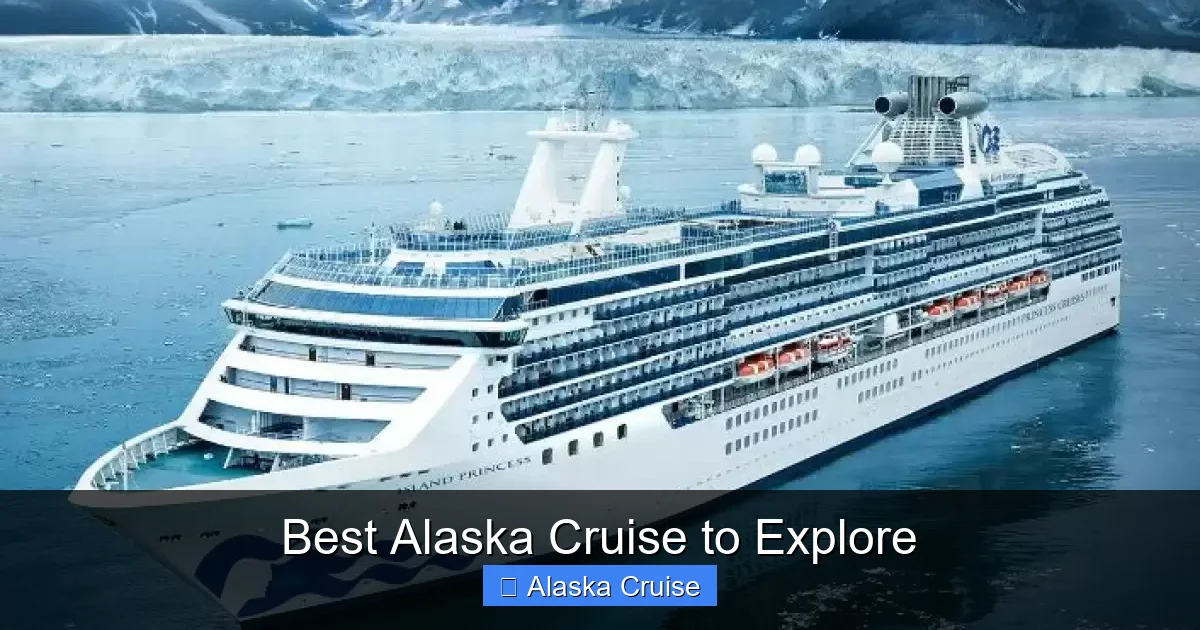
Visual guide about Best Alaska Cruise to Explore
Image source: accentontravel.com
Alaska cruises typically follow one of two main routes: the Inside Passage or the Gulf of Alaska. Each offers a unique perspective on the state’s diverse landscapes and ecosystems.
The Inside Passage: A Classic Coastal Journey
The Inside Passage is the most popular route for first-time Alaska cruisers. This scenic waterway hugs the coast of British Columbia and southeastern Alaska, winding through a maze of islands, forests, and fjords. Ships usually depart from Seattle or Vancouver and make stops in ports like Ketchikan, Juneau, Skagway, and Haines.
One of the biggest draws of the Inside Passage is its accessibility. The waters are calm, making it ideal for travelers who may be prone to seasickness. The route also offers frequent wildlife sightings—think orcas, sea lions, and puffins—and opportunities to visit charming coastal towns with rich Indigenous heritage.
Ketchikan, for example, is known as the “Salmon Capital of the World” and offers boardwalk tours through the historic Creek Street district. Juneau, Alaska’s capital, is accessible only by boat or plane, giving it a remote, authentic feel. Here, you can take a helicopter tour to land on a glacier or explore the Mendenhall Glacier Visitor Center. Skagway, with its Gold Rush-era buildings, offers a glimpse into Alaska’s wild past, while Haines is a quieter port perfect for kayaking and bear viewing.
The Gulf of Alaska: A Grand Adventure
For a more expansive experience, consider a Gulf of Alaska cruise. These itineraries often include a one-way journey between Seattle/Vancouver and Seward or Whittier—ports near Anchorage. This route allows you to explore both the Inside Passage and the dramatic coastal areas of south-central Alaska.
One of the highlights of a Gulf of Alaska cruise is Glacier Bay National Park. This UNESCO World Heritage Site is home to over a dozen tidewater glaciers, including the famous Margerie and Lamplugh Glaciers. Ships slow to a crawl as they enter the park, giving passengers ample time to watch icebergs break off and crash into the water—a phenomenon known as “calving.”
Another major draw is Hubbard Glacier, one of the largest and most active glaciers in North America. At over 7 miles wide and 700 feet tall, it’s a sight to behold. Some ships even get close enough for passengers to hear the deep rumble of shifting ice.
Because Gulf of Alaska cruises are often one-way, many travelers choose to combine their voyage with a land tour. This allows you to visit Denali National Park, take a scenic train ride on the Alaska Railroad, or explore Anchorage and its surrounding areas.
Choosing the Right Cruise Line
With so many cruise lines offering Alaska itineraries, picking the right one can feel overwhelming. Each company has its own style, amenities, and target audience. Here’s a breakdown of some of the top options to help you find the best Alaska cruise to explore.
Luxury and All-Inclusive: Seabourn, Silversea, and Regent Seven Seas
If you’re looking for a high-end experience, luxury lines like Seabourn, Silversea, and Regent Seven Seas offer all-inclusive packages with gourmet dining, spacious suites, and personalized service. These ships are smaller, allowing them to visit more remote ports and navigate narrow channels that larger vessels can’t access.
Seabourn, for example, offers expedition-style cruises with expert naturalists and Zodiac landings. Their “Seabourn Venture” ship is specifically designed for adventure travel, with a fleet of kayaks, a mudroom for gear, and a dedicated expedition team. Silversea’s “Silver Whisper” and “Silver Wind” offer similar experiences with a focus on cultural enrichment and fine wine.
Regent Seven Seas stands out for its truly all-inclusive model—flights, shore excursions, drinks, and gratuities are all covered. Their ships are elegant and spacious, with large balconies and top-tier dining options. If you want a hassle-free, pampered experience, Regent is hard to beat.
Mainstream Favorites: Holland America, Princess, and Celebrity
For a balance of comfort, value, and authentic Alaskan experiences, mainstream lines like Holland America, Princess Cruises, and Celebrity Cruises are excellent choices. These ships are larger but still offer a relaxed, welcoming atmosphere.
Holland America is known for its strong focus on enrichment programs. Their “Explorations Central” (EXC) program features local experts, cultural performances, and interactive workshops. They also offer unique shore excursions like flightseeing over Denali or visiting a native Alaskan village.
Princess Cruises has a long history in Alaska and operates a fleet of ships specifically designed for the region. Their “North to Alaska” program includes onboard lectures, cooking demos, and a signature “Pillars of Alaska” menu featuring local ingredients. Princess also offers land tours that combine cruising with stays in Denali and Fairbanks.
Celebrity Cruises brings a modern, stylish vibe to Alaska. Their Edge-class ships feature innovative design elements like the Magic Carpet—a moving platform that serves as a restaurant, bar, and embarkation station. Celebrity also partners with National Geographic to offer expert-led excursions and photography workshops.
Adventure and Expedition: UnCruise Adventures and Lindblad Expeditions
If you’re seeking a more rugged, hands-on experience, consider an expedition cruise with UnCruise Adventures or Lindblad Expeditions. These small-ship operators focus on adventure, wildlife, and immersive learning.
UnCruise offers intimate voyages on ships with fewer than 100 passengers. Their itineraries include kayaking, paddleboarding, and hiking in remote areas. They also offer themed cruises, like “Whales & Wilderness” or “Glaciers & Grizzlies,” tailored to specific interests.
Lindblad Expeditions, in partnership with National Geographic, combines adventure with science and storytelling. Their ships are equipped with tools like hydrophones to listen to whale songs and remotely operated vehicles (ROVs) to explore underwater environments. Naturalists and photographers join every voyage to enhance the experience.
These expedition cruises are ideal for travelers who want to get off the beaten path and engage deeply with Alaska’s natural world. While they may lack some of the luxuries of larger ships, they offer unparalleled access and authenticity.
Best Time to Take an Alaska Cruise
Timing is everything when it comes to Alaska cruises. The cruising season runs from May to September, but each month offers a different experience.
May and June: Early Season Advantages
May and early June mark the beginning of the cruise season. The weather is cooler, but the landscapes are lush and green after the spring melt. Wildlife is active, and you’re more likely to see bears feeding on fresh vegetation. Crowds are smaller, and prices are often lower.
One downside is that some shore excursions may not be fully operational yet, especially in remote areas. However, this can also mean a more peaceful, authentic experience in port towns.
July and August: Peak Season
July and August are the most popular months to cruise Alaska. The weather is at its warmest, with daytime temperatures often in the 60s and 70s Fahrenheit. The days are long—Juneau sees nearly 18 hours of daylight in June—giving you plenty of time to explore.
This is also the best time for wildlife viewing. Humpback whales are commonly seen feeding in the nutrient-rich waters, and salmon runs attract bears and eagles. However, popular ports like Skagway and Juneau can get crowded, and prices are at their highest.
September: The Quiet Beauty of Fall
Late August and September offer a quieter, more reflective Alaska experience. The summer crowds have thinned, and the fall colors begin to paint the forests in gold and red. The weather is still mild, though rain is more likely.
One of the biggest draws of a September cruise is the chance to see the northern lights. While not guaranteed, the longer nights increase your odds of catching this natural phenomenon. Some cruise lines even offer special “aurora viewing” events.
Must-See Ports and Shore Excursions
No Alaska cruise is complete without exploring the ports and taking part in shore excursions. These experiences bring the destination to life and offer unique ways to engage with the culture and environment.
Juneau: The Capital of Adventure
Juneau is a favorite among cruisers for its mix of urban charm and wild beauty. One of the top excursions is a helicopter ride to the Mendenhall Glacier, where you can land on the ice and take a guided walk. For a more relaxed experience, visit the Alaska State Museum or take a whale-watching tour.
Another popular option is the Mount Roberts Tramway, which whisks you up 1,800 feet for panoramic views of the city and surrounding mountains. At the top, you can hike trails, visit a bald eagle sanctuary, or enjoy a meal at the mountaintop restaurant.
Skagway: Gold Rush History and Scenic Railways
Skagway is a step back in time. The town’s wooden boardwalks and historic buildings recall the days of the Klondike Gold Rush. One of the best ways to experience Skagway is by riding the White Pass and Yukon Route Railway. This narrow-gauge train climbs steep grades through rugged terrain, offering breathtaking views of waterfalls and valleys.
For adventure seekers, dog sledding on a glacier is a once-in-a-lifetime experience. Many tours include a visit to a working sled dog camp, where you can meet the dogs and learn about mushing culture.
Ketchikan: Rainforest and Native Culture
Ketchikan is known for its lush rainforests and rich Indigenous heritage. A visit to Totem Bight State Historical Park offers a chance to see beautifully carved totem poles and learn about Tlingit, Haida, and Tsimshian cultures.
The Misty Fjords National Monument is another highlight. A seaplane tour takes you over dramatic cliffs, waterfalls, and pristine lakes—accessible only by air or boat. For a more grounded experience, take a guided kayak tour through the calm waters of Tongass National Forest.
Glacier Bay and Hubbard Glacier: Nature’s Spectacle
While not ports in the traditional sense, Glacier Bay and Hubbard Glacier are must-see natural wonders. In Glacier Bay, park rangers come aboard to share insights about the ecosystem and wildlife. Keep your camera ready—calving glaciers can send house-sized chunks of ice crashing into the water with a thunderous roar.
Hubbard Glacier is equally impressive. Some ships get so close you can feel the cold air radiating from the ice. It’s a powerful reminder of nature’s scale and beauty.
Packing Tips and What to Expect Onboard
Packing for an Alaska cruise requires a bit of strategy. The weather can be unpredictable, and conditions vary greatly between ports.
Layering Is Key
The golden rule of Alaska travel is to dress in layers. Mornings may be chilly, but afternoons can be warm, especially if you’re active. Start with a moisture-wicking base layer, add an insulating mid-layer like fleece, and top it off with a waterproof and windproof outer shell.
Don’t forget a warm hat, gloves, and a scarf—even in summer, it can get cold on deck, especially near glaciers.
Footwear Matters
Comfortable, waterproof shoes are essential. You’ll be walking on wet docks, muddy trails, and possibly icy surfaces. Hiking boots or sturdy walking shoes with good traction are ideal. Bring a pair of casual shoes for evenings onboard.
Onboard Experience
Life onboard an Alaska cruise is a mix of relaxation and enrichment. Most ships offer lectures by naturalists, cultural performances, and cooking demonstrations. Dining often features local seafood like salmon and halibut.
Evenings might include live music, trivia, or stargazing on the deck. Some ships even have outdoor hot tubs—perfect for soaking while watching the sunset over the water.
Wi-Fi can be spotty, especially in remote areas, so don’t expect constant connectivity. Use this as an opportunity to unplug and truly immerse yourself in the experience.
Extending Your Trip: Land-and-Sea Adventures
For many travelers, the best Alaska cruise to explore is part of a larger journey. Combining a cruise with a land tour allows you to experience both the coast and the interior.
Denali National Park
No trip to Alaska is complete without a visit to Denali, home to North America’s tallest peak. Most land tours include a scenic drive through the park, where you might see moose, caribou, and Dall sheep. Some packages include a train ride on the Alaska Railroad, offering stunning views of the Alaska Range.
Anchorage and Fairbanks
Anchorage is Alaska’s largest city and a great base for exploring. Visit the Anchorage Museum, take a bike ride along the coastal trail, or sample local craft beer. Fairbanks, in the interior, offers a different perspective—think hot springs, aurora viewing, and Indigenous cultural centers.
Glacier Tours and Flightseeing
For a truly unforgettable experience, consider a glacier landing tour. Helicopter or seaplane rides take you over massive ice fields, with the option to land and walk on a glacier. These tours are often available from Seward, Juneau, or Whittier.
Final Thoughts: Making the Most of Your Alaska Cruise
Choosing the best Alaska cruise to explore is about more than just picking a ship or itinerary—it’s about aligning your trip with your sense of adventure. Whether you’re drawn to the quiet beauty of a fjord at sunrise or the thrill of spotting a whale breach, Alaska has something for everyone.
Take the time to research your options, consider your travel style, and book early to secure the best deals. Pack smart, stay flexible, and embrace the unexpected. After all, some of the best moments in Alaska happen when you least expect them—like hearing the crack of a glacier calving in the distance or sharing a smile with a local fisherman in a quiet port.
Alaska isn’t just a place you visit. It’s a place you feel. And with the right cruise, that feeling can last a lifetime.
Frequently Asked Questions
What is the best time of year to take an Alaska cruise?
The best time is typically July and August, when the weather is warmest and wildlife is most active. However, May and September offer fewer crowds and lower prices, with September also offering fall colors and northern lights.
Do I need to book shore excursions in advance?
Yes, popular excursions like helicopter tours and dog sledding often sell out quickly. Booking in advance ensures you get your top choices and can sometimes save money.
Are Alaska cruises family-friendly?
Absolutely. Many cruise lines offer kids’ clubs, family-friendly excursions, and educational programs. Holland America and Princess are especially known for their family-oriented activities.
Can I see the northern lights on an Alaska cruise?
It’s possible, especially on late-season cruises in September. The longer nights increase your chances, but sightings are never guaranteed. Consider a land extension to Fairbanks for better odds.
What should I pack for an Alaska cruise?
Pack layers, waterproof outerwear, sturdy shoes, and warm accessories. Don’t forget a good camera, binoculars, and motion sickness remedies if needed.
Are Alaska cruises expensive?
Prices vary widely. Mainstream lines like Holland America and Princess offer good value, while luxury and expedition cruises are more expensive. Booking early and traveling in shoulder seasons can help reduce costs.