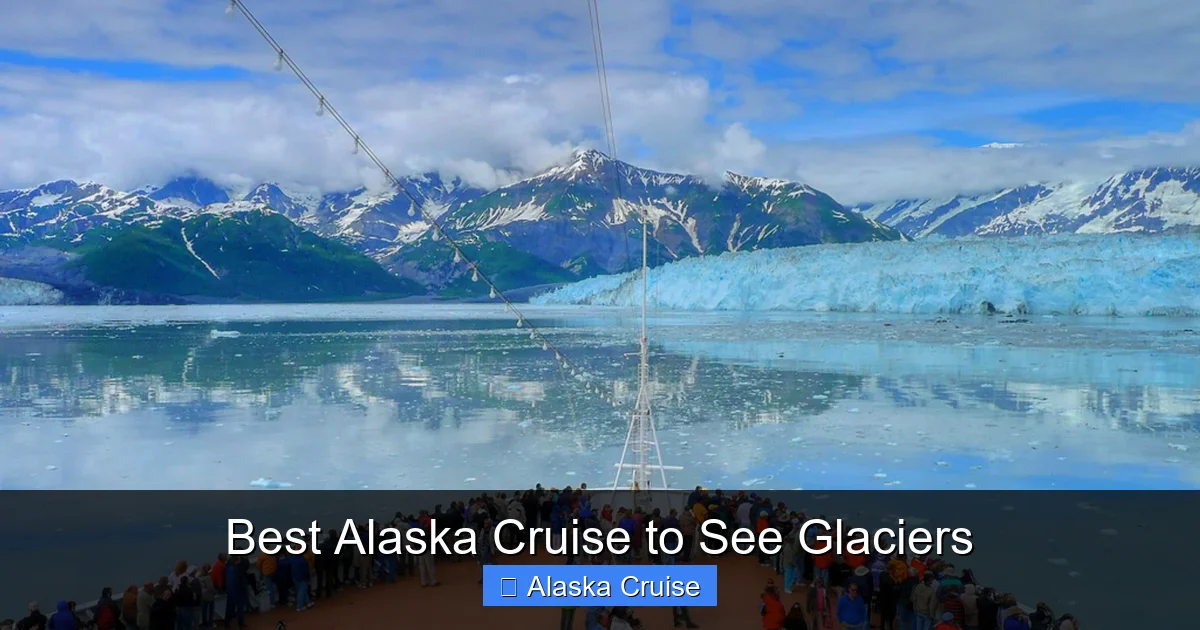
Choosing the best Alaska cruise to see glaciers means picking a route that maximizes glacier viewing while offering comfort and expert guidance. From Glacier Bay to Hubbard Glacier, the right itinerary ensures you witness towering ice walls, calving events, and wildlife—all from the deck of a well-equipped ship.
Key Takeaways
- Glacier Bay National Park is a must-visit: This UNESCO World Heritage Site offers some of the most accessible and dramatic glacier views in Alaska, with ranger-led commentary enhancing the experience.
- Hubbard Glacier is the largest in North America: At over 7 miles wide and 700 feet tall, it’s a highlight on many cruise itineraries and often features loud calving events.
- Inside Passage routes offer consistent glacier access: Cruises through the Inside Passage, like those departing from Seattle or Vancouver, provide calm waters and frequent stops near active glaciers.
- Smaller ships get closer to ice: Ships under 200 passengers, like those from UnCruise or Lindblad Expeditions, can navigate narrower fjords and anchor nearer to glaciers for better views.
- Timing matters—May to September is ideal: Summer months offer longer days, milder weather, and peak glacier activity, though early season (May–June) has fewer crowds.
- Expert naturalists enhance the experience: Look for cruise lines with onboard naturalists or park rangers who provide educational insights about glaciers, wildlife, and climate change.
- Book early for best cabin selection and deals: Popular glacier-viewing cruices fill quickly, especially for balcony staterooms with unobstructed ocean views.
📑 Table of Contents
Why an Alaska Cruise Is the Ultimate Way to See Glaciers
There’s something profoundly humbling about standing on the deck of a ship, binoculars in hand, as a wall of ancient ice rises from the sea. The deep blue hues, the crisp air, the occasional thunderous crack as a chunk breaks off—this is glacier viewing at its most dramatic. And in Alaska, you don’t just see glaciers from a distance. You get up close, often so near you can hear the ice groan and feel the chill radiating from its surface.
An Alaska cruise offers a unique blend of comfort, accessibility, and awe-inspiring scenery. Unlike overland tours that require long drives or flights to remote areas, a cruise lets you glide through pristine fjords and national parks with your cabin, dining, and entertainment all in one place. You wake up each morning to a new landscape—misty mountains, towering spires of ice, and pods of whales breaching in the distance. It’s not just a vacation; it’s a front-row seat to one of nature’s greatest shows.
But not all Alaska cruises are created equal when it comes to glacier viewing. Some routes spend more time in port cities like Juneau or Ketchikan, while others prioritize time in icy waters. The best Alaska cruise to see glaciers balances both—offering scenic cruising through glacier-rich areas while still allowing time to explore charming coastal towns. Whether you’re a first-time cruiser or a seasoned traveler, choosing the right itinerary can make the difference between a good trip and an unforgettable one.
Top Glacier Destinations on an Alaska Cruise
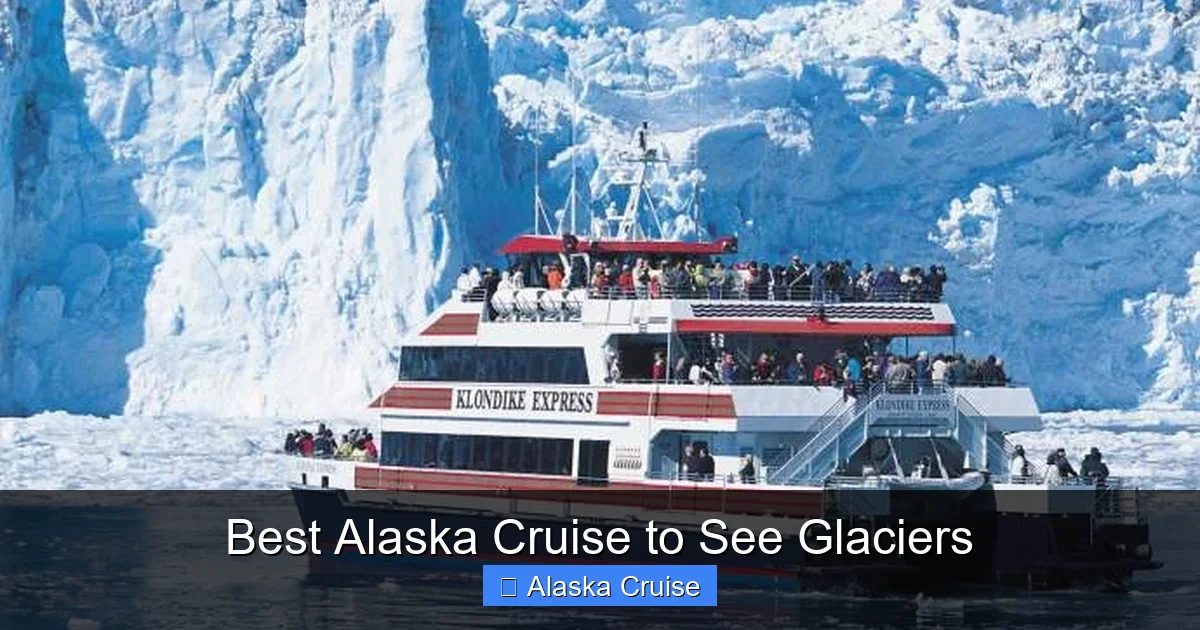
Visual guide about Best Alaska Cruise to See Glaciers
Image source: uploads.alaska.org
Alaska is home to over 100,000 glaciers, but only a handful are accessible by cruise ships. The most famous—and most frequently visited—are concentrated in the southeastern part of the state, particularly along the Inside Passage and in protected national parks. Here are the top glacier destinations you’ll want to see on your cruise.
Glacier Bay National Park
No list of Alaska’s best glacier spots is complete without Glacier Bay. This 3.3-million-acre UNESCO World Heritage Site is a crown jewel of the national park system and a mandatory stop on most major cruise itineraries. The park is home to over a dozen active tidewater glaciers, including the massive Margerie and Lamplugh Glaciers.
What makes Glacier Bay special isn’t just the number of glaciers—it’s the experience. Ships enter the park slowly, often pausing for hours as they wind through narrow channels flanked by steep cliffs and icy spires. A National Park Service ranger boards the ship upon entry, offering live commentary about the geology, wildlife, and history of the area. You’ll learn how glaciers form, why they’re retreating, and how the ecosystem has changed over centuries.
One of the most thrilling moments? Watching a glacier calve. That’s when a large section of ice breaks off and crashes into the water, sending up a wave and a cloud of mist. It’s loud, dramatic, and completely natural. While calving events are unpredictable, they happen frequently in Glacier Bay, especially during warmer months when the ice is more active.
Hubbard Glacier
If size matters, Hubbard Glacier delivers. At over 7 miles wide and rising up to 700 feet above the water, it’s the largest tidewater glacier in North America. Located near the border of Alaska and Canada, Hubbard Glacier is a highlight on many cruise routes, especially those that extend into the Gulf of Alaska.
Unlike some glaciers that retreat over time, Hubbard has been advancing for decades. In fact, it occasionally blocks Russell Fjord, creating a temporary lake that eventually bursts through the ice dam in a spectacular flood. This dynamic behavior makes it a fascinating subject for scientists and a thrilling sight for passengers.
Cruise ships typically approach Hubbard Glacier from the west, slowing to a crawl as they get within a mile or two of the face. The sheer scale is hard to grasp until you’re there—towering blue walls of ice, deep crevasses, and the constant sound of cracking and groaning. It’s not uncommon to see seals lounging on icebergs nearby or eagles soaring overhead.
Tracy Arm and Sawyer Glaciers
For a more intimate glacier experience, Tracy Arm is hard to beat. This narrow, fjord-like inlet near Juneau is often included on extended or small-ship itineraries. The journey into Tracy Arm takes you through a dramatic landscape of waterfalls, granite cliffs, and dense forest—before opening up to the twin Sawyer Glaciers at the end.
What sets Tracy Arm apart is its remoteness. Few large ships can navigate its tight passages, so you’re more likely to see it on a smaller vessel or a day cruise from Juneau. That means fewer crowds and a more immersive experience. The water is often mirror-calm, reflecting the glaciers like a painting.
The Sawyer Glaciers—North and South—are both active tidewater glaciers, frequently calving and sending icebergs floating down the fjord. Wildlife is abundant here too: black bears foraging along the shore, mountain goats on the cliffs, and humpback whales feeding in the deeper waters.
Mendenhall Glacier
While not typically viewed from a cruise ship, Mendenhall Glacier near Juneau is worth mentioning because many cruise passengers visit it on shore excursions. This 13-mile-long glacier is one of the most accessible in Alaska, with a visitor center, walking trails, and even a chance to walk on the ice (with a guide).
Seeing Mendenhall up close gives you a different perspective—literally. From the water, glaciers feel distant and monumental. On land, you can hear the drip of meltwater, feel the cool air, and even see the blue ice up close. It’s a great complement to the cruise experience, especially if your ship docks in Juneau for a full day.
Best Cruise Lines for Glacier Viewing
Not all cruise lines are equally equipped for glacier viewing. Some prioritize luxury and entertainment, while others focus on adventure and education. When choosing the best Alaska cruise to see glaciers, consider the ship size, itinerary, and onboard expertise.
Small Ships: Intimate and Immersive
If getting close to the ice is your top priority, consider a small-ship cruise. Lines like UnCruise Adventures, Lindblad Expeditions (in partnership with National Geographic), and Alaskan Dream Cruises operate vessels with fewer than 200 passengers. These ships can navigate narrow fjords, anchor closer to glaciers, and offer flexible itineraries that adapt to weather and wildlife sightings.
UnCruise, for example, specializes in adventure travel with a focus on nature and sustainability. Their ships include kayaking, hiking, and Zodiac excursions, giving you multiple ways to experience glaciers. Lindblad’s partnership with National Geographic means you’ll have expert photographers and naturalists on board, offering lectures and guided walks.
The trade-off? Smaller ships often have fewer amenities—no Broadway-style shows or multiple dining rooms. But for travelers seeking authenticity and access, the experience is unmatched.
Mid-Sized Ships: Balance of Comfort and Access
For many travelers, mid-sized ships offer the best of both worlds. Lines like Holland America, Princess Cruises, and Celebrity Cruises operate vessels with 1,000 to 2,000 passengers. These ships are large enough to provide stability in rough seas and offer a range of dining, entertainment, and cabin options, yet small enough to enter Glacier Bay and other protected areas.
Holland America, in particular, has a strong reputation for Alaska cruising. Their ships spend full days in Glacier Bay, often with extended scenic cruising. They also employ experienced naturalists and offer educational programs about glaciers and wildlife.
Princess Cruises is another top choice, especially for first-time cruisers. Their “North to Alaska” program includes enhanced shore excursions, local cuisine, and cultural performances. Their ships also feature glass-enclosed viewing areas and outdoor decks designed for glacier watching.
Luxury and Expedition Lines: Premium Experiences
For those willing to splurge, luxury lines like Seabourn, Silversea, and Regent Seven Seas offer ultra-premium Alaska cruises with all-inclusive pricing, spacious suites, and personalized service. These ships often include helicopter tours, private shore excursions, and gourmet dining with local ingredients.
Seabourn, for instance, offers a “Glaciers & Grizzlies” itinerary that combines glacier viewing with bear-watching excursions in places like Admiralty Island. Their ships are designed for comfort in cold climates, with heated outdoor decks and floor-to-ceiling windows.
While these cruises come at a higher price point, they deliver a level of service and exclusivity that’s hard to match. If you’re looking for a once-in-a-lifetime Alaska experience, a luxury cruise might be worth the investment.
Best Time to Cruise for Glacier Viewing
Timing is everything when it comes to seeing glaciers in Alaska. The cruise season runs from May to September, but each month offers a different experience.
May and Early June: Fewer Crowds, Active Ice
The early season is ideal for travelers who want to avoid crowds and don’t mind cooler weather. In May and early June, the days are long, the ice is still thick, and glaciers are highly active. Calving events are more frequent because the ice hasn’t been weakened by summer melt.
Wildlife is also abundant during this time. Bears are emerging from hibernation, migratory birds are arriving, and whales are starting to feed in the nutrient-rich waters. However, some shore excursions may be limited due to lingering snow or trail conditions.
July and August: Peak Season with Warm Weather
These are the most popular months for Alaska cruising, and for good reason. The weather is mild, the days are long (up to 18 hours of daylight in Juneau), and all ports and excursions are fully operational. This is also the best time for wildlife viewing—humpback whales, orcas, sea lions, and puffins are all commonly seen.
The downside? Crowds. Popular spots like Glacier Bay and Tracy Arm can feel busy, and balcony cabins book up fast. If you’re traveling during peak season, book at least 6–12 months in advance.
September: Fall Colors and Quieter Shores
Late summer offers a quieter, more reflective Alaska experience. The crowds thin out, the weather remains pleasant, and the landscape begins to change. Fall colors—especially in the temperate rainforests near Ketchikan and Haines—add a new dimension to the scenery.
Glaciers are still visible, though calving may be less frequent as the ice begins to stabilize. Wildlife is still active, and you might even spot moose or bald eagles. Some cruise lines offer special fall itineraries with themed excursions, like photography workshops or cultural tours.
What to Pack and What to Expect
Packing for an Alaska cruise isn’t like packing for a Caribbean getaway. The weather can change quickly, and glacier viewing often means standing on deck in chilly, windy conditions. Here’s what you need to know.
Layering Is Key
The golden rule for Alaska: dress in layers. Mornings and evenings on deck can be cold, even in summer, while indoor areas are often warm. A base layer (moisture-wicking fabric), insulating mid-layer (fleece or wool), and waterproof outer shell are essential.
Don’t forget a warm hat, gloves, and a scarf—even in July. Wind chill near glaciers can make it feel much colder than the actual temperature.
Footwear Matters
You’ll be doing a lot of walking—on the ship, in ports, and on excursions. Sturdy, waterproof shoes with good grip are a must. Hiking boots are ideal for shore excursions, while deck shoes or sneakers work for onboard use.
Bring the Right Gear
Binoculars are a must for spotting wildlife and getting a closer look at distant glaciers. A good camera with a zoom lens will help you capture calving events and ice formations. Don’t forget extra batteries—cold weather drains them quickly.
Sunglasses and sunscreen are also important. The sun reflects off the ice and water, increasing UV exposure. And yes, it can be sunny in Alaska—especially in July.
Expect Variable Weather
Alaska’s weather is famously unpredictable. It can be sunny one hour and rainy the next. Be prepared for rain, wind, and fog, especially in the Inside Passage. But don’t let that deter you—some of the most dramatic glacier views happen in moody, overcast light.
Tips for Maximizing Your Glacier Experience
Seeing glaciers is one thing. Making the most of the experience is another. Here are some insider tips to help you get the best views and create lasting memories.
Book a Balcony Cabin
If your budget allows, splurge on a balcony stateroom. There’s nothing like waking up to a view of a glacier outside your window or stepping out for a quiet moment as the ship glides through icy waters. Even if you’re not in your room often, the ability to see the scenery from private space is priceless.
Arrive Early on Deck
Glacier viewing times are often announced the night before. Arrive early to secure a good spot—preferably on the side of the ship facing the glacier. Bring a blanket or jacket, as you may be standing for an hour or more.
Listen to the Naturalists
Most cruise lines offer live commentary during scenic cruising. Pay attention—these experts can point out hidden details, explain glacier behavior, and share fascinating facts you’d never notice on your own.
Be Patient and Present
Glaciers don’t move quickly. The magic is in the stillness—the slow drift of icebergs, the distant rumble of calving, the way the light changes on the ice. Put your phone down, breathe in the crisp air, and let the moment sink in.
Take a Shore Excursion
While the ship offers incredible views, getting off the boat can deepen your experience. Consider a glacier walk, kayaking tour, or flightseeing trip. A helicopter ride over the Juneau Icefield, for example, gives you a bird’s-eye view of glaciers you can’t see from sea level.
Conclusion
Choosing the best Alaska cruise to see glaciers is about more than just picking a route—it’s about finding an experience that matches your travel style, budget, and sense of adventure. Whether you’re on a luxurious mega-ship or a nimble expedition vessel, the sight of a glacier calving into the sea is a moment you’ll never forget.
From the towering walls of Hubbard Glacier to the serene beauty of Tracy Arm, Alaska’s icy wonders are best appreciated from the water. With the right cruise line, timing, and preparation, you can witness these ancient giants up close—and come away with a deeper appreciation for the power and fragility of our natural world.
So pack your layers, charge your camera, and get ready to sail into one of the most breathtaking landscapes on Earth. The glaciers are waiting.
Frequently Asked Questions
Which Alaska cruise line is best for seeing glaciers?
Holland America, Princess Cruises, and UnCruise Adventures are among the top choices for glacier viewing. Holland America and Princess offer full days in Glacier Bay with expert commentary, while UnCruise provides intimate, adventure-focused experiences on smaller ships that get closer to the ice.
Can you see glaciers on all Alaska cruises?
Most major Alaska cruises include at least one glacier destination, such as Glacier Bay or Hubbard Glacier. However, itineraries vary—some focus more on port cities, while others prioritize scenic cruising. Check the route details to ensure glacier viewing is a highlight.
What is the best month to see glaciers in Alaska?
May to September is the cruise season, with July and August offering the best weather and wildlife. Early season (May–June) has more active calving, while September offers fewer crowds and fall colors. All months provide excellent glacier viewing opportunities.
Do you need binoculars to see glaciers on a cruise?
Binoculars aren’t required, but they enhance the experience. They help you spot wildlife, see details on distant ice walls, and observe calving events more clearly. A compact pair is ideal for deck use.
Are glaciers shrinking? Will they still be there in 10 years?
Yes, many Alaskan glaciers are retreating due to climate change. While they won’t disappear soon, their size and accessibility may change. Seeing them now offers a chance to witness these natural wonders before they evolve further.
Can you walk on a glacier during an Alaska cruise?
Most cruise ships don’t allow passengers to walk on glaciers directly. However, many offer guided shore excursions—like those in Juneau or Skagway—where you can hike on glaciers with professional guides and proper equipment.