An Alaska cruise offers unforgettable views of glaciers, wildlife, and rugged coastlines. From Juneau to Glacier Bay, these top destinations promise adventure and natural beauty at every turn.
Key Takeaways
- Glacier Bay National Park: A UNESCO World Heritage Site with massive tidewater glaciers and abundant marine wildlife.
- Juneau: Alaska’s capital, accessible only by air or sea, offering whale watching, hiking, and gold rush history.
- Ketchikan: Known as the “Salmon Capital of the World,” it’s rich in Native culture and rainforest adventures.
- Skagway: A historic gold rush town with scenic train rides and access to the Klondike Highway.
- Hubbard Glacier: One of the largest glaciers in North America, often calving icebergs into the sea.
- Inside Passage: A stunning waterway filled with fjords, waterfalls, and wildlife like bears and eagles.
- Wildlife Viewing: Spot humpback whales, orcas, sea lions, bears, and puffins in their natural habitat.
Introduction to Alaska Cruises
Imagine sailing through icy waters surrounded by towering snow-capped mountains, watching a glacier calve icebergs into the sea, or spotting a humpback whale breach just feet from your ship. This is the magic of an Alaska cruise—a journey through one of the last true wildernesses on Earth. Whether you’re a nature lover, adventure seeker, or just looking to unwind in stunning scenery, an Alaska cruise delivers an experience unlike any other.
Unlike typical beach vacations, Alaska cruises focus on exploration and discovery. Most itineraries follow the Inside Passage, a network of coastal waterways that wind through lush rainforests, past remote islands, and alongside dramatic fjords. Ships typically stop at key ports like Juneau, Ketchikan, and Skagway, while also offering scenic cruising through national parks and glacier-rich regions. With wildlife around every bend and landscapes that seem almost too beautiful to be real, it’s no wonder Alaska is a bucket-list destination for travelers worldwide.
Glacier Bay National Park: A Natural Wonder
One of the crown jewels of any Alaska cruise is Glacier Bay National Park. This UNESCO World Heritage Site spans over 3.3 million acres and is home to some of the most active and accessible glaciers in North America. As your ship glides through the bay, you’ll be surrounded by sheer cliffs, icy waters, and the constant sound of cracking ice—nature’s own symphony.
What Makes Glacier Bay Special?
Glacier Bay is unique because it’s one of the few places where you can witness glacial retreat in real time. Over the past 200 years, the bay has transformed from a solid wall of ice to a sprawling marine sanctuary filled with icebergs and marine life. The park is home to over a dozen tidewater glaciers, including the famous Margerie and Lamplugh Glaciers, which regularly calve massive chunks of ice into the water.
Wildlife Encounters in Glacier Bay
Beyond the glaciers, Glacier Bay is a hotspot for wildlife. Keep your binoculars handy for sightings of humpback whales feeding near the surface, sea otters floating on their backs, and harbor seals lounging on ice floes. On land, brown bears forage along the shoreline, while bald eagles soar above the treetops. Rangers from the National Park Service often come aboard during the scenic cruise to share insights and answer questions, making the experience both educational and awe-inspiring.
Tips for Enjoying Glacier Bay
- Dress in layers—temperatures can drop quickly near the ice.
- Bring a high-quality camera with a zoom lens for capturing distant glaciers and wildlife.
- Stay on deck during the scenic cruise; the views change every minute.
- Listen for the “white thunder”—the sound of ice calving into the water.
Juneau: Alaska’s Remote Capital
Juneau, the capital of Alaska, is a city like no other. It’s the only U.S. state capital that can’t be reached by road—only by air or sea. This isolation has preserved its wild charm, making it a must-visit stop on any Alaska cruise. Nestled between the Gastineau Channel and towering mountains, Juneau blends urban amenities with untamed nature.
Whale Watching in Juneau
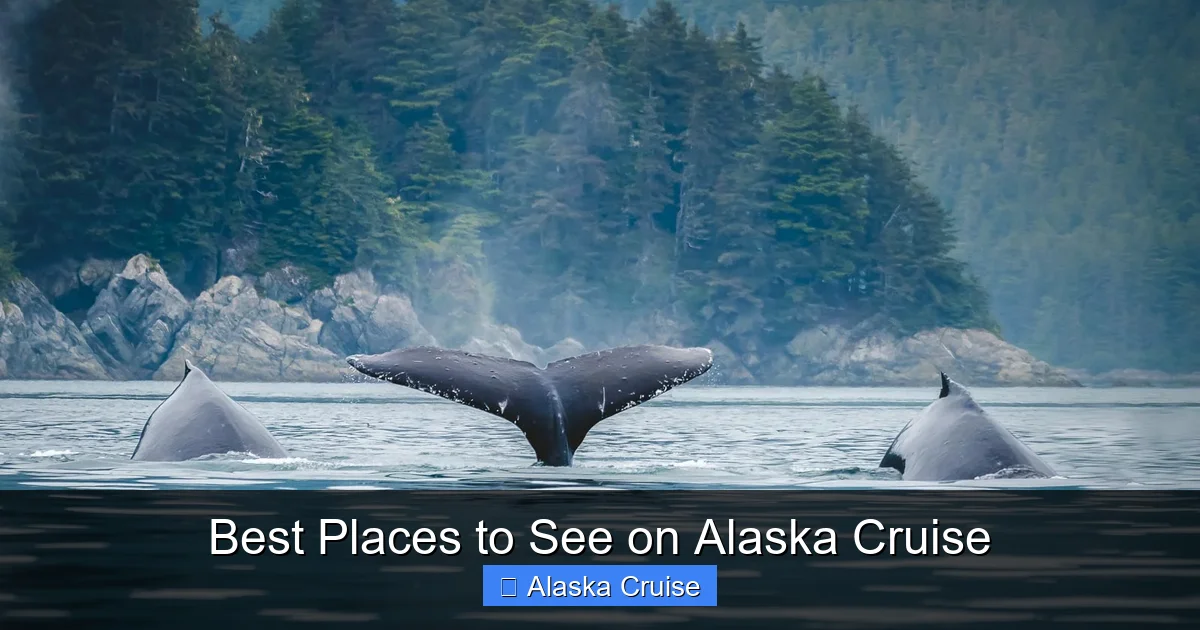
One of the top reasons travelers love Juneau is the chance to see whales up close. Humpback whales are especially common in summer, migrating to Alaskan waters to feed on krill and small fish. Many cruise lines offer whale-watching excursions that take you into the channel, where you might see these gentle giants breach, slap their tails, or even swim alongside the boat. Some tours even include hydrophones so you can hear the whales’ haunting songs beneath the surface.
Mendenhall Glacier: A Short Drive from Town
Just 12 miles from downtown Juneau lies the Mendenhall Glacier, a 13-mile-long river of ice that flows from the Juneau Icefield. Visitors can walk along well-maintained trails to viewing platforms that offer stunning perspectives of the glacier and its meltwater lake. The nearby Nugget Falls adds to the drama, cascading down a rocky cliff beside the glacier. For a more adventurous experience, consider a guided glacier hike or kayaking tour on Mendenhall Lake.
Gold Rush History and Local Culture
Juneau’s roots run deep in the gold rush era. The city was founded in 1880 after prospectors discovered gold in the area. Today, you can explore historic sites like the Last Chance Mining Museum and the Alaska State Capitol building, which still retains much of its early 20th-century charm. Don’t miss a visit to the Juneau-Douglas City Museum or a stroll through the downtown area, where local artisans sell handmade jewelry, totem poles, and native crafts.
Practical Tips for Visiting Juneau
- Book excursions in advance—popular tours like whale watching fill up quickly.
- Wear waterproof shoes; Juneau is one of the rainiest cities in Alaska.
- Try local seafood—especially king crab and fresh salmon.
- If you have time, take the Mount Roberts Tramway for panoramic views of the city and surrounding wilderness.
Ketchikan: The Salmon Capital of the World
Known as the “Salmon Capital of the World,” Ketchikan is a vibrant port town perched on the edge of the Tongass National Forest—the largest national forest in the United States. With its colorful buildings, totem poles, and lush rainforest backdrop, Ketchikan offers a perfect blend of culture, history, and outdoor adventure.
Native Culture and Totem Pole Parks
Ketchikan is deeply connected to the Tlingit, Haida, and Tsimshian peoples, and their cultural heritage is celebrated throughout the town. The Totem Bight State Historical Park features over 20 restored totem poles and a traditional clan house, offering insight into Native Alaskan art and storytelling. Another must-visit is the Saxman Native Village, where you can watch master carvers at work and even participate in a cultural dance performance.
Rainforest Adventures and Wildlife
The surrounding rainforest is teeming with life. Guided nature walks take you through moss-covered trees, past rushing streams, and to hidden waterfalls. Keep an eye out for bald eagles, black bears, and Sitka deer. For a more thrilling experience, try a zipline tour through the canopy or a kayaking trip into the Misty Fjords National Monument, a dramatic landscape of sheer cliffs and cascading waterfalls.
Fishing and Seafood Experiences
As the salmon capital, Ketchikan is the perfect place to experience Alaska’s fishing culture. Many visitors take part in fishing charters, trying their hand at catching king, silver, or pink salmon. Even if you’re not fishing, you can sample fresh seafood at local restaurants—grilled salmon, crab cakes, and fish tacos are all popular choices. Don’t leave without trying a “fish bomb” at a local fish house, where you can watch salmon being cleaned and processed right on the dock.
Tips for Exploring Ketchikan
- Visit the Creek Street boardwalk—a historic red-light district turned tourist hotspot.
- Take a floatplane tour for aerial views of the fjords and islands.
- Shop for authentic Native art, but be sure to buy from certified dealers.
- Check the tide schedule—some trails and attractions are only accessible at low tide.
Skagway: Gateway to the Klondike
Step back in time in Skagway, a town frozen in the gold rush era. With its wooden boardwalks, false-front buildings, and saloon-style bars, Skagway feels like a scene from an old Western movie. But beneath the nostalgic charm lies a town rich in history and adventure.
The White Pass and Yukon Route Railway
One of the most iconic experiences in Skagway is riding the White Pass and Yukon Route Railway. Known as the “Gateway to the Klondike,” this narrow-gauge railroad was built in 1898 during the gold rush to transport prospectors and supplies over the coastal mountains. The train climbs nearly 3,000 feet in just 20 miles, passing through tunnels, over trestles, and alongside rushing waterfalls. The views of the surrounding peaks and valleys are nothing short of breathtaking.
Gold Rush History and Museums
Skagway was once a bustling hub for gold seekers heading to the Klondike. Today, the Skagway Museum and the historic district preserve that legacy. Visit the Moore House, home of one of the town’s founders, or explore the Red Onion Saloon, a former brothel turned museum. Daily performances of the musical “The Days of ’98 Show” bring the gold rush era to life with humor and drama.
Outdoor Adventures in Skagway
For those who love the outdoors, Skagway offers endless opportunities for exploration. Hike the Chilkoot Trail, the same route used by gold prospectors over a century ago. Or take a guided ATV tour through the backcountry, crossing rivers and climbing mountain trails. In winter, the area transforms into a snowy wonderland perfect for dog sledding and snowmobiling.
Practical Advice for Skagway
- Wear sturdy shoes—many attractions involve walking on uneven terrain.
- Bring a jacket; weather can change quickly in the mountains.
- Try the local sourdough pancakes—a gold rush tradition.
- If you’re short on time, the railway and a walking tour of the historic district can be done in half a day.
Hubbard Glacier: A Majestic Ice Giant
No Alaska cruise is complete without a visit to Hubbard Glacier, one of the largest and most active glaciers in North America. Located near the border of Alaska and Canada, this massive river of ice stretches over 70 miles long and rises up to 300 feet above the waterline. When your ship approaches, you’ll be awed by its sheer size and power.
Witnessing a Glacier Calve
One of the most thrilling moments on an Alaska cruise is watching a glacier calve—when a massive chunk of ice breaks off and crashes into the sea. Hubbard Glacier is especially known for this phenomenon, and the sound of the ice hitting the water can be heard from miles away. These events are unpredictable, but your crew will alert passengers when one is happening, so keep your camera ready.
Wildlife Around the Glacier
The waters around Hubbard Glacier are rich in nutrients, attracting a variety of marine life. Look for harbor seals resting on icebergs, sea lions basking on rocky outcrops, and pods of orcas hunting nearby. In the summer, humpback whales often feed in the area, making it a prime spot for whale watching.
Tips for Viewing Hubbard Glacier
- Stay on the open decks—views are best from the sides and bow of the ship.
- Bring binoculars to see details on the glacier face.
- Dress warmly; the temperature drops significantly near the ice.
- Be patient—glacier calving can happen at any time, so enjoy the scenery while you wait.
The Inside Passage: A Scenic Masterpiece
The Inside Passage is the backbone of most Alaska cruise itineraries. This 1,000-mile waterway winds through a maze of islands, fjords, and coastal mountains, offering some of the most stunning scenery in the world. As your ship navigates the narrow channels, you’ll pass by waterfalls cascading from cliffs, old-growth forests, and remote villages accessible only by boat or plane.
Wildlife Along the Passage
The Inside Passage is a wildlife corridor, home to an incredible diversity of animals. Keep an eye out for black bears foraging along the shore, bald eagles perched in tall trees, and porpoises playing in the ship’s wake. In the water, you might spot sea otters, harbor seals, and even the occasional minke whale. Many cruise lines offer naturalist-led commentary during scenic cruising, helping you identify what you’re seeing.
Remote Communities and Cultural Stops
Along the way, your ship may stop at small communities like Haines, Wrangell, or Petersburg. These towns offer a glimpse into life in rural Alaska, where fishing, logging, and tourism are the main industries. Visit local museums, attend a cultural performance, or shop for handmade crafts. Each community has its own unique character and history, adding depth to your cruise experience.
Best Time to Cruise the Inside Passage
The Alaska cruise season runs from May to September, with peak months in June, July, and August. Summer offers the longest days, mildest weather, and the best chance to see wildlife. However, early or late season cruises can be less crowded and offer unique experiences, like seeing spring blooms or fall colors in the rainforest.
Conclusion: Why an Alaska Cruise is Unforgettable
An Alaska cruise is more than just a vacation—it’s a journey into the heart of the wild. From the thunderous calving of glaciers to the quiet beauty of a misty fjord, every moment feels like a scene from a nature documentary. The combination of dramatic landscapes, abundant wildlife, and rich cultural history makes Alaska a destination that stays with you long after you’ve returned home.
Whether you’re marveling at the scale of Glacier Bay, hiking through the rainforest in Ketchikan, or riding a historic train in Skagway, the best places to see on an Alaska cruise offer something for everyone. With careful planning and a sense of adventure, your Alaska cruise can be the trip of a lifetime—one filled with wonder, discovery, and memories that will last forever.
FAQs
What is the best time of year to take an Alaska cruise?
The best time for an Alaska cruise is from late May to early September. Summer months offer the warmest weather, longest daylight hours, and peak wildlife activity, including whale migrations and bear sightings.
Do I need to book excursions in advance?
Yes, popular excursions like whale watching, glacier hikes, and train rides often sell out quickly. Booking in advance ensures you get a spot and can help you save money with early-bird discounts.
What should I pack for an Alaska cruise?
Pack layers, including a waterproof jacket, warm fleece, and sturdy walking shoes. Don’t forget binoculars, a camera, sunscreen, and motion sickness remedies. Even in summer, temperatures can be cool, especially near glaciers.
Can I see the Northern Lights on an Alaska cruise?
It’s unlikely during the summer cruise season due to nearly 24-hour daylight. However, some extended itineraries in early spring or late fall may offer a chance to see the aurora borealis.
Are Alaska cruises family-friendly?
Yes, many cruise lines offer family-friendly activities, kids’ clubs, and educational programs. Shore excursions can be tailored for all ages, making it a great destination for multi-generational trips.
How long is a typical Alaska cruise?
Most Alaska cruises last 7 to 10 days, with itineraries covering the Inside Passage and key ports like Juneau, Ketchikan, and Skagway. Longer cruises may include stops in British Columbia or the Gulf of Alaska.
This is a comprehensive guide about best places to see on alaska cruise.
Key Takeaways
- Understanding best places to see on alaska cruise: Provides essential knowledge
Frequently Asked Questions
What is best places to see on alaska cruise?
best places to see on alaska cruise is an important topic with many practical applications.