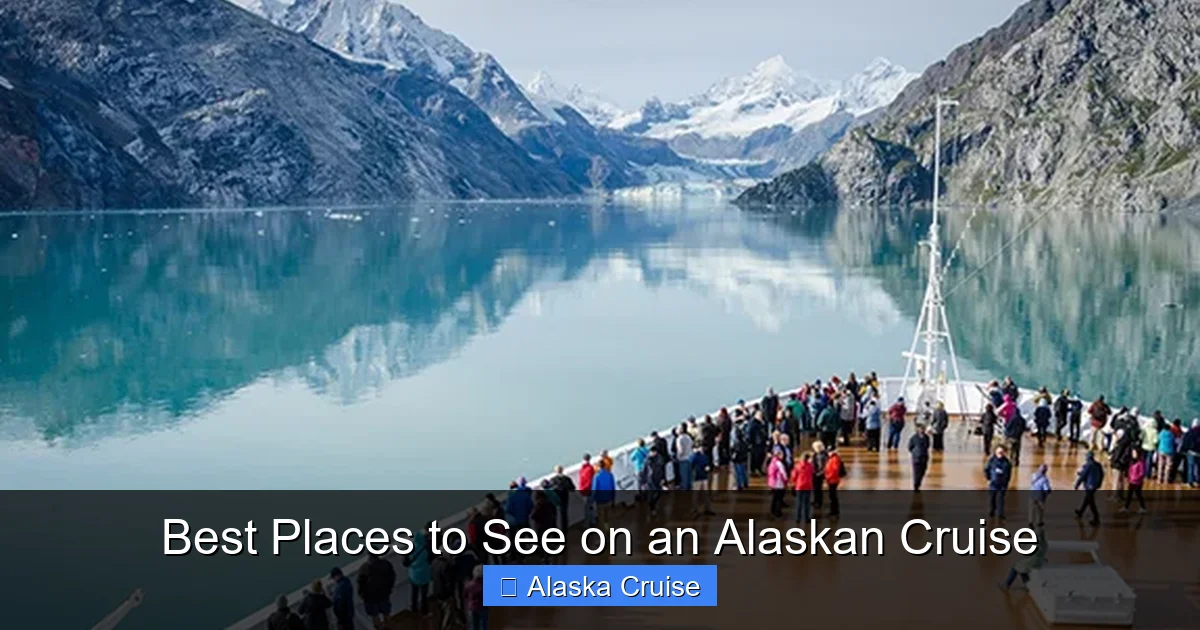
An Alaskan cruise offers some of the most breathtaking natural scenery on Earth, from towering glaciers to bustling wildlife. Whether you’re exploring Glacier Bay, spotting whales near Ketchikan, or wandering the charming streets of Juneau, every port delivers unforgettable experiences.
Key Takeaways
- Glacier Bay National Park: A UNESCO World Heritage Site with massive tidewater glaciers and abundant marine wildlife.
- Juneau: Alaska’s capital city, accessible only by boat or plane, offering glacier hikes, whale watching, and gold rush history.
- Ketchikan: Known as the “Salmon Capital of the World,” it’s rich in Native Alaskan culture and lush rainforest scenery.
- Skagway: A historic gold rush town with scenic train rides and access to the Klondike Highway.
- Hubbard Glacier: One of the largest glaciers in North America, often calving icebergs right in front of your eyes.
- Wildlife Encounters: Expect to see whales, bears, eagles, sea lions, and more in their natural habitats.
- Scenic Cruising: The journey between ports—through fjords, narrow channels, and icy waters—is just as spectacular as the destinations.
Introduction: Why an Alaskan Cruise is a Once-in-a-Lifetime Adventure
Imagine sailing through icy fjords where glaciers calve into the sea with thunderous cracks. Picture bald eagles soaring above emerald forests, and humpback whales breaching just off the ship’s bow. This is Alaska—a land of raw beauty, dramatic landscapes, and untamed wilderness. An Alaskan cruise isn’t just a vacation; it’s a journey into one of the last truly wild places on Earth.
Unlike traditional beach getaways, an Alaskan cruise immerses you in nature’s grandeur. You’ll glide past snow-capped mountains, dense temperate rainforests, and remote coastal villages where time seems to stand still. Each day brings a new port of call, each with its own unique charm and adventure. Whether you’re a nature lover, history buff, or simply seeking awe-inspiring views, Alaska delivers in spades.
Glacier Bay National Park: A Living Laboratory of Ice and Wildlife
No Alaskan cruise is complete without a visit to Glacier Bay National Park, a UNESCO World Heritage Site and one of the most pristine wilderness areas in the world. Spanning over 3.3 million acres, this park is a dynamic landscape shaped by glaciers, tides, and time. As your ship navigates the narrow, icy waters, you’ll witness the raw power of nature in action.
Witnessing Glacier Calving
One of the most thrilling experiences in Glacier Bay is watching a glacier calve—when massive chunks of ice break off and crash into the sea. The sound is like a thunderclap, echoing across the fjord. Hubbard Glacier and Margerie Glacier are particularly active, often sending house-sized icebergs tumbling into the water. Bring a jacket and your camera—you’ll want to capture this dramatic moment.
Wildlife Spotting in the Wild
Glacier Bay is teeming with wildlife. Keep your binoculars handy for sightings of harbor seals lounging on ice floes, sea otters floating on their backs, and Steller sea lions basking on rocky shores. Birdwatchers will delight in spotting puffins, cormorants, and the iconic bald eagle. On rare occasions, you might even see a black bear or moose along the shoreline.
Guided Ranger Programs
National Park Service rangers often come aboard select cruise ships to provide educational talks and guided commentary. These experts share fascinating insights about the park’s geology, ecology, and conservation efforts. Their presence enhances the experience, helping you understand the delicate balance of this icy ecosystem.
Tips for Visiting Glacier Bay
- Arrive early in the morning for the calmest waters and best light for photography.
- Dress in layers—temperatures can drop quickly near the glaciers.
- Stay on deck as much as possible; the views change every minute.
- Respect wildlife by maintaining a safe distance and following park guidelines.
Juneau: Alaska’s Capital with a Wild Heart
Juneau, Alaska’s capital city, is a unique blend of urban charm and untamed wilderness. Unlike any other state capital in the U.S., Juneau is accessible only by boat or plane—no roads connect it to the rest of Alaska. This isolation has preserved its rugged character, making it a must-see stop on any Alaskan cruise.
Mendenhall Glacier: A Glacial Wonder Just Minutes from Town
One of Juneau’s crown jewels is the Mendenhall Glacier, a 13-mile-long river of ice located just 12 miles from downtown. Visitors can walk along well-maintained trails that lead to viewing platforms overlooking the glacier and its meltwater lake. The Nugget Falls trail offers a stunning vantage point where you can see the glacier, a cascading waterfall, and the surrounding rainforest in one breathtaking scene.
Whale Watching in Auke Bay
Juneau is one of the best places in Alaska to see humpback whales. Auke Bay, just a short boat ride from the cruise port, is a hotspot for whale activity, especially during the summer months. Many tour operators offer 2-3 hour whale-watching excursions where you can see these majestic creatures feeding, breaching, and slapping their tails. Some tours even include a stop at a sea lion rookery.
Gold Rush History and Cultural Sites
Juneau’s history is deeply tied to the gold rush era. Visit the Alaska State Museum to learn about the region’s indigenous cultures, mining history, and natural wonders. The Last Chance Mining Museum offers a glimpse into the lives of 19th-century prospectors, with original equipment and artifacts on display. Don’t miss the historic downtown area, where wooden boardwalks and old saloons tell stories of a bygone era.
Outdoor Adventures for Every Level
For the adventurous, Juneau offers everything from helicopter glacier landings to zip-lining through the rainforest. The Juneau Icefield flightseeing tour lets you soar over glaciers and snowfields, landing on the ice for a once-in-a-lifetime photo op. If you prefer something more grounded, try kayaking in Stephens Passage or hiking the Perseverance Trail, which leads to scenic views of the city and surrounding mountains.
Tips for Exploring Juneau
- Book whale-watching tours in advance—they fill up quickly.
- Wear waterproof footwear; trails can be muddy and slippery.
- Try local seafood—Juneau is known for its fresh salmon and Dungeness crab.
- Visit the downtown farmers market on Saturdays for local crafts and food.
Ketchikan: The Salmon Capital of the World
Ketchikan, known as the “Salmon Capital of the World,” is a vibrant port town nestled between lush rainforest and the Tongass National Forest—the largest national forest in the United States. With its colorful totem poles, historic boardwalks, and abundant wildlife, Ketchikan offers a rich cultural and natural experience.
Totem Pole Parks and Native Alaskan Culture
Ketchikan is home to some of the finest collections of totem poles in Alaska. The Totem Heritage Center features original 19th-century totems rescued from abandoned villages, while Totem Bight State Historical Park showcases beautifully carved poles in a scenic coastal setting. These totems tell stories of clans, legends, and spiritual beliefs, offering a window into the rich heritage of the Tlingit, Haida, and Tsimshian peoples.
Rainforest Adventures and Wildlife Viewing
The surrounding rainforest is a haven for outdoor enthusiasts. Take a guided nature walk to learn about the unique ecosystem, including towering spruce and cedar trees, moss-covered ground, and diverse plant life. Keep an eye out for black bears, deer, and a variety of birds. The Deer Mountain Trail offers a moderate hike with panoramic views of the town and surrounding islands.
Fishing and the Salmon Run
Ketchikan’s economy and culture revolve around salmon. During the summer months, all five species of Pacific salmon—king, sockeye, coho, pink, and chum—return to local rivers to spawn. You can witness this natural phenomenon at the Ketchikan Creek or join a fishing charter to try your hand at catching your own. Many local restaurants serve fresh-caught salmon, often grilled or smoked to perfection.
Creek Street and the Historic Red Light District
Creek Street, built over the water on stilts, is one of Ketchikan’s most iconic landmarks. Once a bustling red-light district during the fishing and logging boom, it now houses shops, galleries, and cafes. Walk along the wooden boardwalk, visit the Dolly’s House Museum (a preserved brothel), and enjoy the charming, quirky atmosphere.
Tips for Visiting Ketchikan
- Bring a rain jacket—Ketchikan is one of the rainiest cities in the U.S.
- Try the local specialty: smoked salmon jerky.
- Visit the Southeast Alaska Discovery Center for interactive exhibits on the region’s natural and cultural history.
- Take a floatplane tour for aerial views of the islands and glaciers.
Skagway: Gateway to the Klondike Gold Rush
Step back in time in Skagway, a historic gold rush town that retains its 1890s charm. With wooden sidewalks, false-front buildings, and costumed interpreters, Skagway feels like a living museum. But beyond the nostalgia lies a gateway to some of Alaska’s most dramatic landscapes.
The White Pass and Yukon Route Railway
One of Skagway’s top attractions is the White Pass and Yukon Route Railway, a narrow-gauge railroad built during the Klondike Gold Rush. The scenic train ride climbs over 2,800 feet through steep mountain passes, crossing the U.S.-Canada border and offering breathtaking views of waterfalls, glaciers, and rugged peaks. The journey takes about 2.5 hours each way and includes a stop at the historic town of Bennett Lake.
Gold Rush History and the Trail of ’98
Skagway was the starting point for thousands of prospectors heading to the Klondike gold fields. Visit the Klondike Gold Rush National Historical Park to learn about their perilous journey. The park includes restored buildings, exhibits, and ranger-led tours. Don’t miss the Days of ’98 Show, a lively theatrical performance that recreates the era’s drama and humor.
Hiking and Outdoor Adventures
For those who love the outdoors, Skagway offers excellent hiking opportunities. The Chilkoot Trail, used by gold seekers, is a challenging but rewarding trek through alpine terrain. For a shorter hike, try the Lower Dewey Lake Trail, which leads to a serene mountain lake with views of the surrounding peaks. Kayaking and rafting are also popular activities on the nearby rivers.
Tips for Exploring Skagway
- Book the White Pass train in advance—it’s a popular tour.
- Wear sturdy shoes for walking on uneven boardwalks and trails.
- Visit the Red Onion Saloon for a taste of gold rush-era nightlife.
- Check the cruise schedule—some ships offer extended stays for more exploration.
Hubbard Glacier: The Great Wall of Ice
Hubbard Glacier, one of the largest glaciers in North America, is a highlight of many Alaskan cruises. Stretching over 76 miles long and up to 7 miles wide, this massive river of ice is a sight to behold. As your ship approaches, you’ll be awed by its towering blue walls and the constant sound of ice cracking and shifting.
Calving Spectacles and Ice Formations
Hubbard Glacier is known for its dramatic calving events, where huge chunks of ice break off and crash into the sea. These events can create waves that rock the ship, so hold on tight! The glacier’s face is constantly changing, with new ice formations appearing daily. The deep blue color of the ice is caused by the compression of snow over centuries, which removes air bubbles and creates dense, crystalline ice.
Wildlife Along the Glacier
The waters around Hubbard Glacier are rich in marine life. Look for harbor seals resting on ice floes, sea otters floating on their backs, and seabirds diving for fish. On rare occasions, you might spot a black bear or wolf along the shoreline. The nutrient-rich meltwater from the glacier supports a thriving ecosystem, making it a prime spot for wildlife viewing.
Tips for Viewing Hubbard Glacier
- Stay on deck during approach—the best views are from the open ocean side.
- Bring binoculars to see details on the glacier’s face.
- Dress warmly—temperatures drop significantly near the ice.
- Be patient—calving events can happen at any time.
Conclusion: Embracing the Wild Beauty of Alaska
An Alaskan cruise is more than a trip—it’s an immersion into one of the planet’s last great wildernesses. From the icy grandeur of Glacier Bay to the historic charm of Skagway, each port offers a unique window into Alaska’s natural and cultural wonders. Whether you’re watching a glacier calve, spotting a whale breach, or hiking through a rainforest, the experiences are unforgettable.
What makes Alaska truly special is its sense of scale and solitude. Here, nature reigns supreme, and humans are merely visitors. The silence of the fjords, the vastness of the glaciers, and the abundance of wildlife remind us of the planet’s raw beauty and fragility. As you sail through these pristine waters, you’ll gain a deeper appreciation for the wild places that still exist—and the importance of protecting them for future generations.
So pack your bags, bring your sense of wonder, and set sail for Alaska. Whether you’re a first-time cruiser or a seasoned traveler, the best places to see on an Alaskan cruise will leave you speechless. This is adventure at its purest—untamed, unpredictable, and utterly breathtaking.
FAQS
What is the best time to take an Alaskan cruise?
The best time for an Alaskan cruise is from late May to early September. During these months, the weather is milder, wildlife is active, and daylight hours are long. Peak season is July and August, but June and September offer fewer crowds and lower prices.
Will I see whales on an Alaskan cruise?
Yes, whale sightings are common, especially in areas like Juneau, Icy Strait Point, and the Inside Passage. Humpback whales, orcas, and gray whales are frequently spotted, particularly during feeding season in the summer months.
Do I need to book shore excursions in advance?
It’s highly recommended, especially for popular tours like whale watching, glacier hikes, and train rides. These excursions often sell out quickly, so booking early ensures you get your top choices.
What should I pack for an Alaskan cruise?
Pack layers, including a waterproof jacket, warm fleece, gloves, and a hat. Waterproof footwear is essential for shore excursions. Don’t forget sunscreen, sunglasses, binoculars, and a camera with extra batteries.
Are Alaskan cruises suitable for families?
Yes, many cruise lines offer family-friendly activities, kids’ clubs, and educational programs. Shore excursions can be tailored to different ages, and the natural scenery appeals to all generations.
Can I see the Northern Lights on an Alaskan cruise?
The Northern Lights are rarely visible during the summer cruise season due to nearly 24-hour daylight. However, some extended itineraries in early September or spring may offer a chance to see them, especially in northern ports like Seward or Whittier.
This is a comprehensive guide about best places to see on an alaskan cruise.
Key Takeaways
- Understanding best places to see on an alaskan cruise: Provides essential knowledge
Frequently Asked Questions
What is best places to see on an alaskan cruise?
best places to see on an alaskan cruise is an important topic with many practical applications.