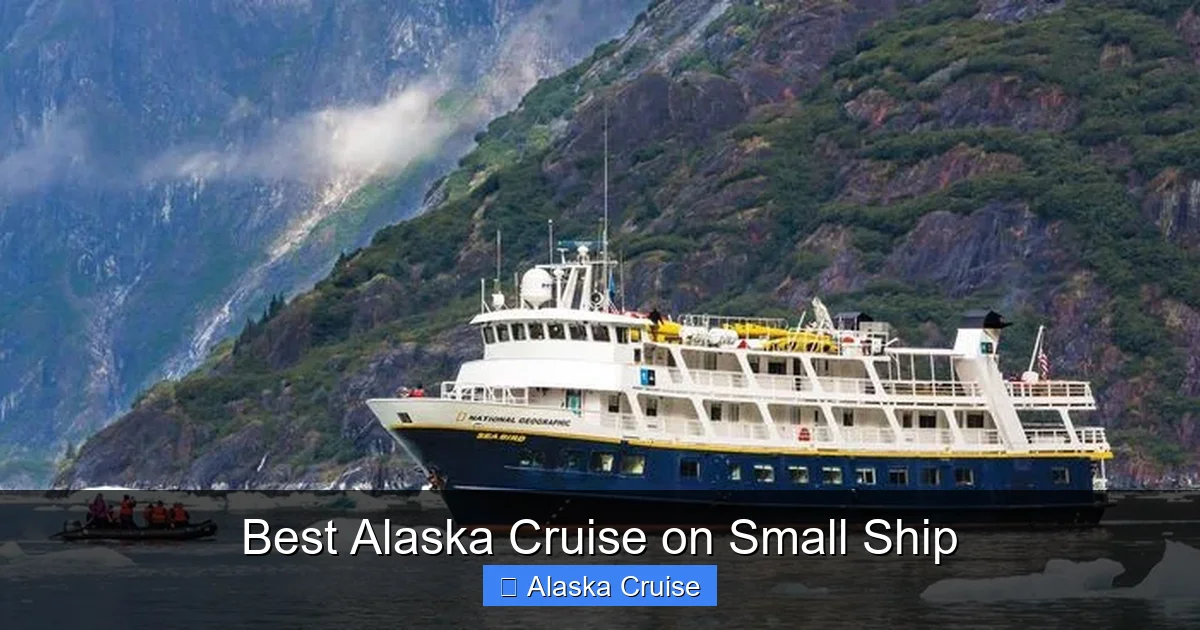
Looking for the ultimate Alaska cruise experience? Small ships offer unmatched access to remote fjords, abundant wildlife, and awe-inspiring glaciers—all with fewer crowds and more personalized service. From luxury expedition vessels to rugged adventure boats, these intimate cruises deliver unforgettable moments in America’s last frontier.
Dreaming of towering glaciers calving into icy waters, humpback whales breaching at sunrise, and bald eagles perched above old-growth forests? An Alaska cruise on a small ship might just be the most magical way to experience the Last Frontier. While massive cruise ships dominate headlines with their casinos and Broadway-style shows, savvy travelers are discovering that smaller vessels offer a far more immersive—and authentic—Alaskan adventure.
Small ships typically carry between 20 and 200 passengers, allowing them to slip into narrow inlets, anchor near wildlife hotspots, and visit ports too small for mega-liners. This means you’re not just seeing Alaska from a distance—you’re breathing its crisp air, hearing the crack of ice, and feeling the spray of a whale’s blowhole up close. Whether you’re a nature lover, photography enthusiast, or simply crave peace away from crowds, a small-ship Alaska cruise delivers intimacy, flexibility, and raw beauty in equal measure.
And don’t let “small” fool you—many of these vessels boast luxury amenities, gourmet cuisine, and expert-led excursions that rival (or exceed) those of larger ships. Think heated cabin floors, private balconies, and sommelier-curated wine pairings—all while gliding past glaciers that haven’t changed in millennia. Ready to trade buffet lines for Zodiac landings and Broadway shows for bear sightings? Let’s dive into what makes the best Alaska cruise on small ship truly extraordinary.
Key Takeaways
- Intimate Wildlife Encounters: Small ships can navigate narrow channels and anchor closer to shore, giving you front-row seats to whales, sea lions, bears, and eagles.
- Flexible Itineraries: With fewer passengers, captains can adjust routes based on weather, wildlife sightings, or spontaneous opportunities—something big cruise lines can’t match.
- Expert Naturalist Guides: Most small-ship Alaska cruises include onboard naturalists or marine biologists who provide daily lectures and guided shore excursions.
- Eco-Friendly Travel: Many small ships prioritize sustainability, using low-emission engines and supporting local conservation efforts.
- All-Inclusive Luxury Options: High-end small ships often include gourmet dining, open bars, Zodiac landings, and even helicopter tours—no hidden fees.
- Access to Remote Ports: Unlike large liners, small vessels can dock in lesser-known towns like Ketchikan, Wrangell, or Hoonah, offering authentic cultural experiences.
- Personalized Service: With passenger counts under 200 (often under 100), crew members remember your name, preferences, and even your favorite cocktail.
📑 Table of Contents
Why Choose a Small Ship for Your Alaska Cruise?
When most people picture an Alaska cruise, they imagine a floating city with thousands of passengers, endless dining options, and nonstop entertainment. But if your ideal vacation involves quiet mornings on deck with a thermos of coffee, spotting orcas from your private balcony, or kayaking through misty fjords at dawn, then a small ship is your golden ticket.
The biggest advantage? Access. Large cruise ships are limited to major ports like Juneau, Skagway, and Ketchikan—and even then, they often anchor offshore, requiring tenders to shuttle passengers back and forth. Small ships, by contrast, can dock right in town or anchor in protected bays near glaciers and wildlife reserves. This proximity means less time commuting and more time exploring.
Another game-changer is flexibility. Big ships follow rigid schedules set months in advance. If a pod of whales appears unexpectedly off the coast, they can’t reroute. But small-ship captains—often seasoned mariners with decades of Alaskan experience—can pivot instantly. “We spotted a mother brown bear and her cubs foraging along the shoreline near Glacier Bay,” recalls Sarah T., a recent passenger on a 100-passenger expedition vessel. “Our captain slowed the ship, turned off the engines, and let us watch in silence for nearly an hour. On a big ship, we’d have missed it entirely.”
Small ships also foster a sense of community. With fewer people onboard, you’ll quickly get to know fellow travelers, share stories over dinner, and even join impromptu stargazing sessions on the bow. Crew members become like extended family—they’ll remember your dietary restrictions, recommend the best hiking trail, and maybe even teach you how to tie a sailor’s knot.
The Intimacy Factor: Closer to Nature, Closer to Culture
One of the most underrated perks of small-ship cruising is the ability to connect deeply with both nature and local culture. In towns like Haines or Petersburg, where large ships rarely stop, you’ll meet fishermen, artists, and Indigenous elders who share their stories without the filter of mass tourism.
Many small ships partner with local guides for shore excursions—think Tlingit cultural tours in Sitka, dog sledding on a glacier with Iditarod mushers, or visiting a remote fish camp run by Alaska Natives. These experiences aren’t just photo ops; they’re meaningful exchanges that support local economies and preserve traditions.
And when it comes to wildlife, small ships have a distinct edge. Their quiet engines and shallow drafts allow them to approach animals without disturbance. Imagine drifting silently past a sea otter cradling a clam, or watching a pod of orcas glide beneath your Zodiac—all without the roar of a massive propeller drowning out the moment.
Top Small-Ship Cruise Lines for Alaska
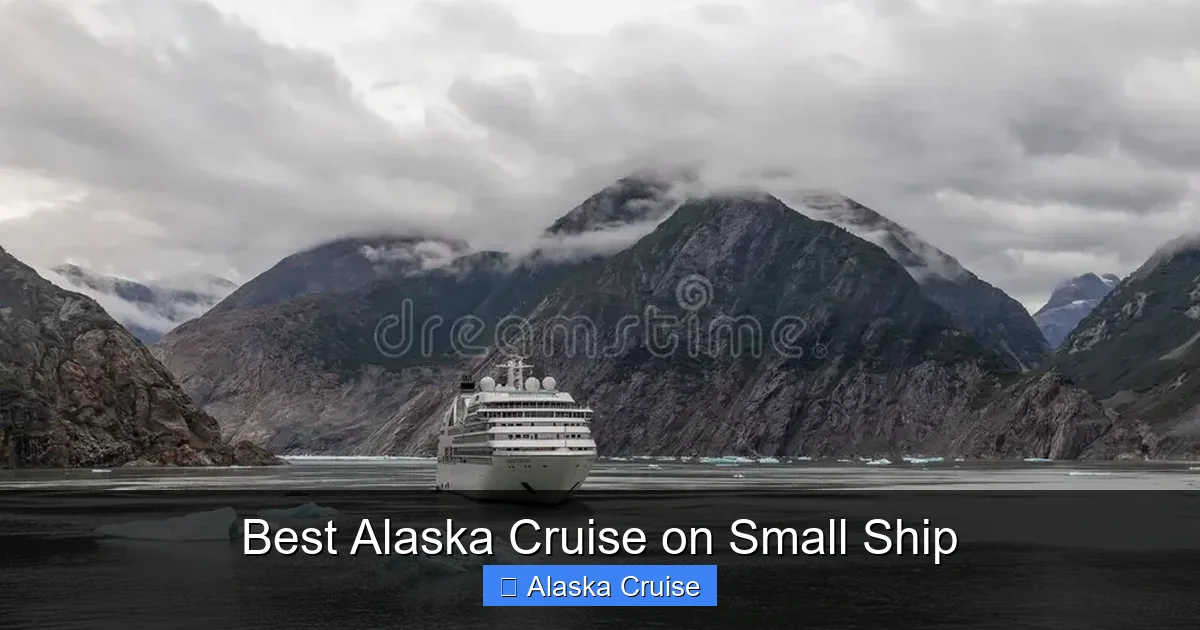
Visual guide about Best Alaska Cruise on Small Ship
Image source: thumbs.dreamstime.com
Not all small ships are created equal. Some focus on rugged adventure, while others lean into luxury. Here are five standout cruise lines that consistently deliver exceptional Alaska experiences on intimate vessels.
UnCruise Adventures
If adventure is your middle name, UnCruise is your match. With ships ranging from 22 to 86 passengers, this Washington-based operator specializes in active, immersive itineraries. Think kayaking among icebergs, hiking through temperate rainforests, and snorkeling in glacial waters (yes, really—they provide wetsuits!).
Their flagship vessel, the *Safari Quest*, carries just 22 guests and feels more like a private yacht than a cruise ship. All excursions are included, and the crew includes marine biologists who lead daily wildlife briefings. UnCruise also partners with local communities for authentic cultural exchanges—like joining a Tlingit family for a traditional smokehouse dinner.
Lindblad Expeditions – National Geographic
Backed by National Geographic’s legacy of exploration, Lindblad offers science-driven voyages with top-tier experts onboard. Their fleet includes the *National Geographic Quest* and *National Geographic Venture*, each carrying around 100 passengers.
What sets them apart? Cutting-edge technology like underwater cameras, hydrophones to listen to whale songs, and remotely operated vehicles (ROVs) that let you “dive” alongside marine life. Their naturalists are world-class—many hold PhDs—and they offer citizen science opportunities, like helping track humpback whale migrations.
Lindblad also emphasizes sustainability, with carbon-offset programs and partnerships with local conservation groups. Their itineraries often include remote areas like the Inside Passage, Glacier Bay National Park, and the rarely visited St. Lazaria Island, a seabird sanctuary.
American Queen Voyages (formerly Pearl Seas)
For travelers who want comfort without sacrificing adventure, American Queen Voyages blends classic elegance with Alaskan wilderness. Their 184-passenger ship, the *American Constellation*, features spacious suites, a full-service spa, and fine dining with regional specialties like king crab and wild salmon.
Unlike many small ships, AQV includes most beverages, gratuities, and shore excursions in their fares—making budgeting easy. They also offer unique add-ons like helicopter glacier landings and flightseeing tours over Denali. Their itineraries often start or end in Seattle, with stops in Victoria, Ketchikan, and Juneau.
Sea Wolf Expeditions
This family-owned operator runs two intimate vessels—the *Sea Wolf* and *Spirit of Glacier Bay*—each carrying just 12 passengers. If you’re seeking a truly off-the-grid experience, Sea Wolf is hard to beat.
Their trips focus on remote, untouched areas like the Tongass National Forest and the seldom-visited west side of Glacier Bay. Days are spent hiking, kayaking, and wildlife watching, with evenings around a campfire on a secluded beach. Meals are simple but delicious—think fresh-caught halibut grilled over an open flame.
Sea Wolf doesn’t offer room service or Wi-Fi, but that’s the point: it’s about disconnecting to reconnect—with nature, with fellow travelers, and with yourself.
Silversea Expeditions
For luxury seekers, Silversea delivers five-star service on compact ships like the *Silver Origin* (though primarily in Galápagos, they occasionally offer Alaska itineraries on sister vessels). Expect butler service, caviar on demand, and suites with panoramic windows.
Their Alaska cruises emphasize cultural immersion and gourmet experiences—like private tastings of Alaskan craft beer or exclusive access to Indigenous art exhibitions. While pricier than other options, Silversea’s all-inclusive model means no surprises: drinks, excursions, and even flights are covered.
What to Expect Onboard a Small Alaska Cruise
So, what does a typical day look like on one of these intimate voyages? It depends on the ship and itinerary, but most follow a rhythm that balances exploration, relaxation, and learning.
Mornings often begin with a wake-up call from the bridge: “Glacier ahead!” or “Whales off the starboard bow!” You’ll grab your binoculars and head to the deck, where hot cocoa or coffee is always available. After a hearty breakfast—think smoked salmon eggs benedict or blueberry pancakes with local honey—you’ll gear up for the day’s adventure.
Excursions vary widely. One day might involve a guided hike through moss-draped forests to a waterfall; the next, a Zodiac cruise among icebergs in Tracy Arm Fjord. Many ships offer multiple activity levels, so whether you prefer gentle walks or challenging climbs, there’s something for everyone.
Back onboard, lunch is usually a relaxed affair—perhaps a seafood chowder made with Dungeness crab or a salad topped with foraged fiddleheads. Afternoons might include a lecture from the onboard naturalist, a cooking demo featuring Alaskan ingredients, or simply lounging on the sun deck with a book.
Dinner is often the social highlight. Menus highlight local flavors: reindeer sausage, birch syrup-glazed vegetables, or black cod with seaweed butter. Wine pairings are common on luxury ships, and many offer themed dinners—like a “Tlingit Night” with traditional music and storytelling.
Evenings wind down with stargazing (Alaska’s dark skies are legendary), casual chats in the lounge, or early bedtimes—because tomorrow brings another day of wonder.
Cabin Comforts and Amenities
Don’t assume small means spartan. Many small ships feature surprisingly spacious cabins with large windows, plush bedding, and modern bathrooms. Higher-end vessels offer private balconies, minibars, and even in-room espresso machines.
Common areas are designed for connection: observation lounges with floor-to-ceiling windows, libraries stocked with Alaskan literature, and outdoor decks with hot tubs or fire pits. Wi-Fi is often limited (a blessing in disguise!), encouraging you to unplug and be present.
Best Itineraries for Small-Ship Alaska Cruises
Alaska’s coastline is vast, so choosing the right route is key. Here are three of the most rewarding small-ship itineraries:
Inside Passage Classic (7–10 Days)
This classic route runs from Seattle or Vancouver up through the Inside Passage, with stops in Ketchikan, Wrangell, Juneau, and Glacier Bay. It’s ideal for first-time visitors who want a mix of wildlife, culture, and scenery.
Highlights include:
– Kayaking in Misty Fjords National Monument
– Visiting the Totem Bight State Historical Park
– Whale watching in Frederick Sound
– Exploring the Mendenhall Glacier
Glacier Bay & Haida Gwaii Expedition (10–14 Days)
For a deeper dive into wilderness and Indigenous culture, this extended itinerary ventures into Glacier Bay National Park and the Haida Gwaii archipelago (formerly the Queen Charlotte Islands).
You’ll witness massive tidewater glaciers, spot rare Haida Gwaii black bears, and visit ancient village sites with local Haida guides. This trip is best for travelers seeking solitude and spiritual connection with nature.
Northern Passages: Arctic Circle Extension (14+ Days)
The ultimate Alaskan adventure, this route extends beyond the usual ports to include the Arctic Circle, Nome, and even Russian border islands (with proper permits). Few ships offer this—UnCruise and Lindblad are among the leaders.
Expect extreme landscapes, polar wildlife (like walruses and Arctic foxes), and the chance to stand at 66°33’ north latitude. It’s not for the faint of heart, but for those who crave the edge of the map, it’s unforgettable.
Tips for Booking the Best Small-Ship Alaska Cruise
Ready to book? Here’s how to ensure you choose the right voyage:
– **Book Early**: Small ships fill up fast—often 12–18 months in advance, especially for peak summer months (June–August).
– **Check Inclusions**: Some lines include everything (excursions, drinks, tips); others charge à la carte. Read the fine print.
– **Consider Shoulder Seasons**: May and September offer fewer crowds, lower prices, and unique wildlife (like spring migrations or fall bear activity).
– **Pack Smart**: Layers are essential—temperatures can swing from 40°F to 70°F in a single day. Waterproof gear, binoculars, and a good camera are must-haves.
– **Ask About Accessibility**: Not all small ships are wheelchair-friendly. If mobility is a concern, inquire about cabin layouts and shore excursion options.
– **Read Reviews**: Sites like Cruise Critic and TripAdvisor offer honest feedback from past passengers—especially valuable for niche operators.
Conclusion: Why Small Ships Win in Alaska
In a world of over-tourism and cookie-cutter vacations, small-ship Alaska cruises offer something rare: authenticity, intimacy, and awe. You’re not just checking off landmarks—you’re forming memories that linger long after the voyage ends.
Whether you’re sipping champagne as a glacier calves into the sea, sharing stories with a Tlingit elder, or spotting a wolf tracks in the mud at dawn, these moments define the Alaskan experience. And on a small ship, they’re not exceptions—they’re the norm.
So skip the crowds, embrace the quiet, and let Alaska reveal itself to you in its purest form. The best Alaska cruise on small ship isn’t just a trip—it’s a transformation.
Frequently Asked Questions
What is the best time of year for a small-ship Alaska cruise?
The peak season runs from June to August, offering long daylight hours, mild weather, and abundant wildlife. However, May and September (shoulder seasons) provide fewer crowds, lower prices, and unique experiences like spring bird migrations or fall bear viewing.
Are small-ship Alaska cruises suitable for families?
Yes—many small ships welcome families and offer kid-friendly activities like junior naturalist programs, scavenger hunts, and easy shore excursions. However, some expedition-focused vessels (like Sea Wolf) cater more to adults due to their rugged nature.
Do I need to be physically fit to join a small-ship Alaska cruise?
While many excursions are moderate, some involve hiking, kayaking, or Zodiac landings that require basic mobility. Most ships offer multiple activity levels, so you can choose adventures that match your fitness. Always disclose any limitations when booking.
How much does a small-ship Alaska cruise cost?
Prices vary widely—from around $3,000 per person for budget-friendly operators like UnCruise to $10,000+ for luxury lines like Silversea. All-inclusive packages often provide better value, covering excursions, drinks, and gratuities.
Can I see the Northern Lights on an Alaska cruise?
It’s rare. The Northern Lights are best viewed in winter (October–March), but most Alaska cruises operate in summer when skies are bright. If aurora viewing is your goal, consider a land-based trip to Fairbanks or Denali instead.
Are small ships safe in rough Alaskan waters?
Absolutely. Reputable small-ship operators use stabilized, well-maintained vessels designed for coastal cruising. Captains are highly experienced in Alaskan conditions, and safety protocols meet or exceed international standards.