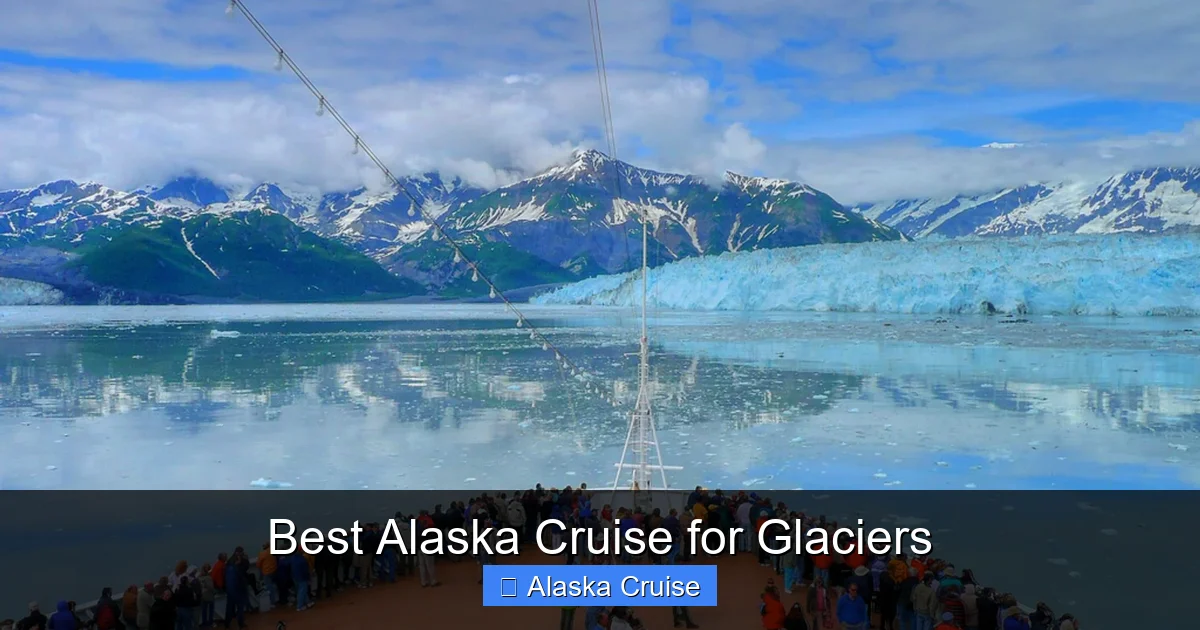
If you’re dreaming of towering blue ice walls, thunderous calving sounds, and wildlife-rich fjords, choosing the best Alaska cruise for glaciers is key. The right itinerary combines prime glacier viewing, expert guides, and comfortable onboard experiences to make your trip unforgettable.
Dreaming of standing on a ship’s deck, binoculars in hand, as a massive wall of blue ice calves into the sea with a thunderous roar? That’s the magic of an Alaska glacier cruise—and it’s more accessible than you might think. Alaska is home to over 100,000 glaciers, covering nearly 5% of the state, and a well-planned cruise puts you right in the heart of this icy wonderland. Whether you’re a first-time cruiser or a seasoned traveler, the right Alaska cruise for glaciers can transform your vacation into a once-in-a-lifetime adventure.
But with so many cruise lines, ships, and itineraries to choose from, how do you pick the best one? It’s not just about seeing ice—it’s about experiencing it up close, learning from experts, and doing so in comfort and style. The best Alaska cruise for glaciers balances scenic routes, knowledgeable guides, and onboard amenities to create a seamless journey through one of nature’s most dramatic landscapes. From the towering Hubbard Glacier to the serene beauty of Tracy Arm Fjord, your cruise should offer multiple opportunities to witness glaciers in action, all while enjoying the ease and luxury of modern cruising.
Key Takeaways
- Glacier-heavy itineraries matter: Look for cruises that visit multiple glacier regions like Glacier Bay, Hubbard Glacier, and Tracy Arm Fjord for maximum ice exposure.
- Summer is peak season: May through September offers the best weather, calmer seas, and longer daylight hours for glacier viewing.
- Smaller ships offer closer views: Boutique and expedition-style vessels can navigate narrower inlets and get nearer to active glaciers.
- Expert naturalists enhance the experience: Ships with onboard naturalists and rangers provide educational insights and help spot wildlife near glaciers.
- Book early for best cabins and deals: Popular glacier routes fill up fast—reserve 6–12 months in advance for optimal selection and pricing.
- Pack for variable weather: Even in summer, layers, waterproof gear, and binoculars are essential for comfort and glacier spotting.
- Consider land-and-sea combos: Cruises paired with Denali or interior Alaska tours offer a fuller Alaskan experience beyond the coast.
📑 Table of Contents
Why Glaciers Are the Star of Alaska Cruises
Glaciers are more than just frozen water—they’re dynamic, living forces that shape the landscape and tell the story of Earth’s climate history. In Alaska, glaciers carve through mountains, feed rivers, and create habitats for bears, seals, and whales. When you cruise Alaska’s Inside Passage and Gulf Coast, you’re sailing through a living museum of ice and wilderness.
One of the most compelling reasons to choose an Alaska cruise for glaciers is the sheer scale and accessibility. Unlike trekking to remote glaciers on land, a cruise brings you within feet of these icy giants without the need for hiking or technical gear. Ships slow down or even stop near active glaciers, giving you time to absorb the sights, sounds, and even the cold spray from calving ice. The experience is both humbling and exhilarating.
Moreover, glaciers are best viewed from the water. Many of Alaska’s most famous glaciers—like Margerie Glacier in Glacier Bay and the twin Sawyer Glaciers in Tracy Arm—are only accessible by boat or plane. A cruise offers the most practical and scenic way to see them, often with commentary from park rangers or naturalists who explain the science and history behind the ice.
The Science Behind the Ice
Glaciers form over hundreds of years as snow accumulates, compresses, and turns into dense ice. In Alaska, glaciers flow slowly downhill, carving U-shaped valleys and fjords. When they reach the ocean, they calve—breaking off into icebergs—a process that can create dramatic splashes and waves.
The blue color of glacier ice isn’t just for show. It’s the result of extreme compression, which squeezes out air bubbles and causes ice crystals to grow larger. Larger crystals absorb longer wavelengths of light (like red and yellow), leaving behind the stunning blue hue you see on the surface.
Understanding this process adds depth to your cruise experience. When you hear a glacier calve, you’re not just witnessing a spectacle—you’re seeing the result of centuries of natural forces at work.
Glaciers and Wildlife
Glaciers aren’t just beautiful—they’re vital to Alaska’s ecosystem. Meltwater from glaciers feeds rivers and streams, supporting salmon runs that sustain bears, eagles, and local communities. Icebergs created by calving glaciers become floating platforms for seals and resting spots for seabirds.
During your cruise, keep an eye out for wildlife near glacier fronts. Harbor seals often bask on ice floes, while orcas and humpback whales patrol the nutrient-rich waters. Bald eagles soar above, and if you’re lucky, you might spot a brown bear foraging along the shoreline. The best Alaska cruise for glaciers doesn’t just show you ice—it connects you to the entire web of life that depends on it.
Top Glacier Destinations on Alaska Cruises
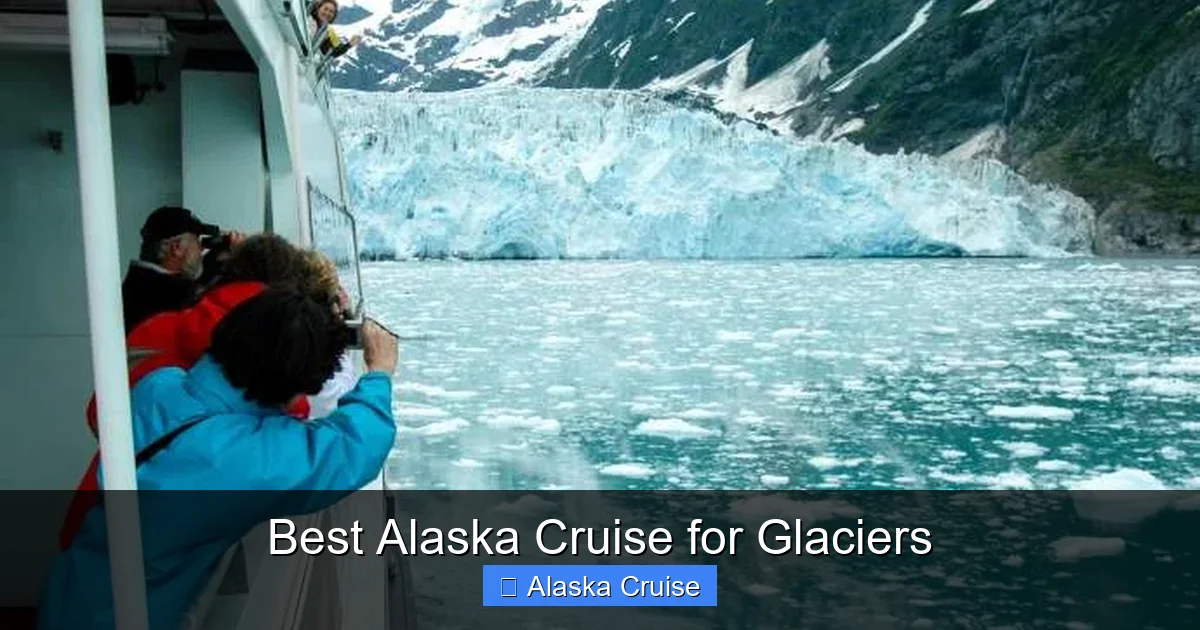
Visual guide about Best Alaska Cruise for Glaciers
Image source: uploads.alaska.org
Not all Alaska cruises are created equal when it comes to glacier viewing. The best routes include multiple stops in glacier-rich regions, ensuring you get the full spectrum of icy wonders. Here are the top glacier destinations you should look for when choosing your cruise.
Glacier Bay National Park
A UNESCO World Heritage Site and one of the most visited glacier areas in Alaska, Glacier Bay is a must-see on any glacier-focused cruise. This 1,077-square-mile park is home to over a dozen active tidewater glaciers, including the famous Margerie and Lamplugh Glaciers.
What makes Glacier Bay special is its accessibility and the presence of National Park Service rangers who come aboard select ships to provide live commentary. These experts share insights about glacier formation, climate change impacts, and local wildlife, turning your voyage into an educational journey.
Most major cruise lines, including Holland America and Princess Cruises, include Glacier Bay on their 7-day Inside Passage itineraries. Ships typically spend a full day in the park, cruising slowly past towering ice walls and listening to the crack and boom of calving glaciers.
Hubbard Glacier
Located near the border of Alaska and Canada, Hubbard Glacier is one of the largest and most active tidewater glaciers in North America. Stretching over 7 miles wide and rising up to 300 feet above the water, it’s a breathtaking sight that dominates the landscape.
Unlike many glaciers that are retreating, Hubbard has been advancing for decades—sometimes by as much as 100 feet per year. This growth makes it a dynamic and ever-changing destination. When your ship approaches, you might witness massive chunks of ice breaking off and crashing into the sea, creating waves that ripple across the bay.
Cruises that visit Hubbard Glacier often sail through Yakutat Bay or Disenchantment Bay, offering panoramic views from multiple angles. The best Alaska cruise for glaciers will position you for optimal viewing, often with the ship pausing for 30–60 minutes to let passengers soak in the scene.
Tracy Arm and the Sawyer Glaciers
For a more intimate glacier experience, Tracy Arm Fjord is hard to beat. This narrow, winding inlet near Juneau is flanked by steep granite cliffs and ends at the twin Sawyer Glaciers—North and South Sawyer. The fjord’s remote beauty and dramatic ice formations make it a favorite among photographers and nature lovers.
Because Tracy Arm is narrow and shallow, only smaller ships can navigate it safely. This means fewer crowds and a more personal experience. Some expedition-style cruises even offer kayaking or Zodiac excursions right up to the glacier face, allowing you to paddle among icebergs and listen to the quiet hum of melting ice.
Keep in mind that Tracy Arm is weather-dependent and not always accessible due to ice conditions. However, when conditions are right, it’s one of the most unforgettable glacier experiences in Alaska.
College Fjord
If you’re looking for a lesser-known gem, College Fjord near Whittier is a hidden treasure. Named after the Ivy League colleges whose alumni funded its exploration in the early 1900s, this fjord is lined with over a dozen glaciers, many of which descend directly from the Chugach Mountains.
What sets College Fjord apart is the variety of glacier types you’ll see—from hanging glaciers perched on cliffs to tidewater glaciers that meet the sea. The contrast between the lush greenery of the fjord and the stark white ice creates a stunning visual effect.
Most cruises that visit College Fjord are on southbound or northbound routes that start or end in Seward or Whittier. These itineraries often include a stop in Kenai Fjords National Park, where you can see more glaciers and marine wildlife.
Best Cruise Lines for Glacier Viewing
Choosing the right cruise line can make or break your glacier experience. While all major lines offer Alaska cruises, some stand out for their glacier-focused itineraries, onboard expertise, and ship capabilities.
Holland America Line
Holland America is a top choice for travelers seeking a classic, enriching Alaska cruise. Their ships, like the Nieuw Statendam and Koningsdam, spend full days in Glacier Bay with National Park Service rangers on board. The line emphasizes education and cultural immersion, offering lectures, cooking demos, and local music performances.
Holland America’s ships are mid-sized, striking a balance between comfort and maneuverability. They’re large enough to offer spacious cabins and multiple dining options, yet small enough to navigate narrow fjords and get close to glaciers. Their 7-day Inside Passage itineraries are among the most popular for glacier lovers.
Princess Cruises
Princess Cruises is known for its “North to Alaska” program, which includes enhanced onboard programming, local cuisine, and shore excursions. Their ships, such as the Grand Princess and Discovery Princess, visit Glacier Bay, Hubbard Glacier, and often include a stop in Tracy Arm or College Fjord.
One standout feature is the “Movies Under the Stars” screen on the pool deck, which often shows nature documentaries during glacier days. Princess also offers a robust selection of land tours, including Denali National Park extensions, making it ideal for travelers who want a full Alaska experience.
UnCruise Adventures
For a more adventurous take on glacier cruising, UnCruise Adventures offers small-ship expeditions that prioritize intimacy and exploration. Their ships, like the Safari Quest and Wilderness Explorer, carry fewer than 100 passengers and focus on active experiences like kayaking, hiking, and wildlife watching.
UnCruise itineraries often include Tracy Arm, Endicott Arm, and other remote fjords where larger ships can’t go. Their naturalist guides are passionate and knowledgeable, and the pace is relaxed, allowing for spontaneous stops when wildlife or calving glaciers appear.
While UnCruise is more expensive and less luxurious than mainstream lines, it’s the best Alaska cruise for glaciers if you value authenticity and adventure over pampering.
Lindblad Expeditions–National Geographic
In partnership with National Geographic, Lindblad Expeditions offers high-end, educational cruises with a focus on photography and conservation. Their ships, such as the National Geographic Quest, are equipped with tools like hydrophones to listen to whale calls and underwater cameras to explore marine life.
Lindblad’s itineraries are designed by naturalists and often include Zodiac landings near glaciers, giving you a ground-level view of ice formations and wildlife. Their expert team includes photographers, historians, and scientists who enhance every moment with insights and storytelling.
This is the best Alaska cruise for glaciers if you’re a curious traveler who wants to learn deeply about the environment and capture stunning images.
Choosing the Right Itinerary and Ship Size
When planning your glacier cruise, two key factors to consider are itinerary length and ship size. Each plays a crucial role in how much ice you’ll see and how close you’ll get.
Itinerary Length: 7-Day vs. 10–14 Day Cruises
Most first-time cruisers opt for a 7-day Inside Passage itinerary, which typically sails round-trip from Seattle or Vancouver and includes stops in Juneau, Skagway, Ketchikan, and Glacier Bay. These cruises offer a solid introduction to Alaska’s glaciers, especially if they include Hubbard or Tracy Arm.
However, if you’re serious about glacier viewing, consider a 10- to 14-day cruise that ventures further north. These longer itineraries often start or end in Seward or Whittier and include multiple glacier stops, such as College Fjord, Hubbard Glacier, and Kenai Fjords. They also allow more time for wildlife watching and shore excursions.
For example, a 14-day cruise with Holland America might include Glacier Bay, Hubbard Glacier, College Fjord, and a full day in Kenai Fjords—offering a comprehensive glacier experience that shorter trips can’t match.
Ship Size: Large vs. Small Ships
Ship size directly impacts your glacier experience. Large ships (2,000+ passengers) offer more amenities—multiple pools, theaters, and dining venues—but may not get as close to glaciers due to draft and maneuverability limitations.
Smaller ships (under 500 passengers) can navigate narrower channels and anchor closer to ice walls. They also offer a more personalized experience, with fewer crowds and more opportunities for interaction with crew and naturalists.
If glacier proximity is your top priority, consider a small-ship cruise with UnCruise, Lindblad, or Alaskan Dream Cruises. These vessels often spend hours near active glaciers, allowing for multiple viewing angles and spontaneous wildlife encounters.
That said, large ships have their advantages. They’re more stable in rough seas, offer better accessibility for travelers with mobility issues, and provide a wider range of onboard activities. The best Alaska cruise for glaciers depends on your priorities: luxury and comfort, or intimacy and adventure.
Best Time to Cruise for Glaciers
Timing is everything when it comes to glacier viewing. While Alaska cruises run from May to September, each month offers a different experience.
May and Early June: Quiet and Crisp
The early season (May to mid-June) offers fewer crowds, lower prices, and crisp, clear weather. Glaciers are still active, and wildlife is abundant as bears emerge from hibernation and birds return to nest.
One advantage of early-season cruising is the chance to see glaciers with fresh snow on surrounding peaks, creating a stunning contrast. However, some remote areas like Tracy Arm may still be ice-blocked, limiting access.
July and August: Peak Season
These are the most popular months for Alaska cruises, with warm weather, long daylight hours, and full access to all glacier destinations. July and August offer the highest chance of clear skies and calm seas, making for ideal viewing conditions.
The downside? Crowds. Popular ports like Skagway and Juneau can feel busy, and shore excursions book up quickly. If you cruise during peak season, book excursions and dining reservations well in advance.
September: Fall Colors and Fewer Crowds
Late-season cruising (September) offers a unique blend of benefits. The weather is still mild, the crowds have thinned, and the fall colors in the forests add a golden hue to the landscape. Glaciers remain active, and wildlife is still visible as animals prepare for winter.
One thing to note: some smaller ships and expedition cruises end their season in early September, so options may be limited. But if you can find a September departure, it’s often the best Alaska cruise for glaciers in terms of value and atmosphere.
Packing Tips for Glacier Viewing
Even in summer, Alaska’s coastal weather can be unpredictable. To make the most of your glacier days, pack smart.
Layered Clothing
Temperatures near glaciers can be 10–20°F cooler than in port cities. Bring a base layer (moisture-wicking), a mid-layer (fleece or sweater), and a waterproof outer shell. A warm hat and gloves are also essential, especially on deck during early morning or evening viewing.
Waterproof Gear
A waterproof jacket and pants are a must. Even if it’s not raining, sea spray from calving glaciers or waves can soak you. Waterproof shoes with good grip are also important for deck safety.
Binoculars and Camera
Binoculars help you spot wildlife and details on distant glaciers. A camera with a zoom lens is ideal for capturing ice formations and calving events. Consider a waterproof camera case or dry bag to protect your gear.
Sunscreen and Sunglasses
Don’t underestimate the sun’s strength, especially when reflecting off ice and water. Bring SPF 30+ sunscreen and polarized sunglasses to reduce glare.
Motion Sickness Remedies
If you’re prone to seasickness, pack remedies like wristbands, ginger supplements, or prescription medication. Calmer waters in fjords reduce motion, but it’s better to be prepared.
Maximizing Your Glacier Experience
To get the most out of your cruise, plan ahead and stay flexible.
Book Shore Excursions Early
Popular glacier-related excursions—like helicopter tours over glaciers, dog sledding on icefields, or kayaking near calving ice—sell out quickly. Book them as soon as your cruise is confirmed.
Attend Onboard Lectures
Most cruise lines offer daily talks by naturalists or guest speakers. These sessions provide context for what you’re seeing and help you appreciate the science and history behind the glaciers.
Be Patient and Present
Glacier viewing is often a waiting game. Ships may pause for an hour or more near active glaciers, hoping for a calving event. Use this time to relax, take photos, and soak in the silence—broken only by the crack of ice and the call of seabirds.
Stay Informed About Climate Change
Many glaciers in Alaska are retreating due to climate change. Understanding this context adds emotional weight to your experience. Some cruise lines offer programs on sustainability and conservation, so take advantage of them.
Conclusion
Choosing the best Alaska cruise for glaciers is about more than just checking off a bucket list item—it’s about connecting with one of the planet’s most awe-inspiring natural wonders. Whether you’re sailing past the towering walls of Hubbard Glacier, paddling among icebergs in Tracy Arm, or listening to the quiet hum of melting ice in College Fjord, the experience will stay with you long after the voyage ends.
The key is to match your travel style with the right itinerary, ship, and timing. Prioritize routes that include multiple glacier stops, consider smaller ships for closer access, and pack for comfort and flexibility. With the right preparation, your Alaska glacier cruise will be a journey of wonder, learning, and unforgettable memories.
So set your sights on the ice, breathe in the crisp mountain air, and let Alaska’s glaciers remind you of the power and beauty of the natural world.
Frequently Asked Questions
What is the best month to see glaciers on an Alaska cruise?
The best months are July and August, when weather is warmest, daylight is longest, and all glacier destinations are accessible. However, May and September offer fewer crowds and lower prices, with still-active glaciers and beautiful scenery.
Can you get close to glaciers on a cruise?
Yes, especially on smaller ships or expedition cruises. While safety regulations prevent ships from touching glaciers, many vessels get within a few hundred feet, and some offer kayaking or Zodiac excursions for even closer views.
Do all Alaska cruises visit glaciers?
Most do, but the number and type of glaciers vary. Look for itineraries that include Glacier Bay, Hubbard Glacier, Tracy Arm, or College Fjord for the best glacier experiences.
Are glaciers still active in Alaska?
Yes, many glaciers in Alaska are still active and calving regularly. While some are retreating due to climate change, others like Hubbard Glacier are advancing, making them dynamic and ever-changing destinations.
What should I wear when viewing glaciers?
Wear layered clothing, including a waterproof jacket, warm hat, gloves, and non-slip shoes. Temperatures near glaciers can be much cooler than in port cities, even in summer.
Is it worth booking a small-ship cruise for glaciers?
Absolutely, if glacier proximity and intimacy are priorities. Small ships can access narrower fjords, get closer to ice, and offer more personalized experiences with naturalists and guides.