An Alaska cruise offers some of the most breathtaking natural wonders on Earth, from towering glaciers to abundant wildlife. Whether you’re exploring icy fjords, charming coastal towns, or remote national parks, every port reveals a new marvel. This guide highlights the best places to see in Alaska cruise itineraries for an unforgettable experience.
An Alaska cruise is more than just a vacation—it’s a journey into one of the last great frontiers on Earth. From the moment your ship glides through the misty waters of the Inside Passage, you’ll be surrounded by towering mountains, dense forests, and icy fjords that seem almost too beautiful to be real. The air is crisp, the silence profound, and the sense of adventure palpable. Whether you’re a nature lover, history buff, or simply seeking awe-inspiring scenery, an Alaska cruise delivers unforgettable moments at every turn.
What makes Alaska so special isn’t just its size—it’s the raw, untamed beauty that defines the region. Unlike any other cruise destination, Alaska offers a perfect blend of natural wonders and cultural heritage. You’ll witness glaciers the size of skyscrapers calving into the sea, spot whales breaching just feet from your ship, and walk through towns that still echo with the spirit of the Gold Rush. And because most of Alaska’s major attractions are accessible only by boat or plane, a cruise is often the most convenient and scenic way to experience them all.
Key Takeaways
- Glacier Bay National Park: A UNESCO World Heritage Site with massive glaciers, calving ice, and diverse marine life—best viewed from a small boat or cruise ship.
- Juneau: Alaska’s capital, accessible only by air or sea, offers whale watching, Mendenhall Glacier, and historic gold rush sites.
- Ketchikan: Known as the “Salmon Capital of the World,” it features lush rainforests, Native Alaskan culture, and the famous Creek Street boardwalk.
- Skagway: A preserved Gold Rush town with scenic railways, hiking trails, and a glimpse into 19th-century frontier life.
- Hubbard Glacier: One of the largest tidewater glaciers in North America, offering dramatic ice calving and panoramic views.
- Inside Passage: A stunning coastal route filled with fjords, wildlife, and remote communities—perfect for scenic cruising.
- Wildlife Viewing: Spot humpback whales, orcas, sea lions, bald eagles, and brown bears in their natural habitats.
📑 Table of Contents
Glacier Bay National Park: A Natural Wonder
One of the crown jewels of any Alaska cruise is Glacier Bay National Park. This UNESCO World Heritage Site spans over 3.3 million acres and is home to some of the most active glaciers in the world. As your ship enters the bay, you’ll be greeted by towering walls of ice, some rising over 200 feet above the water. The sound of cracking and thundering ice—known as “calving”—is both thrilling and humbling.
Why Glacier Bay Is a Must-See
Glacier Bay is not just about glaciers—it’s a dynamic ecosystem where ice, water, and wildlife converge. The park is home to over a dozen major tidewater glaciers, including the famous Margerie and Grand Pacific Glaciers. These glaciers are constantly moving, carving the landscape and creating new icebergs daily. Scientists study the area to understand climate change, making it a living laboratory as much as a tourist destination.
One of the best ways to experience Glacier Bay is from the deck of your cruise ship. Most major cruise lines partner with the National Park Service to offer guided narration during the transit. Rangers come aboard to share insights about the geology, wildlife, and conservation efforts in the park. You’ll learn how glaciers form, why they’re retreating, and how the ecosystem is adapting.
Wildlife in Glacier Bay
The waters of Glacier Bay are teeming with life. Keep your binoculars handy for sightings of humpback whales, orcas, and sea lions basking on ice floes. Harbor seals are commonly seen resting on floating ice, while bald eagles soar overhead, scanning for fish. On land, you might catch a glimpse of brown bears foraging along the shoreline or mountain goats scaling the cliffs.
One unforgettable experience is watching a whale breach near your ship. These gentle giants often feed in the nutrient-rich waters of the bay, and seeing one leap out of the water is a moment you’ll never forget. Some cruises even offer kayaking excursions into smaller inlets, allowing you to paddle quietly among icebergs and get closer to wildlife.
Tips for Visiting Glacier Bay
– **Dress in layers:** Even in summer, temperatures can drop near the glaciers. Bring a waterproof jacket, warm hat, and gloves.
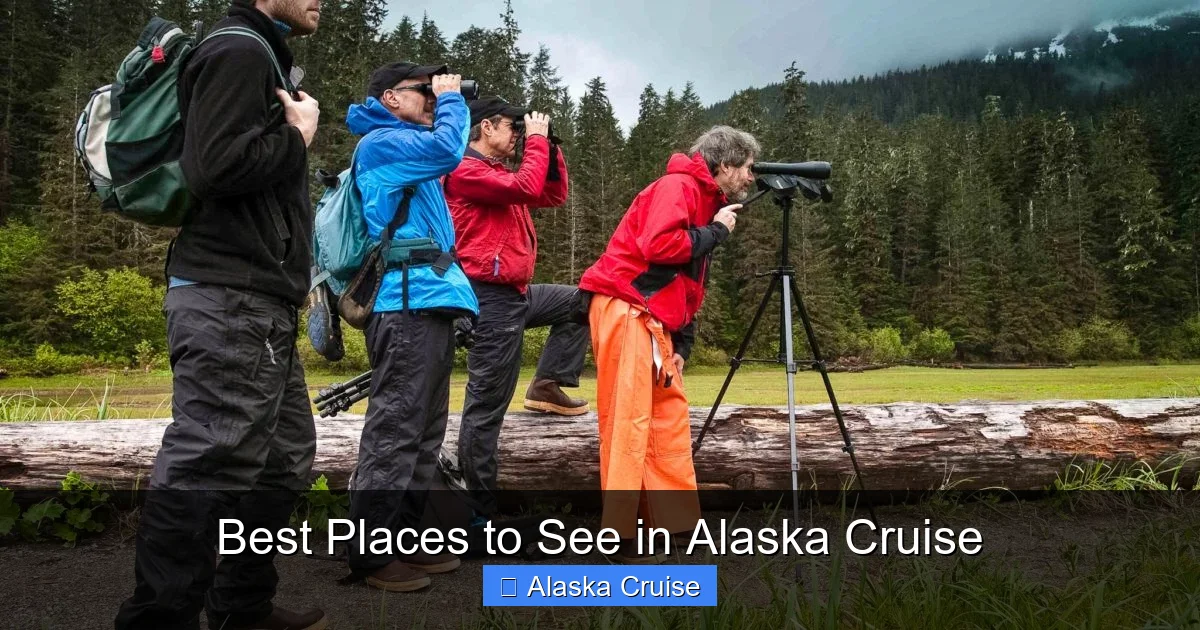
– **Bring binoculars:** Wildlife and distant ice formations are best viewed with magnification.
– **Stay on deck early:** The best views often come in the early morning when the light is soft and the water is calm.
– **Respect wildlife:** Maintain a safe distance and never feed or approach animals.
Juneau: Alaska’s Capital by the Sea
Visual guide about Best Places to See in Alaska Cruise
Image source: wonderlusttravel.s3.us-east-2.amazonaws.com
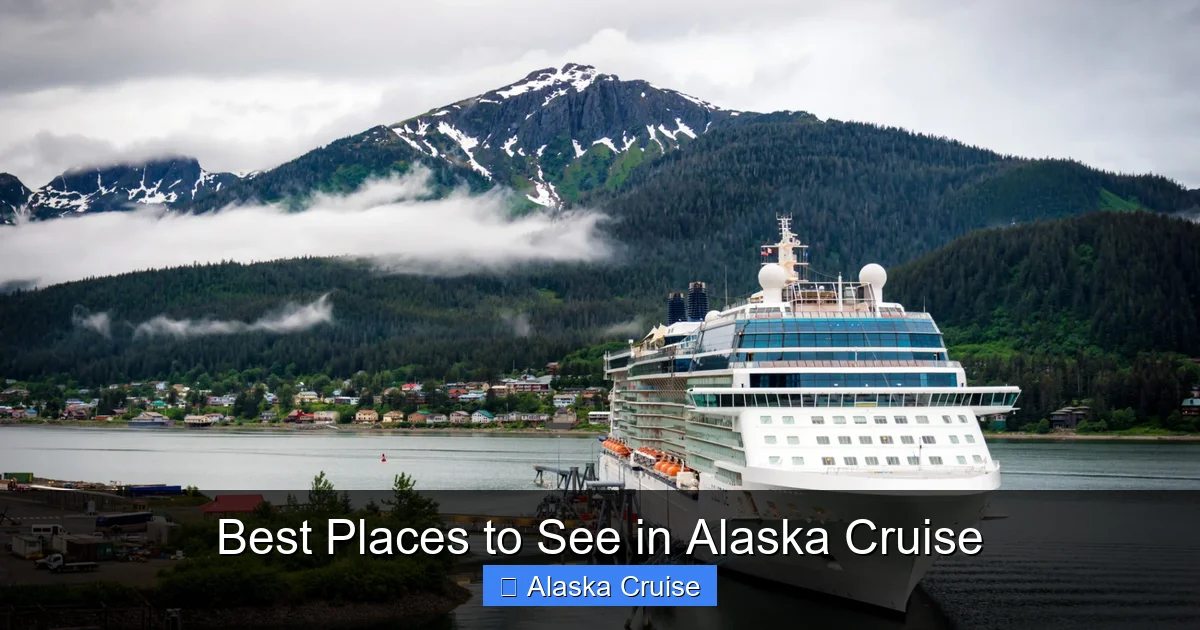
Juneau, the capital of Alaska, is a city unlike any other. Nestled between rugged mountains and the Gastineau Channel, it’s the only U.S. state capital that can’t be reached by road—only by air or sea. This isolation has preserved its charm and made it a favorite stop on Alaska cruise itineraries.
Mendenhall Glacier: A Frozen Wonder
Just 12 miles from downtown Juneau lies the Mendenhall Glacier, a 13-mile-long river of ice that flows from the Juneau Icefield. The glacier is easily accessible via a scenic drive or shuttle, and the visitor center offers exhibits, trails, and stunning viewpoints. One of the most popular spots is the Nugget Falls trail, which leads to a waterfall cascading directly in front of the glacier.
Walking the trails around Mendenhall Glacier gives you a unique perspective on the power of nature. You’ll see crevasses, blue ice, and the ever-changing face of the glacier. In summer, the area is lush with wildflowers and greenery, creating a striking contrast with the icy landscape.
Whale Watching in Juneau
Juneau is one of the best places in Alaska for whale watching. Humpback whales migrate here each summer to feed on herring and krill. Many cruise passengers book a whale-watching tour, which typically lasts 3–4 hours and includes a naturalist guide.
Imagine being on a small boat, surrounded by calm waters, when suddenly a humpback whale breaches just 50 yards away. The sight is breathtaking—and often followed by tail slaps, spy hops, and even bubble-net feeding. Some tours also offer the chance to see orcas, sea lions, and porpoises.
Historic Downtown Juneau
After exploring nature, take time to wander through downtown Juneau. The city has a rich Gold Rush history, and you can visit the Alaska State Capitol building, the Last Chance Mining Museum, and the historic Red Dog Saloon. Don’t miss the Alaska State Museum, which showcases Native Alaskan art, natural history, and cultural artifacts.
For a taste of local flavor, try a salmon bake—a traditional Alaskan meal featuring grilled salmon, vegetables, and sourdough bread. Many lodges and tour operators host these events in scenic outdoor settings.
Ketchikan: The Salmon Capital of the World
Ketchikan is often the first port of call on southbound Alaska cruises, and it’s easy to see why. Known as the “Salmon Capital of the World,” this charming town is built on stilts over the water, with colorful buildings and a vibrant arts scene.
Creek Street: A Historic Boardwalk
Creek Street is one of Ketchikan’s most iconic attractions. This historic boardwalk runs along a creek that once flowed through the heart of town. In the early 1900s, it was home to brothels and saloons during the logging and fishing boom. Today, it’s lined with shops, galleries, and restaurants.
Walking along Creek Street feels like stepping back in time. You’ll pass old wooden buildings, hear the rush of the creek below, and maybe even spot salmon swimming upstream during spawning season. The Dolly’s House Museum offers a glimpse into the town’s colorful past.
Tongass National Forest: Alaska’s Rainforest
Ketchikan is surrounded by Tongass National Forest, the largest national forest in the United States. This temperate rainforest is home to towering Sitka spruce, western hemlock, and abundant wildlife. One of the best ways to experience it is by taking a guided nature walk or zipline tour.
The Deer Mountain Trail is a popular hike that rewards you with panoramic views of Ketchikan and the surrounding islands. Along the way, you might see black bears, deer, and a variety of birds. For a more relaxed experience, visit the Totem Heritage Center, which features restored 19th-century totem poles and exhibits on Tlingit, Haida, and Tsimshian cultures.
Native Alaskan Culture
Ketchikan has one of the highest concentrations of Native Alaskans in the state. The town is proud of its indigenous heritage, and you’ll find totem poles, art galleries, and cultural centers throughout the area. The Saxman Native Village is a short drive away and offers a traditional dance performance and totem pole carving demonstration.
Don’t miss the opportunity to learn about Native Alaskan traditions, from storytelling to totem pole symbolism. Many cruise lines offer cultural excursions that include visits to Native villages and hands-on activities like beadwork or drum making.
Skagway: Gateway to the Klondike
Skagway is a town frozen in time. Once a bustling hub during the Klondike Gold Rush of the late 1800s, it now serves as a living museum of frontier life. With its wooden sidewalks, false-front buildings, and historic saloons, Skagway feels like a scene from an old Western movie.
White Pass and Yukon Route Railway
One of the most popular excursions in Skagway is the White Pass and Yukon Route Railway. This narrow-gauge railroad was built in 1898 to transport prospectors to the goldfields of the Yukon. Today, it’s a scenic journey through steep mountain passes, deep gorges, and breathtaking vistas.
The train climbs over 2,800 feet in just 20 miles, crossing 15 bridges and passing through two tunnels. Along the way, you’ll see waterfalls, glaciers, and remnants of the Gold Rush era. The ride ends at the U.S.-Canada border, where you can explore the historic town of Bennett before returning.
Hiking and Outdoor Adventures
Skagway is a paradise for outdoor enthusiasts. The Chilkoot Trail, one of the most famous hiking routes in North America, begins here. This 33-mile trail was used by gold seekers during the Klondike Rush and is now a National Historic Site.
For a shorter hike, try the Lower Dewey Lake Trail, a 2.5-mile loop that offers stunning views of the surrounding mountains and access to a pristine alpine lake. You can also go ziplining, river rafting, or take a helicopter tour to see glaciers and wildlife from above.
Historic Downtown Skagway
Downtown Skagway is a delight to explore. Visit the Klondike Gold Rush National Historical Park, which includes restored buildings, museums, and interpretive programs. The Red Onion Saloon offers live music and a taste of Gold Rush-era entertainment.
Don’t leave without trying the local cuisine. Skagway has several excellent restaurants serving fresh seafood, Alaskan king crab, and wild game. Many also offer live music and storytelling in the evenings.
Hubbard Glacier: The Great Wall of Ice
As your cruise heads north, you’ll likely encounter Hubbard Glacier, one of the largest tidewater glaciers in North America. Stretching over 70 miles long and up to 7 miles wide, it’s a sight that commands respect.
Calving Ice and Dramatic Views
Hubbard Glacier is known for its frequent calving events, where massive chunks of ice break off and crash into the water. These events can create waves large enough to rock your ship and send plumes of ice crystals into the air. The sound is thunderous—like a freight train in the distance.
The glacier’s face is a deep blue, a result of compressed ice that absorbs all colors of light except blue. As the sun hits the ice, it shimmers like a thousand diamonds. Most ships stop near the glacier for several hours, giving passengers time to take photos, enjoy the scenery, and listen to the natural symphony of ice and water.
Wildlife Around Hubbard Glacier
The waters near Hubbard Glacier are rich in marine life. You might see harbor seals lounging on ice floes, sea lions barking on rocky outcrops, and even the occasional orca or humpback whale. The glacier’s meltwater feeds nutrients into the ocean, supporting a thriving ecosystem.
Tips for Viewing Hubbard Glacier
– **Bring a camera with a zoom lens:** The glacier is often far from the ship, so a telephoto lens helps capture details.
– **Dress warmly:** The temperature drops significantly near the glacier, even in summer.
– **Stay patient:** Calving events are unpredictable, but the wait is always worth it.
The Inside Passage: A Scenic Masterpiece
The Inside Passage is the coastal route that connects the Pacific Ocean to Alaska’s southeastern ports. It’s a network of fjords, islands, and waterways that offer some of the most scenic cruising in the world.
Wildlife and Scenery
As your ship winds through the passage, you’ll pass dense forests, snow-capped peaks, and remote communities. Keep an eye out for bald eagles perched on treetops, sea otters floating on their backs, and porpoises playing in the ship’s wake.
The passage is also home to several small towns and Native villages, each with its own unique culture and history. Stops may include Wrangell, Petersburg, and Haines, all offering opportunities for exploration and adventure.
Best Time to Cruise the Inside Passage
The Alaska cruise season runs from May to September, with peak months in June, July, and August. Summer offers the warmest weather, longest days, and best wildlife viewing. However, early or late season cruises can be less crowded and offer unique experiences, such as spring blooms or fall colors.
Conclusion: An Unforgettable Journey
An Alaska cruise is more than a trip—it’s a once-in-a-lifetime adventure. From the icy grandeur of Glacier Bay to the historic charm of Skagway, every port tells a story. Whether you’re marveling at a calving glacier, spotting a whale breach, or learning about Native Alaskan culture, the memories you make will last a lifetime.
The best places to see in Alaska cruise itineraries offer a perfect balance of natural beauty, wildlife, and cultural heritage. With careful planning and an open mind, you’ll return home with a deeper appreciation for the wild, untamed spirit of the Last Frontier.
Frequently Asked Questions
What is the best time of year to take an Alaska cruise?
The best time for an Alaska cruise is from late May to early September. Summer offers mild weather, long daylight hours, and peak wildlife activity. July and August are the most popular months, but June and September offer fewer crowds and lower prices.
Do I need to book excursions in advance?
Yes, it’s highly recommended to book popular excursions like whale watching, glacier hikes, and train rides in advance. These activities often sell out, especially during peak season. Check with your cruise line or a trusted tour operator early.
What should I pack for an Alaska cruise?
Pack layers, including a waterproof jacket, warm sweater, hat, gloves, and sturdy walking shoes. Don’t forget binoculars, sunscreen, sunglasses, and a camera. Even in summer, temperatures can vary widely, especially near glaciers.
Can I see the Northern Lights on an Alaska cruise?
It’s unlikely, as most Alaska cruises operate in summer when the nights are short. The Northern Lights are best seen in winter, from late September to March, in inland or northern regions like Fairbanks.
Are Alaska cruises family-friendly?
Yes, many cruise lines offer family-friendly activities, kids’ clubs, and educational programs. Excursions like wildlife tours, train rides, and cultural visits are enjoyable for all ages. Just be sure to choose a cruise line and itinerary that suits your family’s interests.
How long is a typical Alaska cruise?
Most Alaska cruises last 7 to 10 days, with itineraries ranging from 5 to 14 days. Round-trip cruises from Seattle or Vancouver are common, as are one-way trips between Seattle and Seward or Whittier (near Anchorage).