An Alaskan cruise offers unforgettable adventures through icy fjords, towering glaciers, and vibrant coastal towns. From wildlife sightings to cultural experiences, these top destinations deliver breathtaking scenery and once-in-a-lifetime moments along the rugged Pacific coastline.
Dreaming of icy peaks, towering glaciers, and untouched wilderness? An Alaskan cruise might just be the adventure you’ve been waiting for. With its dramatic coastlines, abundant wildlife, and rich cultural history, Alaska offers one of the most scenic and immersive cruise experiences on Earth. Whether you’re a nature lover, history buff, or simply in need of a peaceful escape, the Last Frontier delivers in spades.
Unlike tropical cruises filled with beach lounging and pool parties, an Alaskan voyage is all about exploration and awe. You’ll sail through narrow fjords carved by ancient glaciers, pass icebergs that glow blue in the sunlight, and spot humpback whales breaching just off the ship’s bow. The air is crisp, the views are endless, and every port tells a story—of gold seekers, indigenous peoples, and the raw power of nature.
But with so many incredible destinations along the Alaskan coast, where should you go? Which ports offer the best experiences? And what can you expect once you step off the ship? In this guide, we’ll take you through the best places to go on an Alaskan cruise, highlighting must-see stops, hidden gems, and insider tips to help you make the most of your journey. From the icy wonders of Glacier Bay to the historic charm of Skagway, get ready to discover why Alaska remains one of the world’s most sought-after cruise destinations.
Key Takeaways
- Glacier Bay National Park: A UNESCO World Heritage Site with massive tidewater glaciers and abundant marine wildlife.
- Juneau: Alaska’s capital, accessible only by boat or plane, offering glacier hikes, whale watching, and gold rush history.
- Ketchikan: Known as the “Salmon Capital of the World,” it’s rich in Native Alaskan culture and lush rainforest scenery.
- Skagway: A historic gold rush town with scenic rail rides and access to the stunning White Pass.
- Hubbard Glacier: One of the largest glaciers in North America, offering dramatic calving events and icy vistas.
- Seward and Whittier: Gateway ports to Kenai Fjords National Park, ideal for glacier tours and sea kayaking.
- Wildlife Viewing: Expect to see whales, bears, eagles, sea otters, and puffins throughout the cruise route.
📑 Table of Contents
Glacier Bay National Park: A Natural Wonder
If there’s one place that defines the Alaskan cruise experience, it’s Glacier Bay National Park. This UNESCO World Heritage Site spans over 3.3 million acres of pristine wilderness, including deep fjords, rugged mountains, and—of course—some of the most active glaciers on the planet. As your ship glides silently through the bay, you’ll be surrounded by towering walls of ice that calve into the sea with thunderous cracks, sending icebergs drifting like floating sculptures.
Why Glacier Bay Stands Out
Glacier Bay is more than just a scenic stop—it’s a living laboratory of glacial movement and ecological recovery. The park was largely covered by ice just 200 years ago, but as the glacier retreated, it left behind a landscape in constant transformation. Today, visitors can witness the power of nature firsthand as glaciers like Margerie and Lamplugh continue to advance and retreat, shaping the coastline with every passing season.
One of the most unforgettable moments on an Alaskan cruise is hearing the deep rumble of a glacier calving. Imagine standing on the deck, wrapped in a warm jacket, as a massive chunk of ice breaks off and crashes into the water below. The sound echoes across the bay, and the resulting wave gently rocks your ship. It’s a reminder of how small we are in the face of nature’s grandeur.
Wildlife Encounters in Glacier Bay
Beyond the glaciers, Glacier Bay is a hotspot for wildlife. Keep your binoculars handy—you might spot harbor seals lounging on ice floes, sea otters floating on their backs, or Steller sea lions basking on rocky outcrops. In the water, humpback whales and orcas are common, especially during the summer months when salmon runs attract marine predators.
Birdwatchers will delight in the park’s diverse avian population. Bald eagles soar overhead, while puffins dart in and out of the water. On land, black and brown bears forage along the shoreline, and moose can sometimes be seen grazing in the wetlands. Rangers often join the ship during the park visit, offering insightful commentary and helping passengers spot wildlife from a safe distance.
Tips for Visiting Glacier Bay
- Bring layers: Even in summer, temperatures can drop quickly, especially when the ship is near the glaciers.
- Use binoculars: Many wildlife sightings happen at a distance, so a good pair of binoculars is essential.
- Stay on deck: The best views are from the outer decks, so arrive early to secure a good spot.
- Listen to the rangers: Their narration adds depth to the experience and helps you understand the park’s ecology.
Most cruise ships spend several hours in Glacier Bay, often slowing to a near-stop as they navigate the icy waters. This slow pace allows passengers to fully absorb the scenery and increases the chances of wildlife sightings. Some lines even offer special “glacier viewing” decks or open-air lounges designed specifically for this part of the journey.
Juneau: Alaska’s Capital and Adventure Hub
Tucked away in the heart of the Inside Passage, Juneau is Alaska’s capital city—and one of the most unique ports on any Alaskan cruise. Unlike most state capitals, Juneau is not accessible by road. You can only reach it by boat or plane, which adds to its sense of remoteness and charm. But don’t let its isolation fool you—Juneau is a vibrant city packed with history, culture, and outdoor adventure.
Explore the Mendenhall Glacier
One of Juneau’s biggest draws is the Mendenhall Glacier, located just 12 miles from downtown. This 13-mile-long glacier is one of the few in Alaska that’s easily accessible, making it a must-visit for cruise passengers. The Mendenhall Glacier Visitor Center offers exhibits on glaciology and local wildlife, while well-maintained trails lead to viewing platforms and even a waterfall formed by glacial melt.
Visual guide about Best Places to Go on an Alaskan Cruise
Image source: royalcaribbean.com
For a more immersive experience, consider taking a guided glacier hike. Companies like Alaska Nature Guides offer small-group treks across the ice, complete with crampons and safety gear. It’s a thrilling way to get up close to the glacier’s deep blue crevasses and learn about the science behind glacial movement. Just be sure to book in advance—these tours fill up quickly during peak season.
Whale Watching and Wildlife Tours
Juneau is one of the best places in Alaska to see humpback whales. From May through September, these majestic creatures migrate to the area to feed on herring and krill. Several local operators offer whale-watching tours that depart right from the cruise dock. Most trips last 3–4 hours and include expert naturalists who explain whale behavior and migration patterns.
On a typical tour, you might see whales breaching, tail slapping, or even bubble-net feeding—a coordinated hunting technique where a group of whales blows bubbles to corral fish. Orcas are also spotted occasionally, especially in the deeper channels near Auke Bay. Many tours also include sightings of sea lions, harbor seals, and bald eagles.
Gold Rush History and Local Culture
Juneau has a rich mining history, and you can still feel the echoes of the gold rush era in its historic buildings and museums. The Alaska State Museum offers fascinating exhibits on Native Alaskan cultures, Russian influence, and the state’s natural history. For a taste of local flavor, visit the Juneau Arts & Culture Center or browse the shops along Franklin Street, where you’ll find handmade jewelry, local art, and Alaskan smoked salmon.
Don’t miss the opportunity to try some local cuisine. Juneau is known for its fresh seafood, especially king crab, halibut, and salmon. Many restaurants source their ingredients directly from local fishermen, so you’re guaranteed a delicious and sustainable meal. Pair your dinner with a craft beer from one of Juneau’s local breweries—Alaskan Brewing Company is a favorite among visitors.
Getting Around Juneau
Since Juneau is compact, most attractions are within walking distance of the cruise terminal. However, the Mendenhall Glacier and some tour departure points require a short bus or taxi ride. Many cruise lines offer shuttle services, or you can book a guided tour that includes transportation. If you’re feeling adventurous, rent a bike and explore the coastal trails along the Gastineau Channel.
Ketchikan: The Salmon Capital of the World
Known as the “Salmon Capital of the World,” Ketchikan is a colorful port town nestled between lush rainforest and the Tongass National Forest—the largest national forest in the United States. With its vibrant totem poles, historic boardwalks, and abundant wildlife, Ketchikan offers a perfect blend of culture, nature, and adventure.
Native Alaskan Culture and Totem Poles
Ketchikan is deeply rooted in Native Alaskan heritage, particularly the Tlingit, Haida, and Tsimshian peoples. One of the best ways to experience this culture is by visiting the Totem Heritage Center, which houses a collection of original 19th-century totem poles rescued from abandoned villages. Each pole tells a story—of family lineage, spiritual beliefs, or important events—and is carved with intricate symbols and animals.
For a more immersive experience, consider a cultural tour with a local Native guide. These tours often include visits to traditional longhouses, storytelling sessions, and even a chance to try your hand at weaving or carving. Some operators also offer performances of traditional dance and song, giving you a glimpse into the rich artistic traditions of the region.
Rainforest Adventures and Wildlife
Ketchikan is surrounded by temperate rainforest, making it a paradise for nature lovers. One of the most popular excursions is a guided rainforest walk through the Tongass National Forest. These tours take you along moss-covered trails, past towering spruce and hemlock trees, and to hidden waterfalls and salmon streams.
Keep an eye out for wildlife—black bears are common in the area, especially during salmon spawning season. You might also spot bald eagles perched in the treetops or river otters playing in the streams. Some tours include a visit to a salmon hatchery, where you can learn about the life cycle of salmon and even watch them swim upstream to spawn.
Adventure Activities
If you’re looking for a thrill, Ketchikan offers plenty of adventure options. Flightseeing tours take you over the Misty Fjords National Monument, where you’ll soar above dramatic cliffs, waterfalls, and glacial valleys. For a more grounded experience, try a zipline tour through the rainforest canopy or a kayaking trip along the calm waters of the Tongass Narrows.
Fishing enthusiasts will love Ketchikan’s reputation as a world-class salmon fishing destination. Charter a boat for a half-day or full-day trip and try your luck at catching king, coho, or sockeye salmon. Many charters provide all the gear and even clean and pack your catch for you to take home.
Shopping and Local Flavors
Ketchikan’s Creek Street is a historic boardwalk lined with shops, galleries, and cafes. It’s a great place to pick up souvenirs, from hand-carved totem poles to locally made jams and smoked salmon. Don’t leave without trying some fresh seafood—many restaurants offer all-you-can-eat crab feasts or grilled salmon with local sides.
Skagway: Gateway to the Gold Rush
Step back in time in Skagway, a charming town that feels like it’s frozen in the 1890s. During the Klondike Gold Rush, Skagway was the main gateway for prospectors heading to the Yukon in search of fortune. Today, it’s a National Historic Landmark with preserved buildings, wooden sidewalks, and a lively atmosphere.
The White Pass and Yukon Route Railway
One of Skagway’s most iconic experiences is a ride on the White Pass and Yukon Route Railway. This narrow-gauge railroad was built in 1898 to transport gold seekers over the Coast Mountains to the Yukon. The journey takes you through steep cliffs, across towering trestles, and through tunnels carved into the rock.
The train ride offers breathtaking views of the surrounding wilderness, including Bridal Veil Falls and the remnants of the original gold rush trail. Many tours include a stop at the summit, where you can learn about the engineering marvels that made the railroad possible. It’s a must-do for history buffs and scenery lovers alike.
Gold Rush History and Museums
Skagway is home to several museums that bring the gold rush era to life. The Skagway Museum features artifacts, photographs, and personal stories from the time. The Red Onion Saloon, once a brothel, now serves as a museum and bar, offering a glimpse into the wild side of gold rush life.
Walking tours are also popular, with guides in period costumes sharing tales of famous figures like Jefferson “Soapy” Smith, a con man who ruled Skagway’s underworld. You’ll pass historic buildings like the Arctic Brotherhood Hall, recognizable by its driftwood facade.
Outdoor Adventures
Beyond history, Skagway offers plenty of outdoor activities. Hiking trails lead to scenic viewpoints and alpine lakes, while dog sledding tours let you experience the thrill of mushing across snow-covered terrain (even in summer, with wheeled sleds). For a unique experience, take a helicopter tour to a remote glacier and enjoy a dogsled ride on the ice.
Hubbard Glacier: The Great Wall of Ice
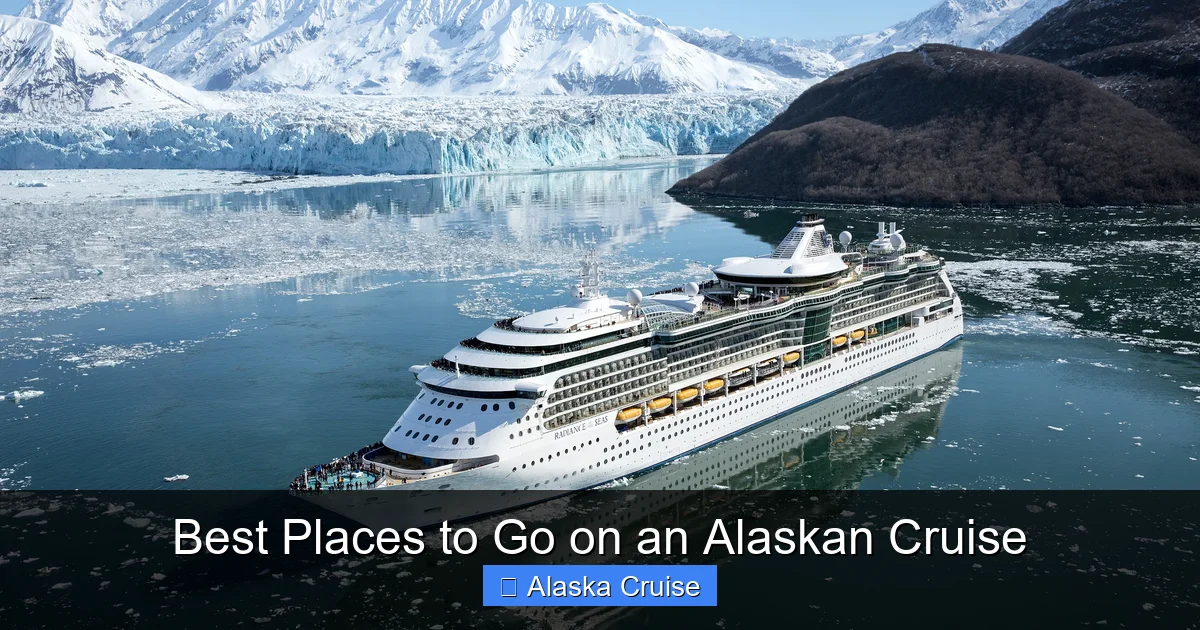
As one of the largest glaciers in North America, Hubbard Glacier is a highlight of any Alaskan cruise. Located near the border of Alaska and Yukon, this massive river of ice stretches over 70 miles and is still advancing—unlike most glaciers, which are retreating due to climate change.
Witnessing the Calving Glacier
When your ship approaches Hubbard Glacier, you’ll be greeted by a wall of ice that rises up to 400 feet above the water. The glacier moves slowly but steadily, and when it reaches the ocean, chunks break off in a process called calving. These events can be silent or thunderous, depending on the size of the icefall.
Most ships spend several hours near the glacier, allowing passengers to take in the scale and beauty of the ice. The surrounding waters are often filled with icebergs of all shapes and sizes, some with stunning blue hues caused by compressed ice. It’s a photographer’s dream and a humbling reminder of nature’s power.
Wildlife and Scenic Views
The area around Hubbard Glacier is rich in marine life. Seals and sea lions haul out on the ice, while whales feed in the nutrient-rich waters. The glacier’s meltwater also supports a thriving ecosystem, making it a prime spot for birdwatching and marine biology.
Seward and Whittier: Gateways to Kenai Fjords
While not always included on every cruise itinerary, Seward and Whittier are worth visiting if your ship stops there. Both towns serve as gateways to Kenai Fjords National Park, home to Exit Glacier and numerous fjords carved by ancient ice.
Kenai Fjords National Park
From Seward, you can take a boat tour into the park to see glaciers like Holgate and Aialik. These tours often include wildlife sightings and opportunities for kayaking or hiking. Exit Glacier, near Seward, is one of the few glaciers accessible by road, making it a popular day hike.
Whittier, a small town accessible through a tunnel, offers scenic cruises through Prince William Sound, where you might see tidewater glaciers, sea otters, and even bears along the shore.
Conclusion
An Alaskan cruise is more than a vacation—it’s a journey into one of the last great wildernesses on Earth. From the icy wonders of Glacier Bay to the historic charm of Skagway, each port offers a unique glimpse into Alaska’s natural beauty and cultural heritage. Whether you’re marveling at a calving glacier, spotting whales in Juneau, or learning about Native traditions in Ketchikan, the memories you make will last a lifetime.
To get the most out of your trip, plan ahead, dress in layers, and keep your camera ready. And remember: the best places to go on an Alaskan cruise aren’t just about the destinations—they’re about the moments in between, when the ship slows down, the air grows crisp, and the world feels beautifully, wonderfully wild.
Frequently Asked Questions
What is the best time to go on an Alaskan cruise?
The best time for an Alaskan cruise is from May to September, when the weather is milder and wildlife is most active. July and August are peak months, offering the warmest temperatures and longest daylight hours.
Do I need to book excursions in advance?
Yes, popular tours like whale watching, glacier hikes, and flightseeing often sell out quickly. Booking in advance through your cruise line or a trusted local operator ensures you don’t miss out.
What should I pack for an Alaskan cruise?
Pack layers, including a waterproof jacket, warm sweaters, gloves, and sturdy shoes. Don’t forget binoculars, sunscreen, and a camera with extra batteries—Alaska’s scenery is unforgettable.
Are Alaskan cruises family-friendly?
Absolutely. Many cruise lines offer kids’ programs, family-friendly excursions, and educational activities. Wildlife tours and scenic rail rides are especially popular with children.
Can I see the Northern Lights on an Alaskan cruise?
The Northern Lights are rarely visible during the summer cruise season due to nearly 24-hour daylight. For aurora viewing, consider a winter trip or a land-based tour in late fall or early spring.
How long do Alaskan cruises typically last?
Most Alaskan cruises range from 7 to 14 days. A 7-day itinerary usually covers the Inside Passage, while longer cruises may include the Gulf of Alaska or even a roundtrip from Seattle or Vancouver.