Embarking on an Alaska cruise offers a front-row seat to some of the most breathtaking natural wonders on Earth. From towering glaciers and rugged coastlines to charming coastal towns teeming with wildlife, the best places to see in Alaska on a cruise blend adventure, beauty, and cultural richness into one unforgettable voyage.
Imagine sailing through misty fjords, watching a glacier calve icebergs into the sea, and spotting a humpback whale breaching just off the ship’s bow. This is the magic of an Alaska cruise—a journey where nature takes center stage and every turn reveals a new wonder. Whether you’re a first-time cruiser or a seasoned traveler, Alaska offers some of the most awe-inspiring destinations on the planet, and experiencing them from the deck of a cruise ship adds a layer of comfort and convenience that’s hard to beat.
Alaska cruises typically follow the Inside Passage, a protected waterway that winds through lush rainforests, past snow-capped peaks, and alongside icy fjords. Most itineraries depart from Seattle or Vancouver and include stops at key ports like Juneau, Ketchikan, and Skagway, with extended scenic cruising through Glacier Bay and Tracy Arm. These routes are carefully designed to maximize wildlife sightings, glacier views, and cultural experiences, all while allowing passengers to relax in style. With modern ships offering panoramic lounges, open decks, and expert naturalist guides, you’ll never miss a moment of the action.
What makes Alaska truly unique is its raw, untamed beauty. Unlike other cruise destinations, Alaska isn’t about beaches and nightlife—it’s about immersion in nature. The best places to see in Alaska on a cruise are those that showcase the state’s dramatic landscapes, rich Indigenous heritage, and abundant wildlife. From the thunderous crash of ice falling into the ocean to the quiet rustle of a bear foraging along a riverbank, every experience feels like a privilege. And because much of Alaska is only accessible by boat or plane, a cruise is often the most practical—and scenic—way to explore.
Key Takeaways
- Glacier Bay National Park: A UNESCO World Heritage Site home to massive tidewater glaciers and diverse marine life, best viewed from the water on a guided cruise.
- Juneau: Alaska’s capital, accessible only by boat or plane, offers glacier hikes, whale watching, and the famous Mendenhall Glacier.
- Ketchikan: Known as the “Salmon Capital of the World,” this rainforest port features totem poles, cultural centers, and stunning waterfall hikes.
- Skagway: A historic Gold Rush town with preserved boardwalks, scenic train rides, and access to the Klondike Highway.
- Hubbard Glacier: One of the largest glaciers in North America, offering dramatic calving events and icy landscapes perfect for photography.
- Wildlife Viewing: Expect sightings of humpback whales, orcas, sea lions, bald eagles, and brown bears in their natural habitats.
- Scenic Cruising: Don’t miss the Inside Passage and Tracy Arm Fjord, where narrow waterways reveal hidden waterfalls and towering cliffs.
📑 Table of Contents
- Glacier Bay National Park: A Front-Row Seat to Nature’s Power
- Juneau: Alaska’s Remote Capital with Big Adventures
- Ketchikan: The Salmon Capital of the World
- Skagway: A Step Back into the Gold Rush Era
- Hubbard Glacier: The Crown Jewel of Glacier Cruising
- Scenic Cruising: The Inside Passage and Tracy Arm Fjord
- Conclusion: Why Alaska Cruises Are Unforgettable
Glacier Bay National Park: A Front-Row Seat to Nature’s Power
One of the crown jewels of any Alaska cruise is a visit to Glacier Bay National Park. This UNESCO World Heritage Site spans over 3.3 million acres and is home to some of the most active and accessible glaciers in North America. As your ship glides silently through the bay, you’ll be surrounded by towering ice walls, snow-dusted mountains, and crystal-clear waters teeming with marine life.
What Makes Glacier Bay Special
Glacier Bay is not just a collection of glaciers—it’s a living, breathing ecosystem shaped by ice and time. The park features over a dozen tidewater glaciers, including the famous Margerie and Grand Pacific Glaciers, which regularly calve massive chunks of ice into the sea. These calving events create thunderous splashes and icebergs that float like sculptures across the bay. The sight is both humbling and exhilarating, a reminder of nature’s immense power.
The park is also a haven for wildlife. Keep your binoculars handy for sightings of harbor seals lounging on ice floes, sea otters floating on their backs, and Steller sea lions basking on rocky outcrops. Birdwatchers will delight in spotting puffins, bald eagles, and cormorants nesting along the cliffs. And if you’re lucky, you might even catch a glimpse of a humpback whale feeding in the nutrient-rich waters.
Best Time to Visit
Glacier Bay is typically visited between May and September, when the weather is milder and wildlife is most active. Summer months offer the longest daylight hours, giving you more time to soak in the views. However, even in peak season, the weather can be unpredictable—pack layers and waterproof gear just in case.
Tips for Enjoying Glacier Bay
To make the most of your time in Glacier Bay, arrive early on deck with your camera and a warm jacket. The park is best viewed from the ship’s observation decks, where naturalists often provide commentary on the glaciers and wildlife. Many cruise lines also offer guided excursions, such as kayaking or small boat tours, which allow you to get even closer to the ice. Just remember to respect the park’s regulations—stay quiet, keep a safe distance from wildlife, and never touch the glaciers.
Juneau: Alaska’s Remote Capital with Big Adventures
Visual guide about Best Places to See in Alaska on a Cruise
Image source: cruisehive.com
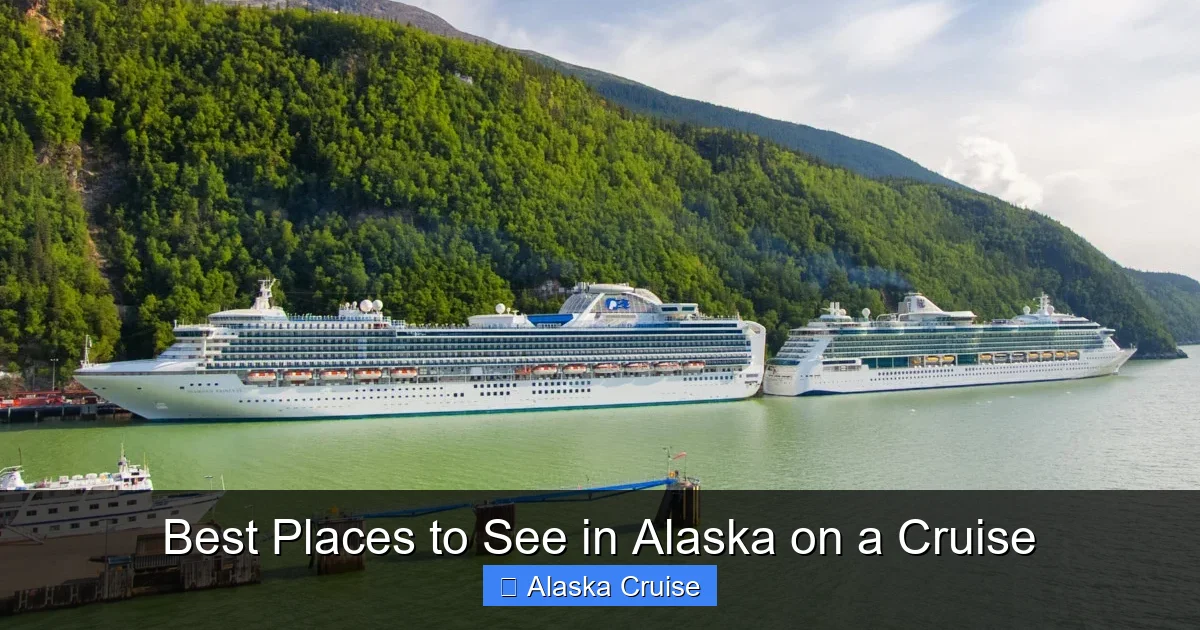
Nestled between the Gastineau Channel and the towering peaks of the Coast Mountains, Juneau is Alaska’s capital city—and one of the most unique ports on any cruise itinerary. Unlike most state capitals, Juneau is not accessible by road. You can only reach it by boat or plane, which adds to its sense of adventure and isolation.
Mendenhall Glacier: A Must-See Wonder
No visit to Juneau is complete without a trip to the Mendenhall Glacier. Located just 12 miles from downtown, this 13-mile-long glacier is one of the most accessible in Alaska and a favorite among cruise passengers. The Mendenhall Glacier Visitor Center offers stunning views, educational exhibits, and hiking trails that lead to scenic overlooks and waterfalls.
One of the best trails is the Nugget Falls Trail, a moderate hike that takes you to the base of a powerful waterfall cascading from the glacier’s meltwater. For a more immersive experience, consider a guided glacier trek or a helicopter tour that lands on the ice. These excursions offer a rare chance to walk on ancient ice and learn about glacial science from expert guides.
Whale Watching in Auke Bay
Juneau is also one of the best places in Alaska to see humpback whales. From May to September, these majestic creatures migrate to the nutrient-rich waters of Auke Bay to feed on herring and krill. Many cruise lines offer whale-watching excursions that take you out on small boats for close-up encounters.
During your tour, you might see whales breaching, slapping their tails, or blowing spouts of water into the air. Naturalists on board will explain their behaviors and migration patterns, making the experience both fun and educational. Don’t forget your camera—whale sightings are often the highlight of a Juneau visit.
Explore Downtown Juneau
After your outdoor adventures, take some time to explore downtown Juneau. The city has a charming, laid-back vibe with colorful buildings, local art galleries, and seafood restaurants serving fresh Alaskan king crab and salmon. Visit the Alaska State Museum to learn about the region’s history, or stop by the Last Chance Mining Museum to see artifacts from the Gold Rush era.
For a taste of local culture, check out the Juneau Arts & Culture Center or catch a performance at the Perseverance Theatre. And if you’re feeling adventurous, take a zipline tour through the rainforest canopy or try your hand at gold panning in Gold Creek.
Ketchikan: The Salmon Capital of the World
Perched on the edge of the Tongass National Forest, Ketchikan is known as the “Salmon Capital of the World” and the “Gateway to the Inside Passage.” This vibrant port town is a favorite among cruise passengers for its rich Indigenous culture, lush rainforest scenery, and abundant wildlife.
Totem Heritage Center and Creek Street
One of Ketchikan’s most iconic attractions is Creek Street, a historic boardwalk built over the water in the early 1900s. Once a bustling red-light district during the salmon boom, Creek Street now houses shops, cafes, and art galleries. It’s a great place to stroll, shop for local crafts, and enjoy fresh seafood at one of the waterfront restaurants.
Just a short walk away is the Totem Heritage Center, home to one of the largest collections of unrestored totem poles in the world. These towering wooden carvings tell the stories of Tlingit, Haida, and Tsimshian clans and offer a fascinating glimpse into Alaska’s Native heritage. Guided tours are available, and many cruise lines offer cultural performances featuring traditional dancing and storytelling.
Rainforest Adventures and Wildlife Viewing
Ketchikan is surrounded by temperate rainforest, making it a prime spot for outdoor adventures. One popular excursion is a guided rainforest hike through the Tongass National Forest, where you’ll see towering spruce and cedar trees, moss-covered logs, and cascading waterfalls. Keep an eye out for wildlife, including black bears, Sitka deer, and bald eagles.
For a more thrilling experience, take a floatplane tour over the Misty Fjords National Monument. This 2.2-million-acre wilderness area features dramatic cliffs, deep fjords, and waterfalls that plunge thousands of feet from the sky. The aerial views are simply breathtaking and offer a unique perspective on Alaska’s rugged beauty.
Salmon Viewing at the Herring Cove Fish Hatchery
If you’re visiting in late summer, don’t miss the chance to see salmon spawning at the Herring Cove Fish Hatchery. From July to September, thousands of pink and chum salmon return to their birthplace to lay eggs, creating a natural spectacle that’s both fascinating and beautiful. The hatchery offers educational exhibits and viewing platforms where you can watch the fish swim upstream.
Skagway: A Step Back into the Gold Rush Era
Stepping off the ship in Skagway feels like traveling back in time. This historic port town was once the bustling gateway to the Klondike Gold Rush, and today, it’s a well-preserved slice of the past with wooden boardwalks, false-front buildings, and costumed interpreters bringing history to life.
The White Pass and Yukon Route Railway
One of the most popular excursions in Skagway is a ride on the White Pass and Yukon Route Railway. This narrow-gauge railroad was built in 1898 during the Gold Rush and climbs nearly 3,000 feet through steep mountain passes, offering stunning views of waterfalls, glaciers, and rugged peaks. The train ride takes about 2.5 hours and includes a stop at the summit, where you can learn about the engineering marvels that made the railroad possible.
Explore the Gold Rush National Historical Park
Skagway is home to the Klondike Gold Rush National Historical Park, which preserves over 100 historic buildings and offers free ranger-led tours. Walk the same streets that stampeders once trudged in search of fortune, and visit the Moore House, the oldest building in Skagway, which now serves as a museum.
For a taste of local life, stop by the Red Onion Saloon, a former brothel turned museum, or enjoy a meal at the Skagway Fish Company, known for its fresh Alaskan seafood. And if you’re feeling adventurous, take a dog sledding tour or a helicopter ride to a remote glacier.
Hubbard Glacier: The Crown Jewel of Glacier Cruising
As your ship approaches the mouth of Yakutat Bay, you’ll be greeted by the towering walls of Hubbard Glacier—one of the largest and most active glaciers in North America. Stretching over 76 miles long and up to 7 miles wide, Hubbard Glacier is a true natural wonder and a highlight of any Alaska cruise.
Witness the Power of Calving
Hubbard Glacier is known for its dramatic calving events, where massive chunks of ice break off and crash into the water. These events can create waves that rock the ship and send icebergs floating across the bay. The sound is thunderous, and the sight is unforgettable—a powerful reminder of the glacier’s constant movement and growth.
Unlike many glaciers that are retreating, Hubbard Glacier is actually advancing, moving forward at a rate of about 8 feet per day. This makes it one of the few glaciers in the world that’s still growing, adding to its mystique and significance.
Wildlife Along the Glacier’s Edge
The waters around Hubbard Glacier are rich in marine life, thanks to the nutrient-rich meltwater that flows from the ice. Keep an eye out for harbor seals, sea lions, and porpoises, as well as a variety of seabirds. In the summer months, you might even spot humpback whales feeding in the area.
Tips for Viewing Hubbard Glacier
To get the best views, position yourself on the ship’s starboard (right) side as you approach the glacier. Many ships slow down or stop near the glacier’s face, giving you time to take photos and soak in the scenery. Bring binoculars for a closer look at the ice formations and wildlife, and dress warmly—the temperature near the glacier can be significantly cooler than in port.
Scenic Cruising: The Inside Passage and Tracy Arm Fjord
While the ports of call are undeniably spectacular, some of the most memorable moments on an Alaska cruise happen when the ship is at sea. Scenic cruising through the Inside Passage and Tracy Arm Fjord offers uninterrupted views of Alaska’s wild beauty, with no crowds or distractions—just nature in its purest form.
The Inside Passage: A Waterway of Wonders
The Inside Passage is a 500-mile-long network of waterways that winds through the Pacific Northwest, from Washington State to Alaska. As your ship navigates this protected route, you’ll pass through narrow channels, past forested islands, and alongside snow-capped mountains. The water is often calm, making it ideal for wildlife spotting and photography.
Keep your eyes peeled for orcas, sea lions, and bald eagles, as well as small fishing villages and remote cabins dotting the shoreline. Many ships offer commentary from naturalists, who point out landmarks and explain the region’s ecology and history.
Tracy Arm Fjord: A Hidden Gem
Tracy Arm Fjord is one of Alaska’s most dramatic and least-visited destinations. This narrow, 30-mile-long fjord is flanked by towering granite cliffs, cascading waterfalls, and the towering Sawyer Glaciers. The water is so clear you can see icebergs floating just beneath the surface.
As your ship glides through the fjord, you’ll feel like you’ve entered another world—one of silence, beauty, and raw power. The fjord is also home to black bears, mountain goats, and a variety of seabirds, making it a prime spot for wildlife photography.
Tips for Scenic Cruising
To make the most of scenic cruising, spend time on the ship’s open decks or in the panoramic lounges. Bring a camera with a good zoom lens, and consider using a polarizing filter to reduce glare on the water. Dress in layers, as temperatures can drop significantly when the ship is moving through icy waters.
Conclusion: Why Alaska Cruises Are Unforgettable
An Alaska cruise is more than just a vacation—it’s a journey into one of the last truly wild places on Earth. The best places to see in Alaska on a cruise offer a perfect blend of natural beauty, cultural richness, and adventure, all from the comfort of a modern ship. Whether you’re marveling at a calving glacier, hiking through a rainforest, or spotting a whale in the distance, every moment feels like a gift.
From the icy wonders of Glacier Bay and Hubbard Glacier to the historic charm of Skagway and the cultural depth of Ketchikan, Alaska’s ports of call are as diverse as they are stunning. And with scenic cruising through the Inside Passage and Tracy Arm Fjord, you’ll experience the state’s raw beauty in a way that’s both intimate and awe-inspiring.
So if you’re looking for a cruise that combines relaxation, adventure, and unforgettable sights, Alaska should be at the top of your list. Pack your bags, bring your sense of wonder, and get ready to explore the Last Frontier—one breathtaking mile at a time.
Frequently Asked Questions
What is the best time of year to take an Alaska cruise?
The best time to cruise Alaska is from May to September, when the weather is milder, wildlife is active, and daylight hours are long. July and August are peak months, offering the warmest temperatures and most wildlife sightings.
Can you see glaciers on an Alaska cruise?
Yes, Alaska cruises offer excellent opportunities to see glaciers, including Glacier Bay, Hubbard Glacier, and Tracy Arm. Many ships slow down or stop near the ice for optimal viewing and photography.
What wildlife can you see on an Alaska cruise?
Common wildlife sightings include humpback whales, orcas, sea lions, harbor seals, bald eagles, black bears, and brown bears. Many excursions focus on wildlife viewing, especially whale watching and bear spotting.
Do you need to book excursions in advance?
It’s highly recommended to book popular excursions like whale watching, glacier hikes, and train rides in advance, as they often sell out quickly, especially during peak season.
What should you pack for an Alaska cruise?
Pack layers, including waterproof jackets, warm sweaters, and sturdy hiking shoes. Don’t forget binoculars, a camera, sunscreen, and motion sickness remedies. Even in summer, temperatures can be cool, especially near glaciers.
Are Alaska cruises family-friendly?
Yes, many cruise lines offer family-friendly Alaska itineraries with kid-friendly activities, naturalist programs, and excursions suitable for all ages. Some ships even have youth clubs and educational programs.