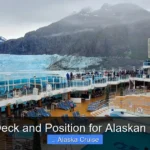
Choosing the best Alaska cruise for handicap accessibility doesn’t have to be overwhelming. With the right cruise line, ship features, and planning, travelers with mobility challenges can enjoy breathtaking glaciers, wildlife, and scenic ports in comfort and confidence.
Key Takeaways
- Choose a cruise line with strong accessibility policies: Holland America, Princess Cruises, and Celebrity Cruises lead in accessible cabins, elevators, and trained staff.
- Look for ships built or renovated after 2010: Newer vessels offer wider doorways, roll-in showers, and ADA-compliant public areas.
- Pre-book accessible shore excursions: Not all tours are wheelchair-friendly—reserve accessible options early through your cruise line or local providers.
- Request a wheelchair or scooter in advance: Most ships provide complimentary wheelchairs, but personal mobility devices should be arranged ahead of time.
- Travel with a companion if needed: Some activities require assistance, so having a travel partner ensures safety and enjoyment.
- Check port accessibility: While ships are well-equipped, some Alaskan ports have uneven terrain—research each stop beforehand.
- Use cruise line accessibility specialists: Many lines offer free consultations to help plan your trip based on your specific needs.
📑 Table of Contents
- Introduction: Cruising Alaska with Confidence and Comfort
- Why Alaska Is Worth the Journey for Handicap Travelers
- Top Cruise Lines for Handicap Accessibility in Alaska
- What to Look for in an Accessible Alaska Cruise Ship
- Planning Accessible Shore Excursions in Alaska
- Packing and Preparation Tips for Handicap Travelers
- Conclusion: Your Alaskan Adventure Awaits
Introduction: Cruising Alaska with Confidence and Comfort
Imagine standing on the deck of a luxury cruise ship, the crisp Alaskan air filling your lungs as a massive glacier calves into the sea with a thunderous splash. Or picture yourself sipping hot cocoa while a pod of humpback whales breaches just beyond the railing. Alaska is one of the world’s most awe-inspiring cruise destinations—but for travelers with mobility challenges, the dream of an Alaskan adventure can feel out of reach.
The good news? It doesn’t have to be. With thoughtful planning and the right cruise line, a trip to Alaska can be not only possible but truly unforgettable. The best Alaska cruise for handicap travelers combines accessible ship design, inclusive shore excursions, and compassionate staff to ensure every moment is enjoyable and stress-free. Whether you use a wheelchair, have limited mobility, or simply need extra support, modern cruise ships are more accommodating than ever before.
Why Alaska Is Worth the Journey for Handicap Travelers
Alaska offers a unique blend of natural beauty, wildlife, and cultural experiences that are hard to match anywhere else. From the towering peaks of the Inside Passage to the historic gold rush towns, every port tells a story. For travelers with disabilities, the key is finding a cruise that removes barriers—not just on the ship, but at every stop along the way.
Unlike other destinations, Alaska’s cruise routes are designed for scenic viewing from the ship itself. Many of the most spectacular sights—like Glacier Bay and Hubbard Glacier—are best enjoyed from the deck, where accessible viewing areas are common. This means you don’t need to be highly mobile to experience the grandeur of Alaska. Plus, cruise ships act as floating hotels, eliminating the need for constant packing and unpacking, which can be a major relief for travelers with physical limitations.
Accessibility Has Improved Dramatically in Recent Years
Gone are the days when cruise ships were difficult to navigate for anyone with mobility issues. Today’s vessels are built with accessibility in mind, especially those launched or refurbished after 2010. Features like step-free access, automatic doors, and elevators that serve every deck make it easier to get around. Many ships also offer accessible restrooms, dining areas, and entertainment venues.
Moreover, cruise lines have invested in staff training. Crew members are often trained in disability awareness and are ready to assist with everything from boarding to dining. Some lines even offer dedicated accessibility coordinators who can help plan your entire trip, from cabin selection to shore excursions.
The Emotional Reward of an Inclusive Adventure
Beyond the practical benefits, taking an Alaska cruise as a handicap traveler can be deeply empowering. It’s a chance to prove that adventure isn’t limited by physical ability. Many travelers report feeling a renewed sense of independence and joy after experiencing Alaska’s wonders without the usual stress of accessibility hurdles. The memories made—watching a bald eagle soar, hearing the silence of a fjord, or sharing a laugh with new friends—are priceless.
Top Cruise Lines for Handicap Accessibility in Alaska
Not all cruise lines are created equal when it comes to accessibility. Some go above and beyond to ensure travelers with disabilities have a seamless experience. Here are the top cruise lines offering the best Alaska cruise for handicap travelers in 2024 and beyond.
Holland America Line: A Leader in Accessibility
Holland America is often praised for its commitment to accessibility. Their ships, particularly the newer Rotterdam and Nieuw Statendam, feature fully accessible cabins with roll-in showers, lowered sinks, and ample turning space. Public areas are designed with wide corridors and gentle ramps, and elevators are spacious enough for wheelchairs and scooters.
The line also offers a detailed accessibility guide on its website, including deck plans and cabin specifications. Their staff is trained to assist with boarding, dining, and mobility needs. Plus, Holland America partners with local providers to offer accessible shore excursions in ports like Juneau, Ketchikan, and Skagway.
Princess Cruises: Scenic Views and Smart Design
Princess Cruises is another top choice for travelers with mobility challenges. Their ships, such as the Grand Princess and Discovery Princess, are built with accessibility in mind. Features include automatic doors, accessible theaters, and cabins with emergency alert systems.
One standout feature is the “Princess Luxury Bed,” which is lower to the ground and easier to get in and out of. The line also offers a “Mobility Assistance Program” that includes complimentary wheelchairs, priority boarding, and assistance with embarkation and disembarkation. Their Alaska itineraries often include Glacier Bay, a UNESCO World Heritage Site, with accessible viewing areas on the ship.
Celebrity Cruises: Modern Ships, Modern Accessibility
Celebrity Cruises has made significant strides in accessibility with its Edge-class ships, including the Celebrity Edge and Celebrity Apex. These vessels feature innovative design elements like the “Magic Carpet” platform, which is fully accessible and serves as a movable deck for tendering and dining.
Celebrity’s accessible cabins include roll-in showers, fold-down shower seats, and visual and auditory alarms. The line also offers a “Special Needs Desk” to help travelers with everything from dietary restrictions to mobility needs. Their Alaska cruises often include stops in Ketchikan and Juneau, with accessible tour options available.
Royal Caribbean: Innovation Meets Inclusion
Royal Caribbean is known for its cutting-edge ships, and their accessibility features are no exception. Ships like the Quantum of the Seas and Ovation of the Seas offer accessible staterooms with wide doorways, roll-in showers, and lowered peepholes. The ships also feature sensory rooms and quiet zones for travelers with sensory sensitivities.
Royal Caribbean’s “Accessibility Team” provides pre-cruise consultations and on-board support. They also offer a “Mobility Assistance Program” that includes priority boarding and assistance with tendering. While their Alaska itineraries are less frequent, they are worth considering for their modern amenities and inclusive design.
Small Ship Options: UnCruise Adventures
For travelers seeking a more intimate experience, UnCruise Adventures offers small-ship Alaska cruises with a focus on accessibility. Their vessels, such as the Wilderness Adventurer, are designed for adventure but also include accessible cabins and crew trained in disability support.
While not as large as mainstream cruise ships, UnCruise provides personalized service and flexible itineraries. They offer accessible kayaking and wildlife viewing, and their small size allows for closer access to remote areas. This option is ideal for travelers who want a more immersive Alaskan experience without sacrificing comfort.
What to Look for in an Accessible Alaska Cruise Ship
Choosing the right ship is crucial for a comfortable and enjoyable Alaska cruise. Here are the key features to look for when selecting the best Alaska cruise for handicap travelers.
Accessible Cabins: More Than Just a Roll-In Shower
An accessible cabin should be more than just a room with a roll-in shower. Look for features like:
- Wide doorways (at least 32 inches)
- Lowered light switches and thermostat controls
- Visual and auditory fire alarms
- Emergency call buttons within reach
- Fold-down shower seats and grab bars
- Ample floor space for wheelchair maneuvering
Most cruise lines offer detailed cabin diagrams online. Request a virtual tour or speak with an accessibility specialist to ensure the room meets your needs.
Public Areas and Amenities
The best ships have accessible public spaces, including:
- Restaurants with tables at varying heights
- Theaters with designated wheelchair seating
- Spa and fitness centers with accessible equipment
- Pool decks with zero-entry pools or pool lifts
- Lounges and bars with step-free access
Check if the ship has accessible restrooms on every deck, especially near dining and entertainment areas.
Elevators and Navigation
Elevators should be spacious, with Braille buttons and auditory announcements. Look for ships with elevators that serve all passenger decks, including the promenade and observation decks. Some ships even have “quiet elevators” for travelers who prefer less noise.
Corridors should be wide and free of obstacles. Automatic doors at key entry points make navigation easier, especially for those using mobility devices.
Boarding and Tendering
Boarding a cruise ship can be challenging, especially in ports without gangways. The best cruise lines offer priority boarding for travelers with disabilities and provide assistance with luggage and mobility devices.
Tendering—transferring from the ship to shore via smaller boats—can be tricky. Some ships have accessible tenders, while others offer alternative transportation. Always ask about tendering procedures when booking.
Onboard Services and Support
Look for cruise lines that offer:
- Complimentary wheelchairs and scooters
- Staff trained in disability awareness
- Accessible medical facilities
- Sign language interpreters (upon request)
- Dietary accommodations for special needs
Many lines also provide pre-cruise consultations to help plan your trip based on your specific requirements.
Planning Accessible Shore Excursions in Alaska
One of the biggest concerns for handicap travelers is whether they can enjoy shore excursions. The good news is that many Alaskan ports now offer accessible tours, but planning ahead is essential.
Juneau: Whale Watching and City Tours
Juneau, Alaska’s capital, is a popular stop with plenty of accessible options. Many whale-watching tours use boats with ramps and accessible restrooms. Companies like Harv and Marv’s Outback and Gastineau Guiding offer wheelchair-friendly vessels and knowledgeable guides.
For land-based activities, the Juneau City Tour includes stops at the Alaska State Capitol and the historic downtown area. Some buses are equipped with lifts, but it’s best to confirm accessibility when booking.
Ketchikan: Rainforest and Native Culture
Ketchikan is known for its lush rainforests and Native heritage. The Totem Bight State Historical Park has paved paths and accessible restrooms, making it a great option for wheelchair users. The Saxman Native Village also offers accessible tours of totem poles and cultural demonstrations.
For a unique experience, consider the Misty Fjords Flightseeing Tour. Many airlines offer accessible seating and assistance with boarding. The views of waterfalls and cliffs are breathtaking and can be enjoyed from the comfort of the plane.
Skagway: Gold Rush History and Scenic Railways
Skagway offers a glimpse into Alaska’s gold rush era. The White Pass and Yukon Route Railway is a must-see, but not all trains are accessible. However, the Skagway Depot has an accessible platform, and some trains offer wheelchair spaces with advance notice.
The town itself is compact and walkable, with many shops and museums on level ground. The Klondike Gold Rush National Historical Park has accessible exhibits and ranger-led tours.
Glacier Bay and Hubbard Glacier: Viewing from the Ship
Some of the most spectacular sights in Alaska are best enjoyed from the ship. Glacier Bay and Hubbard Glacier are UNESCO World Heritage Sites with massive glaciers that calve into the sea. Most ships have designated accessible viewing areas on the upper decks, often with heated glass enclosures for comfort.
These experiences require no disembarkation, making them ideal for travelers with limited mobility. Bring binoculars and a camera—you’ll want to capture the moment.
Booking Tips for Accessible Excursions
- Book through your cruise line’s accessibility desk for guaranteed accommodations.
- Ask about vehicle lifts, ramp access, and restroom availability.
- Confirm that guides are trained in disability awareness.
- Allow extra time for boarding and transfers.
- Consider private tours for more flexibility.
Packing and Preparation Tips for Handicap Travelers
Proper preparation can make all the difference in ensuring a smooth and enjoyable Alaska cruise. Here are some practical tips to help you get ready.
Medical and Mobility Equipment
Bring any necessary medical supplies, including medications, oxygen tanks (if approved by the cruise line), and spare batteries for mobility devices. Most ships have medical centers, but they may not carry specialized equipment.
If you use a wheelchair or scooter, check with the cruise line about storage and charging options. Some ships have designated areas for mobility devices, while others allow them in cabins.
Clothing and Weather Considerations
Alaska’s weather can be unpredictable, even in summer. Pack layers, including waterproof jackets, warm hats, and gloves. Non-slip shoes are essential, especially on deck where surfaces can be wet.
Consider bringing a lightweight, foldable wheelchair or scooter if your primary device is heavy. Some travelers rent equipment in port cities, but availability varies.
Travel Insurance and Documentation
Always purchase travel insurance that covers medical emergencies and trip cancellations. Make sure your policy includes coverage for pre-existing conditions and mobility equipment.
Bring copies of prescriptions, medical records, and a letter from your doctor outlining your needs. This can be helpful if you need medical attention while traveling.
Communicating with the Cruise Line
Contact the cruise line’s accessibility department at least 60 days before departure. Provide details about your mobility needs, dietary restrictions, and any assistance you may require.
Ask for a written confirmation of your accommodations, including cabin type, boarding assistance, and shore excursion bookings. This ensures there are no misunderstandings at the port.
Conclusion: Your Alaskan Adventure Awaits
An Alaska cruise is a journey of a lifetime—and it’s absolutely possible for travelers with mobility challenges. With the right cruise line, ship features, and planning, you can experience the raw beauty of glaciers, the thrill of wildlife sightings, and the charm of historic ports—all in comfort and confidence.
The best Alaska cruise for handicap travelers isn’t just about accessibility; it’s about inclusion, dignity, and the joy of discovery. Whether you’re sailing with Holland America, Princess, or a small adventure line, the memories you’ll make are worth every bit of preparation. So pack your bags, charge your camera, and get ready to explore the Last Frontier—your way.
Frequently Asked Questions
Are Alaska cruise ships wheelchair accessible?
Yes, most modern Alaska cruise ships are wheelchair accessible, with features like roll-in showers, wide doorways, and elevators. Ships built or renovated after 2010 typically meet or exceed ADA standards.
Can I bring my own wheelchair or scooter on a cruise?
Absolutely. Most cruise lines allow passengers to bring personal mobility devices. Notify the cruise line in advance so they can prepare storage and charging areas if needed.
Are shore excursions in Alaska accessible?
Many shore excursions are accessible, but not all. Book through your cruise line’s accessibility desk to ensure tours accommodate wheelchairs or limited mobility. Options include whale watching, city tours, and flightseeing.
Do I need a travel companion on an Alaska cruise?
It depends on your needs. While cruise staff can assist with boarding and basic needs, a travel companion may be helpful for activities requiring physical support, such as tendering or walking on uneven terrain.
What should I pack for an Alaska cruise as a handicap traveler?
Pack weather-appropriate clothing, medications, spare batteries, and any necessary medical documents. Consider a lightweight mobility device and non-slip footwear for safety on deck.
How far in advance should I book an accessible Alaska cruise?
Book at least 60–90 days in advance, especially for accessible cabins and shore excursions. This ensures availability and allows time to coordinate with the cruise line’s accessibility team.