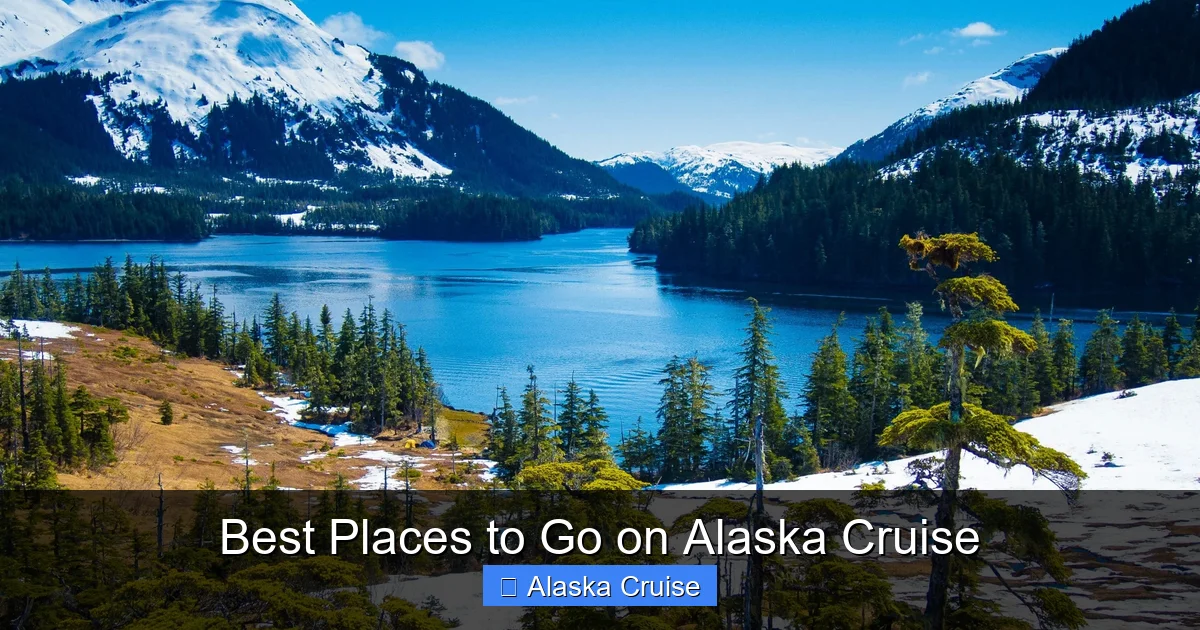
An Alaska cruise offers some of the most breathtaking scenery and wildlife encounters in the world. From towering glaciers to charming coastal towns, the best places to go on an Alaska cruise deliver unforgettable experiences above and beyond typical vacations.
Key Takeaways
- Glacier Bay National Park: A UNESCO World Heritage Site with active glaciers, humpback whales, and pristine wilderness.
- Juneau – Alaska’s Capital: Accessible only by boat or plane, it blends history, culture, and outdoor adventure.
- Ketchikan – The Salmon Capital: Known for totem poles, rainforests, and world-class fishing.
- Skagway – Gold Rush History: Step back in time with historic railroads and frontier charm.
- Hubbard Glacier – One of the Largest: Witness massive calving events and dramatic ice formations up close.
- Seward & Whittier – Gateway Ports: Launch points for Kenai Fjords tours and glacier hikes.
- Wildlife Viewing Opportunities: Spot bears, orcas, sea lions, and bald eagles in their natural habitats.
📑 Table of Contents
- Why an Alaska Cruise Should Be on Your Bucket List
- Glacier Bay National Park: A Natural Wonder
- Juneau: Alaska’s Unique Capital City
- Ketchikan: The Salmon Capital of the World
- Skagway: Step Back into the Gold Rush Era
- Hubbard Glacier: A Towering Ice Giant
- Seward and Whittier: Gateway to Kenai Fjords
- Wildlife Encounters: Alaska’s Greatest Show
- Choosing the Best Alaska Cruise for You
- Final Thoughts: Why Alaska Cruises Are Unforgettable
Why an Alaska Cruise Should Be on Your Bucket List
Imagine standing on the deck of a ship, wrapped in a cozy jacket, as a wall of blue ice calves into the sea with a thunderous crack. Or picture kayaking through calm waters surrounded by snow-capped peaks and curious sea otters. This is the magic of an Alaska cruise—a journey through one of the last true wildernesses on Earth.
An Alaska cruise isn’t just a vacation; it’s an immersion into raw, untamed nature. Unlike typical beach getaways, Alaska offers dramatic landscapes, abundant wildlife, and rich cultural history—all from the comfort of a modern cruise ship. Whether you’re a nature lover, history buff, or adventure seeker, the best places to go on an Alaska cruise deliver something for everyone.
Most Alaska cruises depart from Seattle or Vancouver and sail through the Inside Passage, a network of coastal waterways that wind between lush forests and rugged mountains. These routes offer protected waters, making for smooth sailing and excellent wildlife viewing. From May to September, the weather is mild, daylight stretches into the evening, and wildlife is most active—making it the ideal time to explore.
Glacier Bay National Park: A Natural Wonder
Visual guide about Best Places to Go on Alaska Cruise
Image source: evasion-online.com
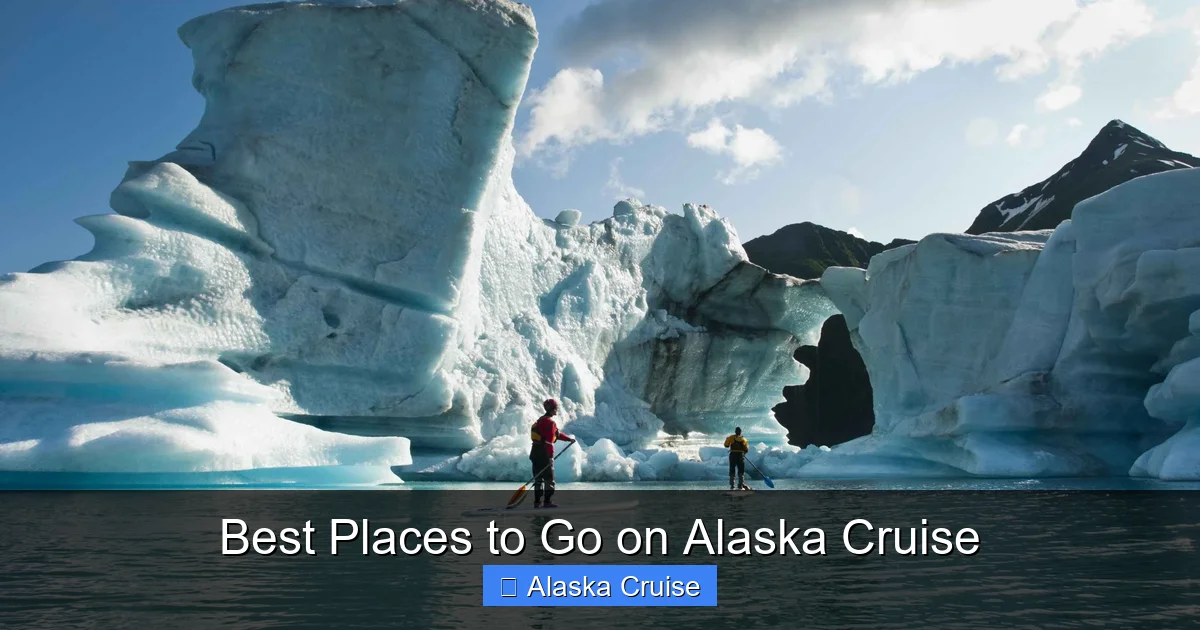
One of the crown jewels of any Alaska cruise is Glacier Bay National Park. This UNESCO World Heritage Site spans over 3.3 million acres and is home to some of the most dynamic glaciers on the planet. As your ship glides silently through the bay, you’ll witness massive tidewater glaciers—some over 200 feet tall—calving icebergs into the frigid waters below.
What Makes Glacier Bay Special
Glacier Bay is not just about ice—it’s a living laboratory of glacial retreat and ecological succession. Scientists have studied this area for decades, watching as glaciers recede and new plant and animal life take hold. The park is also home to a diverse array of wildlife, including humpback whales, harbor seals, sea otters, and brown bears.
The best way to experience Glacier Bay is from the ship’s deck or an outdoor observation area. Many cruise lines offer naturalist-led commentary, helping you identify wildlife and understand the geological forces at work. Some ships even slow to a near-stop, allowing passengers to soak in the silence and grandeur of the landscape.
Tips for Visiting Glacier Bay
– Bring binoculars for better wildlife spotting.
– Dress in layers—temperatures can drop quickly near the ice.
– Be patient. Wildlife sightings are never guaranteed, but the anticipation makes the moment even more thrilling.
A visit to Glacier Bay is often a highlight of the cruise, offering a rare chance to witness one of nature’s most powerful forces in action.
Juneau: Alaska’s Unique Capital City
Nestled between the Gastineau Channel and towering mountains, Juneau is unlike any other state capital in the U.S.—it’s only accessible by boat or plane, giving it a remote, frontier feel. As the second-largest city in Alaska by area, Juneau blends urban amenities with wild, natural beauty.
Top Attractions in Juneau
One of the most popular excursions from Juneau is a visit to the Mendenhall Glacier. Just 12 miles from downtown, this 13-mile-long glacier is easily accessible and offers stunning hiking trails, including the popular Nugget Falls trail. The visitor center provides educational exhibits and panoramic views of the glacier and surrounding valley.
For wildlife enthusiasts, a whale-watching tour is a must. Juneau is one of the best places in Alaska to see humpback whales, especially during the summer months when they feed on schools of herring. Many tours also spot orcas, sea lions, and porpoises.
Adventure and Culture Combined
Juneau also offers a taste of Alaska’s gold rush history. Take a ride on the Mount Roberts Tramway for sweeping views of the city and surrounding wilderness, or explore the Alaska State Museum to learn about Native Alaskan cultures and the state’s mining past.
If you’re feeling adventurous, consider a flightseeing tour over the Juneau Icefield. These small-plane excursions offer breathtaking aerial views of glaciers, snowfields, and mountain peaks—many of which are otherwise inaccessible.
Best Time to Visit Juneau
While Juneau is beautiful year-round, the cruise season (May to September) offers the best weather and most activities. Summer brings long days and mild temperatures, perfect for hiking and exploring.
Ketchikan: The Salmon Capital of the World
Known as the “Salmon Capital of the World,” Ketchikan is a charming coastal town rich in Native Alaskan culture and natural beauty. Located on Revillagigedo Island, Ketchikan is the first major port of call for many southbound cruises, offering a warm welcome with its colorful buildings and lush rainforest backdrop.
Totem Poles and Native Heritage
Ketchikan is famous for its totem poles, and no visit is complete without a stop at Totem Bight State Historical Park or the Saxman Native Village. These sites feature beautifully carved totems that tell stories of clan lineage, legends, and spiritual beliefs. Guided tours provide insight into the Tlingit, Haida, and Tsimshian cultures that have called this region home for thousands of years.
Outdoor Adventures in Ketchikan
For outdoor enthusiasts, Ketchikan offers world-class fishing, kayaking, and rainforest hikes. The Tongass National Forest—the largest national forest in the U.S.—surrounds the town, providing endless opportunities for exploration.
One popular excursion is a guided kayak tour through the Misty Fjords National Monument. This remote wilderness area features dramatic cliffs, waterfalls, and pristine waters teeming with wildlife. Paddling through this landscape feels like stepping into another world.
Local Flavors and Seafood
Don’t leave Ketchikan without trying fresh Alaskan seafood. Local restaurants serve up king crab, halibut, and, of course, wild-caught salmon. Many shops also offer smoked salmon and other local delicacies perfect for souvenirs.
Skagway: Step Back into the Gold Rush Era
With its wooden boardwalks, historic buildings, and mountain-lined harbor, Skagway looks like it’s been frozen in time since the late 1800s. This small town was once the bustling gateway to the Klondike Gold Rush, and today it’s a living museum of frontier life.
The White Pass and Yukon Route Railway
One of the most iconic experiences in Skagway is riding the White Pass and Yukon Route Railway. This narrow-gauge railroad was built in 1898 during the gold rush and climbs over 2,800 feet in just 20 miles, offering breathtaking views of waterfalls, gorges, and alpine scenery.
The train ride is both scenic and historic, with guides sharing stories of prospectors, engineers, and the harsh conditions they faced. Many tours include a stop at the summit, where you can walk across the U.S.-Canada border and enjoy panoramic views.
Gold Rush History and Local Charm
In town, explore the Klondike Gold Rush National Historical Park, which includes restored buildings, museums, and interpretive exhibits. Don’t miss the Red Onion Saloon, a former brothel turned museum that offers a cheeky look at Skagway’s wild past.
For a more active adventure, consider a guided hike or bike tour through the surrounding mountains. The Chilkoot Trail, once used by gold seekers, is now a popular hiking route that offers a glimpse into the challenges of the era.
Tips for Visiting Skagway
– Book excursions in advance, especially the train ride, as space is limited.
– Wear comfortable shoes—many attractions involve walking on uneven terrain.
– Bring a camera. The scenery is postcard-perfect at every turn.
Hubbard Glacier: A Towering Ice Giant
Stretching over 76 miles long and up to 7 miles wide, Hubbard Glacier is one of the largest and most active tidewater glaciers in North America. Located in Yakutat Bay, it’s a must-see stop on many Alaska cruise itineraries, especially for those sailing the Gulf of Alaska route.
Witnessing the Calving Process
One of the most thrilling aspects of visiting Hubbard Glacier is witnessing calving—the process where chunks of ice break off the glacier and crash into the water. These events can create waves large enough to rock the ship and send spray high into the air. The sound is unforgettable: a deep rumble followed by a thunderous splash.
Because the glacier is still advancing (growing), it occasionally blocks the entrance to Russell Fjord, creating a temporary lake. This phenomenon, known as a “Hubbard Dam,” has occurred several times in recent decades and is a testament to the glacier’s power.
Wildlife Around the Glacier
The waters around Hubbard Glacier are rich in marine life. Look for harbor seals resting on icebergs, sea lions basking on rocky outcrops, and seabirds diving for fish. Occasionally, humpback whales and orcas can be spotted feeding in the nutrient-rich waters.
Best Viewing Tips
– Stay on deck early in the morning or late in the afternoon when light is soft and wildlife is most active.
– Bring a zoom lens if you’re into photography—icebergs and wildlife can be far from the ship.
– Be prepared for cold winds near the glacier—dress warmly.
Seward and Whittier: Gateway to Kenai Fjords
While not always included on every cruise itinerary, Seward and Whittier are two important gateway ports that offer access to some of Alaska’s most spectacular natural attractions—particularly Kenai Fjords National Park.
Exploring Kenai Fjords National Park
From Seward, many travelers take a day cruise into Kenai Fjords to see glaciers, fjords, and abundant wildlife. The park is home to the Harding Icefield, which feeds over 40 glaciers, including the famous Exit Glacier. Hiking to Exit Glacier is a popular activity, offering close-up views of the ice and the surrounding alpine terrain.
Whale-watching tours from Seward are also highly rated, with chances to see orcas, humpback whales, and Dall’s porpoises. Sea kayaking and fishing charters are other popular options for those looking to get closer to nature.
Whittier: The Town Inside a Mountain
Whittier is a unique port town accessible only through a 2.5-mile tunnel carved through a mountain. Once a military base, Whittier now serves as a quiet gateway for cruise ships and adventurers heading into Prince William Sound.
From Whittier, you can take a boat tour into Prince William Sound, where you’ll find glaciers, sea otters, and dramatic fjords. Some tours even include a stop at the Columbia Glacier, one of the most rapidly retreating glaciers in the world.
Planning Your Visit
If your cruise includes Seward or Whittier, consider booking a full-day excursion to make the most of your time. These ports are often used as embarkation or disembarkation points, so you may have more flexibility to explore.
Wildlife Encounters: Alaska’s Greatest Show
One of the biggest draws of an Alaska cruise is the chance to see wildlife in its natural habitat. From the deck of your ship or on a guided shore excursion, you’ll have opportunities to spot some of the planet’s most iconic animals.
Marine Mammals
Alaska’s coastal waters are home to a rich variety of marine life. Humpback whales are commonly seen feeding in areas like Glacier Bay and Juneau. Orcas, or killer whales, are also frequent visitors, especially in the waters around Ketchikan and Seward.
Sea lions and harbor seals are often spotted lounging on rocks or icebergs, while sea otters float on their backs, cracking open shellfish with rocks. Keep an eye out for Dall’s porpoises, which often ride the bow wave of the ship, creating a playful wake.
Land Animals
Onshore, Alaska is home to brown bears, black bears, moose, mountain goats, and Sitka deer. Bear viewing is particularly popular in areas like Admiralty Island near Juneau and the Katmai National Park region. Many excursions include guided bear-watching tours, where you can observe these majestic animals from a safe distance.
Bald eagles are everywhere in Alaska—perched on trees, soaring overhead, or diving for fish. With over 30,000 eagles in the state, spotting one is almost guaranteed.
Birdwatching Paradise
Alaska is a birdwatcher’s dream. Puffins, cormorants, gulls, and a variety of seabirds nest along the coast during the summer months. The Pribilof Islands, though not on most cruise routes, are famous for their massive seabird colonies.
Choosing the Best Alaska Cruise for You
With so many cruise lines and itineraries to choose from, picking the right Alaska cruise can feel overwhelming. Here are a few tips to help you decide:
Cruise Line Options
Major cruise lines like Holland America, Princess Cruises, Norwegian Cruise Line, and Royal Caribbean all offer Alaska cruises. Each has its own style—some focus on luxury and relaxation, while others emphasize adventure and exploration.
Smaller expedition ships, like those from UnCruise Adventures or Lindblad Expeditions, offer a more intimate experience with expert naturalists and flexible itineraries.
Itinerary Length and Route
Most Alaska cruises last 7 to 10 days, but longer voyages (14+ days) are available for those who want a deeper experience. Round-trip cruises from Seattle or Vancouver typically follow the Inside Passage, while one-way cruises may include stops in Seward, Whittier, or even Anchorage.
Shore Excursions
Shore excursions are a big part of the Alaska cruise experience. Popular options include whale-watching, glacier hikes, dog sledding on icefields, and cultural tours. Book early, as many sell out quickly.
Packing Tips
Alaska’s weather can be unpredictable, even in summer. Pack layers, waterproof gear, sturdy shoes, and binoculars. Don’t forget sunscreen and insect repellent—mosquitoes can be abundant in some areas.
Final Thoughts: Why Alaska Cruises Are Unforgettable
An Alaska cruise is more than just a trip—it’s a journey into one of the world’s last great wildernesses. From the towering glaciers of Glacier Bay to the gold rush charm of Skagway, the best places to go on an Alaska cruise offer a mix of natural beauty, adventure, and cultural richness that’s hard to match.
Whether you’re marveling at a calving glacier, spotting a humpback whale breach, or learning about Native Alaskan traditions, every moment feels special. The combination of comfort on board and wildness ashore creates a unique travel experience that stays with you long after the voyage ends.
So if you’re looking for a vacation that’s equal parts relaxing and awe-inspiring, consider setting sail for Alaska. It’s not just a destination—it’s a transformation.
Frequently Asked Questions
What is the best time of year to take an Alaska cruise?
The best time for an Alaska cruise is from May to September. During these months, the weather is milder, daylight hours are longer, and wildlife is most active. July and August are the peak months, but June and September offer fewer crowds and lower prices.
Do I need a passport for an Alaska cruise?
It depends on your itinerary. If your cruise begins and ends in the same U.S. port (like Seattle), a passport is not required but highly recommended. However, if your cruise visits Canada or starts/ends in a foreign port, a passport is mandatory.
What should I pack for an Alaska cruise?
Pack layers, including a waterproof jacket, warm fleece, and moisture-wicking base layers. Bring sturdy walking shoes, binoculars, sunscreen, and a hat. Don’t forget a camera and extra batteries—charging opportunities may be limited on excursions.
Are Alaska cruises family-friendly?
Yes, many cruise lines offer family-friendly Alaska itineraries with kids’ clubs, educational programs, and age-appropriate excursions. Activities like whale-watching, train rides, and wildlife tours are enjoyable for all ages.
Can I see the Northern Lights on an Alaska cruise?
The Northern Lights are rarely visible during the summer cruise season due to nearly 24-hour daylight. However, some fall cruises (late September to early October) may offer a chance to see the aurora, especially in northern ports like Seward or Whittier.
How much do shore excursions cost?
Shore excursion prices vary widely, from $50 for a city tour to $300+ for flightseeing or dog sledding. Booking in advance can sometimes save money, and some cruise lines offer excursion packages. Always check what’s included to avoid surprises.