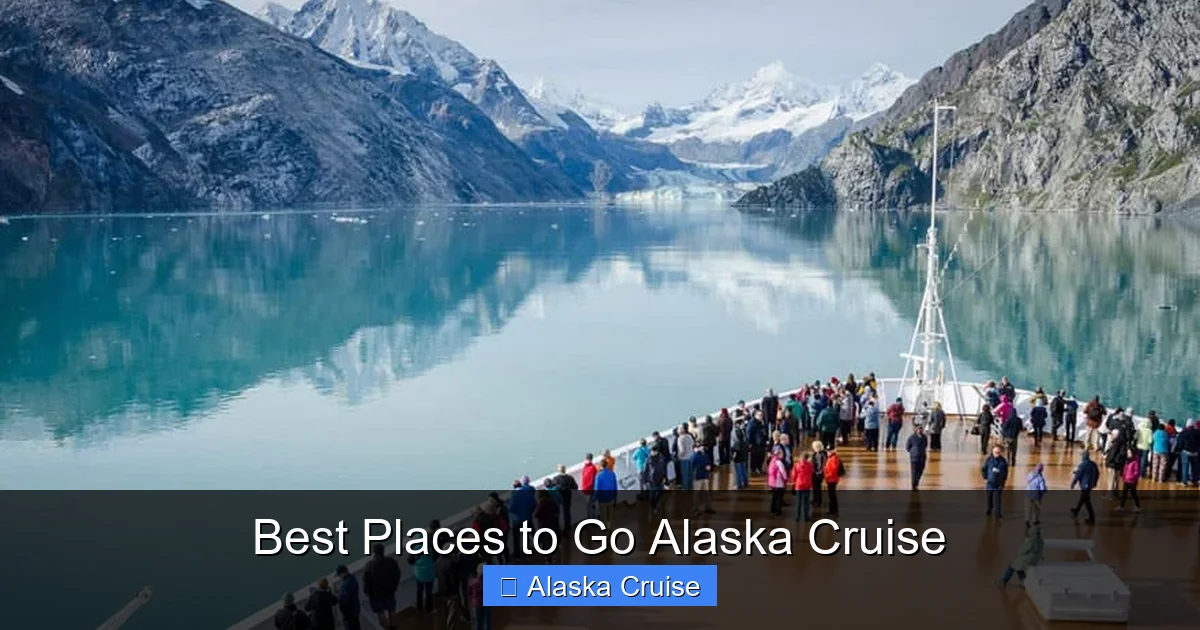
An Alaska cruise offers some of the most breathtaking scenery and wildlife encounters on Earth. From towering glaciers to charming coastal towns, the best places to go on an Alaska cruise include Glacier Bay, Juneau, Ketchikan, and Skagway—each offering unique adventures and unforgettable views.
Dreaming of icy fjords, towering glaciers, and whales breaching in crystal-clear waters? An Alaska cruise might just be the adventure of a lifetime. With its rugged coastline, dramatic landscapes, and abundant wildlife, Alaska offers one of the most spectacular cruise experiences on the planet. Whether you’re a nature lover, history buff, or simply in need of a scenic escape, the best places to go on an Alaska cruise deliver unforgettable moments at every turn.
Unlike typical tropical cruises, an Alaska voyage is all about immersion in raw, untamed nature. You’ll sail through narrow channels flanked by snow-capped mountains, watch glaciers calve into the sea with thunderous cracks, and spot bald eagles soaring above old-growth forests. The journey itself is as rewarding as the destinations, with panoramic views from your ship’s deck or a cozy cabin window. And while the scenery steals the show, the ports of call offer rich cultural experiences, outdoor adventures, and a taste of Alaska’s unique frontier spirit.
So, where should you go? The best places to go on an Alaska cruise aren’t just about pretty views—they’re about connection. Connection to nature, to history, and to the Indigenous cultures that have called this land home for thousands of years. From the icy wonders of Glacier Bay to the gold rush charm of Skagway, each stop tells a story. Whether you’re cruising with a major line like Holland America or Norwegian Cruise Line, or opting for a smaller expedition ship, these destinations promise memories that last a lifetime.
Key Takeaways
- Glacier Bay National Park: A UNESCO World Heritage Site with massive glaciers, calving ice, and abundant wildlife like humpback whales and sea otters.
- Juneau: Alaska’s capital, accessible only by boat or plane, offering glacier hikes, whale watching, and cultural experiences with the Tlingit people.
- Ketchikan: Known as the “Salmon Capital of the World,” this port features totem poles, rainforest trails, and rich Indigenous heritage.
- Skagway: A historic Gold Rush town with scenic train rides, hiking trails, and a glimpse into Alaska’s wild past.
- Seward and Whittier: Gateway ports to Kenai Fjords National Park, where you can see glaciers, puffins, and orcas up close.
- Hubbard Glacier: One of the largest tidewater glaciers in North America, offering dramatic ice calving and panoramic views.
- Best Time to Cruise: May through September offers mild weather, long daylight hours, and peak wildlife activity.
📑 Table of Contents
Glacier Bay National Park: A Natural Wonder
Few places on Earth compare to the raw beauty of Glacier Bay National Park. This UNESCO World Heritage Site and biosphere reserve spans over 3.3 million acres of pristine wilderness, making it one of the most protected and ecologically significant areas in Alaska. As your cruise ship glides silently through the bay, you’ll be surrounded by towering cliffs, dense temperate rainforests, and—most impressively—massive glaciers that stretch for miles.
One of the park’s most famous features is the Margerie and Grand Pacific Glaciers, which often calve massive chunks of ice into the water with a sound like thunder. These events are not only visually stunning but also a reminder of the dynamic, ever-changing nature of Alaska’s landscape. The park is also home to a rich array of wildlife, including humpback whales, sea otters, harbor seals, and brown bears. Birdwatchers will delight in spotting bald eagles, puffins, and cormorants nesting along the cliffs.
Cruise ships typically spend several hours in Glacier Bay, often accompanied by a National Park Service ranger who boards the ship to provide commentary and answer questions. This educational component adds depth to the experience, helping passengers understand the science behind glacier formation, the impact of climate change, and the importance of conservation. Some ships even offer live-streaming from underwater hydrophones so you can hear the sounds of marine life beneath the surface.
For the best views, head to the outer decks early in the morning when the light is soft and the water is calm. Bring binoculars and a camera with a good zoom lens—you’ll want to capture the moment a glacier calves or a whale breaches. And don’t forget a warm jacket; even in summer, the air near the glaciers can be chilly.
Juneau: Alaska’s Remote Capital
Visual guide about Best Places to Go Alaska Cruise
Image source: alaskaitinerary.com
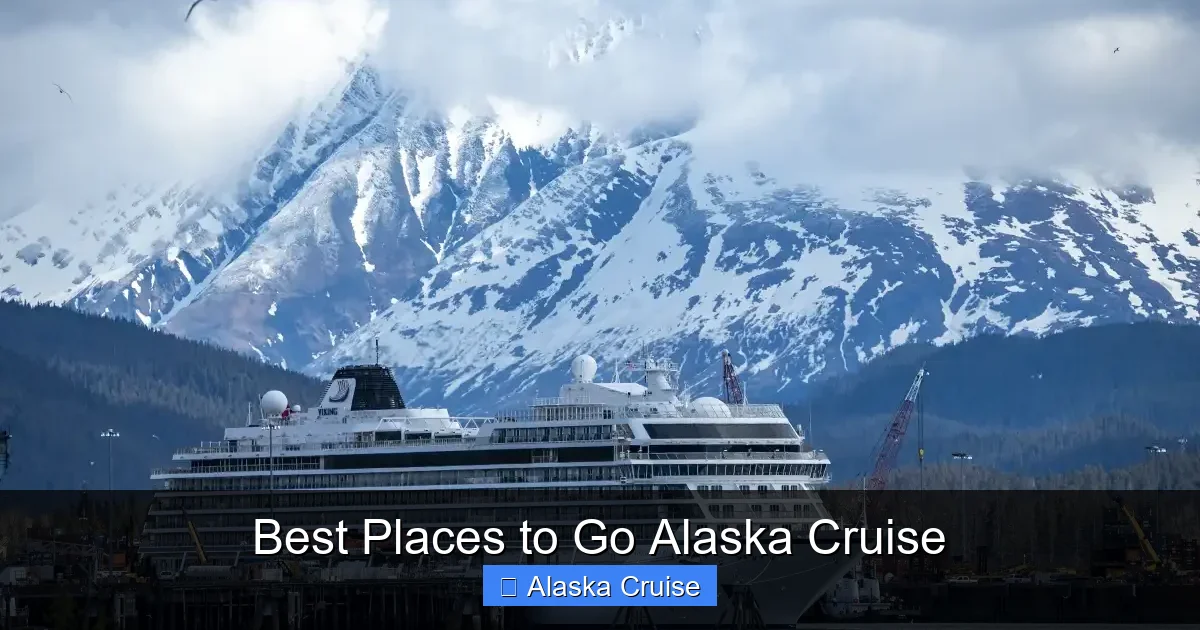
Nestled on the Gastineau Channel and surrounded by the Tongass National Forest, Juneau is unlike any other state capital in the U.S.—it’s accessible only by boat or plane, which adds to its sense of isolation and adventure. As the second-largest city in Alaska by area, Juneau blends urban amenities with wild, natural beauty, making it one of the best places to go on an Alaska cruise.
One of Juneau’s top attractions is the Mendenhall Glacier, a 13-mile-long river of ice that’s easily accessible via a short drive or shuttle from the cruise port. The Mendenhall Glacier Visitor Center offers exhibits on glaciology and local wildlife, while well-maintained trails lead to scenic overlooks and waterfalls. For a more immersive experience, consider a guided glacier hike or ice climbing tour with a local outfitter. These excursions allow you to walk on the glacier itself, exploring crevasses and ice caves with the help of crampons and professional guides.
Whale watching is another must-do in Juneau. The waters around the city are prime feeding grounds for humpback whales, and many cruise passengers book tours that depart directly from the dock. These small-boat excursions often get you within 100 yards of the whales, offering incredible photo opportunities and the chance to hear their haunting songs through underwater microphones. Orcas, sea lions, and porpoises are also commonly spotted.
Juneau is also rich in Indigenous culture. The Tlingit people have lived in the region for over 10,000 years, and their heritage is celebrated at sites like the Alaska State Museum and the Totem Bight State Historical Park. You can learn about traditional crafts, storytelling, and totem pole carving, or even attend a cultural performance during your visit.
For a taste of local flavor, stroll through downtown Juneau and stop by the farmers’ market (seasonal) or a waterfront café. Try fresh Alaskan king crab, salmon chowder, or a reindeer sausage—Alaska’s culinary scene is as bold as its landscapes.
Ketchikan: The Salmon Capital of the World
Known as the “Salmon Capital of the World,” Ketchikan is a vibrant port town perched on the edge of the Tongass National Forest, the largest national forest in the United States. With its colorful buildings, cascading waterfalls, and boardwalk-lined streets, Ketchikan offers a charming mix of natural beauty and cultural history.
One of the town’s most iconic attractions is the Creek Street Historic District, a series of wooden boardwalks built over Ketchikan Creek in the early 1900s. Once home to saloons and brothels during the timber and fishing boom, Creek Street now hosts gift shops, art galleries, and the famous Dolly’s House Museum, which preserves the legacy of Alaska’s last legal brothel.
Ketchikan is also a hub for Indigenous culture, particularly the Tlingit, Haida, and Tsimshian peoples. The Totem Heritage Center houses one of the largest collections of original 19th-century totem poles in the world, while the Saxman Native Village offers live totem pole carving demonstrations and cultural performances. Visitors can also take a guided tour of the village to learn about traditional dances, regalia, and the significance of clan symbols.
For outdoor enthusiasts, Ketchikan offers endless opportunities for adventure. The Deer Mountain Trail is a popular hike that rewards climbers with panoramic views of the town and surrounding islands. Meanwhile, the Rainforest Canopy Tour lets you zip-line through the treetops, offering a bird’s-eye view of the lush temperate rainforest.
Fishing is a way of life in Ketchikan, and many visitors book charter trips to try their hand at catching salmon, halibut, or rockfish. Even if you’re not an angler, you can witness the bustling activity at the local fish processing plants or sample fresh seafood at one of the waterfront restaurants.
Don’t miss the chance to take a floatplane tour over the Misty Fjords National Monument. These scenic flights offer breathtaking views of waterfalls, cliffs, and glacial valleys, often with the option to land on a remote lake for a wilderness walk.
Skagway: Gateway to the Gold Rush
Step back in time in Skagway, a historic town that played a pivotal role in the Klondike Gold Rush of the late 1890s. With its false-front buildings, wooden boardwalks, and lively saloons, Skagway feels like a living museum of the Wild West. But beyond the nostalgia, this charming port offers some of the most scenic and adventurous experiences on an Alaska cruise.
The crown jewel of Skagway is the White Pass and Yukon Route Railway, often called the “Gateway to the Klondike.” This narrow-gauge railroad was built in 1898 to transport prospectors and supplies over the Coast Mountains to the goldfields of the Yukon. Today, the train ride is a must-do, offering dramatic views of steep cliffs, cascading waterfalls, and the original trail used by stampeders. The journey climbs over 2,800 feet in just 20 miles, with stops at scenic overlooks and historic sites along the way.
For those who prefer to explore on foot, Skagway offers several hiking trails, including the scenic Dewey Lakes Trail and the challenging Chilkoot Trail, which follows the route used by gold seekers over a century ago. Guided hikes often include stories of the hardships faced by prospectors, from freezing temperatures to treacherous terrain.
Skagway is also a great place to learn about Alaska’s Indigenous history. The Gold Rush brought an influx of settlers, but the land has been home to the Tlingit people for millennia. The Moore Homestead, one of the oldest homes in Skagway, offers insights into early settler life, while the local visitor center features exhibits on Tlingit culture and the impact of the gold rush on Native communities.
After a day of exploring, unwind with a drink at the Red Onion Saloon, a restored brothel turned museum and bar, or enjoy live music at one of the town’s many venues. Skagway’s small size makes it easy to explore on foot, and most attractions are within walking distance of the cruise dock.
Seward and Whittier: Portals to Kenai Fjords
While not always listed as primary ports on every Alaska cruise itinerary, Seward and Whittier are essential stops for travelers seeking to explore the Kenai Fjords National Park. These gateway towns offer access to some of the most dramatic coastal scenery in Alaska, including fjords carved by glaciers, abundant marine life, and the famous Exit Glacier.
Seward, located on the Resurrection Bay, is a bustling fishing port with a laid-back vibe. It’s the perfect base for day trips into Kenai Fjords National Park, where boat tours take you past towering sea cliffs, sea lion colonies, and tidewater glaciers. One of the most popular excursions is a fjord cruise that ventures into Aialik Bay, where you can witness glaciers calving and spot orcas, humpback whales, and puffins.
Whittier, on the other hand, is a small, quirky town accessible via the Anton Anderson Memorial Tunnel—the longest highway tunnel in North America that also accommodates rail traffic. Despite its remote feel, Whittier is a major cruise port due to its deep-water harbor and proximity to Prince William Sound. From here, you can take a boat tour through the sound, where glaciers, waterfalls, and icebergs create a surreal landscape.
Both towns offer opportunities for kayaking, hiking, and wildlife viewing. In Seward, the Alaska SeaLife Center provides an up-close look at marine animals like sea otters, puffins, and harbor seals, many of which are rescued and rehabilitated. In Whittier, the Begich Towers—a single 14-story building that houses most of the town’s residents—offers a unique glimpse into life in a remote Alaskan community.
Hubbard Glacier: The Crown Jewel of Ice
No discussion of the best places to go on an Alaska cruise is complete without mentioning Hubbard Glacier. At over 76 miles long and nearly 7 miles wide at its terminus, it’s one of the largest tidewater glaciers in North America. Located in Yakutat Bay, near the border of Alaska and Canada, Hubbard Glacier is a highlight on many cruise itineraries, especially those that venture into the Gulf of Alaska.
What makes Hubbard Glacier so special is its sheer scale and activity. Unlike many glaciers that are retreating, Hubbard has been advancing for over a century, occasionally blocking the entrance to Russell Fjord and creating a temporary lake. This dynamic behavior makes it a living laboratory for glaciologists and a thrilling spectacle for visitors.
Cruise ships typically approach the glacier’s face, often getting within a mile or two, allowing passengers to witness massive ice calving events. These moments—when chunks of ice the size of buildings break off and crash into the water—are both awe-inspiring and humbling. The sound can be heard from the ship, and the resulting waves ripple across the bay.
Wildlife is also abundant in the area. Look for harbor seals resting on ice floes, bald eagles perched on rocky outcrops, and, if you’re lucky, a pod of orcas or humpback whales feeding in the nutrient-rich waters. The surrounding mountains and forests add to the dramatic backdrop, making Hubbard Glacier one of the most photographed natural wonders in Alaska.
For the best experience, dress warmly and bring a camera with a telephoto lens. The glacier is most active in the summer months, and early morning visits often offer the calmest waters and clearest views.
Tips for Choosing the Best Alaska Cruise Itinerary
With so many incredible destinations, choosing the right Alaska cruise can feel overwhelming. Here are some practical tips to help you pick the best places to go on an Alaska cruise based on your interests and travel style.
First, consider the time of year. The Alaska cruise season runs from May to September, with each month offering a different experience. May and June are ideal for fewer crowds and blooming wildflowers, while July and August offer the warmest weather and peak wildlife activity. September brings stunning fall colors and the chance to see the northern lights in some areas.
Next, think about the type of cruise you want. Major lines like Princess, Holland America, and Royal Caribbean offer larger ships with more amenities, while smaller expedition vessels like those from UnCruise Adventures or Lindblad Expeditions provide a more intimate, nature-focused experience with expert guides and Zodiac landings.
Look for itineraries that include a mix of glacier viewing, wildlife watching, and cultural experiences. The best Alaska cruises balance scenic cruising in places like Glacier Bay and Hubbard Glacier with port stops in towns like Juneau, Ketchikan, and Skagway. Some cruises also include a land tour extension, allowing you to explore Denali National Park or take a scenic train ride on the Alaska Railroad.
Finally, book early—especially if you’re traveling during peak season. Popular itineraries and cabins fill up quickly, and early bookings often come with perks like onboard credit or free upgrades.
Conclusion
An Alaska cruise is more than just a vacation—it’s a journey into one of the last great wildernesses on Earth. The best places to go on an Alaska cruise offer a perfect blend of natural wonder, cultural richness, and outdoor adventure. From the icy majesty of Glacier Bay to the gold rush charm of Skagway, each destination tells a story of resilience, beauty, and discovery.
Whether you’re watching a glacier calve into the sea, hiking through a rainforest, or learning about Indigenous traditions, an Alaska cruise connects you to the wild heart of the Last Frontier. With careful planning and a sense of adventure, your trip can be as unforgettable as the landscapes themselves.
So pack your layers, charge your camera, and get ready to explore the best places to go on an Alaska cruise. The mountains are calling—and you won’t want to miss what’s waiting around the next bend.
Frequently Asked Questions
What is the best time of year for an Alaska cruise?
The best time for an Alaska cruise is from May to September. May and June offer fewer crowds and blooming wildflowers, while July and August provide the warmest weather and peak wildlife activity. September brings fall colors and a chance to see the northern lights.
Do I need a passport for an Alaska cruise?
If your cruise begins and ends in the same U.S. port (like Seattle or Vancouver), a passport is not required for U.S. citizens. However, it’s highly recommended in case of emergencies or unexpected itinerary changes.
What should I pack for an Alaska cruise?
Pack layers, including a waterproof jacket, warm sweaters, gloves, and a hat. Waterproof footwear is essential for shore excursions. Don’t forget sunscreen, sunglasses, binoculars, and a camera with extra batteries.
Can I see whales on an Alaska cruise?
Yes! Humpback whales, orcas, and gray whales are commonly spotted, especially in areas like Juneau, Ketchikan, and the Inside Passage. Many cruises offer whale-watching excursions or guarantee sightings.
Are Alaska cruises suitable for families?
Absolutely. Many cruise lines offer family-friendly activities, kids’ clubs, and educational programs. Shore excursions like wildlife tours and train rides are fun and engaging for all ages.
How long is a typical Alaska cruise?
Most Alaska cruises last between 7 and 14 days. Shorter itineraries often focus on the Inside Passage, while longer cruises may include the Gulf of Alaska or a land tour extension.