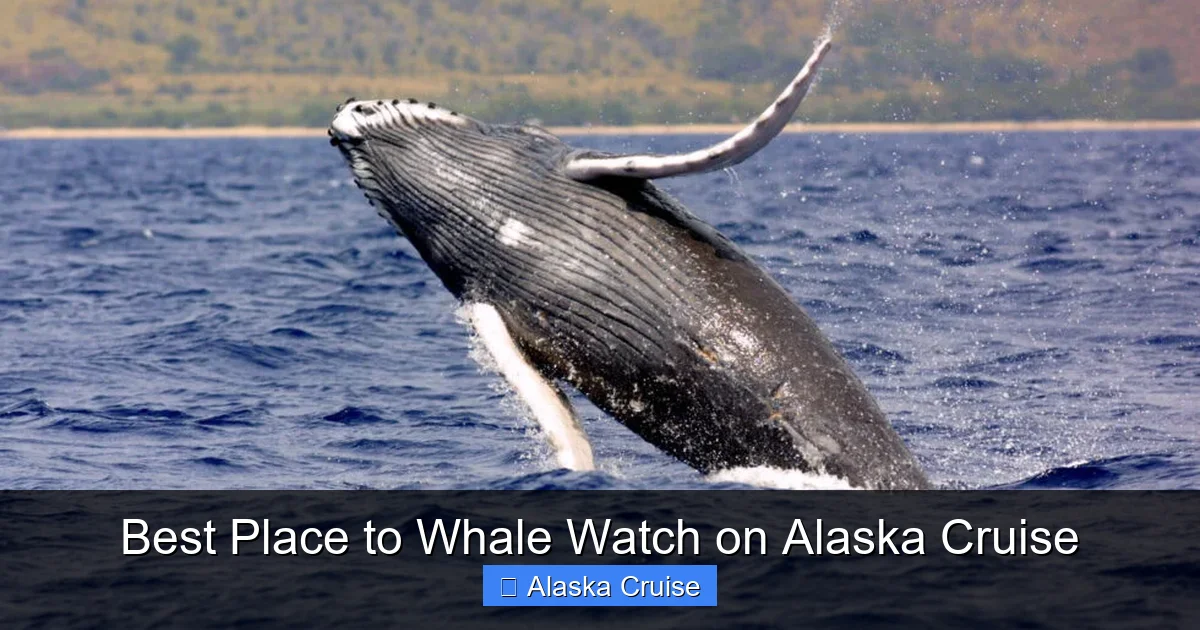
Whale watching on an Alaska cruise is a once-in-a-lifetime experience, and knowing the best place to whale watch can make all the difference. From the nutrient-rich waters of Glacier Bay to the bustling marine highways near Juneau, Alaska offers some of the world’s most reliable whale sightings. Whether you’re a first-time cruiser or a seasoned traveler, this guide will help you spot majestic humpbacks, orcas, and more in their natural habitat.
Imagine standing on the deck of your Alaska cruise ship, the crisp coastal breeze brushing your face, the scent of salt and pine in the air. Suddenly, a plume of mist shoots into the sky—then another. A massive humpback whale breaches, its powerful body arcing out of the water before crashing back down in a thunderous splash. Moments later, a pod of orcas glides silently past, their sleek black-and-white forms cutting through the deep blue. This isn’t a scene from a documentary—it’s what you can experience when you know the best place to whale watch on an Alaska cruise.
Alaska’s coastline is a marine paradise, teeming with life and natural wonders. From the towering glaciers of Glacier Bay to the lush rainforests of the Tongass National Forest, the state offers some of the most dramatic and biodiverse environments on Earth. And at the heart of this ecosystem are the whales—majestic, intelligent, and awe-inspiring creatures that draw travelers from around the globe. Whether you’re cruising with a major line like Holland America, Princess, or Norwegian, or opting for a smaller expedition vessel, whale watching is often a highlight of the journey. But not all ports or routes are created equal. Some locations consistently deliver unforgettable encounters, while others may leave you scanning empty waters.
So, where should you be when the captain announces, “Whales ahead!”? The answer depends on timing, location, and a bit of luck—but with the right knowledge, you can dramatically increase your chances of witnessing these gentle giants up close. In this guide, we’ll explore the best places to whale watch on an Alaska cruise, share insider tips from seasoned cruisers and naturalists, and help you plan the ultimate marine adventure. Whether you’re dreaming of a humpback’s tail slap or the haunting call of a pod of orcas, Alaska delivers—if you know where to look.
Key Takeaways
- Juneau is the top whale-watching destination on Alaska cruises due to its proximity to Auke Bay and Stephens Passage, where humpbacks gather in summer.
- Glacier Bay National Park offers pristine, protected waters ideal for spotting humpback whales feeding near calving glaciers.
- Ketchikan’s Misty Fjords and Tongass Narrows provide early-season whale sightings, especially in May and June.
- Whale activity peaks between May and September, with July and August offering the highest chances of sightings.
- Onboard naturalists and guided excursions enhance your experience by providing expert insights and increasing sighting odds.
- Bring binoculars, dress in layers, and book shore excursions early to maximize your whale-watching success.
- Respect wildlife guidelines—maintain distance, avoid loud noises, and follow ship protocols to protect marine life.
📑 Table of Contents
Why Alaska Is a Whale-Watching Paradise
Alaska’s cold, nutrient-rich waters create a perfect feeding ground for a variety of whale species. The long daylight hours of summer fuel explosive plankton blooms, which attract schools of herring, salmon, and capelin—the favorite snacks of large whales. This abundance of food draws whales from thousands of miles away, making Alaska one of the few places on Earth where you can reliably see multiple species in a single trip.
Humpback whales are the stars of the show, known for their acrobatic breaches, complex songs, and bubble-net feeding techniques. Orcas, or killer whales, are also common, especially in areas with high seal and sea lion populations. Gray whales migrate along the coast in spring and fall, while minke and fin whales occasionally make appearances. Even the elusive blue whale has been spotted in rare instances.
What makes Alaska unique is not just the number of whales, but the intimacy of the encounters. Unlike whale-watching tours in more developed coastal areas, Alaska’s remote fjords and protected parks offer a sense of wildness and solitude. You’re not just watching whales—you’re sharing space with them in a landscape that feels untouched by time.
Top Whale-Watching Destinations on Alaska Cruises
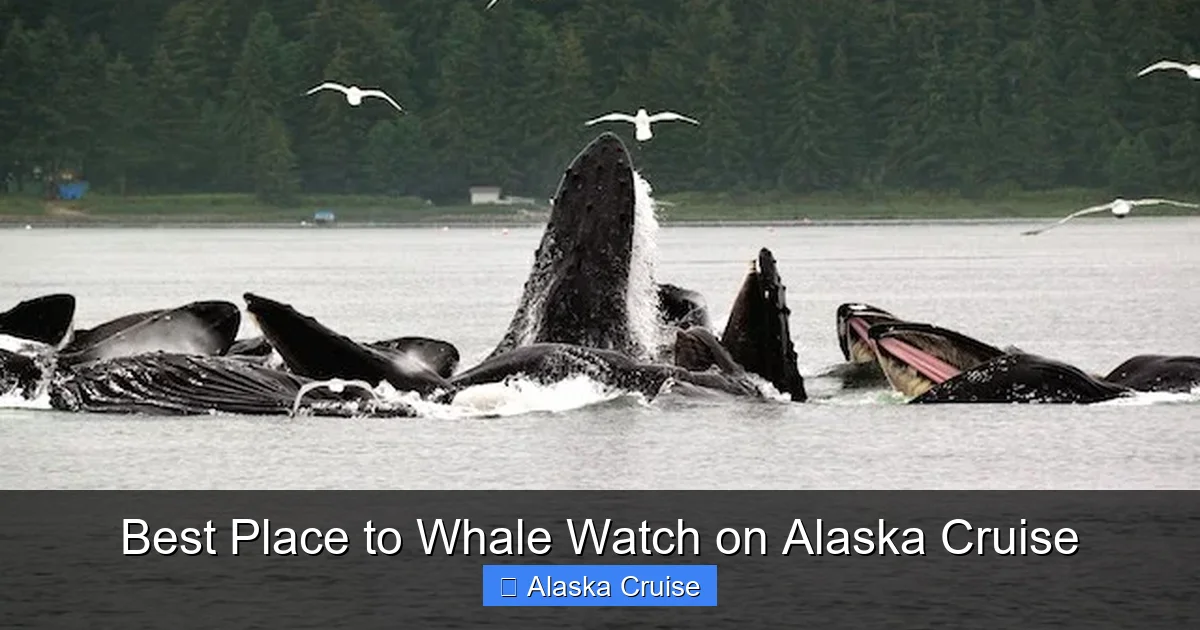
Visual guide about Best Place to Whale Watch on Alaska Cruise
Image source: alaskashoreexcursions.com
Juneau: The Whale-Watching Capital of Alaska
If there’s one port that consistently delivers on whale sightings, it’s Juneau. As the state capital and a major cruise hub, Juneau offers easy access to some of the richest marine habitats in Southeast Alaska. The waters around Auke Bay and Stephens Passage are prime feeding grounds for humpback whales, especially from June through August.
Many cruise lines offer dedicated whale-watching excursions from Juneau, often in partnership with local eco-tour operators. These small-boat tours venture into the narrow channels where whales gather to feed on herring. Naturalists on board explain whale behavior, migration patterns, and conservation efforts, turning a simple boat ride into an educational adventure.
One popular tour departs from Auke Bay and heads toward Point Adolphus, a rocky headland where currents converge and bait balls form. It’s not uncommon to see multiple humpbacks feeding simultaneously, using coordinated bubble nets to corral fish. On a lucky day, you might even spot a mother whale teaching her calf to breach.
Even without a shore excursion, Juneau offers excellent whale-watching opportunities from the ship. As your cruise navigates Stephens Passage, keep your eyes peeled for spouts and dorsal fins. The calm waters and clear skies make for ideal viewing conditions.
Glacier Bay National Park: A Pristine Whale Sanctuary
Glacier Bay is more than just a glacier destination—it’s a UNESCO World Heritage Site and a critical habitat for marine mammals. The park’s protected waters are home to a thriving population of humpback whales, drawn by the abundance of krill and small fish that thrive in the cold, glacial meltwater.
What sets Glacier Bay apart is its sheer scale and wildness. As your ship glides past towering icebergs and calving glaciers, you’ll share the waters with whales that seem just as majestic as the landscape. The park’s strict visitor limits ensure minimal human disturbance, allowing whales to feed and socialize in peace.
Naturalists aboard most cruise ships provide commentary during the Glacier Bay transit, pointing out whale spouts, seabird colonies, and glacial features. Some ships even slow down or stop in areas known for high whale activity, giving passengers extra time to observe.
One of the best spots within the park is Bartlett Cove, where humpbacks often gather in early summer. As the glaciers retreat and release nutrients into the water, plankton blooms attract fish—and fish attract whales. It’s not unusual to see whales feeding just a few hundred yards from the ship.
Ketchikan: Early-Season Whale Hotspot
Ketchikan, known as the “Salmon Capital of the World,” is another excellent whale-watching destination—especially in the early part of the season. Located in the heart of the Tongass National Forest, Ketchikan offers access to the Misty Fjords and Tongass Narrows, both of which are frequented by humpbacks and orcas.
The narrow, winding channels around Ketchikan create ideal conditions for whale feeding. Currents funnel bait fish into tight spaces, making it easier for whales to hunt. In May and June, before the peak summer crowds arrive, you’re more likely to have intimate encounters with fewer boats around.
Many Ketchikan whale-watching tours combine wildlife viewing with cultural experiences, such as visiting a Tlingit village or exploring a historic cannery. These excursions often include a stop at a salmon hatchery, where you can learn about the lifecycle of salmon—the same fish that sustain the local whale population.
One standout tour takes you through the Tongass Narrows toward the Tongass National Forest. As you glide past old-growth cedar trees and cascading waterfalls, keep an eye out for whale spouts in the distance. The combination of forest and sea makes for a uniquely Alaskan experience.
Sitka: A Hidden Gem for Whale Enthusiasts
While not on every cruise itinerary, Sitka is a hidden gem for whale watchers. This historic Russian-American town sits on the outer coast of Baranof Island, where the Pacific Ocean meets the Inside Passage. The open waters here attract a variety of marine life, including humpbacks, orcas, and even the occasional gray whale.
Sitka’s location makes it a prime spot for spotting orcas, especially in late summer when they follow salmon runs into the area. The waters around Salisbury Sound and Kruzof Island are particularly rich in marine activity.
Local tour operators offer small-boat excursions that venture into these remote areas, often with a focus on photography and wildlife observation. Because Sitka sees fewer cruise ships than Juneau or Ketchikan, you’re more likely to have a peaceful, uncrowded experience.
One popular tour includes a visit to St. Michael’s Cathedral and a stop at a sea otter rehabilitation center, blending culture, history, and nature into a single outing.
Hubbard Glacier and Disenchantment Bay: The Northern Frontier
For cruisers heading further north, Hubbard Glacier offers a dramatic backdrop for whale watching. While the glacier itself is the main attraction, the waters of Disenchantment Bay and Yakutat Bay are known for humpback and minke whale sightings.
The cold, nutrient-rich waters near the glacier support a healthy ecosystem, and whales often feed in the shadow of the ice. Because this area is less visited, sightings can be more sporadic—but all the more rewarding when they happen.
Some expedition-style cruises offer Zodiac excursions into the bay, allowing for closer approaches to both ice and wildlife. These small boats can navigate shallow areas where larger ships can’t go, increasing your chances of a close encounter.
Best Time to Whale Watch on an Alaska Cruise
Timing is everything when it comes to whale watching in Alaska. While whales can be seen from May through September, the peak season runs from mid-June to mid-August. During these months, daylight lasts up to 18 hours, and the waters are rich with food.
May–Early June: The Start of the Season
In May and early June, the first humpbacks arrive from their winter breeding grounds in Hawaii and Mexico. These early-season whales are often hungry and actively feeding, making them easier to spot. Orcas are also common, especially in areas with high seal populations.
The advantage of traveling early is fewer crowds and lower prices. However, weather can be unpredictable, and some excursions may be canceled due to rough seas.
July–August: Peak Whale Activity
July and August are the prime months for whale watching. The waters are warmest, the days are longest, and the whales are at their most active. Humpbacks are frequently seen breaching, tail slapping, and bubble-net feeding. Orcas are also common, particularly in areas like Stephens Passage and Salisbury Sound.
This is also the busiest time for cruise ships, so booking shore excursions early is essential. Many popular tours sell out weeks in advance.
September: The Quiet Goodbye
As summer winds down, whales begin their migration south. While sightings are still possible, they become less frequent. However, September offers stunning fall colors, fewer tourists, and a more peaceful experience.
Tips for a Successful Whale-Watching Experience
Book Shore Excursions Early
The best whale-watching tours fill up quickly, especially in peak season. Book your excursions as soon as your cruise itinerary is confirmed—many lines allow pre-booking online.
Bring the Right Gear
Pack binoculars, a waterproof jacket, and a camera with a good zoom lens. Even if your ship has observation decks, binoculars help you spot distant spouts and dorsal fins.
Dress in Layers
Alaska’s weather can change rapidly. Wear moisture-wicking base layers, a warm mid-layer, and a waterproof outer shell. Don’t forget gloves and a hat—even in summer, it can be chilly on the water.
Listen to the Naturalists
Most cruise ships have onboard naturalists who provide commentary during scenic transits. Pay attention—they’ll point out whale activity, explain behavior, and share fascinating facts about marine life.
Be Patient and Respectful
Whale watching requires patience. Not every day will deliver a breach, but even a distant spout can be thrilling. Always follow wildlife guidelines: maintain a safe distance, avoid loud noises, and never chase or feed the animals.
Conclusion: Make the Most of Your Alaska Whale-Watching Adventure
Whale watching on an Alaska cruise is more than just a tourist activity—it’s a chance to connect with one of the planet’s most magnificent creatures in a setting of breathtaking beauty. Whether you’re in Juneau, Glacier Bay, or Ketchikan, the experience of seeing a humpback whale breach or an orca glide past your ship is unforgettable.
By choosing the right destinations, timing your trip wisely, and preparing with the right gear and mindset, you can maximize your chances of a successful whale-watching adventure. Remember, the best place to whale watch on an Alaska cruise isn’t just about location—it’s about being present, patient, and open to the magic of the moment.
So pack your bags, bring your camera, and get ready for an Alaskan journey you’ll never forget. The whales are waiting.
Frequently Asked Questions
When is the best time to see whales on an Alaska cruise?
The best time is from mid-June to mid-August, when humpback and orca whales are most active and abundant. July offers the highest chances of sightings due to peak feeding activity.
Which Alaska cruise port has the most reliable whale sightings?
Juneau is considered the top whale-watching port, with frequent sightings in Auke Bay and Stephens Passage. Its proximity to rich feeding grounds makes it a favorite among naturalists and cruisers.
Can you see whales from the cruise ship without a shore excursion?
Yes, many whales are spotted during scenic transits, especially in Glacier Bay and Stephens Passage. Onboard naturalists often point out activity, and observation decks provide great views.
What should I bring for whale watching on an Alaska cruise?
Bring binoculars, a waterproof jacket, layered clothing, and a camera with zoom. Don’t forget sunscreen and motion sickness medication if needed.
Are whale-watching tours safe for children?
Yes, most tours are family-friendly and led by experienced guides. Children under a certain age may need to wear life jackets, and parents should supervise closely on small boats.
What happens if no whales are seen during a tour?
Some operators offer partial refunds or free return trips if no whales are spotted. Check the company’s policy before booking to understand their guarantee.