Alaska’s most unforgettable cruise destinations blend jaw-dropping glaciers, wild coastlines, and rich culture. From Glacier Bay’s icy wonders to Juneau’s vibrant heart, these ports offer once-in-a-lifetime experiences right from your ship’s deck.
Key Takeaways
- Glacier Bay National Park is a must-see: This UNESCO World Heritage Site offers up-close views of calving glaciers and diverse wildlife, best experienced from a cruise ship.
- Juneau combines adventure and culture: Alaska’s capital is accessible only by boat or plane, offering glacier hikes, whale watching, and historic charm.
- Ketchikan is the gateway to Indigenous heritage: Known as the “Salmon Capital of the World,” it’s rich in Tlingit culture and rainforest trails.
- Skagway brings Gold Rush history to life: This preserved frontier town offers scenic train rides and gold panning fun.
- Cruise ships offer unique access: Many Alaskan wonders, like tidewater glaciers, are best—and sometimes only—viewed from the water.
- Wildlife sightings are common: Expect to see humpback whales, sea lions, bald eagles, and brown bears from your ship or excursions.
- Timing matters: May to September offers the best weather, calmer seas, and peak wildlife activity.
📑 Table of Contents
- Why Alaska Cruises Are a Once-in-a-Lifetime Experience
- Glacier Bay National Park: The Crown Jewel of Alaska Cruises
- Juneau: Alaska’s Capital of Adventure and Culture
- Ketchikan: The Gateway to Indigenous Culture and Rainforests
- Skagway: Step Back into the Gold Rush Era
- Other Notable Stops: Sitka, Haines, and Hubbard Glacier
- Tips for Choosing the Best Alaska Cruise Itinerary
- Conclusion: Why Alaska Cruises Are Worth It
Why Alaska Cruises Are a Once-in-a-Lifetime Experience
Imagine standing on the deck of a cruise ship, the crisp Alaskan air filling your lungs, as a massive wall of ice calves into the sea with a thunderous crack. Or spotting a humpback whale breaching just 50 yards from your vessel, its tail fluke glistening in the sun. These aren’t scenes from a nature documentary—they’re everyday moments on an Alaska cruise.
Alaska is one of the last true wilderness frontiers, and a cruise ship is one of the best ways to explore it. Unlike road trips or flights, cruises let you glide through fjords, past glaciers, and alongside towering mountains—all from the comfort of a floating hotel. You wake up in a new port each morning, often with a front-row seat to nature’s greatest shows. Whether you’re sipping coffee as a glacier calves or spotting a black bear foraging on a shoreline, the magic of Alaska unfolds right outside your window.
But with so many ports and natural wonders, where should you go? Not every stop is created equal. Some offer glacier views, others wildlife, and a few deliver a mix of history, culture, and adventure. The best place to visit in Alaska in a cruise ship depends on what you’re looking for—but a few destinations consistently rise to the top. From the icy grandeur of Glacier Bay to the historic charm of Skagway, let’s explore the must-see stops that make an Alaska cruise unforgettable.
Glacier Bay National Park: The Crown Jewel of Alaska Cruises
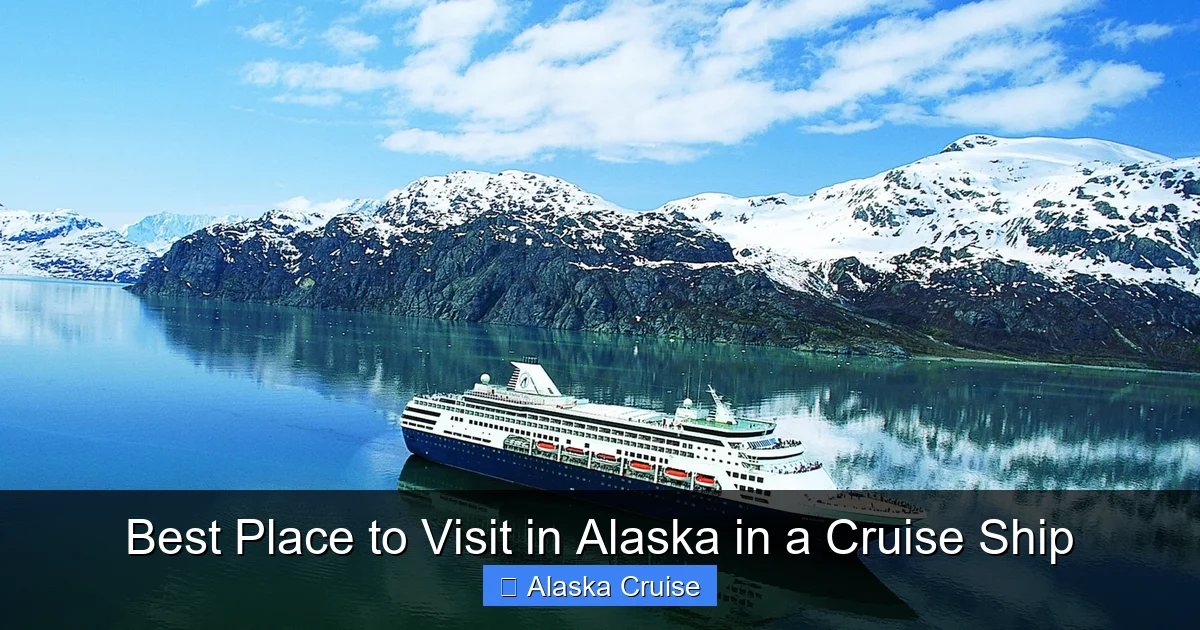
Visual guide about Best Place to Visit in Alaska in a Cruise Ship
Image source: royalcaribbeanblog.com
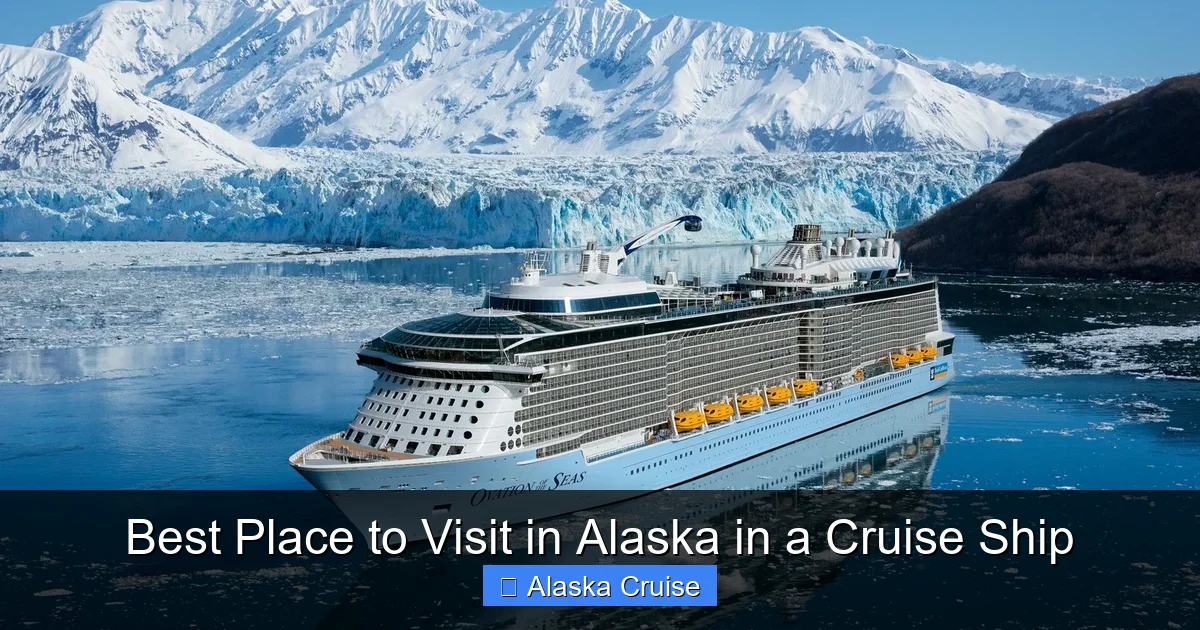
If there’s one place that defines the Alaska cruise experience, it’s Glacier Bay National Park. This 3.3-million-acre UNESCO World Heritage Site is a living, breathing ice museum. It’s home to over a dozen active tidewater glaciers, including the famous Margerie and Grand Pacific Glaciers. And the best part? You can witness their power and beauty from the deck of your cruise ship.
A Front-Row Seat to Nature’s Drama
As your ship navigates the narrow channels of Glacier Bay, you’ll be surrounded by steep granite walls, snow-capped peaks, and icy blue waters. The park’s centerpiece is the Margerie Glacier, a 21-mile-long river of ice that calves massive icebergs into the bay. The sound of ice breaking off—called “calving”—can be heard from miles away. It’s not just loud; it’s primal. One moment the glacier is silent, the next, a house-sized chunk crashes into the water, sending waves rippling across the bay.
Cruise ships typically spend several hours in Glacier Bay, often with a National Park Service ranger on board to narrate the journey. These rangers share fascinating insights about the park’s geology, wildlife, and conservation efforts. They’ll point out where glaciers have retreated over the past century—some by as much as 60 miles—giving you a real-time lesson in climate change.
Wildlife Encounters in the Wild
Glacier Bay isn’t just about ice. It’s a thriving ecosystem. Keep your binoculars handy for sightings of humpback whales feeding in the nutrient-rich waters. Sea otters float on their backs, cracking clams with rocks. Harbor seals lounge on ice floes, while Steller sea lions bark from rocky outcrops. On land, you might spot black bears foraging along the shoreline or mountain goats scaling cliffs.
One of the most magical moments? Watching a pod of orcas glide silently past your ship, their black-and-white forms cutting through the icy water. These encounters are unpredictable, but that’s part of the thrill. Nature doesn’t follow a schedule.
Tips for Making the Most of Glacier Bay
– Book a cabin with a balcony: Glacier Bay is best enjoyed from a private outdoor space. You’ll want to be outside when the glacier calves.
– Bring layers: Even in summer, it can be chilly on the water. A windbreaker and gloves are smart choices.
– Arrive early: Ships usually enter Glacier Bay in the morning. Be on deck by 7 a.m. to catch the first light on the glaciers.
– Listen for the ranger’s commentary: The narration adds depth to the experience and helps you spot wildlife.
Glacier Bay is more than a stop—it’s a highlight. It’s where Alaska’s raw power and beauty come together in one breathtaking scene.
Juneau: Alaska’s Capital of Adventure and Culture
Tucked between the Tongass National Forest and the Gastineau Channel, Juneau is Alaska’s capital—and one of its most vibrant cruise ports. Unlike most state capitals, Juneau isn’t accessible by road. You can only reach it by boat or plane, which adds to its remote, adventurous charm. But don’t let its isolation fool you. Juneau packs a punch with glacier hikes, whale watching, and a rich Gold Rush history.
Mendenhall Glacier: A Walk on Ice
Just 12 miles from downtown Juneau, the Mendenhall Glacier is one of the most accessible glaciers in Alaska. While your cruise ship won’t dock right at the glacier, many tours take you there by bus or helicopter. The 13-mile-long glacier flows from the Juneau Icefield and ends in a stunning lake filled with icebergs.
One of the best ways to experience it? Take a guided glacier walk. Wearing crampons, you’ll trek across the blue ice, exploring crevasses and moulins (vertical shafts in the ice). It’s surreal—like walking on another planet. For a bird’s-eye view, book a helicopter tour that lands on the glacier. You’ll get panoramic views of the icefield and surrounding peaks.
Whale Watching in Auke Bay
Juneau is one of the best places in Alaska to see humpback whales. From May to September, these gentle giants migrate to the area to feed on herring and krill. Whale-watching tours depart from Auke Bay, just a short drive from the cruise terminal.
Most tours last 3–4 hours and include a naturalist guide who explains whale behavior and migration patterns. You’ll likely see whales breaching, tail slapping, and spyhopping (popping their heads out of the water). Some tours even offer hydrophones so you can hear the whales’ songs underwater. It’s an otherworldly experience.
Historic Downtown and Local Flavors
After your adventures, explore Juneau’s charming downtown. Stroll along South Franklin Street, where you’ll find boutiques, art galleries, and cafes. Don’t miss the Alaska State Museum, which showcases Indigenous artifacts, Gold Rush history, and natural science exhibits.
For a taste of local flavor, try a salmon bake. These outdoor feasts feature grilled wild salmon, baked beans, and sourdough bread—all cooked over an open fire. It’s a delicious way to end the day.
Tips for Visiting Juneau
– Book excursions in advance: Popular tours like glacier walks and whale watching sell out quickly.
– Wear waterproof gear: Juneau is one of Alaska’s rainiest cities. A rain jacket and boots are essential.
– Try the local coffee: Juneau has a thriving coffee scene. Stop by a local roaster for a warm drink before your tour.
Juneau offers the perfect mix of adventure, culture, and natural beauty. It’s a port where you can hike on ice in the morning and sip local coffee in the afternoon.
Ketchikan: The Gateway to Indigenous Culture and Rainforests
Known as the “Salmon Capital of the World,” Ketchikan is a lush, green port nestled in the Tongass National Forest—the largest national forest in the United States. It’s a place where rainforest meets ocean, and Indigenous culture thrives. If you’re looking for a mix of nature, history, and local flavor, Ketchikan delivers.
Tongass National Forest: A Rainforest Adventure
Ketchikan is surrounded by temperate rainforest, where Sitka spruce and western hemlock tower over moss-covered ground. One of the best ways to explore is on the Rainforest Canopy Trail. This elevated walkway takes you through the treetops, offering views of the forest canopy and glimpses of wildlife like deer and eagles.
For a more immersive experience, take a guided kayak tour through the Misty Fjords National Monument. Paddle through narrow inlets surrounded by 3,000-foot cliffs and waterfalls. It’s peaceful, remote, and utterly beautiful.
Totem Heritage Center and Creek Street
Ketchikan is home to the largest collection of totem poles in the world. At the Totem Heritage Center, you’ll see restored 19th-century totem poles and learn about their cultural significance. Each pole tells a story—of ancestry, legends, or important events.
Afterward, walk down Creek Street, a historic boardwalk built over Ketchikan Creek in the early 1900s. Once a red-light district, it’s now lined with shops, galleries, and restaurants. You can even see salmon swimming upstream during spawning season.
Indigenous Culture and Art
The Tlingit, Haida, and Tsimshian peoples have lived in this region for thousands of years. Today, their culture is celebrated through art, dance, and storytelling. Many cruise passengers attend a traditional Native dance performance, where dancers in regalia share stories through song and movement.
You can also visit local art studios to see master carvers at work. Many artists create totem poles, masks, and jewelry using traditional techniques. Buying directly from artists supports the local community and ensures authenticity.
Tips for Visiting Ketchikan
– Bring insect repellent: Mosquitoes can be plentiful in the rainforest.
– Try fresh seafood: Ketchikan is famous for its salmon, halibut, and crab. Don’t leave without tasting some.
– Respect cultural sites: When visiting totem parks or attending performances, be mindful and follow guidelines.
Ketchikan offers a deeper look into Alaska’s Indigenous heritage and natural wonders. It’s a port that feels both wild and welcoming.
Skagway: Step Back into the Gold Rush Era
If you love history, Skagway is a must-visit. This small port town was the gateway to the Klondike Gold Rush in the late 1800s. Thousands of prospectors passed through here on their way to the goldfields of the Yukon. Today, Skagway preserves that frontier spirit with wooden boardwalks, historic buildings, and gold panning demos.
The White Pass and Yukon Route Railway
One of the most iconic experiences in Skagway is riding the White Pass and Yukon Route Railway. This narrow-gauge railroad was built in 1898 and climbs 2,865 feet in just 20 miles. The journey takes you through steep canyons, over towering trestles, and past waterfalls.
The train ride offers stunning views of the surrounding mountains and valleys. You’ll pass through tunnels and cross the U.S.-Canada border. Many passengers say it’s one of the most scenic train rides in the world.
Gold Rush History and Gold Panning
Skagway’s streets are lined with historic buildings, including the Arctic Brotherhood Hall, covered in driftwood. Visit the Skagway Museum to learn about the town’s Gold Rush days and the challenges prospectors faced.
For a hands-on experience, try gold panning. Many tours include a lesson in how to pan for gold using the same methods as the 1890s miners. You might even find a tiny flake of gold to take home.
Outdoor Adventures
Skagway is also a base for outdoor adventures. Hike the Chilkoot Trail, the route many prospectors took to the goldfields. Or take a zipline tour through the forest canopy. For a unique experience, try dog sledding—even in summer, some tours use wheeled sleds.
Tips for Visiting Skagway
– Book the train ride early: It’s one of the most popular excursions and sells out fast.
– Wear sturdy shoes: The terrain can be uneven, especially on hikes.
– Bring a camera: The scenery is picture-perfect.
Skagway offers a fascinating glimpse into Alaska’s past. It’s a town where history comes alive.
Other Notable Stops: Sitka, Haines, and Hubbard Glacier
While Glacier Bay, Juneau, Ketchikan, and Skagway are the most popular ports, other stops offer unique experiences.
Sitka: Where Russian and Tlingit Cultures Meet
Once the capital of Russian America, Sitka blends Russian Orthodox architecture with Tlingit heritage. Visit St. Michael’s Cathedral and the Russian Bishop’s House. Explore the Sitka National Historical Park, where a battle between Tlingit warriors and Russian settlers took place.
Haines: Alaska’s Adventure Hub
Known as the “Adventure Capital of Alaska,” Haines offers kayaking, fishing, and wildlife viewing. It’s less touristy than other ports, making it ideal for travelers seeking authenticity.
Hubbard Glacier: The Largest Tidewater Glacier
At over 7 miles wide, Hubbard Glacier is one of the largest glaciers in North America. Cruise ships often stop here for several hours, allowing passengers to watch calving events. It’s a powerful reminder of nature’s scale.
Tips for Choosing the Best Alaska Cruise Itinerary
Not all Alaska cruises are the same. Here’s how to pick the best one:
- Look for Glacier Bay: Not all itineraries include this park. It’s worth choosing a cruise that does.
- Check port times: Some ships only stop for a few hours. Aim for ports with at least 6–8 hours to explore.
- Choose the right season: May and September are less crowded. July and August offer the best weather.
- Consider ship size: Smaller ships can access narrower channels and offer more personalized service.
- Book excursions early: Popular tours fill up months in advance.
Conclusion: Why Alaska Cruises Are Worth It
An Alaska cruise isn’t just a vacation—it’s an immersion into one of the world’s last great wildernesses. From the icy drama of Glacier Bay to the cultural richness of Ketchikan, each port offers something unique. You’ll see glaciers calve, whales breach, and bears roam—all from the comfort of a ship designed for adventure.
The best place to visit in Alaska in a cruise ship depends on your interests, but Glacier Bay, Juneau, Ketchikan, and Skagway stand out as must-sees. They offer the perfect blend of nature, history, and culture. And because many of these wonders are only accessible by water, a cruise ship is often the best—and only—way to experience them.
So pack your layers, bring your camera, and get ready for the journey of a lifetime. Alaska is waiting.
Frequently Asked Questions
What is the best time to take an Alaska cruise?
The best time is from late May to early September. During these months, the weather is milder, wildlife is active, and daylight lasts up to 18 hours. July and August are peak season, but May and September offer fewer crowds and lower prices.
Do I need to book excursions in advance?
Yes, especially for popular activities like glacier walks, whale watching, and train rides. These tours often sell out months ahead. Booking early ensures you get your top choices and the best times.
Can I see glaciers from the ship?
Absolutely. Many glaciers, like those in Glacier Bay and Hubbard Glacier, are visible from the deck. Some ships even slow down or stop to let passengers watch calving events. A balcony cabin enhances the experience.
What should I pack for an Alaska cruise?
Pack layers, including a waterproof jacket, warm sweater, gloves, and sturdy shoes. Don’t forget binoculars, sunscreen, and a camera. Even in summer, temperatures can vary widely.
Are Alaska cruises family-friendly?
Yes. Many cruise lines offer kids’ programs, family excursions, and educational activities. Wildlife sightings and scenic views appeal to all ages. Just be prepared for variable weather and plan indoor activities as backups.
How long should an Alaska cruise be?
Most itineraries last 7 days, which allows time to visit 4–6 ports. Longer cruises (10–14 days) may include more remote destinations or a round-trip from Seattle or Vancouver. Choose based on your time and interests.