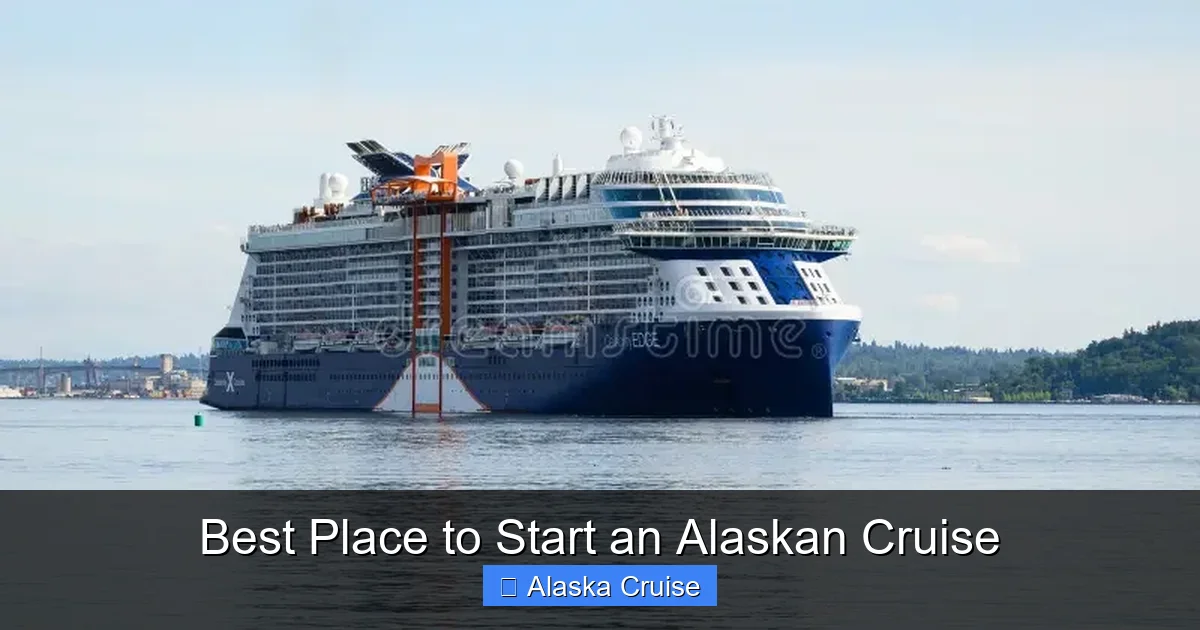
Choosing the best place to start an Alaskan cruise can make or break your adventure. Whether you’re drawn to the urban charm of Seattle, the scenic beauty of Vancouver, or the wild frontier of Seward, each departure point offers unique perks. This guide breaks down the top ports so you can pick the ideal launchpad for your Alaskan journey.
So, you’ve decided to take an Alaskan cruise—congratulations! You’re about to embark on one of the most breathtaking journeys nature has to offer. Glaciers that calve into icy waters, pods of orcas gliding beneath misty fjords, and towns where bald eagles outnumber stoplights. But before you can marvel at a humpback whale breaching near Juneau or hike a trail in Ketchikan, there’s one crucial decision to make: where do you start?
The best place to start an Alaskan cruise isn’t just about convenience—it’s about setting the tone for your entire trip. Your departure port influences everything from your pre-cruise experience and travel logistics to the type of scenery you’ll see first. Some travelers prefer the comfort of a major city with hotels, restaurants, and easy flights. Others crave the raw beauty of Alaska from the very beginning, even if it means a longer journey. And then there are those who want a mix of both—urban energy followed by wild serenity.
In this guide, we’ll explore the top ports for launching your Alaskan adventure. We’ll break down what makes each one special, who they’re best suited for, and how they shape your cruise experience. Whether you’re a first-time cruiser or a seasoned traveler, understanding these departure points will help you choose the perfect starting line for your journey into the Last Frontier.
Key Takeaways
- Seattle offers convenience and city charm: With a major international airport, vibrant downtown, and easy access to the waterfront, Seattle is a top choice for U.S. travelers seeking comfort and culture before setting sail.
- Vancouver blends nature and city life: As Canada’s gateway to Alaska, Vancouver provides stunning mountain and ocean views, excellent dining, and seamless cruise terminal access—ideal for international and domestic travelers alike.
- Seward delivers a true wilderness start: Located on the Kenai Peninsula, Seward offers dramatic fjords, wildlife sightings, and a more rugged, authentic Alaskan experience right from departure.
- Juneau is great for round-trip cruises: Though not a primary departure port, Juneau serves as a popular turnaround point for ships sailing from Seattle or Vancouver, offering a taste of Alaskan culture mid-journey.
- Travel time and logistics matter: Consider flight availability, pre-cruise stay options, and transportation to the port when choosing your starting point.
- Seasonality affects port availability: Most cruises run from May to September, with peak season in July and August—plan accordingly for weather and crowds.
- Your itinerary shapes your starting port: Different departure cities lead to different routes—coastal, inland passage, or glacier-heavy—so match your port to the sights you most want to see.
📑 Table of Contents
Seattle: The Urban Gateway to Alaska
If you’re looking for a smooth, stress-free start to your Alaskan cruise, Seattle is hard to beat. As one of the most popular departure cities, Seattle offers a winning combination of accessibility, amenities, and West Coast charm. It’s no surprise that many major cruise lines—including Holland America, Norwegian, and Princess—use Seattle as a primary hub for their Alaskan itineraries.
Why Seattle Stands Out
Seattle’s biggest advantage is its infrastructure. With Seattle-Tacoma International Airport (SEA) serving hundreds of domestic and international flights daily, getting to the city is rarely a hassle. Once you arrive, you’ll find a wide range of hotels—from budget-friendly chains to luxury waterfront properties—many of which offer cruise package deals that include airport transfers and overnight stays.
The city itself is a delight. You can spend your pre-cruise day sipping coffee at a local café (hello, original Starbucks!), strolling through Pike Place Market, or taking in panoramic views from the Space Needle. For nature lovers, a quick trip to Discovery Park or a ferry ride to Bainbridge Island offers a taste of the Pacific Northwest’s lush greenery before you even board the ship.
Port Logistics and Cruise Terminals
Seattle’s cruise operations are centered at the Smith Cove Cruise Terminal at Pier 91, located in the Interbay neighborhood. The terminal is modern, well-organized, and just a 20-minute drive from downtown. Most cruise lines provide shuttle services from major hotels, and rideshare options like Uber and Lyft are plentiful.
One thing to note: Pier 91 is about 15 miles from the airport, so plan your travel time accordingly. If you’re flying in the same day as your cruise departure, aim to land by early afternoon to allow for baggage claim, transportation, and check-in. Most ships begin boarding around 1–3 PM, with sailing typically around 4–5 PM.
Itinerary Advantages
Cruises departing from Seattle often follow a northbound route, heading up the Inside Passage with stops in Ketchikan, Juneau, Skagway, and Glacier Bay. This allows passengers to experience a mix of coastal towns, wildlife hotspots, and glacial wonders. Because Seattle is a turnaround port (ships start and end here), you won’t need to worry about backtracking or flying home from a different city.
Another perk? Many Seattle-based cruises include a scenic cruise through the San Juan Islands before heading north. This early dose of marine beauty—think orcas, sea lions, and rugged coastlines—sets the stage perfectly for the grandeur of Alaska.
Who Should Choose Seattle?
Seattle is ideal for travelers who want a seamless, comfortable start to their trip. It’s perfect for families, first-time cruisers, or anyone who values convenience and city amenities. If you’re coming from the U.S. West Coast or Midwest, Seattle is often the most direct and affordable option. Plus, the ability to fly home from the same city makes post-cruise travel a breeze.
Vancouver: Canada’s Scenic Launchpad

Visual guide about Best Place to Start an Alaskan Cruise
Image source: i.pinimg.com
Just a short flight or scenic drive north of Seattle, Vancouver offers a distinctly different—but equally compelling—starting point for your Alaskan cruise. As Canada’s largest coastal city, Vancouver blends urban sophistication with breathtaking natural beauty, making it a favorite among international travelers and Canadians alike.
The Vancouver Experience
Vancouver is a city where mountains meet the sea. Nestled between the Coast Mountains and the Pacific Ocean, it’s a paradise for outdoor enthusiasts and foodies. Before your cruise, you can hike the trails of Stanley Park, explore the vibrant neighborhoods of Gastown and Yaletown, or sample fresh seafood at Granville Island Public Market.
The city’s multicultural vibe shines through its diverse dining scene—think sushi in Kitsilano, dim sum in Richmond, and craft beer in Mount Pleasant. And with a strong public transit system, getting around is easy, even without a car.
Cruise Terminal and Accessibility
Vancouver’s cruise ships dock at the Canada Place terminal, located right in the heart of downtown. The iconic white sails of the building make it easy to spot from the water, and its central location means you’re steps away from hotels, restaurants, and attractions.
Canada Place is also well-connected to Vancouver International Airport (YVR), which is about a 30-minute drive away. The Canada Line SkyTrain provides a direct link between the airport and downtown, making it simple to get to your hotel or the terminal without a rental car.
Itinerary Highlights
Cruises from Vancouver often mirror those from Seattle, traveling north through the Inside Passage with stops in Ketchikan, Juneau, and Skagway. However, Vancouver-based itineraries sometimes include unique ports like Prince Rupert or Haida Gwaii, offering a deeper dive into Indigenous culture and remote wilderness.
One standout feature of Vancouver departures is the scenic sail out of the city. As your ship glides past the North Shore mountains, under the Lions Gate Bridge, and into the Strait of Georgia, you’ll get a front-row seat to one of the most beautiful urban waterfronts in the world. It’s a magical way to begin your Alaskan adventure.
Who Should Choose Vancouver?
Vancouver is perfect for travelers who want a mix of city life and natural beauty. It’s especially appealing to Canadians, Europeans, and Australians who may find it easier to fly into YVR than U.S. airports. The city’s walkability, safety, and stunning scenery make it a great choice for those who want to explore before or after their cruise.
Keep in mind that if you’re a U.S. citizen, you’ll need a passport to enter Canada, and re-entry into the U.S. may involve customs checks. But for most, the extra step is well worth it for the Vancouver experience.
Seward: The Wild Start to Your Alaskan Adventure
Now, let’s talk about the real Alaska. If you’re the type of traveler who wants to dive headfirst into wilderness, Seward might just be the best place to start an Alaskan cruise. Located on the Kenai Peninsula, Seward is a rugged, no-frills port town that serves as the gateway to Kenai Fjords National Park and some of the most dramatic coastal scenery in the state.
The Seward Difference
Unlike Seattle or Vancouver, Seward doesn’t offer big-city amenities. There’s no international airport, no sprawling downtown, and no luxury shopping districts. What it does offer is raw, untamed beauty. Think snow-capped peaks, turquoise glaciers, and waters teeming with sea otters, puffins, and whales.
Most cruises departing from Seward are one-way journeys that end in Whittier or another Alaskan port, often connecting with land tours or flights back to major cities. This means you’ll need to plan your travel carefully, but the payoff is a truly immersive Alaskan experience from day one.
Getting to Seward
The biggest challenge with Seward is access. The nearest major airport is Anchorage, about 125 miles north. From there, you can take a scenic drive along the Seward Highway—one of the most beautiful roads in America—or hop on the Alaska Railroad for a relaxing ride through mountains and forests.
Many cruise lines offer transfer packages that include transportation from Anchorage to Seward, often with a stop at the Alaska Wildlife Conservation Center to see bears, moose, and bison up close. These packages can simplify logistics and add value to your trip.
What to Expect Onboard
Cruises from Seward often focus on glacier viewing and wildlife. Your first day at sea might include a close-up look at the Aialik Glacier or a kayaking excursion among icebergs. The pace is slower, the scenery more intense, and the sense of adventure palpable.
Because Seward is a smaller port, ships here tend to be mid-sized or smaller, offering a more intimate experience. You’ll have more opportunities for personalized excursions, like guided hikes, zodiac tours, or even overnight camping on a glacier.
Who Should Choose Seward?
Seward is ideal for adventurous travelers, nature photographers, and anyone who wants to skip the city and head straight into the wild. It’s perfect for those booking land-and-sea packages, where the cruise is just one part of a larger Alaskan journey.
If you’re okay with a bit of travel planning and don’t mind trading urban comforts for wilderness thrills, Seward could be the perfect launchpad for your cruise.
Other Notable Departure Points
While Seattle, Vancouver, and Seward dominate the Alaskan cruise scene, a few other ports are worth mentioning.
Whittier: The Hidden Gem
Tucked inside a mountain tunnel accessible only by car or train, Whittier is one of Alaska’s most unique ports. It’s primarily used by Princess Cruises and Holland America for one-way itineraries that begin or end here. The advantage? Stunning views of Prince William Sound and easy access to glacier tours. The downside? Limited pre-cruise options and no airport nearby.
Juneau: The Capital Stop
Juneau doesn’t typically serve as a departure port, but it’s a major turnaround point for many ships. If your cruise starts in Seattle or Vancouver, you’ll likely spend a day here—and it’s worth it. Nestled between mountains and water, Juneau offers whale watching, glacier hikes, and a taste of Alaskan history. Some travelers even fly into Juneau and join their cruise mid-journey, though this requires careful coordination.
Ketchikan: The First Stop
Like Juneau, Ketchikan is more of a port of call than a departure city. But its charm—colorful totem poles, boardwalks over rushing streams, and abundant salmon—makes it a favorite among cruisers. If your itinerary begins nearby, you might catch a glimpse of Ketchikan as you sail in.
Choosing the Best Place to Start Your Cruise
So, how do you decide? The best place to start an Alaskan cruise depends on your travel style, budget, and what you hope to get out of your trip.
If you value convenience and comfort, Seattle is your best bet. Want a mix of city and nature with international flair? Vancouver delivers. Craving adventure and authenticity? Seward is calling your name.
Consider your itinerary, too. Do you want to see glaciers up close? A Seward departure might give you more time in Kenai Fjords. Prefer a classic Inside Passage route? Seattle or Vancouver will serve you well.
And don’t forget logistics. Think about flight availability, pre-cruise accommodations, and how you’ll get home. Round-trip cruises from Seattle or Vancouver simplify travel, while one-way trips from Seward or Whittier may require more planning.
Final Tips for a Smooth Start
No matter where you begin, a few smart moves can make your cruise start off on the right foot:
– Arrive at least one night before your cruise to avoid travel delays.
– Pack layers—Alaska’s weather can change in minutes.
– Book excursions in advance, especially popular ones like whale watching or glacier hikes.
– Bring binoculars, a good camera, and motion sickness remedies if needed.
– Check your cruise line’s baggage policy and arrive with time to spare.
Conclusion
The best place to start an Alaskan cruise isn’t a one-size-fits-all answer—it’s a personal choice that shapes your entire journey. Whether you launch from the bustling streets of Seattle, the scenic shores of Vancouver, or the wild coastline of Seward, each port offers a unique doorway into Alaska’s wonders. By understanding what each departure point provides, you can choose the perfect starting line for an unforgettable adventure. So pack your bags, grab your camera, and get ready to sail into one of the most beautiful places on Earth.
Frequently Asked Questions
What is the best month to start an Alaskan cruise?
The best time to start an Alaskan cruise is between June and August, when weather is mildest and wildlife is most active. July offers the warmest temperatures and longest daylight hours, making it ideal for sightseeing and excursions.
Can I start an Alaskan cruise from Anchorage?
Anchorage is not a cruise departure port, but it’s a common gateway for land tours. Most cruises begin in Seward or Whittier, both about two hours from Anchorage by car or train.
Do I need a passport for an Alaskan cruise from Seattle?
If your cruise stays within U.S. waters and returns to Seattle, a passport is not required—but it’s highly recommended in case of emergencies. For cruises that visit Canadian ports like Vancouver, a passport is mandatory.
Is it better to fly into Seattle or Vancouver for an Alaskan cruise?
It depends on your location and preferences. Seattle is more convenient for U.S. travelers, while Vancouver offers a scenic, international experience. Compare flight prices, travel times, and itinerary options before deciding.
How early should I arrive before my cruise departure?
Arrive at least one full day before your cruise to account for travel delays, jet lag, and last-minute preparations. This also gives you time to explore the city and relax before boarding.
Can I drive to my Alaskan cruise departure port?
Yes, you can drive to Seattle, Vancouver, or Whittier, but parking at cruise terminals can be expensive. For Seward, driving from Anchorage is an option, but consider the long distance and limited services along the way.