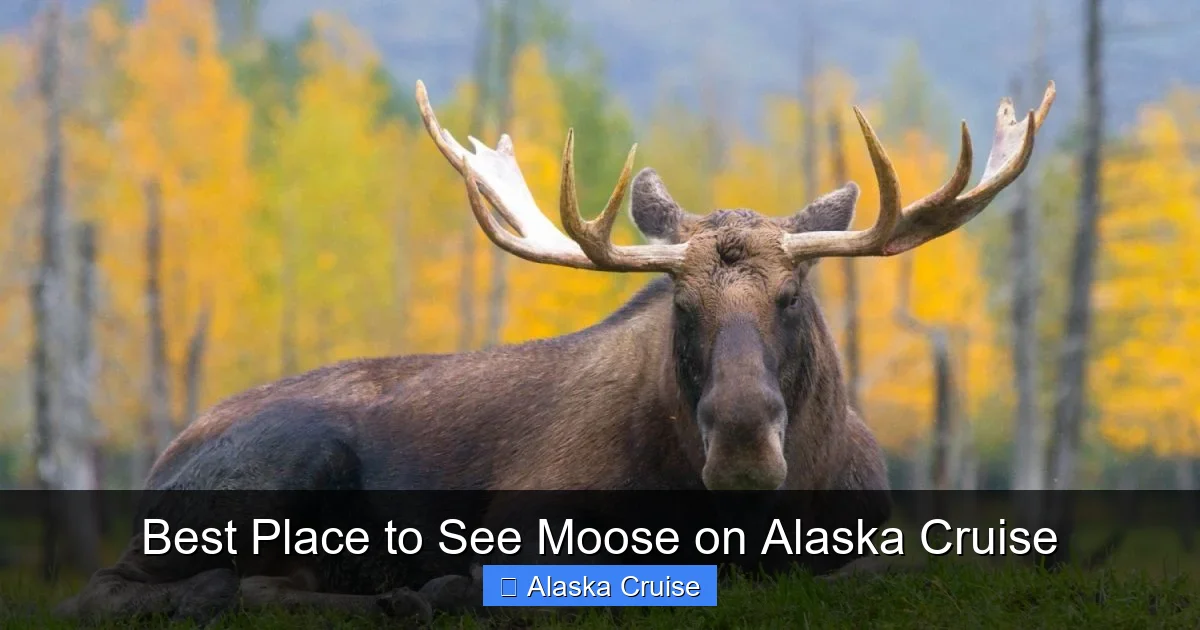
If you’re dreaming of spotting a majestic moose during your Alaska cruise, you’re in luck—Alaska is home to the largest moose population in the U.S. While moose can appear almost anywhere along the coast, certain ports and excursions offer the highest chances of a close, safe encounter. From guided wildlife tours to quiet shoreline hikes, this guide reveals the top spots and insider tips to maximize your moose-viewing experience.
Dreaming of standing on the deck of a cruise ship, surrounded by snow-capped peaks and glacial fjords, only to spot a towering moose wading through a misty lake? That’s not just a fantasy—it’s a real possibility on an Alaska cruise. Alaska is the ultimate destination for wildlife lovers, and the moose, with its massive antlers and serene presence, is one of the most iconic animals you can encounter. But where exactly should you go to increase your chances of seeing one? While moose are scattered across the state, not all ports or excursions are created equal when it comes to moose sightings.
The good news? You don’t need to venture deep into the wilderness to see a moose. Many cruise itineraries stop at ports that are gateways to prime moose habitats. With a little planning and the right timing, you can witness these gentle giants in their natural environment—whether they’re grazing in a meadow, crossing a quiet road, or cooling off in a freshwater pond. The key is knowing where to look and when to be there. In this guide, we’ll walk you through the best places to see moose on an Alaska cruise, share expert tips for safe and respectful viewing, and help you make the most of your Alaskan wildlife adventure.
Key Takeaways
- Juneau offers the best moose sightings on Alaska cruises due to its mix of wetlands, forests, and accessible trails near the port.
- Book a guided wildlife tour for expert knowledge, safe viewing, and higher success rates in spotting moose.
- Visit during early morning or dusk when moose are most active and likely to be near water sources.
- Pack binoculars and a telephoto lens to safely observe moose from a distance without disturbing them.
- Respect moose behavior and keep your distance—moose can be unpredictable, especially during calving season.
- Consider shore excursions in Haines or Skagway for additional moose-viewing opportunities in less crowded areas.
- Timing matters—peak moose season is May through September, with June and July offering the best balance of weather and wildlife activity.
📑 Table of Contents
Why Alaska Is the Ultimate Moose Destination
Alaska isn’t just home to moose—it’s practically moose headquarters. With an estimated population of over 175,000, Alaska has the highest concentration of moose in the United States. These majestic animals thrive in the state’s vast boreal forests, wetlands, and river valleys, making them a common—but always thrilling—sight for visitors. Unlike other regions where moose sightings are rare or require long hikes into remote areas, Alaska offers accessible viewing opportunities right near popular cruise ports.
What makes Alaska so ideal for moose? It’s a combination of habitat, climate, and conservation. Moose prefer areas with abundant water sources, such as lakes, rivers, and marshes, where they feed on aquatic plants. Alaska’s countless lakes and slow-moving rivers provide perfect feeding grounds. Additionally, the long summer days and mild temperatures from May to September create ideal conditions for moose to be active and visible. During this time, they’re often seen near roads, trails, and even suburban neighborhoods, especially in areas where human development borders natural habitats.
Another reason Alaska stands out is the state’s commitment to wildlife preservation. National parks, wildlife refuges, and protected areas ensure that moose populations remain healthy and undisturbed. This means you’re more likely to see moose behaving naturally—grazing, swimming, or tending to their calves—rather than fleeing from human presence. For cruise passengers, this translates to better photo opportunities and more authentic wildlife experiences.
Top Cruise Ports for Moose Sightings
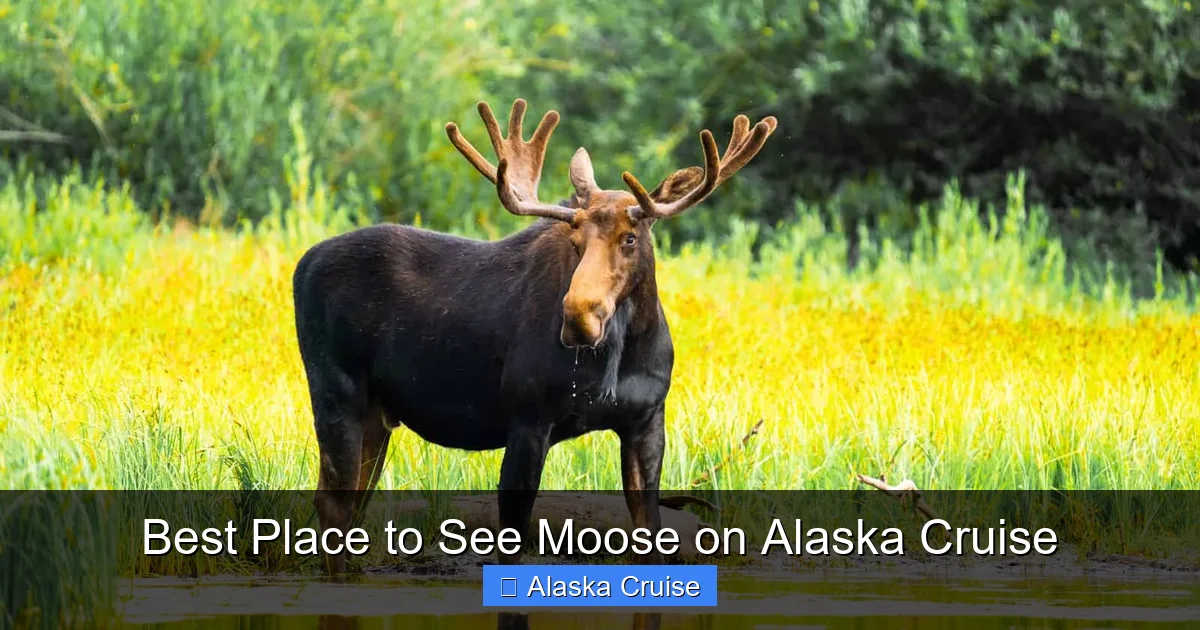
Visual guide about Best Place to See Moose on Alaska Cruise
Image source: tripmemos.com
Not all Alaska cruise ports are equally likely to deliver a moose sighting. While you might spot one almost anywhere, certain stops are known for their higher success rates and accessible viewing opportunities. Here are the top ports where moose are most commonly seen:
Juneau: The Moose Capital of Alaska Cruises
Juneau consistently ranks as the best place to see moose on an Alaska cruise. As the state capital and a major cruise hub, Juneau offers a unique blend of urban convenience and wild nature. Just a short drive from the port, you’ll find wetlands, forests, and lakes that are prime moose territory. The Mendenhall Glacier area, in particular, is a hotspot. The glacier’s meltwater feeds into the Mendenhall Lake and surrounding wetlands, creating a lush environment where moose love to feed.
One of the most popular spots is the Mendenhall Glacier Visitor Center and the nearby trails. The Nugget Falls Trail and the West Glacier Loop are easy walks that take you through forested areas and along the lake’s edge—perfect for spotting moose, especially in the early morning. Many visitors report seeing moose right near the parking lot or along the road leading to the glacier. Local guides often mention that moose sightings are so common here that they’re almost expected during summer months.
For an even better chance, consider booking a guided wildlife tour. Companies like Juneau Shore Excursions or Alaska Zipline Adventures offer moose-focused tours that take you to lesser-known wetlands and riverbanks. These guides know the best times and locations, increasing your odds of a close encounter. Plus, they provide valuable insights into moose behavior and ecology, making the experience both educational and exciting.
Skagway: Quiet Trails and River Valleys
Skagway may be smaller and less developed than Juneau, but it’s a hidden gem for moose watchers. Located at the northern end of the Inside Passage, Skagway is surrounded by rugged mountains and dense forests. The Taiya River and its tributaries create ideal moose habitat, and the quiet, less-crowded trails make it easier to spot wildlife without disturbance.
One of the best places to look is along the Dyea Road, which leads to the historic Chilkoot Trail. This area is less frequented by tourists, giving moose more space to roam. Early morning walks along the riverbank often yield sightings of moose feeding on willow shoots or cooling off in the shallow water. The Skagway River Trail is another excellent option—it’s flat, easy to navigate, and runs parallel to the water, offering multiple viewing points.
Because Skagway is smaller, moose sometimes wander into town, especially in the spring when they’re searching for new growth. There have been reports of moose grazing in residential yards or crossing the main street—something you’re unlikely to see in larger cities. While this can be surprising for visitors, it’s a testament to how integrated wildlife is in Alaskan life.
Haines: A Wildlife Lover’s Paradise
Haines is often called the “Adventure Capital of Alaska,” and for good reason. With its pristine wilderness, abundant wildlife, and low tourist density, Haines offers some of the most authentic moose-viewing experiences on the cruise circuit. The Chilkat River Valley, in particular, is a moose magnet. The river’s slow flow and rich vegetation attract moose year-round, but especially during the summer months.
One of the best ways to see moose in Haines is by taking a river float trip. Companies like Chilkat Guides offer guided rafting excursions that glide quietly down the river, allowing you to spot moose along the banks without startling them. These tours often include stops at quiet coves or sandbars where moose are known to rest. The guides are knowledgeable about local wildlife and can point out signs of moose activity, such as tracks, browsed trees, or wallows.
For those who prefer land-based adventures, the Chilkat State Park offers hiking trails that wind through wetlands and forests. The park is less developed than others, which means fewer people and more wildlife. Early morning hikes increase your chances of spotting a moose, especially near the park’s lakes and streams. Just remember to keep a safe distance and avoid approaching too closely.
Ketchikan: Coastal Forests and Wetlands
Ketchikan, known as the “Salmon Capital of the World,” is another port where moose sightings are possible, though less common than in Juneau or Haines. However, the surrounding Tongass National Forest—the largest national forest in the U.S.—provides excellent moose habitat. The area’s dense rainforests, rivers, and wetlands support a healthy moose population, especially in the less-developed outskirts of town.
One of the best spots to look is along the George Inlet Trail or the Deer Mountain Trail. These paths take you through old-growth forest and along the water, where moose may come to feed or drink. The trails are well-maintained and offer scenic views, making them enjoyable even if you don’t spot a moose. For a higher chance of success, consider a guided wildlife tour that focuses on the backcountry areas near Ketchikan.
Another option is to take a boat tour into the nearby fjords and inlets. While these tours are often marketed for whale watching, they also pass through moose-friendly zones. Keep an eye on the shoreline—moose are strong swimmers and sometimes cross narrow channels to reach new feeding areas. Spotting a moose swimming in the misty waters of a fjord is a once-in-a-lifetime experience.
Best Times to See Moose on an Alaska Cruise
Timing can make or break your moose-viewing experience. While moose are present year-round, their behavior and visibility change with the seasons. For cruise passengers, the best time to see moose is during the summer months—specifically from late May through September. This is when the weather is mild, the days are long, and moose are most active.
Early Morning and Dusk: Prime Moose Hours
Moose are crepuscular animals, meaning they’re most active during dawn and dusk. These times offer cooler temperatures and softer light, making it easier to spot them as they move between feeding and resting areas. If you’re planning a shore excursion, aim to start early—many wildlife tours begin at 7 or 8 a.m. for this reason.
In Juneau, for example, moose are often seen near the Mendenhall Glacier Visitor Center just after sunrise. The quiet trails and misty air create a magical atmosphere, and the moose are more likely to be out feeding before the crowds arrive. Similarly, in Haines, river float trips that depart at first light often report multiple moose sightings along the banks.
Evening excursions can also be productive, especially in areas with less foot traffic. As the sun sets, moose may return to open areas to graze or cool off in the water. Just be sure to finish your hike or tour before it gets too dark, as visibility decreases and wildlife behavior becomes less predictable.
Seasonal Considerations: Spring, Summer, and Fall
Each season offers a different moose experience. In spring (May–June), moose are shedding their winter coats and searching for fresh vegetation. This is also calving season, so you might spot cows with newborn calves—though it’s crucial to keep your distance, as mother moose are highly protective.
Summer (July–August) is peak moose season. The long days and warm weather mean moose are active for extended periods, and their antlers are fully grown. This is the best time for photography, as the lighting is ideal and moose are often seen in open areas.
In early fall (September), moose enter the rutting season. Bulls become more aggressive and vocal, and you might hear their deep calls echoing through the forest. While this can be exciting, it also means moose are more unpredictable, so extra caution is advised.
How to Maximize Your Moose-Viewing Chances
Seeing a moose isn’t guaranteed, but there are several strategies you can use to increase your odds. From choosing the right tour to packing the right gear, small decisions can make a big difference.
Book a Guided Wildlife Tour
One of the most effective ways to see moose is to join a guided wildlife tour. Local guides know the best locations, times, and behaviors to look for. They also have access to areas that may be off-limits to the general public, such as private wetlands or remote riverbanks.
Look for tours that specifically mention moose or “wildlife viewing” in their descriptions. Avoid generic sightseeing tours that focus only on glaciers or towns. Instead, choose excursions that emphasize nature, such as birdwatching, river floats, or forest hikes.
Many cruise lines offer their own wildlife tours, but independent operators often provide smaller groups and more personalized experiences. Check reviews on sites like TripAdvisor or Viator to find highly rated guides with a track record of moose sightings.
Pack the Right Gear
To get the most out of your moose encounter, bring the right equipment. A good pair of binoculars is essential for spotting moose from a distance, especially if they’re across a lake or in dense brush. For photography, a telephoto lens (200mm or longer) will help you capture detailed shots without getting too close.
Wear neutral-colored clothing to blend in with the environment, and avoid bright colors or loud patterns that might startle wildlife. Comfortable hiking shoes are a must, especially if you’re walking on uneven terrain or muddy trails.
Don’t forget insect repellent—Alaska’s summer months bring mosquitoes and black flies, especially near wetlands. A lightweight rain jacket is also wise, as weather can change quickly in the mountains.
Stay Quiet and Patient
Moose have excellent hearing and can be easily spooked by loud noises or sudden movements. When you’re on a trail or near water, move slowly and speak in low voices. If you spot a moose, stop and observe from a distance. Use your binoculars or camera to get a closer look without approaching.
Patience is key. Moose don’t follow schedules, and they may appear when you least expect it. Even if you don’t see one right away, enjoy the scenery and keep your eyes peeled. Sometimes, the best sightings happen when you’re not actively searching.
Safety Tips for Moose Encounters
While moose are generally peaceful animals, they can become dangerous if they feel threatened—especially during calving season or the rut. It’s important to know how to behave around them to ensure both your safety and theirs.
Keep Your Distance
The general rule is to stay at least 50 feet (about 15 meters) away from a moose. If the animal changes its behavior—such as staring at you, raising its hackles, or stomping its feet—you’re too close. Back away slowly and give the moose plenty of space.
Never approach a moose calf. Mother moose are extremely protective and may charge if they feel their young are in danger. What looks like an abandoned calf is often just resting while the mother feeds nearby.
Know the Signs of Aggression
Moose may display warning signs before charging. These include:
– Ears pinned back
– Hackles raised on the neck
– Snorting or grunting
– Stomping or pawing the ground
If you see any of these behaviors, leave the area immediately. Do not run—moose can run up to 35 mph and may see running as a threat. Instead, walk away calmly and seek shelter behind a tree or vehicle if necessary.
Respect Their Space
Remember, you’re a guest in the moose’s home. Avoid feeding them, touching them, or trying to take selfies. These actions can stress the animal and lead to dangerous situations. Let moose behave naturally, and enjoy the privilege of observing them from a safe distance.
Conclusion: Make Your Moose Moment Unforgettable
Seeing a moose on an Alaska cruise is more than just a wildlife sighting—it’s a connection to the wild heart of Alaska. Whether you spot one grazing by a glacier-fed lake in Juneau, wading through a river in Haines, or crossing a quiet trail in Skagway, that moment will stay with you long after your cruise ends.
The best place to see moose on an Alaska cruise is wherever you’re willing to look with patience, respect, and a sense of adventure. While Juneau offers the highest success rate, every port has its own charm and potential for a magical encounter. By choosing the right time, tour, and gear, you can turn a simple shore excursion into an unforgettable wildlife experience.
So pack your binoculars, lace up your hiking boots, and get ready to meet one of Alaska’s most iconic residents. The moose is waiting—and with a little luck, you’ll be the one walking away with the story of a lifetime.
Frequently Asked Questions
What is the best time of day to see moose in Alaska?
The best time to see moose is during early morning or dusk, when they are most active. These cooler hours are when moose typically feed, drink, or move between resting areas, making them easier to spot.
Can you see moose right from the cruise ship?
It’s rare to see moose directly from the ship, as they usually stay inland near water sources. However, you might spot one along the shoreline in areas with dense vegetation or wetlands, especially in quieter fjords.
Are moose dangerous to humans?
Moose are generally not aggressive, but they can become dangerous if they feel threatened—especially cows with calves or bulls during rutting season. Always keep a safe distance and avoid approaching them.
Do I need a special tour to see moose?
While not required, a guided wildlife tour greatly increases your chances of seeing a moose. Local guides know the best locations and times, and they can help you spot moose safely and respectfully.
What should I bring to increase my chances of seeing a moose?
Bring binoculars, a telephoto camera lens, neutral-colored clothing, and comfortable hiking shoes. Insect repellent and a rain jacket are also recommended, especially near wetlands.
Can I see moose in winter on an Alaska cruise?
Most Alaska cruises operate from May to September, so winter sightings are unlikely. Moose are less visible in winter due to snow cover and reduced activity, making summer the ideal season for viewing.