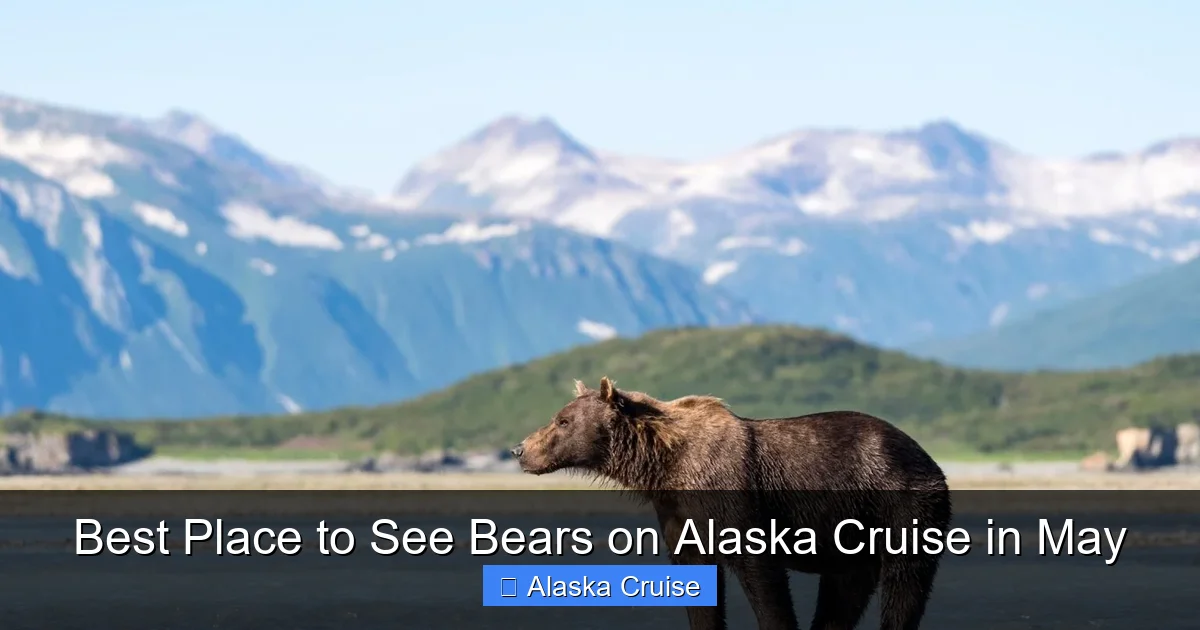
May is one of the best months to see bears on an Alaska cruise, thanks to melting ice, emerging salmon streams, and active wildlife. The top spot? Ketchikan and nearby Tongass National Forest, where brown and black bears emerge from hibernation to feed along rivers and shorelines. With fewer crowds and lush spring scenery, May offers a magical, intimate bear-watching experience.
Key Takeaways
- Ketchikan is the #1 bear viewing destination in May: Its rivers and coastal areas attract bears feeding on early salmon runs and shoreline vegetation.
- Timing matters—early to mid-May is ideal: Bears are most active as they emerge from hibernation and begin foraging.
- Guided wildlife tours increase your chances: Local guides know the best spots and ensure safe, respectful bear viewing.
- Bring binoculars and a zoom lens: Bears may be seen from a distance, so optical gear enhances the experience.
- Dress in layers and prepare for rain: May weather in Alaska is cool and unpredictable—pack waterproof gear.
- Respect wildlife and follow guidelines: Always maintain a safe distance and never feed or approach bears.
- Combine bear watching with other adventures: Many cruises offer bear-focused excursions alongside kayaking, hiking, and cultural tours.
📑 Table of Contents
- Why May Is the Perfect Time to See Bears on an Alaska Cruise
- Ketchikan: The Best Place to See Bears on an Alaska Cruise in May
- How to Maximize Your Bear Viewing Experience in May
- Other Great Bear Viewing Destinations on an Alaska Cruise in May
- What to Expect: A Realistic Bear Viewing Experience
- Conclusion: Make Your Alaska Cruise in May Unforgettable
Why May Is the Perfect Time to See Bears on an Alaska Cruise
If you’re dreaming of seeing a grizzly bear catching salmon in a rushing river or a black bear foraging along a mossy shoreline, May might just be the sweet spot on your Alaska cruise itinerary. While summer months like July and August draw bigger crowds, May offers a quieter, more intimate wildlife experience—with bears just as active, if not more so.
As winter’s grip loosens, Alaska awakens in May. Snow melts from the mountains, rivers swell with runoff, and the first salmon begin their upstream journey. This natural cycle triggers a feeding frenzy among bears emerging from months of hibernation. With their fat reserves depleted, bears are on the hunt—making them highly visible along coastlines, riverbanks, and tidal flats. The combination of abundant food and fewer tourists means you’re more likely to have a peaceful, up-close encounter without the distraction of large tour groups.
May also brings longer daylight hours and milder temperatures compared to earlier spring months. While it’s still cool—average highs range from 45°F to 55°F (7°C to 13°C)—the sun shines for up to 16 hours a day, giving you plenty of time to explore. Plus, the landscape is lush and green, with wildflowers beginning to bloom and forests bursting with new life. It’s a photographer’s dream and a nature lover’s paradise.
The Science Behind Bear Activity in May
Bears in Alaska, including both brown bears (often called grizzlies) and black bears, follow a strict seasonal rhythm. After hibernating from late fall to early spring, they emerge in April and May with one goal: eat. Their metabolism slows dramatically during hibernation, and they can lose up to 30% of their body weight. So when they wake up, they’re hungry—and focused.
In May, bears primarily feed on vegetation like sedges, grasses, and roots, but they’re also drawn to protein-rich sources. Early salmon runs, especially of pink and chum salmon, begin in late May in some rivers. Bears will wait near river mouths or shallow streams, ready to snag a fish. They also scavenge on marine mammal carcasses washed ashore and dig for clams in tidal areas.
This feeding behavior makes bears highly predictable in certain locations. Coastal areas with rich intertidal zones and rivers with early salmon runs become natural bear magnets. And because bears are still relatively spread out in May—before the peak summer concentrations—you’re more likely to see them in diverse habitats, from dense forests to open shorelines.
Why May Beats Summer for Bear Viewing
You might think summer is the best time to see bears—after all, that’s when most people visit Alaska. But May has unique advantages. First, there are fewer cruise ships and tourists. Popular ports like Juneau and Skagway are less crowded, meaning you’ll have more space and time to enjoy wildlife without the rush.
Second, bears are more active during early morning and late evening in May, when temperatures are cooler. In summer, they often rest during the day to avoid the heat and human activity. But in May, they’re out and about throughout the day, foraging and moving between feeding sites.
Finally, May offers a sense of discovery. You’re among the first visitors of the season, watching Alaska come alive. There’s something magical about being one of the first people to see a bear catch its first salmon of the year or a mother bear leading her cubs along a misty riverbank.
Ketchikan: The Best Place to See Bears on an Alaska Cruise in May
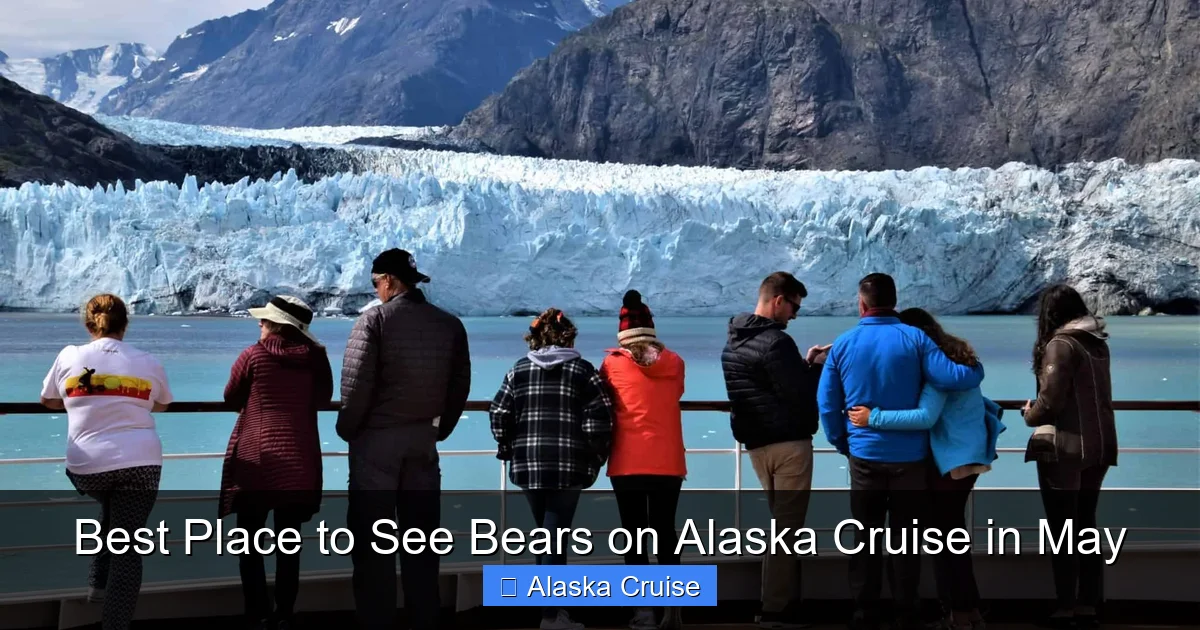
Visual guide about Best Place to See Bears on Alaska Cruise in May
Image source: cruiseradio.net
When it comes to bear viewing on an Alaska cruise in May, one destination stands above the rest: Ketchikan. Nestled in the heart of the Tongass National Forest—the largest national forest in the U.S.—Ketchikan is often called the “Salmon Capital of the World.” And where there’s salmon, there are bears.
Ketchikan’s location on Revillagigedo Island, surrounded by deep fjords, lush rainforests, and countless rivers and streams, creates the perfect habitat for both black and brown bears. In May, as the first salmon begin their migration, bears gather along the banks of rivers like the Ketchikan Creek, Ward Creek, and the nearby Unuk River. These waterways become natural feeding grounds, offering prime bear-watching opportunities.
What makes Ketchikan especially special in May is its accessibility. Unlike remote bear-viewing sites that require long flights or boat trips, Ketchikan is a standard port of call on most Alaska cruise itineraries. This means you can experience world-class bear viewing without straying far from your ship. Many cruise lines offer guided excursions that take you by boat or small plane to nearby bear hotspots, often with expert naturalists on board.
Top Bear Viewing Spots Near Ketchikan
One of the most popular bear-watching excursions from Ketchikan is a boat tour to nearby Neets Bay or the Tongass National Forest coastline. These areas are known for their dense bear populations and scenic beauty. Guides will take you through narrow inlets and along rocky shores, where bears can often be seen digging for clams at low tide or feeding on shoreline vegetation.
Another standout location is the Unuk River, accessible via floatplane from Ketchikan. This remote river system is a favorite among wildlife photographers and bear enthusiasts. In May, brown bears can be spotted along the riverbanks, especially in the early morning hours. The flight itself is part of the adventure, offering breathtaking views of glaciers, mountains, and untouched wilderness.
For a more land-based experience, consider a guided hike in the Tongass National Forest. While spotting bears on foot requires caution and expert guidance, some tours take you to elevated viewpoints or boardwalk trails where bears are known to frequent. These hikes often include educational talks about bear behavior, forest ecology, and conservation efforts.
Why Ketchikan Beats Other Ports in May
While other Alaska cruise ports like Juneau, Skagway, and Seward also offer bear-viewing opportunities, Ketchikan has a few key advantages in May. First, its proximity to prime bear habitat means shorter travel times and more time spent observing wildlife. You won’t waste hours on a boat or plane—just minutes from the dock, you could be watching a bear catch a salmon.
Second, Ketchikan’s bear population is active and visible in May. Unlike in later summer months when bears congregate in large numbers at specific salmon runs, May bears are more spread out and easier to observe individually. This makes for a more personal and less chaotic experience.
Finally, Ketchikan offers a mix of adventure and culture. After your bear-watching excursion, you can explore the town’s totem parks, visit local art galleries, or enjoy fresh seafood at a waterfront restaurant. It’s the perfect balance of nature and comfort.
How to Maximize Your Bear Viewing Experience in May
Seeing a bear in the wild is a thrilling experience—but it takes preparation. To make the most of your Alaska cruise in May, follow these practical tips to increase your chances of a successful bear encounter.
Choose the Right Excursion
Not all bear-viewing tours are created equal. Look for excursions led by certified naturalists or local guides with experience in bear behavior. Small-group tours (6–12 people) offer a more intimate experience and better access to viewing areas. Avoid large bus tours that can be noisy and disruptive.
Popular options include:
– **Boat tours to Neets Bay or George Inlet:** These coastal areas are rich in intertidal life and attract bears feeding on clams and vegetation.
– **Floatplane tours to the Unuk or Stikine Rivers:** Ideal for seeing brown bears in remote, pristine environments.
– **Guided forest hikes:** Best for those who want a land-based experience with educational insights.
Check with your cruise line or book independently through reputable local operators. Many offer money-back guarantees if no bears are spotted—though in May, sightings are highly likely.
Timing Is Everything
Bears are most active during early morning (6–9 a.m.) and late afternoon (5–8 p.m.). Plan your excursion during these windows for the best chance of seeing them feeding or moving between habitats. Avoid midday, when bears often rest in shaded areas.
Also, consider the tide. In coastal areas, low tide exposes tidal flats where bears dig for clams. High tide may bring bears closer to shore as they wait for salmon. Ask your guide about tide schedules when booking.
Pack the Right Gear
Even in May, Alaska weather can be unpredictable. Pack layers, including a waterproof jacket, warm fleece, and sturdy hiking shoes. Don’t forget:
– **Binoculars:** Essential for spotting bears at a distance.
– **Camera with zoom lens:** A 300mm or longer lens helps capture detailed shots without getting too close.
– **Insect repellent:** Mosquitoes and flies can be bothersome in forested areas.
– **Snacks and water:** Some excursions last several hours.
Respect Wildlife and Stay Safe
Always follow your guide’s instructions. Never approach a bear, even if it seems calm. Maintain a distance of at least 100 yards (91 meters) for brown bears and 50 yards (46 meters) for black bears. Use binoculars or a telephoto lens to get a closer look.
Avoid making loud noises or sudden movements. Bears are wild animals, and their behavior can be unpredictable—especially mothers with cubs. If a bear changes its behavior because of your presence, you’re too close.
Never feed bears or leave food unattended. Feeding wildlife is illegal in Alaska and can lead to dangerous habituation.
Other Great Bear Viewing Destinations on an Alaska Cruise in May
While Ketchikan is the top choice, other ports on your Alaska cruise itinerary also offer excellent bear-watching opportunities—especially if your ship visits multiple locations.
Juneau: Glacier Views and Bear Encounters
Juneau, Alaska’s capital, is another prime spot for bear viewing in May. The nearby Admiralty Island, often called “Fortress of the Bears,” is home to one of the highest densities of brown bears in the world. While a full-day trip to Admiralty requires a flight, shorter excursions from Juneau take you to the Mendenhall River or the Tongass National Forest, where black bears are commonly seen.
The Mendenhall Glacier Visitor Center offers educational programs and viewing platforms, and guided kayak tours along the river provide quiet, low-impact access to bear habitats. In May, the glacier is still partially covered in snow, creating a stunning backdrop for wildlife photography.
Skagway: Adventure and Wildlife
Skagway, known for its Gold Rush history, also offers bear-viewing opportunities in May. The nearby Chilkoot River and Taiya Inlet are frequented by black bears feeding on early salmon and shoreline plants. Boat tours from Skagway often include wildlife spotting, and some operators offer combined tours with hiking or gold panning.
While Skagway’s bear population is smaller than Ketchikan’s, the dramatic mountain scenery and historic charm make it a worthwhile stop. Plus, the lack of large crowds in May means a more relaxed experience.
Seward and Kenai Fjords: Coastal Bear Habitat
If your cruise extends to Seward on the Kenai Peninsula, you’re in for a treat. The Kenai Fjords National Park is home to both black and brown bears, especially along the coastline and river mouths. Boat tours from Seward often pass by bear-inhabited shores, and some operators offer bear-focused excursions to remote inlets.
In May, the fjords are still icy and quiet, with glaciers calving into the sea. It’s a dramatic setting for wildlife viewing, and bears are often seen foraging along the tideline or climbing rocky slopes.
What to Expect: A Realistic Bear Viewing Experience
While May is one of the best times to see bears on an Alaska cruise, it’s important to manage expectations. Bear sightings are never guaranteed—even in prime locations. Weather, tides, and animal behavior all play a role.
That said, your chances are very high in May, especially in Ketchikan and nearby areas. Most visitors report seeing at least one bear during their excursion, and many see multiple individuals or even mothers with cubs.
When you do spot a bear, take a moment to appreciate the experience. Watch how it moves, how it feeds, how it interacts with its environment. These are wild animals living in one of the last great wilderness areas on Earth—and you’re lucky to witness it.
Common Bear Behaviors in May
In May, bears are focused on eating and rebuilding their strength. You might see them:
– **Digging for clams** in tidal flats during low tide.
– **Grazing on grasses and sedges** along riverbanks.
– **Waiting near streams** for the first salmon to arrive.
– **Scavenging on carcasses** washed up on shore.
– **Traveling with cubs**, teaching them to forage.
Mothers with cubs are especially protective in May, as the cubs are still small and vulnerable. If you see a mother bear, keep your distance and avoid blocking her path.
Photography Tips for Bear Encounters
Capturing the perfect bear photo takes patience and the right gear. Use a telephoto lens (300mm or longer) to avoid disturbing the animal. Shoot in burst mode to capture action shots, like a bear catching a fish.
Golden hour—just after sunrise or before sunset—offers the best light. The soft, warm glow enhances fur texture and creates dramatic shadows. Avoid using flash, as it can startle bears.
And remember: the best photos come from respectful distance. A blurry shot of a bear in its natural habitat is better than a close-up that puts you or the animal at risk.
Conclusion: Make Your Alaska Cruise in May Unforgettable
An Alaska cruise in May is more than just a vacation—it’s a chance to witness one of nature’s most powerful creatures in its element. With bears emerging from hibernation, rivers coming alive with salmon, and landscapes bursting with spring color, May offers a unique and intimate wildlife experience.
Ketchikan stands out as the best place to see bears on an Alaska cruise in May, thanks to its prime location, accessible excursions, and abundant bear activity. Whether you’re watching a brown bear dig for clams at low tide or a black bear lead its cubs along a misty riverbank, the memories will last a lifetime.
To make the most of your trip, choose guided tours, pack the right gear, and respect wildlife guidelines. Combine bear viewing with other Alaskan adventures—kayaking, hiking, or learning about Indigenous cultures—and you’ll return home with stories worth sharing.
So if you’re planning an Alaska cruise, don’t wait for summer. Book your May voyage, head to Ketchikan, and get ready to see bears like never before.
Frequently Asked Questions
What is the best time of day to see bears in May?
The best times are early morning (6–9 a.m.) and late afternoon (5–8 p.m.), when bears are most active foraging for food. Avoid midday, as bears often rest during warmer hours.
Are bears dangerous during Alaska cruise excursions?
Bears are wild animals and should be respected, but guided tours follow strict safety protocols. With proper distance and expert guidance, bear viewing is safe and rewarding.
Can I see bears without leaving the cruise ship?
While rare, bears are sometimes spotted from the ship’s deck near shorelines. However, dedicated excursions offer the best chances and closer views.
Do I need special gear to see bears in May?
Binoculars and a camera with a zoom lens are highly recommended. Dress in layers and bring waterproof clothing, as May weather can be cool and rainy.
Are bear sightings guaranteed on May cruises?
While not guaranteed, bear sightings are very likely in May, especially in Ketchikan and nearby areas. Most tours report high success rates during this time.
Can I see both black and brown bears in May?
Yes! Ketchikan and surrounding areas are home to both species. Black bears are more common near forests, while brown bears are often seen along rivers and coastlines.