Looking for the best place to see bears on Alaska cruise? Katmai National Park and Admiralty Island top the list, offering unforgettable wildlife encounters. With expert-guided tours and prime salmon runs, these spots deliver safe, awe-inspiring bear viewing in Alaska’s wild heart.
If you’re dreaming of an Alaska cruise, chances are high that seeing bears in the wild is near the top of your bucket list. And for good reason—Alaska is one of the last great frontiers where brown bears, black bears, and even rare coastal grizzlies roam freely through lush forests, along rushing rivers, and across misty coastlines. But not all bear sightings are created equal. Some locations offer fleeting glimpses from a distance, while others deliver heart-pounding, up-close encounters that feel almost magical. So, where is the best place to see bears on Alaska cruise? The answer isn’t just one spot—it’s a combination of timing, location, and local expertise that turns a good wildlife moment into an unforgettable adventure.
Alaska’s vast wilderness is home to more than half of North America’s bear population, and many of the most spectacular viewing opportunities are accessible via cruise ship excursions. From the fjords of Southeast Alaska to the volcanic landscapes of the Aleutian Range, bears thrive in diverse habitats. But if you want the highest chance of seeing multiple bears—especially large coastal brown bears—there are a few standout destinations that consistently deliver. These aren’t just random sightings; they’re carefully curated experiences where nature, timing, and human respect for wildlife come together in perfect harmony. Whether you’re a seasoned wildlife photographer or a first-time cruiser, knowing where and when to look can make all the difference.
Key Takeaways
- Katmai National Park is a top bear destination: Home to over 2,000 brown bears, it’s famous for Brooks Falls where bears catch salmon.
- Admiralty Island offers remote bear viewing: Known as the “Fortress of the Bear,” it has one of the highest brown bear densities in the world.
- Timing matters—summer is best: July and August offer peak bear activity during salmon spawning season.
- Guided tours enhance safety and experience: Local experts know bear behavior and ensure respectful, safe wildlife observation.
- Cruise excursions often include bear hotspots: Many Alaska cruise lines offer shore excursions to prime bear viewing areas.
- Respect wildlife and follow guidelines: Maintain distance, avoid feeding, and follow park rules to protect bears and visitors.
- Pack smart for bear watching: Bring binoculars, layers, rain gear, and a camera with zoom lens for best results.
📑 Table of Contents
Why Alaska Is a Bear-Watching Paradise
Alaska isn’t just a great place to see bears—it’s arguably the best place in the world. With over 30,000 brown and black bears roaming its forests, mountains, and coastlines, the state offers unparalleled opportunities for wildlife enthusiasts. But what makes Alaska so special isn’t just the number of bears—it’s the quality of the habitat and the abundance of food that keeps them healthy and active year-round.
One of the key reasons Alaska is a bear-watching paradise is its rich salmon runs. Every summer, millions of salmon return to Alaskan rivers to spawn, creating a natural buffet that draws bears from miles around. This seasonal feast transforms quiet riverbanks into bustling feeding grounds, where you can watch bears stand in rushing water, snatch fish mid-leap, and teach their cubs the art of fishing. These scenes are not only thrilling to witness but also offer a rare glimpse into the circle of life in the wild.
Another factor is Alaska’s vast protected wilderness. National parks, wildlife refuges, and conservation areas cover millions of acres, providing bears with safe spaces to live, hunt, and raise their young. Unlike in many parts of the world where human development has pushed wildlife into smaller fragments of land, Alaska’s bears still enjoy relatively undisturbed habitats. This means they behave naturally—no baiting, no feeding stations, just pure wild behavior.
And let’s not forget the sheer diversity of bear species. While most people think of the iconic brown bear (which includes grizzlies), Alaska is also home to black bears, which are smaller but equally fascinating. Coastal brown bears, especially, are larger and more robust than their inland cousins, thanks to the nutrient-rich diet of salmon and marine life. Spotting a 1,000-pound male brown bear standing on its hind legs to scan the river is a moment you’ll never forget.
The Role of Salmon in Bear Behavior
Salmon are the lifeblood of Alaska’s coastal ecosystems—and for bears, they’re the ultimate prize. Each summer, from June through September, five species of Pacific salmon—king, sockeye, coho, pink, and chum—return to their natal streams to spawn. This mass migration creates a feeding frenzy that draws bears from the surrounding forests.
The best bear viewing often happens during the peak of the salmon run, especially in July and August. During this time, bears congregate along riverbanks and waterfalls, where the current is strong and fish are plentiful. One of the most famous spots is Brooks Falls in Katmai National Park, where bears line up along the waterfall to catch leaping salmon. It’s a scene straight out of a nature documentary—and it’s completely real.
But salmon don’t just feed bears—they shape their behavior. Bears become more active during the day, especially in the early morning and late evening when the water is calmer and fish are easier to catch. They also become more tolerant of each other, forming temporary “bear societies” where dominant males allow smaller bears and mothers with cubs to fish nearby. This social dynamic makes it possible to see multiple bears in one location, often just feet apart.
For cruisers, this means that timing your visit to coincide with the salmon run can dramatically increase your chances of a great bear sighting. Many cruise lines plan their itineraries around these natural events, offering excursions to rivers and estuaries where bears are known to gather.
Protected Habitats and Conservation Efforts
Another reason Alaska is such a bear-watching hotspot is the state’s strong commitment to conservation. Over 60% of Alaska is federally protected land, including national parks, wildlife refuges, and marine sanctuaries. These areas are managed to preserve natural ecosystems and minimize human impact, which benefits bears and other wildlife.
For example, Katmai National Park and Preserve spans over 4 million acres and is one of the most remote and pristine wilderness areas in the United States. Access is limited, and visitors must follow strict guidelines to protect both wildlife and the environment. This level of protection ensures that bears can live and feed without disturbance, making sightings more natural and authentic.
Similarly, the Tongass National Forest in Southeast Alaska—the largest national forest in the U.S.—provides critical habitat for black bears and coastal brown bears. The forest’s old-growth trees, salmon-rich rivers, and rugged coastline create an ideal environment for bears to thrive.
Conservation efforts also include monitoring bear populations, studying their behavior, and educating the public about coexisting with wildlife. Rangers and biologists work year-round to ensure that bear habitats remain healthy and that human activities—like fishing, logging, and tourism—don’t harm the ecosystem.
For travelers, this means that bear viewing in Alaska is not only exciting but also sustainable. When you visit a national park or join a guided tour, you’re supporting conservation and helping to protect these incredible animals for future generations.
Top Destinations for Bear Viewing on an Alaska Cruise
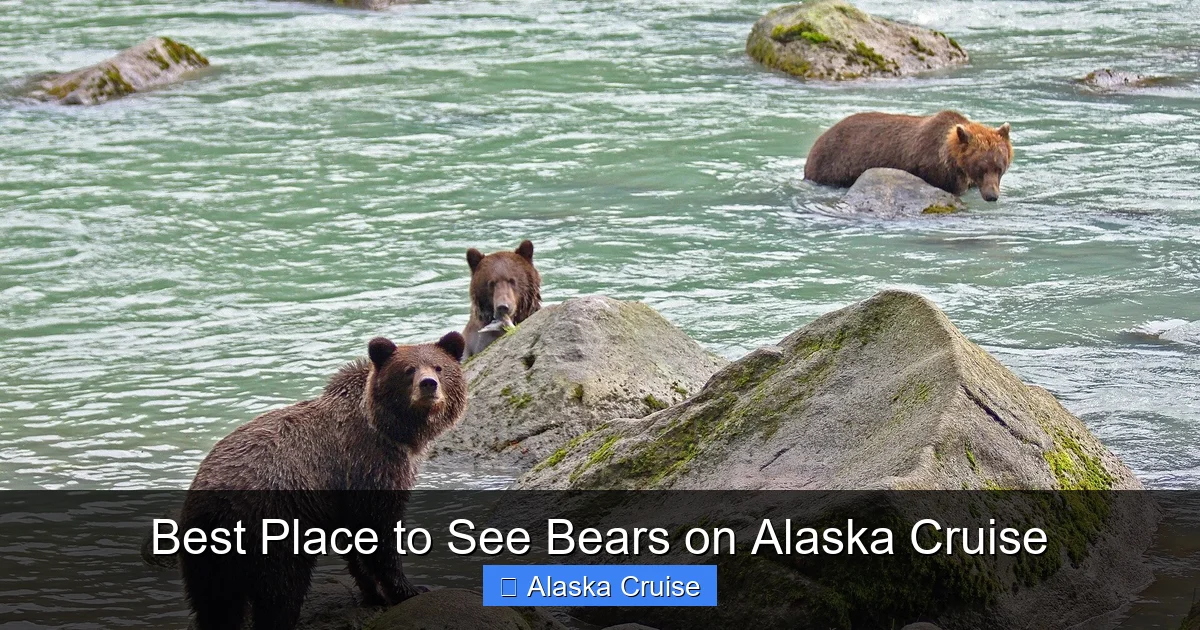
Visual guide about Best Place to See Bears on Alaska Cruise
Image source: celebritycruises.com
Now that you know why Alaska is such a bear-watching mecca, let’s dive into the best places to see bears on an Alaska cruise. While bears can be spotted in many locations, a few destinations stand out for their reliability, accessibility, and sheer spectacle. These aren’t just random stops—they’re carefully chosen spots where bears gather in large numbers, often during predictable times of year.
Katmai National Park: The Ultimate Bear Destination
If there’s one place that deserves the title of “best place to see bears on Alaska cruise,” it’s Katmai National Park. Located on the Alaska Peninsula, about 290 miles southwest of Anchorage, Katmai is home to one of the densest populations of brown bears in the world—over 2,000 individuals, according to park estimates.
The park’s most famous attraction is Brooks Falls, a 6-foot waterfall on the Brooks River where bears gather every summer to catch salmon. As the fish leap upstream to spawn, bears position themselves at the base of the falls, waiting to snag a meal. The result is a scene of raw power and precision: bears standing in the rushing water, snatching fish out of the air, and sometimes even wrestling with each other for the best spot.
What makes Brooks Falls so special isn’t just the action—it’s the accessibility. The park operates a remote lodge and viewing platforms that allow visitors to observe bears from a safe, respectful distance. Rangers are on hand to provide information and ensure that visitors follow bear safety guidelines. And because the area is carefully managed, bears behave naturally, with minimal human interference.
For cruise passengers, visiting Katmai usually involves a flight from a nearby port like Kodiak or Homer. Many cruise lines partner with local operators to offer day trips to Brooks Camp, where you can take a boat ride up the river and walk to the viewing platforms. The experience is often described as life-changing—especially when you see a mother bear teaching her cubs how to fish.
Admiralty Island: The “Fortress of the Bear”
Located in Southeast Alaska, Admiralty Island is another top contender for the best place to see bears on Alaska cruise. Known as the “Fortress of the Bear,” this remote island has one of the highest densities of brown bears in the world—estimates suggest up to 1,600 bears on an island just 75 miles long.
What sets Admiralty Island apart is its isolation. With no roads and limited human development, the island remains a true wilderness, where bears roam freely through old-growth forests, along salmon-filled streams, and across rugged coastlines. The island is part of the Tongass National Forest and is home to the Kootznoowoo Wilderness, a protected area that covers over 1 million acres.
Bear viewing on Admiralty Island often takes place in the summer months, when salmon are running in rivers like the Pack Creek and the Amalik River. Guided tours typically involve a boat ride from nearby towns like Juneau or Sitka, followed by a hike or floatplane trip to prime bear habitats.
One of the most popular spots is Pack Creek, where a viewing tower allows visitors to observe bears fishing in the estuary. The area is managed by the U.S. Forest Service, which limits the number of visitors and requires permits to ensure minimal impact on the bears.
For cruisers, Admiralty Island excursions are often offered as part of longer itineraries that include other Southeast Alaska destinations. The experience is more rugged and remote than Katmai, but equally rewarding for those seeking a true wilderness adventure.
Kodiak Island: Home of the Kodiak Bear
If you’re looking for the largest bears in the world, Kodiak Island is the place to go. This remote island in the Gulf of Alaska is home to the Kodiak bear, a subspecies of brown bear that can weigh over 1,500 pounds and stand 10 feet tall on its hind legs.
Kodiak bears are larger than other brown bears due to their rich diet of salmon, berries, and marine life. The island’s isolation has allowed the population to thrive, with an estimated 3,500 bears living in the Kodiak National Wildlife Refuge.
Bear viewing on Kodiak Island often takes place in the summer, when salmon are running in rivers like the Karluk and the Ayakulik. Guided tours typically involve a boat or floatplane ride to remote areas, where visitors can observe bears from a safe distance.
One of the best ways to see Kodiak bears is by joining a guided fishing or wildlife tour. Many local operators offer multi-day excursions that include bear viewing, fishing, and camping in the wilderness. These trips are ideal for adventurous travelers who want to immerse themselves in Alaska’s wild beauty.
Glacier Bay National Park: Bears and Ice
While Glacier Bay National Park is best known for its towering glaciers and marine wildlife, it’s also a great place to see bears—especially black bears and coastal brown bears. The park’s diverse habitats, from temperate rainforests to rocky coastlines, provide ideal conditions for bears to forage and feed.
Bear sightings in Glacier Bay often occur along the shoreline, where bears come to dig for clams, eat berries, or scavenge on washed-up marine life. In the summer, bears may also be seen along riverbanks where salmon are spawning.
One of the unique aspects of bear viewing in Glacier Bay is the combination of wildlife and scenery. Imagine watching a bear amble along a rocky beach while glaciers calve in the distance—it’s a scene that captures the raw beauty of Alaska.
Cruise ships often pass through Glacier Bay as part of their itinerary, and rangers come aboard to provide commentary and lead short walks on the shore. While bear sightings aren’t guaranteed, the park’s remote location and pristine environment make it a worthwhile stop for wildlife enthusiasts.
Best Time to See Bears on an Alaska Cruise
Timing is everything when it comes to bear watching in Alaska. While bears can be seen year-round, the best time to see them is during the summer months—especially July and August. This is when salmon are running, and bears are most active and visible.
July: Peak Salmon Season
July is often considered the prime month for bear viewing. Salmon are abundant, and bears are focused on feeding to build up fat reserves for the winter. This is when you’ll see the most action at places like Brooks Falls and Pack Creek.
August: Family Time
In August, bear activity remains high, but you’re more likely to see mothers with cubs. This is a great time for photographers and families, as the cubs are playful and often curious about their surroundings.
June and September: Early and Late Season
June offers early salmon runs and fewer crowds, while September brings the final spawning events and the chance to see bears in a more solitary, reflective state. Both months can offer excellent sightings, though weather may be less predictable.
Tips for a Safe and Memorable Bear Viewing Experience
Seeing bears in the wild is thrilling, but it’s important to do so safely and respectfully. Here are some tips to make your bear viewing experience both safe and unforgettable:
– Always follow park guidelines and stay on designated trails.
– Keep a safe distance—use binoculars or a zoom lens for close-ups.
– Never feed bears or leave food unattended.
– Travel with a guide who knows bear behavior and local regulations.
– Be quiet and patient—bears are more likely to appear when humans are calm and still.
Conclusion
The best place to see bears on Alaska cruise isn’t just one location—it’s a combination of the right destination, timing, and preparation. Whether you’re watching bears catch salmon at Brooks Falls, exploring the remote wilderness of Admiralty Island, or spotting Kodiak bears along a rugged coastline, Alaska offers some of the most incredible wildlife experiences on Earth. With respect for nature and a sense of adventure, your bear-watching journey will be one you’ll never forget.
Frequently Asked Questions
What is the best month to see bears on an Alaska cruise?
The best months are July and August, when salmon are running and bears are most active. July offers peak feeding activity, while August is ideal for seeing mothers with cubs.
Can you see bears from a cruise ship?
While rare, bears can sometimes be spotted from the ship’s deck, especially along coastlines. However, most sightings happen during shore excursions to dedicated bear viewing areas.
Are bear viewing tours safe?
Yes, when led by experienced guides. Tours follow strict safety protocols, maintain safe distances, and educate visitors on bear behavior to ensure a safe experience for both humans and animals.
Do I need special gear for bear watching?
Bring binoculars, a camera with a zoom lens, layers for changing weather, and rain gear. Avoid bright colors and scented products that might attract bears.
Can I feed the bears during a tour?
No, feeding bears is illegal and dangerous. It alters their natural behavior and can lead to aggressive encounters. Always observe from a distance and follow park rules.
Which cruise lines offer bear viewing excursions?
Most major Alaska cruise lines, including Holland America, Princess, and Celebrity, offer bear viewing excursions to places like Katmai, Admiralty Island, and Kodiak.