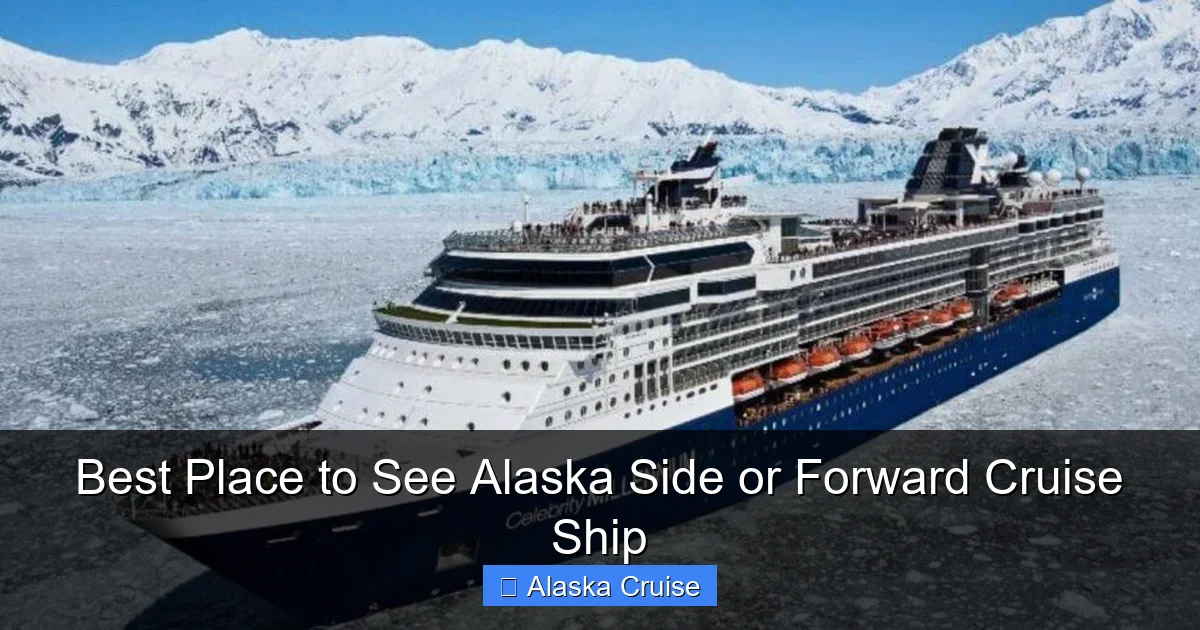
Want to capture breathtaking Alaska side or forward cruise ship views? The best spot is right at the bow—especially on upper decks with unobstructed sightlines. Whether you’re chasing glaciers, wildlife, or golden sunsets, knowing where and when to position yourself makes all the difference.
Planning an Alaska cruise is like preparing for a once-in-a-lifetime adventure. Towering glaciers, snow-capped peaks, breaching whales, and lush temperate rainforests—Alaska delivers nature’s greatest hits in one unforgettable journey. But here’s the thing: not all views are created equal. If you’ve ever stood at the railing, camera in hand, only to realize you’re looking at the wrong side of the ship or blocked by a lifeboat, you know how frustrating it can be. That’s why knowing the best place to see Alaska side or forward cruise ship views is essential for making the most of your voyage.
Whether you’re a seasoned cruiser or a first-timer, positioning yourself correctly can transform your experience. It’s not just about seeing Alaska—it’s about seeing it in all its glory. The right spot lets you feel the chill of glacial air, hear the thunder of calving ice, and snap photos that look like they belong in a National Geographic spread. And while every deck has its perks, some locations consistently deliver the most jaw-dropping perspectives. From the windy bow to the quiet aft, each area offers something unique. But if you want the ultimate front-row seat to Alaska’s natural wonders, you’ll want to know exactly where to go—and when.
Key Takeaways
- Upper deck forward sections offer the best panoramic views of Alaska’s coastline, glaciers, and wildlife, especially during scenic cruising.
- Early morning and late afternoon provide optimal lighting for photography and sightseeing, with softer light and fewer crowds.
- Choose a cabin on the starboard (right) side when sailing north to maximize views of Alaska’s dramatic shorelines and avoid backlighting.
- Glacier Bay and Tracy Arm Fjord are prime locations for forward-facing views, where ships slow down and turn for dramatic photo ops.
- Bring binoculars and dress in layers to fully enjoy the crisp, changing Alaskan weather while on deck.
- Midship and aft decks can be less crowded and offer unique perspectives, especially during wildlife sightings or ship maneuvers.
- Check your cruise itinerary for scenic cruising times and plan your deck time accordingly to catch the most stunning Alaska side or forward cruise ship moments.
📑 Table of Contents
- Why the Forward Deck is the Prime Spot for Alaska Views
- Choosing the Right Side of the Ship for Maximum Alaska Views
- Top Alaska Locations for Forward and Side Views
- Practical Tips for Maximizing Your Alaska Cruise Views
- Alternative Viewing Spots: Aft and Midship Decks
- Conclusion: Make Every Moment Count
Why the Forward Deck is the Prime Spot for Alaska Views
When it comes to scenic cruising in Alaska, the forward deck—especially on the upper levels—is hands-down the best place to be. Think of it as the ship’s “front row.” From here, you get unobstructed, panoramic views of the coastline, glaciers, and wildlife as they unfold directly in front of you. There’s no railing in the way, no other passengers blocking your line of sight, and no distractions—just you, the vast Alaskan wilderness, and the gentle hum of the ship cutting through calm waters.
One of the biggest advantages of the forward deck is the sense of immersion. As the ship glides through narrow fjords like Tracy Arm or Glacier Bay, you feel like you’re floating right into the heart of the landscape. The towering cliffs rise on either side, waterfalls cascade down mossy rock faces, and icebergs drift lazily in the wake. From the bow, you’re not just observing—you’re part of the scene. It’s no wonder so many cruisers consider this the most magical part of the journey.
Upper Decks Offer the Clearest Sightlines
Not all forward decks are equal. The higher you go, the better your view. Upper decks—typically Deck 10 and above on most modern ships—provide elevated perspectives that let you see over lower structures and crowds. This is especially important in areas like Hubbard Glacier, where the ship may stop for 360-degree views. From a high forward deck, you can see the entire face of the glacier, including crevasses, blue ice formations, and the way the light plays across the surface.
Plus, upper decks tend to be less crowded. While everyone flocks to the main promenade or midship lounges, the forward sections often remain peaceful retreats. That means more space to move around, better angles for photography, and fewer people jostling for position. If you’re serious about capturing Alaska’s beauty, aim for a spot on Deck 11 or 12 near the front.
Best Times to Be on the Forward Deck
Timing is everything. The forward deck is most rewarding during scenic cruising periods, which usually happen in the early morning or late afternoon. These are the “golden hours” when the sun is low in the sky, casting a warm, golden glow over the landscape. The light is softer, shadows are longer, and everything looks more dramatic—perfect for photography and soaking in the scenery.
For example, when your ship enters Glacier Bay National Park at sunrise, the forward deck becomes a front-row seat to one of nature’s greatest shows. The air is crisp, the water is mirror-like, and the silence is broken only by the occasional crack of ice. Being there at that moment, with the sun rising behind you and the glacier ahead, is an experience you’ll never forget.
Choosing the Right Side of the Ship for Maximum Alaska Views
Visual guide about Best Place to See Alaska Side or Forward Cruise Ship
Image source: cruisehive.com
While the forward deck offers the best overall vantage point, the side of the ship you choose can make a big difference—especially when sailing northbound or southbound. Most Alaska cruises follow a similar route: departing from Seattle or Vancouver, heading north through the Inside Passage, and ending in Seward or Whittier (or vice versa). The direction of travel determines which side of the ship offers the best views.
Starboard Side: The Gold Medal for Northbound Cruises
If your cruise is heading north (from Seattle to Seward, for example), the starboard (right) side of the ship is where you want to be. This side faces the mainland coastline, offering stunning views of lush forests, rugged cliffs, and small coastal towns. You’ll also have a better chance of spotting wildlife like bears, eagles, and whales, which are often closer to the shore.
For instance, when passing through the narrow channels of the Inside Passage, the starboard side gives you uninterrupted views of the Tongass National Forest—the largest national forest in the U.S. You might even catch a glimpse of a bald eagle perched on a spruce tree or a sea otter floating on its back. And when the ship slows for a glacier viewing, being on the starboard side means you’re facing the ice directly, not looking at it from the side or back.
Port Side: Ideal for Southbound Journeys
Conversely, if you’re sailing southbound (from Seward to Seattle), the port (left) side becomes the prime viewing area. This side faces the open water and the distant coastline, offering expansive views of the ocean, islands, and mountain ranges. It’s also the best side for spotting marine life, as whales and dolphins often travel along the deeper channels.
One of the most memorable moments on a southbound cruise is passing by the snow-capped peaks of the Coast Mountains. From the port side, you can see the full sweep of the range, with glaciers spilling down the slopes like frozen rivers. It’s a sight that stays with you long after the cruise ends.
How to Choose a Cabin for the Best Views
If you want to enjoy Alaska’s scenery from the comfort of your room, choosing the right cabin is key. Oceanview and balcony cabins on the starboard side (for northbound cruises) or port side (for southbound) offer private access to the views. Waking up to a glacier outside your window or sipping coffee on your balcony as the ship glides through a fjord is pure magic.
When booking, check your ship’s deck plan and itinerary to determine the best side. Some cruise lines even offer “scenic view” cabins that are specifically positioned for optimal sightlines. These might cost a bit more, but for many travelers, the extra expense is worth it for the convenience and comfort.
Top Alaska Locations for Forward and Side Views
Alaska is full of breathtaking destinations, but some spots are especially rewarding for forward and side views. These are the places where the ship slows down, turns, or stops entirely, giving you time to soak in the scenery. Knowing when and where these moments happen helps you plan your deck time for maximum impact.
Glacier Bay National Park: A Natural Wonder
Glacier Bay is one of the most iconic stops on any Alaska cruise. This UNESCO World Heritage Site is home to over a dozen active glaciers, including the massive Margerie and Lamplugh Glaciers. When your ship enters the bay, it typically slows to a crawl, allowing passengers to take in the sheer scale of the ice.
The best views come from the forward deck, where you can see the glacier head-on as the ship approaches. The blue ice glows under the sunlight, and the sound of calving—when chunks of ice break off and crash into the water—echoes across the bay. It’s a powerful reminder of nature’s raw power.
For side views, the starboard side (on northbound cruises) offers the closest approach to the glaciers. You’ll be able to see the intricate patterns in the ice, the deep crevasses, and the way the glacier meets the water. Bring binoculars to spot seals lounging on ice floes or birds nesting on the cliffs.
Tracy Arm Fjord: A Narrow, Dramatic Passage
Tracy Arm is often described as one of the most beautiful places in Alaska. This narrow fjord is flanked by steep granite walls, cascading waterfalls, and the towering Sawyer Glaciers. The ship navigates slowly through the winding channel, giving passengers plenty of time to admire the scenery.
The forward deck is ideal here, as the fjord is so narrow that the ship often turns to provide views on both sides. You’ll feel like you’re sailing through a natural cathedral, with the cliffs rising hundreds of feet above you. The silence is profound—broken only by the drip of melting ice and the call of a distant eagle.
For photography, the early morning light in Tracy Arm is unbeatable. The sun hits the cliffs at a low angle, creating long shadows and highlighting the texture of the rock. If you’re on the forward deck at sunrise, you might even catch the golden light reflecting off the glacier’s surface.
Hubbard Glacier: The Largest in North America
At over 7 miles wide and 700 feet tall, Hubbard Glacier is a force of nature. When your ship approaches, it often stops for a full 360-degree turn, allowing passengers to see the glacier from all angles. This is one of the rare times when every side of the ship offers a great view—but the forward deck still gives you the most dramatic perspective.
From the bow, you can see the full face of the glacier, including the deep blue crevasses and the way the ice towers over the water. The ship may get close enough that you can hear the ice cracking and shifting. It’s a humbling experience, especially when you realize that this glacier is still advancing—growing by about 10 feet per day.
Inside Passage: Wildlife and Coastal Beauty
The Inside Passage is the stretch of water that runs along the coast of British Columbia and southeast Alaska. It’s known for its calm waters, lush forests, and abundant wildlife. While there are no major glaciers here, the scenery is still stunning—and the forward and side decks offer excellent views of the coastline.
Keep an eye out for black bears foraging along the shore, sea lions basking on rocks, and pods of orcas swimming alongside the ship. The starboard side (on northbound cruises) is often the best for wildlife spotting, as animals tend to stay close to the mainland.
Practical Tips for Maximizing Your Alaska Cruise Views
Knowing where to go is one thing—being prepared is another. Alaska’s weather can change in an instant, and the best views often come with a side of wind, rain, or cold. Here are some practical tips to help you make the most of your time on deck.
Dress in Layers
Alaska is famously unpredictable. You might start the day in sunshine and end it in a light drizzle. That’s why dressing in layers is essential. Start with a moisture-wicking base layer, add a fleece or sweater, and top it off with a waterproof jacket. Don’t forget a hat, gloves, and sturdy shoes—especially if you plan to stand on the forward deck for long periods.
Even in summer, temperatures on the water can be chilly, especially when the ship is moving. A windbreaker is a must, as the breeze at the bow can be strong. And if you’re planning to photograph glaciers, you’ll want to protect your hands from the cold.
Bring Binoculars and a Good Camera
While the views from the deck are spectacular, binoculars let you get up close and personal with Alaska’s wildlife. Spotting a bear from a distance is one thing—seeing it dig for clams in the mud is another. Binoculars also help you see details on glaciers, like the patterns in the ice or the seals resting on ice floes.
For photography, a camera with a good zoom lens is ideal. Glaciers and wildlife are often far away, and a telephoto lens lets you capture them in detail. If you’re using a smartphone, consider a clip-on lens for better magnification. And don’t forget extra batteries—cold weather drains them quickly.
Arrive Early to Secure Your Spot
The best spots on the forward deck fill up fast, especially during scenic cruising. If you want a prime location, arrive at least 15–20 minutes early. Bring a blanket or folding chair if allowed, and claim your territory. Some cruisers even bring a small thermos of coffee or tea to enjoy while they wait.
If the forward deck is too crowded, don’t despair. The midship and aft decks can also offer great views, especially during wildlife sightings or when the ship turns. The aft deck, in particular, is often quieter and provides a unique perspective of the ship’s wake and the landscape behind you.
Check the Daily Schedule
Most cruise lines publish a daily newsletter or app update with the ship’s itinerary, including scenic cruising times and wildlife alerts. Use this to plan your deck time. For example, if Glacier Bay is scheduled for 7 a.m., set your alarm and head to the forward deck by 6:30. You’ll beat the crowds and have the best light for photos.
Some ships also offer naturalist-led commentary during scenic cruising. These experts point out landmarks, explain glacial formations, and help you spot wildlife. It’s a great way to learn more about the area and enhance your experience.
Alternative Viewing Spots: Aft and Midship Decks
While the forward deck gets all the glory, don’t overlook the aft (rear) and midship decks. These areas can offer unique perspectives and quieter spaces, especially during peak times.
Aft Deck: A Peaceful Retreat
The aft deck is often the least crowded part of the ship. It’s a great spot to relax with a book, enjoy a quiet moment, or watch the landscape recede behind you. During scenic cruising, the aft deck offers a different kind of view—one that emphasizes the vastness of the journey.
For example, when your ship leaves Glacier Bay, the aft deck lets you see the entire bay opening up behind you, with the glaciers shrinking in the distance. It’s a powerful reminder of how much you’ve seen—and how much more there is to explore.
Midship Decks: Balanced Views and Easy Access
Midship decks offer a balance between forward and aft views. They’re close to amenities like lounges, bars, and restrooms, making them convenient for longer stays. They’re also less affected by wind and motion, which can be helpful if you’re prone to seasickness.
During wildlife sightings, midship decks can be ideal. If a whale is spotted off the side, you’ll have a clear view without having to rush to the bow or stern. And if the ship turns, you’ll still be in a good position to see the action.
Conclusion: Make Every Moment Count
An Alaska cruise is more than just a vacation—it’s a journey into one of the world’s last great wildernesses. And the best place to see Alaska side or forward cruise ship views is where you feel most connected to that wilderness. Whether you’re standing at the bow as a glacier calves, sipping coffee on your starboard balcony, or spotting a bear from the aft deck, every moment is a gift.
The key is to be prepared, flexible, and present. Dress for the weather, arrive early, and don’t be afraid to explore different parts of the ship. Alaska rewards those who take the time to look, listen, and absorb. So grab your camera, bundle up, and get ready for the adventure of a lifetime. The views are waiting.
Frequently Asked Questions
Where is the best place on a cruise ship to see Alaska glaciers?
The best place is the forward deck on an upper level, especially during scenic cruising in areas like Glacier Bay or Tracy Arm. This spot offers unobstructed, head-on views of glaciers and the surrounding landscape.
Which side of the ship has the best views on an Alaska cruise?
It depends on your direction. On northbound cruises, the starboard (right) side offers the best views of the mainland and glaciers. On southbound cruises, the port (left) side is ideal for ocean and mountain views.
When is the best time of day to be on deck for Alaska views?
Early morning and late afternoon provide the best lighting and fewer crowds. These “golden hours” enhance the colors of glaciers, forests, and wildlife, making for stunning photos and experiences.
Should I book a balcony cabin for better Alaska views?
Yes, especially if you choose a cabin on the correct side of the ship for your itinerary. A balcony lets you enjoy private, uninterrupted views of Alaska’s scenery from the comfort of your room.
What should I bring to enjoy the views on deck?
Bring layers, a waterproof jacket, binoculars, a camera with a zoom lens, and a thermos for warm drinks. Dress warmly, as it can be windy and cold, even in summer.
Are there quiet spots on the ship to enjoy Alaska views?
Yes, the aft and midship decks are often less crowded than the forward deck. They offer peaceful alternatives with unique perspectives, especially during wildlife sightings or ship turns.