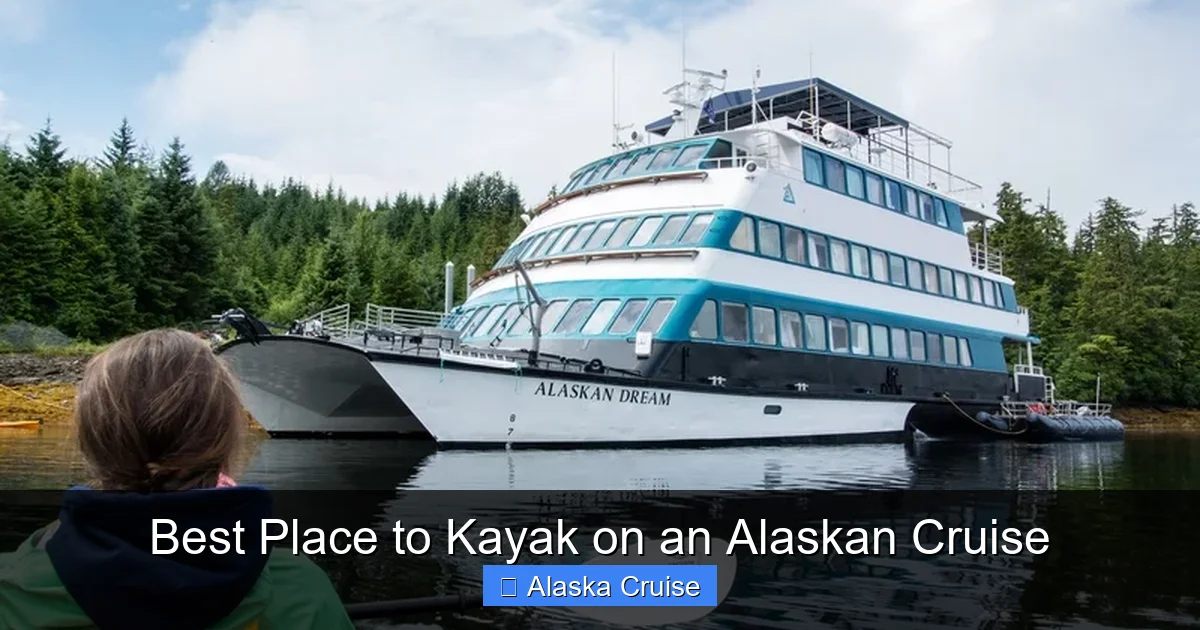
If you’re looking for the best place to kayak on an Alaskan cruise, Glacier Bay National Park stands out as the top choice. With towering glaciers, abundant wildlife, and serene fjords, it offers an unforgettable paddling experience that blends adventure and natural beauty.
Key Takeaways
- Glacier Bay National Park is the premier kayaking destination on an Alaskan cruise: Its protected waters, dramatic ice formations, and rich wildlife make it ideal for both beginners and experienced paddlers.
- Kayaking here offers up-close encounters with glaciers and marine life: You may see humpback whales, sea otters, harbor seals, and bald eagles while gliding through calm, glassy waters.
- Most cruise lines offer guided kayak excursions in Glacier Bay: These small-group tours provide safety, local knowledge, and access to remote inlets not reachable by larger ships.
- Weather and tides play a big role in the experience: Early morning paddles often offer the calmest conditions and best wildlife sightings.
- Proper gear and preparation are essential: Even in summer, Alaskan waters are cold, so dressing in layers and wearing a drysuit or wetsuit is highly recommended.
- Respect for the environment is critical: Follow Leave No Trace principles to help preserve this fragile ecosystem for future generations.
- Other great kayaking spots include Tracy Arm and Kenai Fjords: These areas offer stunning scenery and unique paddling opportunities, though they may be less accessible on standard cruise itineraries.
📑 Table of Contents
- Why Kayaking on an Alaskan Cruise Is a Must-Do Experience
- Glacier Bay National Park: The Crown Jewel of Alaskan Kayaking
- What to Expect on a Glacier Bay Kayaking Excursion
- Other Top Kayaking Destinations on an Alaskan Cruise
- Tips for a Safe and Enjoyable Kayaking Experience
- Choosing the Right Cruise Line for Kayaking
- Final Thoughts: Why Glacier Bay Is the Best Place to Kayak on an Alaskan Cruise
Why Kayaking on an Alaskan Cruise Is a Must-Do Experience
Imagine gliding across a mirror-like fjord, the only sounds the gentle dip of your paddle and the distant crack of a glacier calving into the sea. That’s the magic of kayaking on an Alaskan cruise—a chance to get off the ship, away from the crowds, and into the heart of one of the world’s last true wildernesses. Alaska’s rugged coastline, carved by ancient glaciers and shaped by powerful tides, offers some of the most breathtaking kayaking experiences on the planet.
Unlike typical beach vacations, an Alaskan cruise combines the comfort of a luxury ship with the thrill of outdoor adventure. While your vessel sails through icy channels and past snow-capped peaks, you can step into a kayak and explore hidden coves, paddle beneath towering ice walls, or drift alongside curious sea otters. It’s not just a side activity—it’s a transformative way to connect with nature. Whether you’re a seasoned paddler or trying kayaking for the first time, the experience is both humbling and exhilarating.
What makes kayaking in Alaska so special is the sheer scale and raw beauty of the landscape. You’re not just seeing Alaska from a distance; you’re immersed in it. The water is often so calm and clear that it reflects the sky and surrounding mountains like a painting. And because many of these areas are protected national parks, the environment remains pristine, offering a rare glimpse into a world untouched by modern development.
Glacier Bay National Park: The Crown Jewel of Alaskan Kayaking

Visual guide about Best Place to Kayak on an Alaskan Cruise
Image source: images.squarespace-cdn.com
When it comes to the best place to kayak on an Alaskan cruise, Glacier Bay National Park consistently tops the list. Located in southeastern Alaska, this UNESCO World Heritage Site spans over 3.3 million acres of rugged wilderness, including deep fjords, towering mountains, and over 1,000 glaciers. It’s a place where nature still reigns supreme, and kayaking here feels like stepping into a living postcard.
One of the park’s most famous features is the Margerie and Grand Pacific Glaciers, which meet at the head of the bay. These massive rivers of ice can stretch over a mile wide and rise 200 feet above the water. Paddling near them is both awe-inspiring and slightly intimidating—especially when a chunk of ice breaks off with a thunderous roar and crashes into the sea. These calving events are a natural spectacle, but they also remind you of the power and unpredictability of nature.
Wildlife Encounters in Glacier Bay
Glacier Bay isn’t just about glaciers—it’s a hotspot for wildlife. As you paddle through the quiet inlets, you might spot humpback whales breaching in the distance or sea otters floating on their backs, cracking clams on their chests. Harbor seals often lounge on ice floes, while Steller sea lions bark from rocky outcrops. Birdwatchers will delight in spotting bald eagles perched in tall spruce trees, puffins diving for fish, and marbled murrelets skimming the water’s surface.
One of the most magical moments comes at dawn, when the water is at its calmest and the light casts a golden glow over the ice. This is when marine life is most active, and the chances of seeing a whale or seal up close are highest. Many guided tours time their excursions for early morning to take advantage of these conditions.
Guided Kayak Tours: Safety and Local Insight
Most major cruise lines that visit Glacier Bay—such as Holland America, Princess Cruises, and Celebrity Cruises—offer guided kayak excursions. These small-group tours typically launch from a tender boat and are led by experienced naturalists or certified guides. They provide all the necessary equipment, including kayaks, paddles, life jackets, and waterproof bags, so you don’t need to bring anything except your sense of adventure.
Guided tours are ideal for first-time kayakers or those unfamiliar with Alaskan waters. The guides not only ensure your safety but also share fascinating insights about the park’s geology, ecology, and history. They know the best routes, the safest distances from glaciers, and the most likely spots to see wildlife. Plus, they’re trained in cold-water rescue and first aid, giving you peace of mind as you explore.
Best Time to Kayak in Glacier Bay
The prime kayaking season in Glacier Bay runs from late May to early September, when the weather is mildest and the days are long. July and August are the most popular months, with average temperatures ranging from 50°F to 65°F. However, even in summer, conditions can change quickly. Fog, wind, and rain are common, so it’s important to be prepared.
Early morning is the best time to paddle. The water is usually calmer, the light is soft and beautiful, and wildlife is more active. Many tours depart around 7 or 8 a.m., allowing you to return to the ship by mid-morning and still enjoy the rest of your day at sea.
What to Expect on a Glacier Bay Kayaking Excursion
So, what does a typical kayaking trip in Glacier Bay look like? Let’s walk through a sample itinerary to give you a sense of what to expect.
Your day begins with a briefing from the tour guide, who explains safety procedures, paddling techniques, and what to watch for. You’ll be fitted with a life jacket and given a quick lesson on how to handle the kayak—especially important if you’ve never paddled before. Most tours use stable, two-person kayaks, which are easier to maneuver and allow you to share the experience with a friend or family member.
Once you’re on the water, the real adventure begins. You’ll paddle through narrow channels flanked by steep cliffs and lush temperate rainforests. The silence is profound—broken only by the sound of your paddle dipping into the water and the occasional call of a loon. As you approach the glaciers, the air grows cooler, and the ice formations become more dramatic.
Your guide will lead you to a safe viewing distance—usually about 100 yards—where you can observe the glaciers without risk. This is your chance to take photos, ask questions, and simply soak in the moment. Some tours even stop at a small beach or ice floe for a snack and a chance to stretch your legs.
The entire excursion typically lasts 2 to 3 hours, including transportation to and from the launch site. It’s a moderate physical activity, but most people find it manageable, especially with the help of a partner. And the sense of accomplishment—and wonder—you feel afterward is well worth the effort.
Other Top Kayaking Destinations on an Alaskan Cruise
While Glacier Bay is the star of the show, Alaska offers several other incredible kayaking spots that are worth exploring—especially if your cruise itinerary includes multiple ports.
Tracy Arm: The Fjord of Frozen Waterfalls
Located near the town of Juneau, Tracy Arm is a narrow, 30-mile-long fjord known for its towering granite walls, cascading waterfalls, and the stunning Sawyer Glaciers. Paddling here feels like entering a hidden world, with cliffs rising over 3,000 feet on either side. The water is often so still it looks like glass, reflecting the sky and surrounding peaks in perfect symmetry.
One of the highlights of a Tracy Arm kayak tour is the chance to paddle beneath the twin Sawyer Glaciers. These massive ice formations calve frequently, sending icebergs tumbling into the fjord. The sound is thunderous, and the sight is unforgettable. Wildlife is abundant here too—look for black bears foraging along the shoreline, mountain goats perched on cliffs, and harbor seals resting on ice floes.
Most kayak tours in Tracy Arm depart from Juneau and include a boat ride to the fjord entrance. The paddling portion usually lasts 2 to 3 hours, with plenty of stops for photos and wildlife viewing. Because the fjord is narrow and protected, conditions are generally calm, making it suitable for beginners.
Kenai Fjords National Park: Paddling Among Icebergs
On the Kenai Peninsula, south of Anchorage, Kenai Fjords National Park offers a different kind of kayaking experience. Here, you’ll paddle among floating icebergs in Resurrection Bay, with views of the Harding Icefield and the towering peaks of the Kenai Mountains. The park is home to a rich marine ecosystem, including orcas, sea lions, and puffins.
Kayak tours in Kenai Fjords often launch from Seward, a charming coastal town that serves as the gateway to the park. Many tours include a boat ride to the fjord entrance, followed by several hours of paddling. You might stop at a sea lion rookery, explore a sea cave, or even camp overnight on a remote beach (for multi-day trips).
One unique feature of Kenai Fjords is the chance to see tidewater glaciers up close. The park’s most famous glacier, Exit Glacier, is accessible by land, but the fjords offer views of glaciers that calve directly into the ocean. Paddling near these ice walls is both thrilling and humbling.
Ketchikan and the Misty Fjords: A Rainforest Kayaking Adventure
For a more forested, rainforest-style kayaking experience, consider a trip to Ketchikan and the nearby Misty Fjords National Monument. This area is known for its lush greenery, cascading waterfalls, and dramatic rock formations. Paddling here feels like exploring a jungle from the water.
Tours in Ketchikan often focus on the Tongass National Forest, the largest national forest in the U.S. You might paddle through narrow channels lined with moss-covered trees, spot bald eagles nesting in tall cedars, or even see a black bear fishing for salmon along the shore. The water is usually calm, and the scenery is lush and vibrant.
Because Ketchikan is a popular cruise port, many tour operators offer half-day kayak excursions that fit easily into your schedule. Some even combine kayaking with a visit to a native cultural center or a salmon bake, giving you a taste of local Alaskan culture.
Tips for a Safe and Enjoyable Kayaking Experience
Kayaking in Alaska is an incredible adventure, but it’s important to be prepared. The weather can be unpredictable, the water is cold, and the environment is wild. Here are some practical tips to help you make the most of your experience.
Dress for the Conditions
Even in summer, Alaskan waters rarely get above 50°F. Hypothermia is a real risk, so dressing appropriately is crucial. Most tour operators provide drysuits or wetsuits, but you should also wear layers underneath. A moisture-wicking base layer, insulating mid-layer (like fleece), and a waterproof outer shell are ideal. Don’t forget a hat, gloves, and waterproof boots.
Listen to Your Guide
Your guide is there to keep you safe and enhance your experience. Pay attention during the safety briefing, follow instructions on the water, and stay within the group. Never paddle too close to glaciers—calving ice can create dangerous waves. And always keep a safe distance from wildlife.
Pack Light and Smart
You’ll be carrying your gear to and from the kayak, so pack only what you need. A waterproof dry bag is essential for protecting your phone, camera, and snacks. Bring sunscreen, sunglasses, and a reusable water bottle. Avoid cotton clothing—it retains moisture and can make you cold.
Be Mindful of Tides and Weather
Tides can affect water levels and currents, especially in narrow fjords. Your guide will plan the route accordingly, but it’s good to be aware. Also, check the weather forecast before your trip. If conditions look rough, the tour may be canceled or rescheduled—safety always comes first.
Practice Leave No Trace
Alaska’s wilderness is fragile. Pack out all trash, avoid disturbing wildlife, and stay on designated routes. Remember, you’re a guest in this ecosystem. By respecting the environment, you help ensure that future generations can enjoy it too.
Choosing the Right Cruise Line for Kayaking
Not all Alaskan cruises are created equal when it comes to kayaking opportunities. Some lines offer more adventurous excursions, while others focus on comfort and luxury. Here’s a quick guide to help you choose.
Holland America Line
Known for its focus on nature and exploration, Holland America offers guided kayak tours in Glacier Bay and other ports. Their excursions are led by naturalists and often include educational components. They also have a strong commitment to sustainability.
Princess Cruises
Princess Cruises offers a variety of kayaking options, including small-group tours and multi-day adventures. Their “Adventure Ocean” program includes kayaking for teens and families, making it a great choice for travelers with kids.
Celebrity Cruises
Celebrity focuses on modern luxury, but they also offer immersive outdoor experiences. Their kayak tours in Alaska are well-organized and include high-quality equipment. They often partner with local guides to provide authentic experiences.
Small Ship and Expedition Cruises
For a more intimate and adventurous experience, consider a small ship or expedition cruise. Lines like UnCruise Adventures, Lindblad Expeditions, and Alaskan Dream Cruises specialize in active, nature-focused itineraries. These cruises often include daily kayaking, camping, and wildlife viewing, with smaller groups and more flexibility.
Final Thoughts: Why Glacier Bay Is the Best Place to Kayak on an Alaskan Cruise
After exploring the many kayaking options Alaska has to offer, one destination consistently rises to the top: Glacier Bay National Park. It’s not just the glaciers—though they are undeniably spectacular. It’s the combination of pristine wilderness, abundant wildlife, and the sense of awe that comes from paddling in a place where nature still holds sway.
Whether you’re gliding past a calving glacier, watching a humpback whale breach, or simply floating in silence beneath towering peaks, kayaking in Glacier Bay is an experience you’ll never forget. It’s more than just a tour—it’s a connection to the wild heart of Alaska.
And while other destinations like Tracy Arm and Kenai Fjords offer their own unique charms, Glacier Bay stands out for its accessibility, safety, and sheer grandeur. Most major cruise lines visit the park, and guided tours make it easy for anyone to participate—no prior experience required.
So, if you’re planning an Alaskan cruise and want to add an unforgettable adventure to your itinerary, don’t miss the chance to kayak in Glacier Bay. It’s the best place to kayak on an Alaskan cruise, and a highlight of any trip to the Last Frontier.
Frequently Asked Questions
Is kayaking in Glacier Bay safe for beginners?
Yes, kayaking in Glacier Bay is safe for beginners. Most tours use stable, two-person kayaks and are led by experienced guides who provide instruction and safety briefings. The water is generally calm, and tours are designed for all skill levels.
What should I wear when kayaking in Alaska?
Wear layers, including a moisture-wicking base layer, fleece mid-layer, and waterproof outer shell. Most tours provide drysuits or wetsuits. Don’t forget a hat, gloves, and waterproof footwear.
Can I bring my own camera on a kayak tour?
Yes, but use a waterproof case or dry bag to protect it. Many guides also offer photo opportunities and may take pictures for the group.
How long are typical kayak excursions in Alaska?
Most guided kayak tours last 2 to 3 hours, including transportation to the launch site. Some multi-day trips are available for more adventurous travelers.
Will I see wildlife while kayaking?
Yes, wildlife sightings are common. You may see whales, seals, sea otters, eagles, and more, especially in Glacier Bay and Kenai Fjords.
What if the weather is bad on the day of my tour?
Tours may be canceled or rescheduled due to weather. Cruise lines prioritize safety, so refunds or alternative activities are usually offered.