The best months for Alaska cruise are typically May through September, with June and July offering the warmest weather and longest daylight hours. Each month brings unique experiences—from spring wildlife to fall foliage—so choosing the right time depends on your priorities.
Key Takeaways
- Peak season is June to August: Ideal for warm weather, long days, and abundant wildlife sightings.
- May and September offer fewer crowds: Enjoy lower prices and a more peaceful experience, with still-decent weather.
- Wildlife viewing peaks in July: Bears, whales, and birds are most active during summer months.
- Glacier viewing is best in early summer: May and June offer clearer views before summer melt clouds the water.
- Northern Lights are rare on cruises: Best seen in late September, but not guaranteed due to limited darkness.
- Pack layers regardless of month: Alaska’s weather can change quickly, so be prepared for rain and cool temps.
- Book early for peak months: Cruises fill up fast in summer, so reserve 6–12 months in advance.
📑 Table of Contents
- Introduction: Why Timing Matters for Your Alaska Cruise
- Overview of Alaska’s Cruise Season
- May: The Quiet Start to Cruise Season
- June: Peak of Glacier Clarity and Long Days
- July: The Heart of Summer and Wildlife Peak
- August: Summer’s Last Hurrah
- September: The Quiet Beauty of Fall
- How to Choose the Best Month for Your Alaska Cruise
- Conclusion: Make the Most of Your Alaska Adventure
Introduction: Why Timing Matters for Your Alaska Cruise
Planning an Alaska cruise is exciting—majestic glaciers, towering mountains, and wild animals like bears and whales make it a bucket-list destination. But one of the most important decisions you’ll make is when to go. The best months for Alaska cruise aren’t just about comfort; they shape your entire experience. From wildlife sightings to weather conditions and crowd levels, timing can make or break your trip.
Alaska’s cruise season is short—typically running from May to September—but each month offers something different. June and July are the most popular, with warm weather and long days perfect for sightseeing. But if you prefer fewer people and lower prices, May or September might be your sweet spot. Understanding the seasonal rhythms of Alaska helps you choose the right time for your travel style and interests.
Overview of Alaska’s Cruise Season
The official Alaska cruise season runs from early May to late September, with most cruise lines operating between mid-May and mid-September. This window aligns with Alaska’s brief but beautiful summer, when temperatures are mild, daylight is abundant, and wildlife is active. Outside this period, many ports close, roads become impassable, and cruise ships don’t sail due to harsh weather.

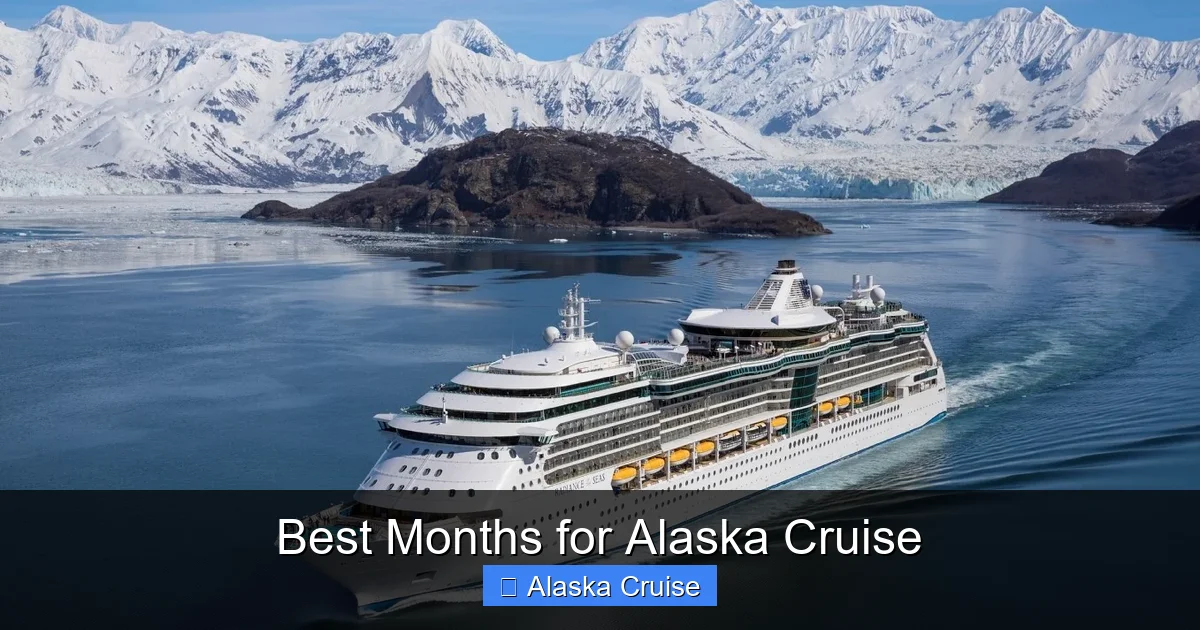
Visual guide about Best Months for Alaska Cruise
Image source: i.pinimg.com
Why the Season Is So Short
Alaska’s northern location means long, dark winters and short, intense summers. By October, snow begins to fall in many regions, and by November, most tourist facilities shut down. Cruise ships rely on accessible ports, safe sailing conditions, and passenger comfort—all of which are only reliably available from May through September. Even within this window, conditions vary significantly from month to month.
What to Expect Each Month
Each month in the cruise season has its own personality. May brings spring blooms and fewer tourists. June offers nearly 20 hours of daylight and peak glacier clarity. July is warm and bustling, with the best wildlife activity. August continues the summer fun but starts to cool. September brings fall colors and a quieter atmosphere. Knowing these differences helps you pick the best months for Alaska cruise based on your goals.
May: The Quiet Start to Cruise Season
May marks the beginning of the Alaska cruise season, and it’s a great time for travelers who want a more relaxed experience. While it’s still early in the year, the weather is improving, and nature is waking up after winter. Days are getting longer, and the landscape is fresh and green.
Weather and Daylight in May
In May, average temperatures in Southeast Alaska (like Juneau and Ketchikan) range from 45°F to 60°F (7°C to 15°C). It’s cool but rarely freezing, and rain is common—so pack a good waterproof jacket. Daylight increases rapidly: by late May, you’ll enjoy up to 17 hours of daylight, giving you plenty of time to explore.
Wildlife and Nature in May
Spring is a magical time for wildlife. Bears are emerging from hibernation and can often be spotted along coastal areas and riverbanks. Whales begin migrating north, and humpbacks are frequently seen near Glacier Bay and Icy Strait Point. Birds return from wintering grounds, filling the air with song. Wildflowers start to bloom, and the forests are lush and green.
Pros and Cons of Cruising in May
Pros: Fewer crowds, lower prices, fresh spring scenery, and active wildlife. Many cruise lines offer early-season discounts, making it a budget-friendly option. You’ll also have more flexibility with excursions and dining reservations.
Cons: Cooler temperatures, unpredictable weather, and some ports or attractions may still be opening for the season. Not all land tours are available yet, and glacier calving can be less dramatic than in summer.
Tips for May Cruisers
- Pack layers, including a warm fleece and waterproof outerwear.
- Book excursions early—some popular tours fill up quickly even in May.
- Bring binoculars for wildlife spotting, especially for bears and whales.
- Check with your cruise line about port availability—some smaller towns may have limited services.
June: Peak of Glacier Clarity and Long Days
June is one of the best months for Alaska cruise, especially if you want to see glaciers in their most stunning form. The weather is warming up, daylight is nearly constant, and the landscape is vibrant and alive. It’s a favorite among photographers and nature lovers.
Weather and Daylight in June
June brings mild temperatures, typically ranging from 50°F to 65°F (10°C to 18°C) in coastal areas. Rain is still possible, but sunny days are more common. The real highlight? Nearly 20 hours of daylight in places like Juneau and Skagway. You’ll cruise into port at 8 a.m. and still have daylight at 10 p.m.—perfect for late-evening walks or photography.
Glacier Viewing in June
June is ideal for glacier viewing. The winter snow has melted, revealing clean, blue ice. Glaciers like Mendenhall (near Juneau) and Hubbard (near Yakutat) are at their most photogenic. Ice calving—when chunks of glacier break off into the water—is common and dramatic. The water is also clearer in June before summer melt increases sediment.
Wildlife and Activities
Wildlife is abundant in June. Humpback whales are frequently spotted, and orcas make appearances in certain areas. Sea lions, otters, and puffins are common. On land, bears are active, and moose can be seen near rivers. Popular excursions include whale watching, kayaking near glaciers, and visiting historic gold rush towns like Skagway.
Pros and Cons of Cruising in June
Pros: Excellent weather, long daylight hours, clear glacier views, and active wildlife. It’s a great balance of comfort and adventure.
Cons: More crowds than May, higher prices, and popular excursions may sell out quickly. Some inland areas (like Denali) may still have snow.
Tips for June Cruisers
- Book your cruise and excursions as early as possible—June is peak season.
- Bring a good camera with extra batteries—you’ll be taking lots of photos in the extended daylight.
- Wear sunglasses and sunscreen—reflected light off snow and water can be intense.
- Try a glacier flightseeing tour for a bird’s-eye view of the ice fields.
July: The Heart of Summer and Wildlife Peak
July is the most popular month for Alaska cruises, and for good reason. It’s warm, lively, and full of activity. If you want the full Alaska experience—with the best weather and most wildlife—July is hard to beat.
Weather and Daylight in July
July is the warmest month of the cruise season, with temperatures averaging 55°F to 70°F (13°C to 21°C). Rain is less frequent than in spring, and sunny days are common. Daylight remains long—up to 19 hours in some areas—so you’ll have plenty of time to explore.
Wildlife in Full Swing
July is peak wildlife season. Humpback whales are everywhere, often seen breaching or feeding in groups. Orcas, sea lions, and porpoises are common. On land, brown bears are frequently spotted fishing for salmon in rivers like the Brooks River in Katmai National Park. Moose, goats, and bald eagles are also easy to spot. Birdwatchers will love the variety of seabirds and migratory species.
Excursions and Activities
July offers the widest range of excursions. Popular options include:
- Whale watching tours in Juneau or Icy Strait Point
- Dog sledding on a glacier (yes, really!)
- Hiking in Tongass National Forest
- Visiting Mendenhall Glacier or Glacier Bay National Park
- Gold panning and historic tours in Skagway
Many cruise lines also offer special July events, like themed dinners or onboard lectures by naturalists.
Pros and Cons of Cruising in July
Pros: Warmest weather, best wildlife sightings, full range of excursions, and vibrant port towns.
Cons: Highest prices, largest crowds, and limited availability. You’ll need to book well in advance.
Tips for July Cruisers
- Reserve your cruise 9–12 months ahead—July sells out fast.
- Arrive a day early to avoid travel delays and explore your departure city.
- Bring insect repellent—mosquitoes can be active in forested areas.
- Stay flexible—weather can still change, so have backup plans for outdoor activities.
August: Summer’s Last Hurrah
August continues the summer fun but with a slightly more relaxed pace. It’s still a great time to cruise, with warm weather and plenty of wildlife. However, the season begins to wind down, and some changes are noticeable.
Weather and Daylight in August
August temperatures are similar to July, ranging from 50°F to 68°F (10°C to 20°C). Rain becomes more likely, especially in the latter half of the month. Daylight starts to shorten—by late August, you’ll have about 16 hours of daylight, compared to 19 in June.
Wildlife and Nature
Wildlife remains abundant in August. Whales are still active, and bears are busy preparing for winter by eating salmon. The salmon run peaks in August, making it a great time for bear viewing. Fall colors begin to appear in late August, especially in inland areas like Haines and Skagway. The changing leaves add a new layer of beauty to the landscape.
Pros and Cons of Cruising in August
Pros: Still warm, great wildlife, fewer crowds than July, and early fall colors.
Cons: More rain, shorter days, and some excursions may start to reduce hours.
Tips for August Cruisers
- Pack a rain jacket and quick-dry clothing.
- Take advantage of bear-viewing tours—salmon runs attract large numbers of bears.
- Photographers should aim for late August for fall foliage shots.
- Check excursion availability—some tours may operate on reduced schedules.
September: The Quiet Beauty of Fall
September is the final month of the cruise season, and it offers a unique, peaceful experience. While it’s cooler and rainier, the scenery is stunning, and the crowds are gone. It’s ideal for travelers who value solitude and natural beauty.
Weather and Daylight in September
September temperatures range from 40°F to 60°F (4°C to 15°C). Rain is common, and snow is possible in higher elevations. Daylight drops quickly—by late September, you’ll have about 12 hours of daylight, similar to spring.
Fall Colors and Wildlife
September is famous for its fall colors. The hills turn golden and red, especially in areas like Haines and Skagway. Wildlife is still active—bears are feeding heavily, and moose are visible. Whales may still be seen, but sightings become less frequent as they begin migrating south.
Northern Lights Possibility
One unique perk of September? A chance to see the Northern Lights. While not common on cruises (due to limited darkness and light pollution), late September offers the first real opportunity. If you’re lucky and the skies are clear, you might catch a green glow on a night cruise.
Pros and Cons of Cruising in September
Pros: Stunning fall scenery, very few crowds, lower prices, and a chance for Northern Lights.
Cons: Cooler weather, more rain, shorter days, and limited excursion options.
Tips for September Cruisers
- Pack warm layers, including a hat and gloves.
- Bring a waterproof jacket and umbrella.
- Book early for the best cabin selection—fewer people mean more choices.
- Ask your cruise line about Northern Lights viewing opportunities.
How to Choose the Best Month for Your Alaska Cruise
Choosing the best months for Alaska cruise depends on your priorities. Here’s a quick guide to help you decide:
- For warm weather and long days: Choose June or July.
- For fewer crowds and lower prices: Choose May or September.
- For the best wildlife: July is ideal, but May and August are also strong.
- For glacier viewing: May and June offer the clearest views.
- For fall colors: Late August to September.
- For a peaceful experience: May or September.
Consider your travel style, budget, and must-see experiences. And remember—no matter when you go, Alaska will leave you in awe.
Conclusion: Make the Most of Your Alaska Adventure
Alaska is a destination like no other, and choosing the right time to visit can elevate your experience from great to unforgettable. Whether you’re drawn to the long days of June, the wildlife frenzy of July, or the quiet beauty of September, there’s a perfect month for your Alaska cruise.
Plan ahead, pack smart, and stay flexible. With the right timing and preparation, your Alaska cruise will be filled with breathtaking views, incredible wildlife, and memories that last a lifetime. So start dreaming, start planning, and get ready to explore the Last Frontier.
Frequently Asked Questions
What is the best month for an Alaska cruise?
The best month depends on your preferences, but June and July are most popular for warm weather, long days, and abundant wildlife. May and September offer fewer crowds and lower prices.
Can you see the Northern Lights on an Alaska cruise?
It’s rare, but possible in late September. The Northern Lights are more commonly seen in inland areas during winter, but a September cruise offers the best chance during the cruise season.
Is it cold on an Alaska cruise?
It can be cool, even in summer. Temperatures typically range from 45°F to 70°F (7°C to 21°C). Always pack layers and waterproof clothing.
Are there mosquitoes on Alaska cruises?
Mosquitoes can be present in forested areas, especially in July and August. Bring insect repellent if you plan to hike or explore inland.
Do Alaska cruises get canceled due to weather?
Rarely. Cruise lines monitor conditions closely and may adjust itineraries for safety, but full cancellations are uncommon during the official season.
Can you see bears on an Alaska cruise?
Yes, especially in July and August during salmon runs. Bear-viewing excursions are available in places like Ketchikan and Icy Strait Point.