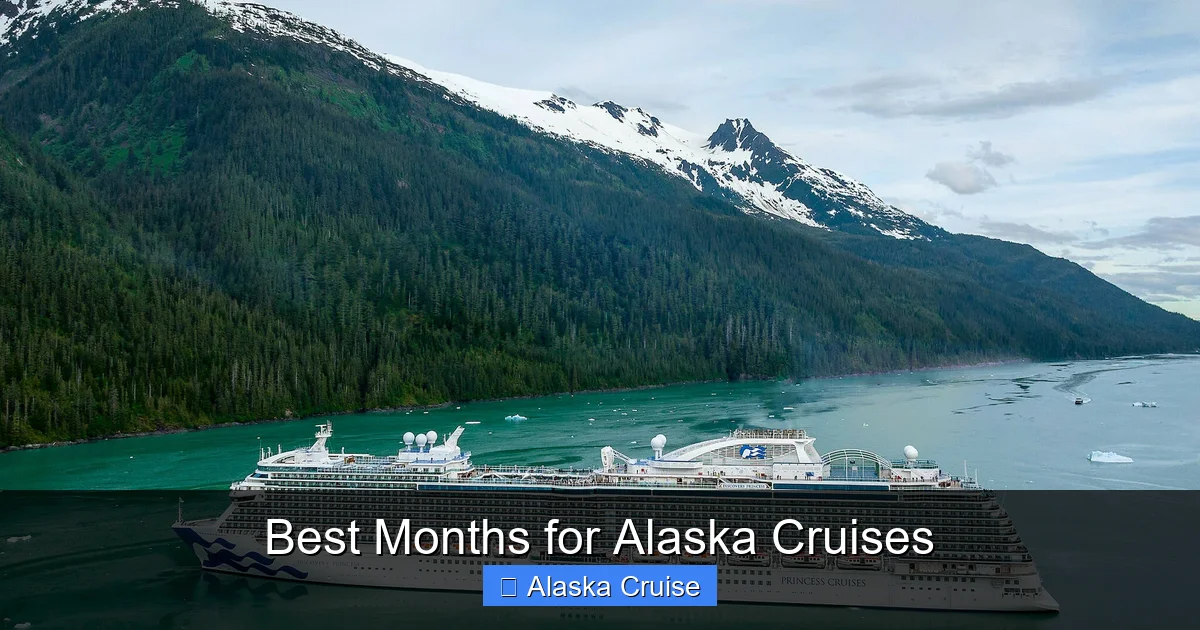
The best months for Alaska cruises are typically May through September, with each month offering unique experiences. Early summer brings milder weather and fewer crowds, while peak season delivers long daylight hours and abundant wildlife.
Key Takeaways
- Peak season is June to August: Warmest weather, longest days, and full access to ports and excursions.
- May and September offer fewer crowds: Lower prices, quieter ships, and still-decent weather make these shoulder months ideal for budget travelers.
- Wildlife viewing peaks in July and August: Whales, bears, and migratory birds are most active during these months.
- Glacier views are best in late summer: Calving glaciers are more dramatic in August due to warmer temperatures.
- Daylight varies dramatically by month: June offers nearly 20 hours of daylight, while September sees earlier sunsets.
- Weather is unpredictable year-round: Pack layers regardless of when you go—Alaska’s climate changes quickly.
- Booking early saves money: Popular sailings fill up fast, especially in peak months.
[FEATURED_IMAGE_PLACEHOLDER]
Why Timing Matters for Your Alaska Cruise
Planning an Alaska cruise isn’t just about picking a ship or itinerary—it’s also about choosing the right time to go. Unlike tropical destinations where weather is fairly consistent year-round, Alaska’s cruise season is short and highly seasonal. The window for comfortable sailing, open ports, and accessible excursions runs from late May to early September. Outside of this period, most cruise lines don’t operate due to freezing temperatures, ice-covered waters, and limited daylight.
But even within this narrow window, each month offers a different flavor of Alaska. Whether you’re chasing the midnight sun, hoping to spot a humpback whale breaching near a glacier, or simply want to avoid the summer rush, timing your trip correctly can make or break your experience. The best months for Alaska cruises depend on what you value most: weather, wildlife, scenery, or value for money.
For many travelers, the ideal Alaska cruise combines mild temperatures, long days, and vibrant wildlife—all of which peak in mid-summer. But if you’re flexible and looking for a more peaceful journey with lower prices, the shoulder months of May and September might be your sweet spot. Understanding the nuances of each month will help you choose the perfect time for your adventure.
Alaska Cruise Season Overview: When Do Cruises Run?
Alaska’s cruise season is short but intense. Most major cruise lines—including Holland America, Princess, Norwegian, and Royal Caribbean—begin sailing in early to mid-May and wrap up by late September. A few luxury or expedition-style lines may offer early April or October departures, but these are rare and often weather-dependent.
The official season typically spans 20 to 22 weeks, with the highest concentration of sailings between June and August. During this time, ships operate at or near full capacity, ports are bustling, and tour operators are running at full tilt. This is also when Alaska’s natural beauty is on full display: mountains are snow-free, wildflowers are in bloom, and marine life is active.
One of the biggest factors influencing the cruise schedule is daylight. In June, especially around the summer solstice (June 20–22), Alaska experiences nearly 20 hours of daylight in southern regions like Juneau and Ketchikan. This “midnight sun” allows for extended sightseeing and late-evening excursions. By September, daylight drops significantly, with sunsets as early as 7:30 PM in some areas.
Another key consideration is port accessibility. Some remote destinations, like Glacier Bay National Park, are only accessible during the summer months when ice has melted. Similarly, wildlife tours—such as bear viewing in Katmai or whale watching in Icy Strait—are only available when animals are active and waters are navigable.
Early Season: April and May
While most mainstream cruises don’t start until May, a handful of expedition cruises and smaller ships may begin as early as April. These early-season voyages are ideal for travelers seeking solitude and lower prices. However, they come with trade-offs: colder temperatures, shorter days, and some excursions may not yet be operating.
May is when the real cruise season kicks off. By mid-May, temperatures in southeastern Alaska (the most common cruise region) range from 45°F to 60°F (7°C to 15°C). It’s cool but comfortable, especially if you dress in layers. Rain is common, so waterproof gear is essential.
One advantage of cruising in May is that you’ll beat the summer crowds. Ships are less crowded, ports are quieter, and you’ll have more space to enjoy the views. Wildlife is also beginning to emerge after winter. You might spot bald eagles, sea lions, and even early-arriving humpback whales.
However, not all excursions are available yet. Some helicopter tours to glaciers or bear-viewing flights may not start until June. Additionally, some hiking trails in national parks may still be snow-covered. If you’re flexible and don’t mind a few limitations, May can be a magical time to see Alaska awakening from winter.
Peak Season: June, July, and August
June through August is the heart of Alaska’s cruise season—and for good reason. This is when the weather is warmest, the days are longest, and the wildlife is most active. If you’re looking for the full Alaska experience, this is the time to go.
Temperatures during these months typically range from 55°F to 70°F (13°C to 21°C), though it can feel cooler on the water or in shaded areas. Rain is still possible, but sunny days are more common. The extended daylight—up to 18–20 hours in June—means you can pack a lot into each day. Many travelers enjoy late-evening whale-watching tours or sunset glacier viewing.
Wildlife sightings are at their peak in July and August. Humpback whales, orcas, and gray whales are frequently spotted feeding in nutrient-rich waters. On land, brown bears are active in places like Admiralty Island and Katmai National Park, fishing for salmon in rivers. Birdwatchers will delight in the return of puffins, bald eagles, and migratory species.
Glaciers are also most impressive during this time. Warmer temperatures cause more calving—the dramatic process where chunks of ice break off into the water. Hubbard Glacier and Glacier Bay are particularly active in August, offering unforgettable photo opportunities.
The downside? Crowds. Ships are full, ports are busy, and popular excursions (like flightseeing over Denali or dog sledding on a glacier) book up months in advance. Prices are also at their highest, with cruise fares and airfare often doubling compared to shoulder months.
Shoulder Season: September
September marks the end of the cruise season, but it’s far from a consolation prize. In fact, many seasoned travelers consider September one of the best months for Alaska cruises. The weather is still mild, the crowds have thinned, and the fall colors begin to appear in the interior.
Temperatures in September range from 45°F to 60°F (7°C to 15°C), similar to May. However, the air feels crisper, and the light takes on a golden hue that photographers love. Daylight decreases rapidly—by late September, sunset occurs around 7 PM—but there’s still plenty of time for sightseeing.
One of the biggest draws of September is the wildlife. Bears are especially active as they prepare for winter, feeding heavily on salmon. This makes bear-viewing excursions in places like Kodiak or Pack Creek exceptionally rewarding. Whales are also still present, though sightings may be less frequent than in peak summer.
Another advantage is value. Cruise lines often offer discounts in September to fill remaining cabins. Airfare tends to be cheaper, and you’ll have more flexibility with shore excursions. Ships are quieter, so you’ll enjoy a more relaxed atmosphere onboard.
The main trade-off is weather uncertainty. While September can be beautiful, it’s also the start of the rainy season. Storms are more likely, and some remote ports may close early due to weather. Additionally, not all excursions operate through the end of the month—some tour companies shut down by mid-September.
Weather and Climate: What to Expect Each Month
Alaska’s weather is famously unpredictable, and that holds true even during cruise season. While summer months are generally mild, you should always be prepared for rain, wind, and sudden temperature drops—even in July.
The coastal regions where most cruises sail—such as Juneau, Skagway, and Ketchikan—have a maritime climate. This means cool summers, mild winters, and high rainfall year-round. In contrast, interior regions like Denali can be much warmer in summer but are not typically visited on standard cruise itineraries.
Here’s a month-by-month breakdown of what to expect:
May: Cool and Crisp
May is the start of the season, with average highs in the mid-50s°F (12–13°C). Mornings can be chilly, especially on deck, so a warm jacket is essential. Rain is common, with Ketchikan averaging over 10 inches of rain this month. However, sunny days do occur, and the landscape is lush and green.
June: Mild and Bright
June brings warmer weather, with highs reaching the low 60s°F (16–17°C). Daylight is abundant, with the sun rising as early as 4 AM and setting after 10 PM in some areas. Rainfall decreases slightly, but overcast skies are still common. This is a great time for outdoor activities like hiking and kayaking.
July: Warmest and Busiest
July is typically the warmest month, with temperatures occasionally reaching 70°F (21°C). It’s also the wettest month in some areas, so pack a good raincoat. Despite the rain, July offers the best combination of weather, wildlife, and accessibility. Most excursions are fully operational, and ports are in full swing.
August: Peak Wildlife and Glaciers
August remains warm, with similar temperatures to July. However, the first hints of fall appear in the interior. This is the best time for glacier viewing, as calving activity increases. Wildlife is still abundant, and the weather is generally stable—though afternoon showers are common.
September: Crisp and Colorful
September starts mild but cools quickly. Early in the month, highs are in the 60s°F (15–18°C), but by late September, they drop to the 50s°F (10–13°C). Fall colors begin to appear in the tundra and forests, especially around Denali. Rain increases, and storms are more likely, but clear, crisp days can be stunning.
Wildlife Viewing: When to See Alaska’s Animals
One of the main reasons people choose an Alaska cruise is to see wildlife in its natural habitat. From majestic whales to grizzly bears, Alaska is a wildlife lover’s paradise. But timing is everything when it comes to animal sightings.
Whales: Summer Feeding Frenzy
Humpback whales are the stars of Alaska’s marine life. They migrate north in spring to feed on krill and small fish in nutrient-rich waters. Peak whale-watching season is July and August, when pods are large and active. Orcas (killer whales) are also commonly seen, especially in the waters around Juneau and Icy Strait.
Gray whales pass through in spring and fall during their migration, but sightings are less predictable. If you’re hoping to see whales, book a cruise that includes a dedicated whale-watching excursion—many ships offer these in partnership with local guides.
Bears: Salmon Season Spectacle
Brown bears (including grizzlies) are most visible in July and August when salmon run in rivers and streams. This is when bears gather to feed, providing incredible photo opportunities. Popular bear-viewing locations include:
– Pack Creek Bear Sanctuary on Admiralty Island (accessible by flight from Juneau)
– Katmai National Park (requires a flight from Anchorage)
– Anan Creek near Wrangell (accessible by boat or plane)
These excursions are often add-ons to cruise itineraries and should be booked well in advance.
Birds and Other Wildlife
Alaska is home to over 400 bird species, many of which return in spring. Puffins nest on coastal cliffs from May to August, and bald eagles are visible year-round. Sea otters, sea lions, and harbor seals are commonly seen along the coast.
Moose and caribou are more common in inland areas, so you’re less likely to see them on a standard cruise. However, flightseeing tours over Denali or interior Alaska may offer glimpses of these iconic animals.
Glacier Views: When Are They Most Impressive?
Glaciers are one of Alaska’s most iconic attractions, and cruise ships often sail right up to massive tidewater glaciers like Hubbard, Mendenhall, and Glacier Bay. But when is the best time to see them?
Calving Season: August’s Dramatic Displays
Glaciers are constantly moving, but they’re most active in late summer. Warmer temperatures cause more melting and calving—the process where chunks of ice break off and crash into the water. August is the peak of calving season, making it the best time for dramatic glacier viewing.
Hubbard Glacier, one of the most active in North America, often calves multiple times a day in August. Ships may slow down or stop nearby to let passengers witness the spectacle. The sound of ice cracking and splashing is unforgettable.
Accessibility and Visibility
Glacier Bay National Park, a UNESCO World Heritage Site, is a highlight of many Alaska cruises. The park is only accessible during the summer months when ice has melted. Most ships visit in June, July, and August, when wildlife and glacier activity are at their peak.
Mendenhall Glacier near Juneau is accessible year-round, but summer offers the best views and hiking opportunities. The visitor center and trails are fully operational from May to September.
Photography Tips
For the best glacier photos, aim for early morning or late evening when the light is soft and golden. Use a polarizing filter to reduce glare on the water. And always keep a safe distance—calving glaciers can create large waves.
Choosing the Right Month for Your Travel Style
With so many factors to consider, how do you pick the best month for your Alaska cruise? It ultimately comes down to your priorities.
For Families and First-Timers
If you’re traveling with kids or it’s your first Alaska cruise, June through August is ideal. The weather is most reliable, excursions are plentiful, and you’ll have the best chance of seeing wildlife and glaciers. Just be prepared for crowds and higher prices.
For Budget Travelers
May and September offer the best value. Cruise fares are lower, airfare is cheaper, and you’ll avoid the peak-season rush. You’ll still see plenty of wildlife and scenery, though some excursions may be limited.
For Photographers and Nature Lovers
Photographers often prefer September for the golden light and fall colors. July and August are best for wildlife and glacier action. May offers a unique perspective with fewer people and a sense of discovery.
For Adventure Seekers
If you’re planning to hike, kayak, or take a flightseeing tour, aim for July or August when trails are clear and weather is most stable. Some remote adventures, like dog sledding on a glacier, are only available in peak season.
Packing Tips for Any Month
No matter when you go, packing for an Alaska cruise requires preparation. The key is layers.
– Base layer: Moisture-wicking shirts and long underwear
– Mid layer: Fleece or lightweight down jacket
– Outer layer: Waterproof and windproof jacket and pants
– Footwear: Waterproof hiking boots and warm socks
– Accessories: Hat, gloves, sunglasses, and a reusable water bottle
Don’t forget binoculars for wildlife viewing, a camera with extra batteries (cold drains them fast), and motion sickness remedies if you’re prone to seasickness.
Conclusion: Finding Your Perfect Alaska Cruise Timing
The best months for Alaska cruises depend on what you want from your trip. If you crave warm weather, long days, and full access to everything Alaska has to offer, June through August is your best bet. But if you prefer quieter ships, lower prices, and a more intimate experience, consider May or September.
Each month has its own magic. May brings the thrill of the season’s start, June offers endless daylight, July delivers peak wildlife, August showcases dramatic glaciers, and September rewards travelers with fall colors and solitude.
Ultimately, there’s no wrong time to visit Alaska—only the right time for you. With careful planning and the right expectations, your Alaska cruise will be an unforgettable adventure.
FAQs
What is the best month for an Alaska cruise?
The best month depends on your priorities. July and August offer the warmest weather, longest days, and best wildlife viewing. May and September are ideal for fewer crowds and lower prices.
Is it cold on an Alaska cruise?
It can be cool, even in summer. Temperatures typically range from 50°F to 70°F (10°C to 21°C), but wind and rain can make it feel colder. Always pack layers.
Can you see the Northern Lights on an Alaska cruise?
Not during the standard cruise season. The Northern Lights are best seen in winter (October to March) when nights are long and dark. Summer cruises have too much daylight.
Are Alaska cruises safe in September?
Yes, but weather can be less predictable. Some excursions may close early, and storms are more likely. However, many travelers have excellent experiences in September.
Do I need to book excursions in advance?
Yes, especially for popular activities like whale watching, bear viewing, and flightseeing. These often sell out months in advance, particularly in peak season.
Can you see glaciers on an Alaska cruise?
Absolutely. Most itineraries include stops near major glaciers like Hubbard, Mendenhall, and in Glacier Bay. August is the best time for dramatic calving.
This is a comprehensive guide about best months for alaska cruises.
Key Takeaways
- Understanding best months for alaska cruises: Provides essential knowledge
Frequently Asked Questions
What is best months for alaska cruises?
best months for alaska cruises is an important topic with many practical applications.