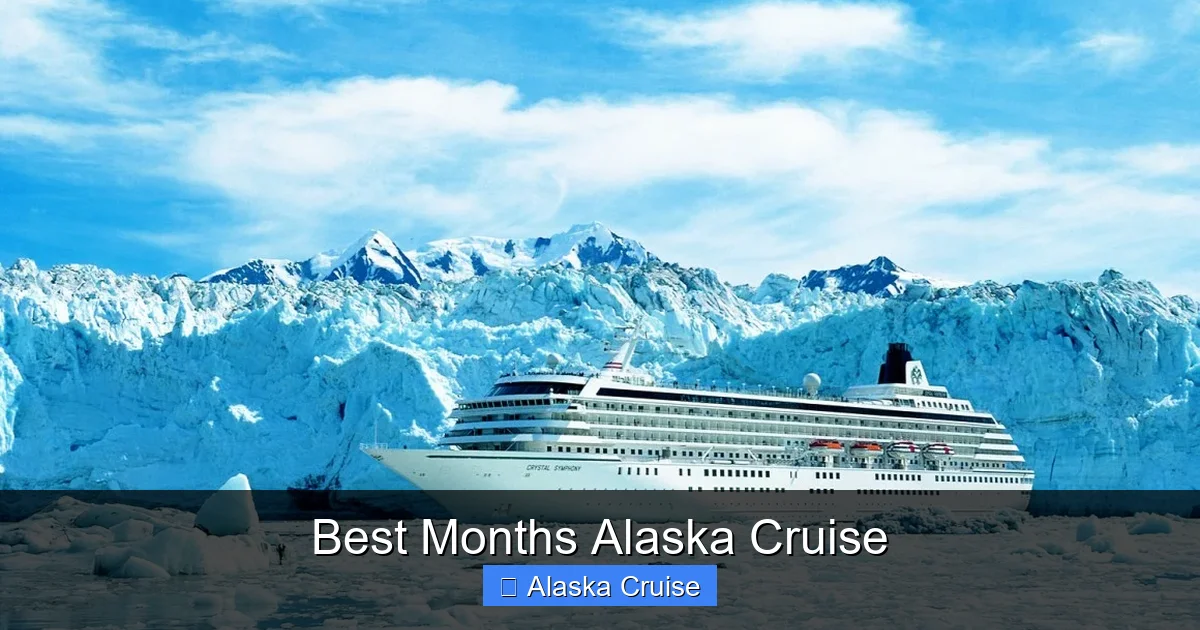
Choosing the best months for Alaska cruises can make or break your trip. From May to September, each month offers unique wildlife sightings, weather conditions, and scenic highlights. July and August are peak times for warm weather and long daylight hours, while May and September offer fewer crowds and lower prices.
Key Takeaways
- May and June offer early-season wildlife and blooming landscapes with fewer tourists. These months are ideal for travelers seeking a quieter experience and lower cruise fares.
- July and August are the warmest and most popular months for Alaska cruises. Expect longer daylight, peak wildlife activity, and full access to ports and excursions.
- September provides crisp weather, fall colors, and fewer crowds. It’s a great time for photographers and those wanting a more relaxed pace.
- Weather varies significantly by month and region. Coastal areas are milder, while inland excursions can be cooler even in summer.
- Wildlife viewing peaks at different times. Whales are most active in July and August, while bears are commonly seen in September during salmon runs.
- Daylight hours change dramatically. June offers nearly 20 hours of daylight, while September has more balanced day and night.
- Booking early saves money and secures preferred cabins. Popular sail dates in July and August fill up fast, so plan ahead.
📑 Table of Contents
- Introduction: Why Timing Matters for Your Alaska Cruise
- Overview of the Alaska Cruise Season
- May: The Quiet Start to the Season
- June: The Season Hits Its Stride
- July: Peak Season in Full Swing
- August: Still Great, But Getting Busy
- September: The Quiet Goodbye
- How to Choose the Best Month for Your Alaska Cruise
- Conclusion: Make the Most of Your Alaska Cruise
Introduction: Why Timing Matters for Your Alaska Cruise
So, you’ve decided to take an Alaska cruise—congratulations! You’re in for one of the most breathtaking travel experiences on the planet. Glaciers calving into icy waters, whales breaching in the distance, and mountains rising straight from the sea—Alaska is pure magic. But here’s the thing: when you go can make a huge difference in what you see, how you feel, and even how much you pay.
Unlike tropical destinations where the weather is fairly consistent year-round, Alaska’s cruise season is short and dynamic. The official cruise season runs from May to September, but each month offers a completely different vibe. Whether you’re chasing the midnight sun, hoping to spot a grizzly bear, or just want to avoid the crowds, picking the right time to sail is key. In this guide, we’ll walk you through the best months for Alaska cruises, breaking down the pros and cons of each so you can choose the perfect window for your adventure.
Overview of the Alaska Cruise Season
The Alaska cruise season is relatively short, typically spanning from early May to late September. This six-month window is dictated by weather, daylight, and wildlife patterns. Outside of this period, most cruise lines don’t operate due to freezing temperatures, ice-blocked waterways, and limited daylight. But within this timeframe, each month has its own personality.
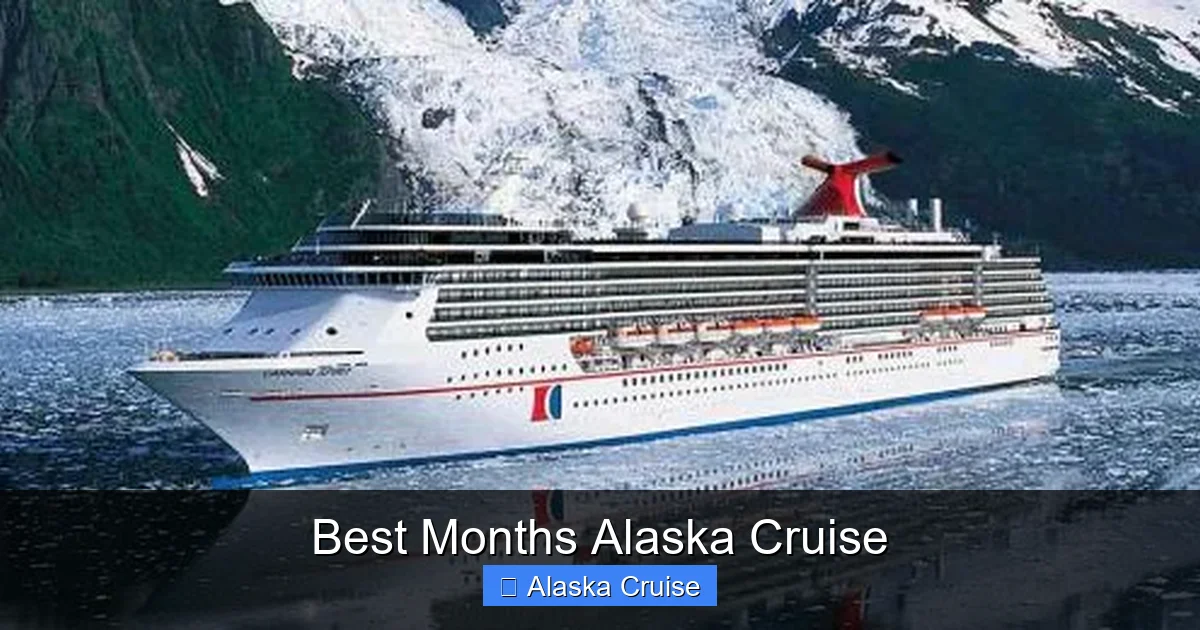
Visual guide about Best Months Alaska Cruise
Image source: d23n7ahjfnjotp.cloudfront.net
May marks the beginning of the season, with ships gradually returning to ports like Juneau, Ketchikan, and Skagway. By June, the weather warms up, and the landscape bursts into life. July and August are peak months—think long days, warm(ish) weather, and bustling ports. Then comes September, when the crowds thin out, the air turns crisp, and the mountains begin to blush with fall colors. Understanding these seasonal shifts helps you align your travel goals with the right month.
Why the Season is Limited
Alaska’s northern latitude means extreme seasonal changes. In winter, many ports are inaccessible due to ice, and daylight can be as little as 6 hours. Cruise ships can’t safely navigate frozen channels, and wildlife migrates or hibernates. By May, the ice has melted, daylight increases, and animals become active again—making it the earliest feasible time to cruise. By October, the weather turns cold and unpredictable, so most lines end their season by late September.
What to Expect Each Month
Here’s a quick snapshot:
– May: Quiet ports, blooming flowers, and early wildlife.
– June: Long days, mild weather, and increasing tourist traffic.
– July: Peak season—warm weather, full excursions, and lots of daylight.
– August: Still warm, great for wildlife, but starting to get busy.
– September: Cooler temps, fall colors, and fewer crowds.
May: The Quiet Start to the Season
May is the unofficial kickoff to the Alaska cruise season. If you’re looking for a more intimate experience with lower prices and fewer tourists, this could be your sweet spot. While the weather is still on the cooler side, the landscape is waking up, and the sense of new beginnings is palpable.
Average temperatures in May range from 40°F to 60°F (4°C to 15°C), depending on the region. Coastal towns like Ketchikan and Juneau are milder, while inland areas like Skagway can be chillier. Rain is common, so pack a good waterproof jacket. But don’t let that scare you off—May offers some of the best value in the entire season.
Pros of Cruising in May
- Lower prices: Cruise fares, flights, and excursions are often discounted in May as demand is lower.
- Fewer crowds: You’ll have more space on the ship and at ports. No fighting for the best view at Glacier Bay.
- Early wildlife sightings: Bears are emerging from hibernation, and birds are returning from migration. You might spot black bears foraging along riverbanks or eagles nesting in tall trees.
- Blooming landscapes: Wildflowers begin to appear, and the forests turn a vibrant green. It’s a photographer’s dream.
Cons of Cruising in May
- Cooler weather: You’ll need layers, and some outdoor activities may be limited by rain or chill.
- Fewer excursion options: Some tours, especially those requiring snow-free trails, may not be available yet.
- Shorter daylight: While days are getting longer, you won’t get the extreme 18–20 hours of daylight seen in June and July.
Best Experiences in May
One of the highlights of a May cruise is the chance to see Alaska in its “awakening” phase. In Ketchikan, you might catch the first salmon runs, attracting bald eagles and seals. In Juneau, whale watching begins as humpbacks return to feed. And in Glacier Bay, the glaciers are still pristine, with fewer boats around to disturb the silence.
For example, a small-group whale-watching tour in May might offer sightings of humpback whales and orcas, with the added bonus of having the boat almost to yourself. Similarly, a guided hike in Tongass National Forest could reveal blooming skunk cabbage and early wildflowers, all without the summer crowds.
June: The Season Hits Its Stride
June is when Alaska truly comes alive. The days are long, the weather is mild, and the ports are bustling with activity. This is a fantastic time to cruise if you want a balance of good weather, wildlife, and fewer crowds than July and August.
Temperatures in June typically range from 50°F to 65°F (10°C to 18°C). Rain is still possible, but sunny days are more common. The extended daylight—up to 18 hours in some areas—means you can pack a lot into your day. Imagine having dinner at 9 p.m. with the sun still shining brightly.
Pros of Cruising in June
- Long daylight hours: More time to explore ports, take excursions, and enjoy the scenery.
- Mild weather: Comfortable for outdoor activities like hiking, kayaking, and wildlife tours.
- Peak greenery: The landscape is lush and vibrant, with forests in full leaf and wildflowers in bloom.
- Good wildlife activity: Whales, bears, and marine mammals are active. June is a great time for whale watching, especially in areas like Icy Strait Point and Frederick Sound.
Cons of Cruising in June
- Increasing crowds: While not as busy as July, June sees a noticeable uptick in tourists.
- Higher prices: Fares start to rise as demand increases, especially for mid-June sailings.
- Variable weather: Afternoon showers are common, so flexibility is key.
Best Experiences in June
June is ideal for adventure seekers. Try a zipline tour in Ketchikan through the rainforest canopy, or take a dog sledding excursion on a glacier near Juneau—yes, even in summer! The snow patches at higher elevations allow for this unique experience.
Wildlife lovers will enjoy June’s active marine life. Humpback whales are frequently spotted feeding in the nutrient-rich waters, and sea lions bask on rocky outcrops. In Skagway, you can take a scenic train ride on the White Pass & Yukon Route, passing waterfalls and snow-capped peaks, all in the golden light of the late afternoon.
July: Peak Season in Full Swing
July is the heart of the Alaska cruise season—and for good reason. It’s warm, sunny, and packed with activity. If you want the full Alaska experience with all the bells and whistles, July is your month. But be prepared: it’s also the busiest and most expensive time to go.
Temperatures in July average between 55°F and 70°F (13°C to 21°C), making it the warmest month of the season. Rain is less frequent, and the days are long—up to 19 hours of daylight in some areas. This is prime time for excursions, outdoor dining, and late-night sightseeing.
Pros of Cruising in July
- Warmest weather: Ideal for outdoor activities and comfortable clothing choices.
- Full excursion availability: All tours, from glacier hikes to flightseeing, are operating at full capacity.
- Peak wildlife: Whales, bears, and birds are highly active. July is one of the best months for whale watching, especially for humpbacks and orcas.
- Vibrant ports: Towns are lively, with festivals, markets, and cultural events.
Cons of Cruising in July
- Large crowds: Ships are full, ports are busy, and popular excursions book up fast.
- Highest prices: Cruise fares, flights, and hotels are at their peak. Booking early is essential.
- Less flexibility: You may need to reserve excursions months in advance.
Best Experiences in July
July is perfect for families and first-time cruisers who want the full Alaska package. Take a helicopter tour over Mendenhall Glacier, go bear viewing in Pack Creek on Admiralty Island, or enjoy a salmon bake in Skagway with live music and dancing.
One standout experience is a day in Glacier Bay National Park. With nearly 20 hours of daylight, you can spend the entire day watching glaciers calve, spotting sea otters, and listening to the silence of the wilderness. Many ships offer naturalist-led programs, adding depth to the experience.
August: Still Great, But Getting Busy
August is very similar to July in terms of weather and activities, but with a few key differences. The weather is still warm, the wildlife is active, and the ports are open. However, August sees a slight increase in crowds as families take advantage of summer vacation.
Temperatures remain mild, averaging 50°F to 68°F (10°C to 20°C). Rain becomes more likely toward the end of the month, but sunny days are still common. Daylight hours begin to shorten slightly, but you’ll still enjoy long, golden evenings.
Pros of Cruising in August
- Continued warm weather: Great for outdoor adventures and sightseeing.
- Excellent wildlife viewing: Bears are especially active in August as they prepare for winter. Salmon runs attract brown bears to rivers in places like Ketchikan and Juneau.
- Full excursion schedule: All tours are running, including glacier walks and wildlife cruises.
- Family-friendly timing: Many families travel in August, making it a social and lively time on board.
Cons of Cruising in August
- High demand: August is still peak season, so expect crowds and higher prices.
- Shorter days: Daylight begins to decrease, especially in late August.
- Weather variability: Afternoon storms are more common as the season progresses.
Best Experiences in August
August is prime time for bear watching. Take a guided tour to Anan Bear Observatory near Ketchikan, where you can watch black and brown bears catch salmon in a waterfall. It’s a thrilling and educational experience, especially for kids.
Another highlight is the chance to see the Northern Lights—though they’re rare in August, the longer nights increase your odds. If you’re lucky, you might catch a faint green glow over the mountains after sunset.
September: The Quiet Goodbye
September is the final month of the Alaska cruise season, and it’s a favorite among travelers who prefer a more relaxed pace. The weather cools, the crowds thin, and the landscape transforms into a palette of gold, red, and orange. It’s a magical time to visit—if you don’t mind a bit of chill.
Temperatures in September range from 40°F to 60°F (4°C to 15°C). Rain is more frequent, and snow is possible at higher elevations. But the trade-off is worth it: fewer tourists, lower prices, and stunning fall scenery.
Pros of Cruising in September
- Fewer crowds: Ships are less full, and ports are peaceful. You’ll have more space and personal attention.
- Lower prices: Cruise fares drop significantly in September, and last-minute deals are common.
- Fall colors: The changing leaves in places like Haines and Skagway are breathtaking.
- Active wildlife: Bears are feeding heavily before hibernation, and whales are still present in some areas.
Cons of Cruising in September
- Cooler weather: Layers and rain gear are essential. Some outdoor activities may be limited.
- Shorter days: Daylight drops to around 12–14 hours by late September.
- Fewer excursions: Some tours, especially those requiring snow-free conditions, may be reduced or unavailable.
Best Experiences in September
September is ideal for photographers and nature lovers. The golden light of autumn enhances the mountains and forests, creating picture-perfect moments. Take a scenic drive along the Haines Highway or enjoy a quiet kayak trip in Tracy Arm Fjord, surrounded by silent peaks and falling leaves.
One unforgettable experience is a visit to the Chilkat Bald Eagle Preserve near Haines. In September, hundreds of eagles gather to feed on late salmon runs. It’s one of the largest concentrations of bald eagles in the world—a truly awe-inspiring sight.
How to Choose the Best Month for Your Alaska Cruise
So, which month is right for you? It depends on your priorities. If you want warm weather and full access to everything, July and August are ideal. But if you prefer peace, lower prices, and unique seasonal beauty, May or September might be better.
Consider your travel style. Are you a family with kids on summer break? July or August could be perfect. Are you a solo traveler or couple seeking solitude? May or September offers a more intimate experience. Do you love photography? September’s fall colors are unmatched.
Also think about your budget. Peak months mean peak prices. Booking a cruise in May or September can save you hundreds—or even thousands—of dollars. And don’t forget to factor in flights and hotels, which also vary by season.
Tips for Booking
- Book early for peak months: July and August sailings fill up fast. Aim to book 9–12 months in advance.
- Look for shoulder season deals: May and September often have promotions and discounts.
- Check excursion availability: Some tours, like bear viewing or dog sledding, have limited capacity.
- Pack for all weather: Even in summer, Alaska can be unpredictable. Bring layers, rain gear, and sturdy shoes.
Conclusion: Make the Most of Your Alaska Cruise
There’s no single “best” month for an Alaska cruise—only the best month for you. Whether you’re drawn to the quiet beauty of May, the vibrant energy of July, or the golden glow of September, Alaska will leave you spellbound. The key is to align your travel goals with the season’s offerings.
Remember, Alaska is a destination that rewards preparation and flexibility. Pack wisely, book early, and keep an open mind. You might get caught in a rain shower one day and witness a glacier calving the next. That’s the magic of Alaska—it’s wild, unpredictable, and utterly unforgettable.
So go ahead—pick your month, book your cruise, and get ready for the adventure of a lifetime. The glaciers are waiting, the whales are singing, and the mountains are calling. Your Alaska story starts now.
Frequently Asked Questions
What is the best month for an Alaska cruise?
The best month depends on your preferences. July and August offer the warmest weather and full excursion access, while May and September provide fewer crowds and lower prices. For most travelers, July is ideal for the full Alaska experience.
Is September too cold for an Alaska cruise?
September can be cool, with temperatures ranging from 40°F to 60°F. It’s not too cold for most people, especially with proper layers. The trade-off is stunning fall colors and fewer tourists.
Can you see the Northern Lights on an Alaska cruise?
The Northern Lights are rare during the cruise season due to long daylight hours. Your best chance is in late September, but even then, sightings are not guaranteed. Winter trips offer better odds.
Are Alaska cruises expensive in July?
Yes, July is peak season, so cruise fares, flights, and excursions are at their highest. Booking early and comparing deals can help manage costs.
What wildlife can you see on an Alaska cruise?
You can see humpback whales, orcas, sea lions, bald eagles, black and brown bears, moose, and more. Wildlife activity peaks in July and August, but sightings vary by location and time of year.
Do you need a passport for an Alaska cruise?
If your cruise starts and ends in the same U.S. port (like Seattle or Vancouver), a passport is not required but highly recommended. For international ports or round-trips from Canada, a passport is mandatory.