Choosing the best Alaska cruise can be overwhelming—but we’ve done the legwork for you. From breathtaking glaciers to close encounters with wildlife, this review breaks down everything you need to know to pick the perfect voyage and make the most of your Alaskan adventure.
Key Takeaways
- Peak season matters: The best Alaska cruise experiences happen between May and September, with July and August offering the warmest weather and longest daylight hours.
- Itinerary variety is key: Look for cruises that include Glacier Bay, Hubbard Glacier, and ports like Juneau, Ketchikan, and Skagway for a well-rounded experience.
- Small ships offer intimacy: Smaller vessels provide better access to narrow fjords, more personalized service, and fewer crowds at popular stops.
- Wildlife viewing is a highlight: Expect to see whales, bears, eagles, and sea lions—especially on excursions like whale-watching tours or bear-viewing hikes.
- Pack for all weather: Even in summer, Alaska can be cool and rainy, so layering is essential for comfort on deck and ashore.
- Book excursions early: Popular shore activities like dog sledding on glaciers or flightseeing tours fill up fast—reserve in advance.
- Choose the right cruise line: Each brand offers a different vibe—luxury, adventure, family-friendly, or expedition-style—so match the cruise to your travel style.
📑 Table of Contents
- Why an Alaska Cruise Should Be on Your Bucket List
- What Makes the Best Alaska Cruise Experience?
- Choosing the Right Cruise Line and Ship
- Best Time to Take an Alaska Cruise
- What to Pack for an Alaska Cruise
- Shore Excursions: Making the Most of Your Port Stops
- Final Thoughts: Is an Alaska Cruise Worth It?
Why an Alaska Cruise Should Be on Your Bucket List
Imagine standing on the deck of a ship, wrapped in a warm jacket, as a massive glacier calves into the icy blue water with a thunderous crack. Or picture yourself spotting a humpback whale breaching just 50 yards from the ship, its tail fluke slicing through the calm sea. This is Alaska—raw, untamed, and breathtakingly beautiful. And there’s no better way to experience it than on a cruise.
An Alaska cruise isn’t just a vacation; it’s a front-row seat to one of the world’s last great wildernesses. From towering snow-capped peaks and ancient glaciers to lush rainforests and charming coastal towns, Alaska offers a diversity of landscapes that few destinations can match. Whether you’re a nature lover, adventure seeker, or someone who just wants to unplug and soak in stunning scenery, an Alaska cruise delivers on all fronts.
What Makes the Best Alaska Cruise Experience?
Not all Alaska cruises are created equal. The best Alaska cruise review will tell you that the ideal voyage balances scenic beauty, port diversity, onboard comfort, and meaningful excursions. It’s not just about the ship—it’s about the journey. The right cruise line, itinerary, and timing can transform a good trip into an unforgettable one.
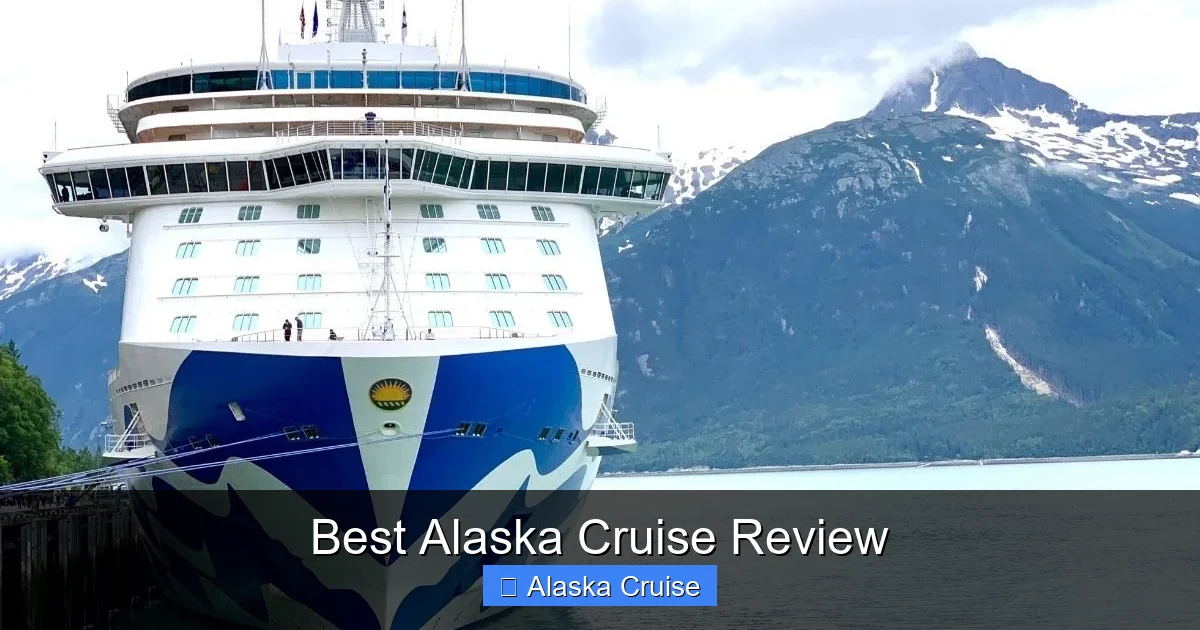
Visual guide about Best Alaska Cruise Review
Image source: eatsleepcruise.com
Scenic Navigation: Glaciers, Fjords, and Wildlife
One of the biggest draws of an Alaska cruise is the opportunity to sail through pristine natural landscapes. The Inside Passage—a network of waterways winding through the Pacific Northwest—offers calm waters, dense forests, and dramatic mountain backdrops. Cruises often pass through iconic spots like Tracy Arm Fjord, where you can glide past 300-foot cliffs and watch icebergs float like jewels in the water.
Glacier viewing is a must. The best Alaska cruise itineraries include stops or slow passes by massive tidewater glaciers such as Hubbard Glacier (one of the largest in North America) and the glaciers of Glacier Bay National Park. These UNESCO World Heritage sites are home to active calving glaciers, where chunks of ice the size of buildings break off and crash into the sea. It’s a powerful reminder of nature’s force—and a moment you’ll never forget.
Port Stops: Culture, History, and Adventure
Alaska’s ports are as diverse as its landscapes. Each stop offers a unique blend of Indigenous culture, gold rush history, and outdoor adventure. Here’s a quick look at the most popular ports and what makes them special:
- Juneau: The state capital is accessible only by boat or plane, giving it a remote, authentic feel. Visit the Mendenhall Glacier, take a whale-watching tour, or explore the historic downtown. Don’t miss the Mount Roberts Tramway for panoramic views.
- Ketchikan: Known as the “Salmon Capital of the World,” Ketchikan is rich in Tlingit and Haida culture. Walk the Creek Street boardwalk, visit a Native totem pole park, or take a floatplane tour over Misty Fjords.
- Skagway: Step back in time in this Gold Rush-era town. Ride the White Pass & Yukon Route Railroad, a historic narrow-gauge railway that climbs 3,000 feet through rugged terrain. Many travelers also book dog sledding excursions here.
- Haines: Less touristy than other ports, Haines is a haven for artists and outdoor enthusiasts. It’s one of the best places in Alaska to see brown bears in the wild, especially at the Chilkat Bald Eagle Preserve.
- Seward: Gateway to Kenai Fjords National Park, Seward offers glacier hikes, kayaking among icebergs, and boat tours to see sea otters, puffins, and orcas.
Wildlife Encounters: Nature’s Greatest Show
One of the most thrilling aspects of an Alaska cruise is the chance to see wildlife in its natural habitat. The best Alaska cruise review will emphasize that you don’t need to go on a dedicated safari—nature comes to you.
Whales are a major highlight. Humpback, orca, and gray whales are commonly spotted during summer months, especially in areas like Icy Strait Point and Frederick Sound. Many ships have naturalists on board who provide commentary and help identify species. Some cruises even offer hydrophones so you can listen to whale songs beneath the surface.
Bears are another draw. While you’re unlikely to see them from the ship, shore excursions to places like Anan Creek or Pack Creek offer guided bear-viewing opportunities. These areas are carefully managed to protect both wildlife and visitors, allowing for safe, respectful observation.
Other wildlife you might encounter includes sea lions basking on rocky outcrops, puffins nesting on cliffs, and bald eagles soaring overhead. Even on deck, keep your eyes peeled—you never know when a curious seal might pop up beside the ship.
Choosing the Right Cruise Line and Ship
With so many cruise lines offering Alaska itineraries, it’s important to choose one that matches your travel style. The best Alaska cruise review will help you compare options based on ship size, onboard experience, and expedition focus.
Mainstream Cruise Lines: Comfort and Convenience
Major cruise lines like Celebrity Cruises, Norwegian Cruise Line (NCL), and Royal Caribbean offer large ships with extensive amenities. These vessels feature multiple dining options, Broadway-style shows, kids’ clubs, and spacious staterooms. They’re ideal for families or travelers who want a mix of relaxation and entertainment.
For example, Celebrity’s Edge-class ships include innovative features like the Magic Carpet—a moving platform that serves as a restaurant, bar, and embarkation station. Their Alaska itineraries often include longer stays in port and enhanced shore excursions.
Norwegian Cruise Line is known for its “Freestyle Cruising” concept, which means no fixed dining times or dress codes. This flexibility appeals to travelers who want to explore at their own pace. Their ships also offer a wide range of Alaska-themed activities, from cooking classes to wildlife lectures.
Luxury and Expedition Cruises: Intimacy and Immersion
If you prefer a more intimate, immersive experience, consider a luxury or expedition-style cruise. Lines like Seabourn, Silversea, and Hurtigruten operate smaller ships that can navigate narrow channels and reach remote areas larger vessels can’t access.
Seabourn’s Alaska cruises emphasize personalized service and gourmet dining. Their ships often include complimentary excursions, such as Zodiac tours among icebergs or guided hikes in national parks. The smaller guest count means more attention from staff and a quieter, more refined atmosphere.
Hurtigruten, a Norwegian company, focuses on sustainable travel and authentic experiences. Their expedition ships are equipped with science centers, expert naturalists, and gear for activities like kayaking and snowshoeing. They also offer unique itineraries that include stops in Russian ports like Petropavlovsk, giving travelers a rare glimpse into the Russian Far East.
Adventure and Small-Ship Options
For travelers seeking a more rugged, hands-on adventure, small-ship operators like UnCruise Adventures and Alaska Dream Cruises are excellent choices. These companies use vessels under 100 passengers, allowing for flexible itineraries and spontaneous wildlife stops.
UnCruise, for example, offers themed cruises like “Whales & Wilderness” or “Glacier Dogsledding,” combining luxury with adventure. Their ships include gear for kayaking, paddleboarding, and hiking, and their guides are often local experts with deep knowledge of Alaskan ecosystems.
Alaska Dream Cruises focuses on cultural immersion, partnering with Indigenous communities to offer authentic experiences like traditional storytelling, native art workshops, and visits to remote villages. Their ships are cozy and homey, with a focus on connection—both to nature and to people.
Best Time to Take an Alaska Cruise
Timing is everything when it comes to Alaska cruises. The best Alaska cruise review will stress that the season you choose can dramatically affect your experience—from weather and wildlife to crowd levels and pricing.
Peak Season: June to August
The summer months are the most popular time to cruise Alaska, and for good reason. Temperatures are mild (typically 50–70°F), daylight lasts up to 18 hours, and wildlife is most active. This is the best time for whale watching, bear viewing, and glacier calving.
July and August are peak months, so expect larger crowds and higher prices. However, the weather is most reliable, and all excursions are usually available. If you’re traveling with kids, this is also the best time to go, as school is out and activities are in full swing.
Shoulder Seasons: May and September
Traveling in May or September offers several advantages. Prices are lower, crowds are thinner, and you’ll have a more peaceful experience in ports and on the ship. May is especially beautiful, with blooming wildflowers and newborn wildlife. September brings stunning fall colors and the chance to see the Northern Lights in some areas.
Keep in mind that some excursions may be limited or unavailable in the shoulder seasons. For example, dog sledding on glaciers typically ends by early September, and certain remote lodges may close. However, if you’re flexible and prioritize solitude over full access, these months can be ideal.
Winter Cruises: A Rare but Rewarding Option
While most Alaska cruises run from May to September, a few operators offer winter voyages. These are less common and often focus on cultural experiences or Northern Lights viewing. Winter cruises are best for travelers seeking a unique, off-the-beaten-path adventure—but be prepared for cold weather and limited daylight.
What to Pack for an Alaska Cruise
Packing for an Alaska cruise requires a strategic approach. The weather can change quickly, and you’ll want to be prepared for everything from sunny deck days to rainy shore excursions.
Layering Is Key
The golden rule for Alaska packing is layering. Start with a moisture-wicking base layer, add an insulating mid-layer like fleece or wool, and top it off with a waterproof and windproof outer shell. This system allows you to adjust to changing conditions throughout the day.
Essential Gear
Here’s a checklist of must-have items:
- Waterproof jacket and pants: Even in summer, rain is common. Look for breathable, packable options.
- Warm hat and gloves: You’ll be grateful for these on early morning deck watches or glacier tours.
- Sturdy, waterproof shoes: Ideal for hiking, walking on wet docks, or exploring muddy trails.
- Binoculars: Essential for spotting wildlife from a distance.
- Sunscreen and sunglasses: The sun reflects off snow and water, increasing UV exposure.
- Camera with extra batteries: You’ll want to capture every moment—just keep batteries warm, as cold drains them quickly.
- Daypack: For carrying essentials during shore excursions.
Don’t Forget the Extras
Consider bringing a reusable water bottle, hand warmers, and a small first-aid kit. If you wear glasses or contacts, pack extras. And if you’re prone to motion sickness, bring medication—though most Alaska waters are calm, some channels can get choppy.
Shore Excursions: Making the Most of Your Port Stops
Shore excursions are where the magic of Alaska truly comes alive. The best Alaska cruise review will tell you that booking the right activities can elevate your trip from scenic to spectacular.
Must-Do Excursions
Here are some top-rated excursions that consistently receive rave reviews:
- Whale Watching in Juneau: Join a small boat tour to search for humpbacks, orcas, and porpoises. Many tours include hydrophones to hear whale vocalizations.
- Dog Sledding on a Glacier: Experience the thrill of mushing across a glacier with a team of sled dogs. Most tours include a helicopter ride to the glacier, adding to the adventure.
- Flightseeing Tours: Take a small plane or helicopter over Denali, Glacier Bay, or the Inside Passage for bird’s-eye views of mountains, glaciers, and wildlife.
- Kayaking Among Icebergs: Paddle through calm fjords surrounded by floating ice. Guided tours ensure safety and provide insights into the local ecosystem.
- Gold Rush History Tours: Explore Skagway’s historic streets, visit a gold panning site, or ride the White Pass Railroad.
- Bear Viewing at Pack Creek: Travel by boat and then hike to a protected bear sanctuary where brown bears fish for salmon.
Booking Tips
Excursions can sell out months in advance, especially popular ones like dog sledding or flightseeing. Book early through your cruise line or a reputable third-party provider. Read reviews and confirm what’s included—some tours provide gear, meals, or transportation, while others don’t.
Also, consider the physical demands of each activity. Some hikes or kayaking tours require moderate fitness, so choose wisely based on your abilities.
Final Thoughts: Is an Alaska Cruise Worth It?
Absolutely. The best Alaska cruise review will confirm that this is one of the most rewarding travel experiences you can have. It’s not just about the stunning scenery—it’s about the sense of awe, the connection to nature, and the memories you’ll carry for a lifetime.
Whether you choose a large luxury liner or a small expedition ship, the key is to embrace the journey. Pack your sense of adventure, bring your camera, and get ready to be amazed. From the roar of a calving glacier to the quiet beauty of a misty fjord, Alaska will leave you breathless.
So, is an Alaska cruise worth it? Without a doubt. It’s more than a vacation—it’s a once-in-a-lifetime adventure in one of the world’s most beautiful places.
Frequently Asked Questions
What is the best month to take an Alaska cruise?
The best months are June through August, when weather is warmest, wildlife is most active, and daylight hours are longest. July and August are peak season, offering the most reliable conditions and full excursion availability.
Do I need to book shore excursions in advance?
Yes, it’s highly recommended. Popular excursions like dog sledding, flightseeing, and whale watching often sell out months ahead. Booking early ensures you get your top choices and the best prices.
What should I wear on an Alaska cruise?
Dress in layers: a base layer, insulating mid-layer, and waterproof outer shell. Bring a warm hat, gloves, waterproof shoes, and binoculars. Even in summer, temperatures can drop, especially on deck or during early morning excursions.
Can I see whales and bears on an Alaska cruise?
Yes! Whales are commonly seen from the ship, especially humpbacks and orcas. Bears are usually spotted on guided shore excursions to places like Pack Creek or Anan Creek, where they gather to fish for salmon.
Are Alaska cruises family-friendly?
Many cruise lines offer family-friendly amenities like kids’ clubs, family staterooms, and age-appropriate activities. Norwegian Cruise Line and Royal Caribbean are particularly popular with families, offering entertainment and flexible dining options.
What makes a small-ship Alaska cruise different?
Small ships (under 200 passengers) offer more intimate experiences, access to remote areas, personalized service, and flexible itineraries. They’re ideal for travelers seeking adventure, wildlife, and a quieter atmosphere compared to large mainstream ships.