Choosing the best lens for Alaska cruise Holland America means balancing versatility, zoom power, and low-light performance. Whether you’re photographing glaciers, whales, or mountain vistas, the right lens ensures crisp, vibrant shots in ever-changing conditions.
Planning an Alaska cruise with Holland America is like stepping into a nature documentary. Towering glaciers calve into icy waters, bald eagles soar above misty fjords, and humpback whales breach just yards from the ship. Every moment feels cinematic—and you’ll want to capture it all. But here’s the catch: Alaska’s dramatic scenery and elusive wildlife demand more than just a smartphone or kit lens. To truly do justice to this bucket-list destination, you need the best lens for Alaska cruise Holland America adventures.
Holland America Line offers some of the most scenic routes in the Inside Passage and Glacier Bay, with stops in ports like Juneau, Ketchikan, and Skagway. These cruises are designed for comfort and exploration, with ample deck time and guided excursions. But whether you’re on the ship or hiking through Tongass National Forest, your camera gear will be put to the test. The lighting changes rapidly—from golden sunrise over snow-capped peaks to moody overcast skies over the Pacific. Wildlife appears without warning, often far from shore. And let’s not forget the constant motion of the ship, which can make handheld photography tricky.
That’s why selecting the right lens isn’t just a nice-to-have—it’s essential. The best lens for Alaska cruise Holland America isn’t necessarily the most expensive or the heaviest. It’s the one that gives you flexibility, reliability, and image quality in a variety of conditions. In this guide, we’ll walk you through everything you need to know to choose the perfect lens for your Alaskan voyage. From zoom power to weather resistance, we’ll cover the features that matter most and recommend top options for different shooting styles and budgets.
Key Takeaways
- Prioritize zoom range: A telephoto lens (70-300mm or 100-400mm) is essential for capturing distant wildlife like bears, whales, and eagles.
- Consider weather sealing: Alaska’s damp, misty climate demands lenses resistant to moisture and dust.
- Balance weight and portability: You’ll be carrying gear on deck and during shore excursions—opt for lightweight yet durable options.
- Wide-angle for landscapes: A 16-35mm or 24-70mm lens captures sweeping fjords, glaciers, and mountain ranges in full glory.
- Low-light performance matters: Overcast skies and early morning light require fast apertures (f/2.8 or lower) for sharp images.
- Image stabilization is a must: Helps reduce blur from ship movement and handheld shooting in windy conditions.
- Match your camera system: Ensure compatibility with your DSLR or mirrorless camera brand (Canon, Nikon, Sony, etc.).
📑 Table of Contents
Why Lens Choice Matters on an Alaska Cruise
Alaska is a photographer’s paradise—but it’s also a challenging environment. The combination of vast distances, unpredictable weather, and fleeting wildlife moments means your gear has to work as hard as you do. A standard kit lens (like an 18-55mm) might be fine for casual snapshots, but it won’t cut it when a grizzly bear appears 200 yards away or a glacier calves in the distance.
The best lens for Alaska cruise Holland America needs to handle three key scenarios: distant wildlife, expansive landscapes, and low-light conditions. Wildlife photography, especially, demands reach. Whales, seals, and bears are often far from shore, and you won’t always have the luxury of getting closer. A telephoto lens with at least 300mm of reach is ideal for these moments.
Landscape photography, on the other hand, calls for wide-angle capabilities. Think of the jaw-dropping views of Tracy Arm Fjord or the towering cliffs of Misty Fjords. A wide-angle lens (16-35mm) lets you capture the full scale of these natural wonders, making your photos feel immersive and grand.
And then there’s the light—or lack thereof. Alaska’s high latitude means long summer days, but even in peak season, overcast skies are common. Early morning and evening light can be soft and golden, but midday often brings flat, diffused lighting. A lens with a wide maximum aperture (like f/2.8) helps gather more light, allowing faster shutter speeds and better performance in dim conditions.
Finally, consider the practical side. You’ll be on your feet a lot—on deck, on zodiacs, on hiking trails. A heavy lens might deliver stunning results, but it can also slow you down. The best lens for Alaska cruise Holland America strikes a balance between performance and portability.
Top Lens Features for Alaska Photography
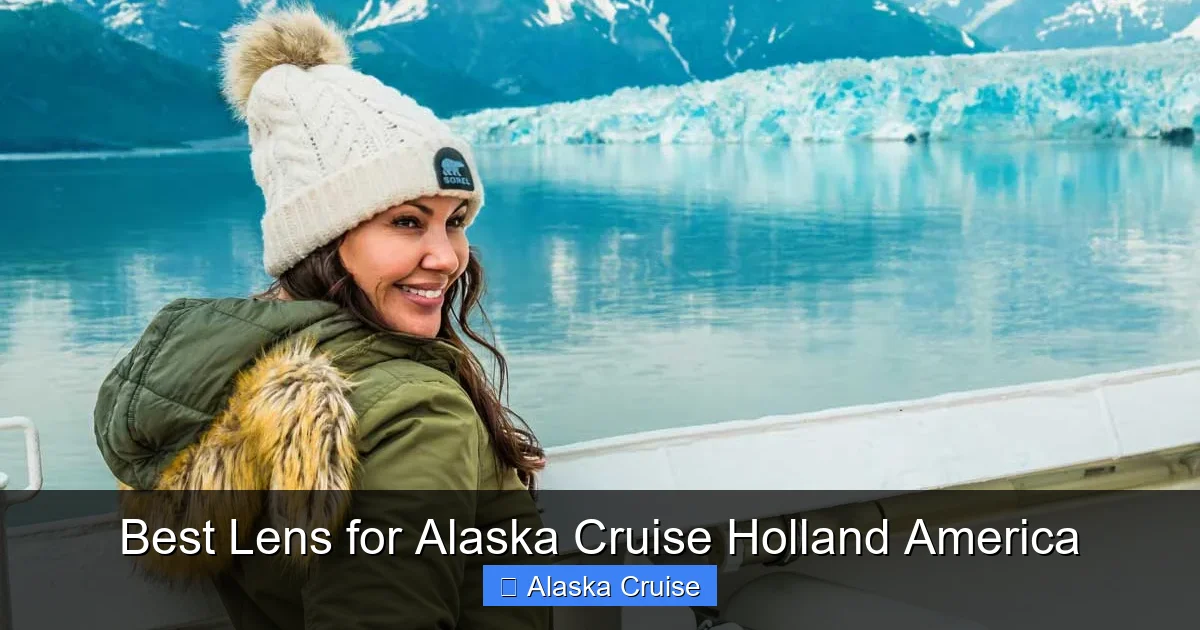
Visual guide about Best Lens for Alaska Cruise Holland America
Image source: thepointsguy.global.ssl.fastly.net
When shopping for a lens, it’s easy to get overwhelmed by technical specs. But for Alaska, focus on these five key features: zoom range, aperture, image stabilization, weather sealing, and weight.
Zoom Range: Reach Without Leaving the Deck
Zoom range is arguably the most important factor. Alaska’s wildlife doesn’t come close—it stays at a safe distance. A 70-300mm lens is a solid starting point, offering enough reach for most wildlife shots. But if you’re serious about bird or marine life, consider stepping up to a 100-400mm or even a 150-600mm super-telephoto.
For example, the Canon RF 100-400mm f/5.6-8 IS USM is a favorite among travel photographers. It’s compact, relatively lightweight, and delivers sharp images even at full zoom. On a Holland America cruise, you might use this lens to photograph a sea otter floating on its back or a pod of orcas swimming alongside the ship.
If you’re using a Nikon Z system, the NIKKOR Z 100-400mm f/4.5-5.6 VR S is another excellent choice. It’s weather-sealed, has fast autofocus, and includes vibration reduction to combat camera shake.
Aperture: Let in the Light
Aperture affects both exposure and depth of field. In Alaska, a wide aperture (low f-number like f/2.8) is valuable for low-light shooting. It allows more light to hit the sensor, enabling faster shutter speeds and reducing the risk of motion blur.
But wide apertures also create a shallow depth of field, which can be tricky for landscape shots where you want everything in focus. That’s why many photographers carry two lenses: a fast prime or zoom for low light and a slower, wider lens for landscapes.
For example, the Sony FE 24-70mm f/2.8 GM II is perfect for golden hour shots of glaciers glowing in the sunset. Its constant f/2.8 aperture ensures consistent exposure across the zoom range, and it’s sharp even wide open.
Image Stabilization: Steady Shots on a Moving Ship
Even the steadiest hands can’t fully compensate for the gentle sway of a cruise ship. Image stabilization (IS, VR, or OSS, depending on the brand) helps reduce blur caused by camera movement. Look for lenses with 4-5 stops of stabilization—this can make the difference between a sharp photo and a blurry one.
The Tamron 70-300mm f/4.5-6.3 Di III VC VXD, for instance, includes Vibration Compensation (VC) and is compatible with Sony E-mount cameras. It’s lightweight, affordable, and performs well in real-world conditions.
Weather Sealing: Survive the Elements
Alaska is famously damp. Mist from waterfalls, sea spray from zodiac tours, and sudden rain showers are all part of the experience. A weather-sealed lens protects against moisture, dust, and temperature changes.
Lenses like the Nikon AF-S NIKKOR 70-200mm f/2.8E FL ED VR are built to withstand harsh conditions. They feature rubber gaskets around the mount and control rings, ensuring reliable performance even in challenging environments.
Weight and Size: Comfort on the Go
You’ll be carrying your gear for hours—on deck, during excursions, and through airport security. A heavy lens might deliver top-tier image quality, but it can also lead to fatigue.
Consider compact telephotos like the Olympus M.Zuiko Digital ED 40-150mm f/2.8 PRO. It’s designed for Micro Four Thirds cameras and offers a 300mm equivalent reach while remaining lightweight and portable.
Best Lenses by Photography Style
Not all photographers have the same goals. Some want to capture epic landscapes, others focus on wildlife, and many aim for a mix of both. Here’s how to choose the best lens for Alaska cruise Holland America based on your style.
Wildlife and Marine Life
If your main focus is wildlife, prioritize reach and autofocus speed. A 100-400mm or 150-600mm lens is ideal. These allow you to photograph animals without disturbing them—a key ethical consideration in Alaska’s protected areas.
Top picks:
– Canon EF 100-400mm f/4.5-5.6L IS II USM (for Canon DSLR users)
– Sony FE 200-600mm f/5.6-6.3 G OSS (for Sony mirrorless)
– Sigma 150-600mm f/5-6.3 DG DN OS Sports (for Sony E and L-mount)
These lenses offer fast autofocus, excellent sharpness, and robust build quality. The Sony 200-600mm, for example, has a built-in extender that boosts reach without sacrificing image quality.
Landscape and Scenic Views
For sweeping vistas, a wide-angle zoom is essential. A 16-35mm or 24-70mm lens captures the grandeur of glaciers, fjords, and mountain ranges.
Recommended options:
– Canon RF 15-35mm f/2.8L IS USM
– Nikon NIKKOR Z 14-30mm f/4 S
– Sony FE 16-35mm f/2.8 GM
These lenses deliver sharp corners, minimal distortion, and excellent color rendition. The Canon RF 15-35mm, for instance, includes image stabilization—rare for a wide-angle zoom—making it great for handheld shots in low light.
All-Around Versatility
If you want one lens that does it all, consider a high-quality 24-70mm f/2.8. It’s perfect for general photography, from port towns to onboard events to close-up details of wildlife.
Top choices:
– Sony FE 24-70mm f/2.8 GM II
– Canon RF 24-70mm f/2.8L IS USM
– Nikon NIKKOR Z 24-70mm f/2.8 S
These lenses are workhorses—sharp, fast, and reliable. They’re ideal for travelers who prefer to travel light without sacrificing image quality.
Camera System Compatibility
Before buying any lens, make sure it’s compatible with your camera. DSLR and mirrorless systems use different mounts, and adapters can sometimes limit functionality.
Canon Users
Canon offers two main systems: EF/EF-S for DSLRs and RF for mirrorless. If you have a Canon EOS R5 or R6, go with RF lenses like the RF 100-400mm or RF 24-70mm f/2.8L. For older DSLRs, the EF 70-200mm f/2.8L IS III is a classic choice.
Nikon Users
Nikon Z-mount lenses are optimized for mirrorless cameras like the Z6 II or Z7 II. The NIKKOR Z 70-200mm f/2.8 VR S is a top performer. For DSLR users, the AF-S 70-200mm f/2.8E remains a favorite.
Sony Users
Sony’s E-mount system is popular among travel photographers. The Sony FE 70-200mm f/2.8 GM OSS II is a premium option, while the more affordable Tamron 70-300mm offers great value.
Micro Four Thirds
If you’re using an Olympus or Panasonic camera, the M.Zuiko 40-150mm f/2.8 PRO or the Panasonic Lumix G 300mm f/4 are excellent telephoto choices.
Practical Tips for Using Your Lens in Alaska
Having the right lens is only half the battle. How you use it matters just as much.
Protect Your Gear
Use lens hoods to reduce flare and protect the front element. Keep a microfiber cloth and lens pen handy for cleaning. Consider a rain cover or dry bag for extra protection during zodiac tours.
Shoot in RAW
RAW files retain more detail and allow greater flexibility in post-processing. This is especially helpful when dealing with challenging lighting conditions.
Use a Monopod or Tripod
A lightweight monopod can stabilize your lens during long exposures or when shooting at full zoom. Some photographers even use a small travel tripod for landscape shots at dawn or dusk.
Be Patient and Observant
Wildlife doesn’t follow a schedule. Spend time on deck with your lens ready. Early mornings and late afternoons often offer the best light and animal activity.
Respect Wildlife and Regulations
Never approach animals too closely, especially during excursions. Follow park guidelines and maintain a safe distance. Your lens should help you observe—not disturb.
Conclusion
Choosing the best lens for Alaska cruise Holland America is about more than specs—it’s about matching your gear to the unique demands of this incredible destination. Whether you’re drawn to the drama of calving glaciers, the grace of a breaching whale, or the quiet beauty of a misty forest, the right lens will help you capture memories that last a lifetime.
Prioritize zoom range for wildlife, wide-angle capability for landscapes, and features like image stabilization and weather sealing for reliability. Match your lens to your camera system, and don’t forget the practical side—weight, portability, and ease of use matter just as much as image quality.
With the right lens in your bag, your Holland America cruise becomes more than a vacation—it becomes a photographic journey through one of the world’s last great wildernesses. So pack smart, shoot often, and let Alaska’s beauty unfold through your viewfinder.
Frequently Asked Questions
What is the best lens for wildlife on an Alaska cruise?
The best lens for wildlife is a telephoto zoom like the 100-400mm or 150-600mm. These offer the reach needed to photograph distant animals like whales, bears, and eagles without disturbing them.
Do I need a wide-angle lens for Alaska?
Yes, a wide-angle lens (16-35mm or 24-70mm) is ideal for capturing expansive landscapes like glaciers, fjords, and mountain ranges. It helps convey the scale and grandeur of Alaska’s scenery.
Can I use a kit lens on my Alaska cruise?
A kit lens (18-55mm) is fine for casual shots, but it lacks the reach for wildlife and the width for dramatic landscapes. For best results, upgrade to a telephoto or wide-angle zoom.
Is image stabilization important on a cruise ship?
Yes. The ship’s movement can cause camera shake, especially at long focal lengths. Lenses with image stabilization help reduce blur and improve sharpness in handheld shots.
Should I bring more than one lens?
If possible, yes. A telephoto for wildlife and a wide-angle for landscapes give you the most flexibility. If you can only bring one, a 24-70mm f/2.8 offers a good balance.
How do I protect my lens from Alaska’s weather?
Use a weather-sealed lens, carry a rain cover, and keep your gear in a dry bag. Clean your lens regularly with a microfiber cloth to remove moisture and salt spray.