
Choosing the best port to leave from for Alaska cruise depends on your travel style, budget, and itinerary goals. Whether you prefer a U.S.-based departure like Seattle or an international gateway like Vancouver, each port offers unique advantages for exploring Alaska’s stunning coastline and wildlife.
Planning an Alaska cruise is one of the most exciting travel decisions you can make. The Last Frontier offers jaw-dropping glaciers, abundant wildlife, charming coastal towns, and awe-inspiring mountain vistas. But before you can marvel at a breaching humpback whale or cruise past a calving glacier, you’ll need to answer a crucial question: where should you start your journey?
The best port to leave from for Alaska cruise depends on a mix of practical factors—like flight availability, cost, and travel time—and personal preferences, such as whether you want a round-trip voyage or a one-way adventure that includes a land tour. With several departure points spread across the Pacific Northwest and Alaska itself, it’s easy to feel overwhelmed. But don’t worry—we’ve got you covered.
In this guide, we’ll break down the top cruise departure ports for Alaska, comparing their pros and cons, travel logistics, and unique offerings. Whether you’re a first-time cruiser or a seasoned traveler, understanding your options will help you choose the port that best fits your dream Alaska vacation. From bustling U.S. cities to scenic Canadian gateways and remote Alaskan harbors, each port sets the tone for a different kind of adventure.
Key Takeaways
- Seattle, Washington: A top U.S. departure point with direct flights, modern terminals, and round-trip itineraries that simplify travel logistics.
- Vancouver, British Columbia: Offers scenic sailaways through the Inside Passage and access to Canadian culture, but requires international travel for U.S. citizens.
- Seward and Whittier, Alaska: Ideal for one-way cruises ending in or starting from Alaska, often paired with land tours through Denali or Anchorage.
- Round-trip vs. one-way cruises: Round-trip options reduce backtracking, while one-way cruises allow deeper exploration of Alaska’s interior.
- Flight availability and cost: U.S. ports like Seattle and San Francisco often have more affordable and frequent flights than Canadian or remote Alaskan ports.
- Seasonal considerations: Most cruises run from May to September, with peak wildlife viewing in July and August.
- Port amenities and pre-cruise stays: Major ports offer hotels, dining, and attractions, making it easy to extend your trip before or after sailing.
📑 Table of Contents
- Why the Departure Port Matters for Your Alaska Cruise
- Top U.S. Departure Ports for Alaska Cruises
- Canadian Departure Ports: Vancouver and Beyond
- Alaskan Departure Ports: Seward and Whittier
- Round-Trip vs. One-Way Cruises: Which Is Right for You?
- Factors to Consider When Choosing Your Departure Port
- Tips for a Smooth Departure Experience
- Conclusion: Finding Your Perfect Alaska Cruise Departure
Why the Departure Port Matters for Your Alaska Cruise
You might think that once you’re on the ship, it doesn’t matter where you started. But the truth is, your departure port can significantly shape your entire cruise experience. It affects everything from how you get there and how much you spend, to the type of itinerary you can book and even the views you’ll see on day one.
For example, leaving from Seattle means you’ll likely enjoy a round-trip cruise that returns you to the same city, simplifying travel plans and eliminating the need for a second flight home. On the other hand, departing from Vancouver offers a stunning sailaway through the Inside Passage, but requires crossing an international border—something that adds time and paperwork for U.S. travelers.
The port you choose also influences your cruise line options. Major lines like Holland America, Princess, Royal Caribbean, and Norwegian Cruise Line operate from multiple ports, but not all offer the same routes or ships from each location. Some ports are better suited for luxury voyages, while others cater to families or budget-conscious travelers.
Additionally, your departure port can affect your pre- and post-cruise plans. Major cities like Seattle and Vancouver offer plenty of hotels, restaurants, and attractions, making it easy to extend your trip. In contrast, smaller ports like Seward or Whittier are more remote, which might mean fewer options for overnight stays but a more authentic Alaskan experience.
Top U.S. Departure Ports for Alaska Cruises
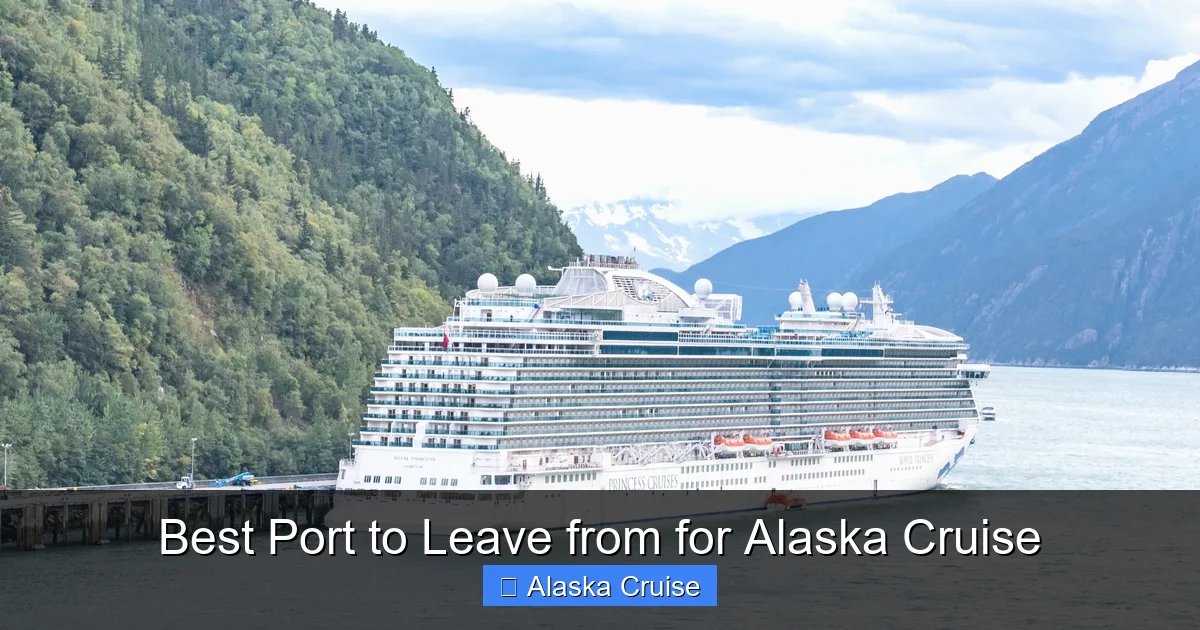
Visual guide about Best Port to Leave from for Alaska Cruise
Image source: elliestraveltips.com
If you’re based in the United States, flying into a domestic port can save time, money, and hassle. The two most popular U.S. departure points for Alaska cruises are Seattle, Washington, and San Francisco, California. Each offers unique benefits, depending on your travel style and itinerary goals.
Seattle, Washington: The Gold Standard for Alaska Cruises
Seattle is arguably the best port to leave from for Alaska cruise if you’re looking for convenience, variety, and value. As the largest city in the Pacific Northwest, Seattle boasts a major international airport (SEA) with direct flights from most U.S. cities, making it easy to reach no matter where you live.
Cruise lines like Norwegian Cruise Line, Holland America, and Royal Caribbean offer frequent departures from Seattle, typically between May and September. Most cruises from Seattle are round-trip, meaning you’ll sail north into Alaska and return to the same port after 7 to 10 days. This eliminates the need for a second flight and simplifies logistics—especially if you’re traveling with family or have limited time.
One of the biggest advantages of departing from Seattle is the scenic sailaway. Ships leave Elliott Bay and glide past the iconic Space Needle, then head north through Puget Sound and into the Inside Passage. This early glimpse of coastal beauty sets the tone for the rest of your trip.
Seattle is also a fantastic city to explore before or after your cruise. You can visit the Pike Place Market, take a ferry to Bainbridge Island, or enjoy fresh seafood at one of the city’s many waterfront restaurants. Many cruise lines offer pre-cruise hotel packages, so you can arrive a day early and settle in without rushing.
San Francisco, California: A West Coast Gateway
San Francisco is another excellent U.S. departure port, especially for travelers coming from the southern or central parts of the country. The city’s international airport (SFO) offers numerous direct flights, and its cruise terminal is located right on the Embarcadero, with stunning views of the Bay Bridge and Alcatraz.
Cruises from San Francisco are typically longer—often 10 to 14 days—and may include stops in Seattle or Vancouver before heading north to Alaska. This extended itinerary allows for more time at sea and a slower pace, which some travelers prefer.
One unique benefit of sailing from San Francisco is the opportunity to experience California’s coastal beauty before even reaching Alaska. You’ll pass through the Golden Gate Strait, with views of the famous bridge and Marin Headlands, then continue up the rugged Pacific coastline.
However, San Francisco cruises are less common than those from Seattle, and prices can be higher due to the longer duration and increased demand. Still, for travelers who want a more leisurely journey or are combining their Alaska cruise with a California vacation, San Francisco is a strong contender.
Canadian Departure Ports: Vancouver and Beyond
For travelers willing to cross the border, Vancouver, British Columbia, offers a world-class cruise experience with a distinctly international flair. As Canada’s largest coastal city, Vancouver is a vibrant hub of culture, cuisine, and natural beauty—and it’s one of the most popular departure points for Alaska cruises.
Vancouver, British Columbia: Scenic Sailaways and Urban Charm
Vancouver is often considered the best port to leave from for Alaska cruise if you’re looking for a dramatic start to your journey. Ships departing from Vancouver sail through the breathtaking Inside Passage, passing snow-capped mountains, lush rainforests, and charming coastal towns like Ketchikan and Juneau.
The city itself is a major draw. With its mix of urban sophistication and outdoor adventure, Vancouver offers something for everyone. You can hike in Stanley Park, explore the historic Gastown district, or sample fresh Pacific seafood at Granville Island Public Market.
Most major cruise lines, including Princess, Holland America, and Celebrity Cruises, operate from Vancouver. Many itineraries are one-way, meaning you’ll end your cruise in Seward or Whittier, Alaska, and then take a flight home from Anchorage. This allows you to experience both the coastal cruise and a land-based tour of Alaska’s interior, such as Denali National Park.
One important consideration: U.S. citizens need a passport to enter Canada, and you’ll go through customs and immigration when boarding the ship. While this adds a small amount of time to the process, it’s usually smooth and well-organized.
Other Canadian Options: Victoria and Prince Rupert
While Vancouver is the primary Canadian departure port, some smaller ships and niche cruise lines also sail from Victoria (on Vancouver Island) or Prince Rupert (a remote port in northern British Columbia). These options are less common but can offer a more intimate and off-the-beaten-path experience.
Victoria, known for its British charm and floral gardens, is a charming starting point for smaller expedition-style cruises. Prince Rupert, on the other hand, is a gateway to the Great Bear Rainforest and offers access to remote Indigenous communities and wildlife viewing opportunities.
However, these ports have limited flight connections and fewer cruise departures, so they’re best suited for experienced travelers seeking adventure over convenience.
Alaskan Departure Ports: Seward and Whittier
If you’re already in Alaska or planning a land-and-sea vacation, departing from an Alaskan port like Seward or Whittier can be a fantastic option. These ports are typically used for one-way cruises that begin or end in Alaska, often as part of a larger tour package.
Seward: Gateway to Kenai Fjords and Denali
Located on the Kenai Peninsula, Seward is a picturesque fishing town and the southern terminus of the Alaska Railroad. Many travelers fly into Anchorage, take the scenic train ride to Seward, and begin their cruise from there.
Cruises departing from Seward often head west into the Gulf of Alaska, visiting ports like Kodiak, Dutch Harbor, and Glacier Bay. These itineraries focus on remote wilderness, wildlife, and dramatic seascapes, offering a more rugged and less touristy experience.
One major advantage of starting in Seward is the ability to combine your cruise with a land tour. Many packages include a visit to Denali National Park, where you can see North America’s tallest peak and spot grizzly bears, moose, and caribou.
Whittier: The Iceberg Capital of Alaska
Just 60 miles southeast of Anchorage, Whittier is a small, quirky town accessible only by a tunnel that carries both cars and trains. Despite its size, Whittier is a major cruise port, especially for ships operated by Princess Cruises.
Cruises from Whittier typically follow the Inside Passage, visiting classic Alaskan ports like Juneau, Skagway, and Ketchikan. The town itself is surrounded by glaciers and mountains, and the nearby Prince William Sound is famous for its icebergs and marine wildlife.
One unique feature of Whittier is the Anton Anderson Memorial Tunnel—the longest highway-rail tunnel in North America. Your journey begins with a scenic drive through this tunnel, adding a touch of adventure before you even board the ship.
Round-Trip vs. One-Way Cruises: Which Is Right for You?
One of the biggest decisions you’ll make when choosing a departure port is whether to book a round-trip or one-way cruise. Each option has its own advantages, depending on your travel goals and flexibility.
Round-Trip Cruises: Convenience and Simplicity
Round-trip cruises are ideal for travelers who want a hassle-free vacation. You fly into the same city where your cruise begins and ends, eliminating the need for a second flight or complex travel arrangements.
Seattle is the most popular port for round-trip Alaska cruises, offering frequent departures and a wide range of itineraries. These cruises typically last 7 to 10 days and visit classic ports like Juneau, Skagway, and Ketchikan.
The main benefit of a round-trip cruise is simplicity. You can pack once, unpack once, and return home without any logistical headaches. It’s also often more budget-friendly, as you’re not paying for two separate flights.
One-Way Cruises: Adventure and Exploration
One-way cruises, on the other hand, are perfect for travelers who want to explore Alaska more deeply. These cruises often begin in Seattle or Vancouver and end in Seward or Whittier (or vice versa), allowing you to combine a coastal voyage with a land tour.
For example, you might fly into Seattle, cruise to Alaska, and then take a train or bus tour through Denali National Park before flying home from Anchorage. This type of itinerary gives you a fuller picture of Alaska’s diverse landscapes—from coastal fjords to inland tundra.
One-way cruises are especially popular with cruise lines like Princess and Holland America, which offer “cruisetour” packages that include both ship and land components.
Factors to Consider When Choosing Your Departure Port
With so many options, how do you decide which port is right for you? Here are some key factors to keep in mind:
Flight Availability and Cost
Major U.S. ports like Seattle and San Francisco typically have more affordable and frequent flights than Canadian or Alaskan ports. If you’re on a budget, flying into a large hub can save you hundreds of dollars.
Travel Time and Distance
Consider how far you’re willing to travel. Flying to Vancouver or Anchorage may take longer and cost more than flying to Seattle. If you’re short on time, a closer port might be the better choice.
Itinerary Preferences
Some ports offer unique itineraries. For example, cruises from San Francisco may include stops in California or Hawaii, while those from Vancouver often focus on the Inside Passage. Think about which ports and sights you most want to see.
Season and Weather
Alaska cruises run from May to September, with peak season in July and August. If you want the best weather and wildlife viewing, aim for mid-summer. But if you prefer fewer crowds and lower prices, consider May or September.
Pre- and Post-Cruise Plans
Major ports like Seattle and Vancouver offer plenty of hotels, restaurants, and attractions, making it easy to extend your trip. Smaller ports like Seward or Whittier are more remote, so plan accordingly if you want to explore before or after your cruise.
Tips for a Smooth Departure Experience
No matter which port you choose, a little planning goes a long way. Here are some practical tips to ensure a stress-free start to your Alaska adventure:
- Arrive a day early: Flights can be delayed, especially in the Pacific Northwest. Arriving the day before your cruise gives you time to rest and explore.
- Check passport requirements: U.S. citizens need a passport to enter Canada. Make sure yours is valid for at least six months beyond your travel dates.
- Pack layers: Alaska weather can be unpredictable. Bring a waterproof jacket, warm layers, and comfortable walking shoes.
- Book excursions in advance: Popular tours like whale watching or glacier hikes can sell out quickly. Reserve them early to avoid disappointment.
- Use airport shuttles or public transit: Many ports offer convenient transportation from the airport. In Seattle, the Link Light Rail connects the airport to downtown.
Conclusion: Finding Your Perfect Alaska Cruise Departure
So, what’s the best port to leave from for Alaska cruise? The answer depends on you. If you value convenience and simplicity, Seattle is hard to beat. If you’re drawn to scenic beauty and international flair, Vancouver offers a stunning start. And if you’re ready for adventure, departing from Seward or Whittier lets you dive deep into Alaska’s wild heart.
Ultimately, the best port is the one that aligns with your travel style, budget, and dreams. Whether you’re watching glaciers calve from a luxury suite or spotting orcas from a small expedition ship, your Alaska cruise will be unforgettable—no matter where you begin.
Take the time to compare your options, consider your priorities, and choose the port that feels right. With the right planning, your journey to the Last Frontier will be as smooth as the calm waters of Glacier Bay.
Frequently Asked Questions
What is the best port to leave from for Alaska cruise?
The best port depends on your needs. Seattle is ideal for round-trip convenience, Vancouver for scenic sailaways, and Seward or Whittier for one-way cruises with land tours.
Do I need a passport to cruise to Alaska from the U.S.?
If you’re departing from a U.S. port like Seattle or San Francisco, a passport is not required for U.S. citizens. However, you’ll need one if your cruise stops in Canada or departs from a Canadian port.
Can I fly into one port and fly out of another after my cruise?
Yes, many travelers book one-way cruises that end in Alaska and fly home from Anchorage. This is common with cruises departing from Seattle or Vancouver.
Which port offers the most wildlife viewing opportunities?
Ports like Seward and Whittier provide access to remote areas like Kenai Fjords and Prince William Sound, which are rich in marine wildlife, including whales, sea lions, and puffins.
Are there direct flights to all Alaska cruise ports?
Major ports like Seattle and Vancouver have direct flights from most U.S. cities. Smaller ports like Seward and Whittier require a connection through Anchorage.
What time of year is best for an Alaska cruise?
The cruise season runs from May to September. July and August offer the best weather and wildlife activity, while May and September are less crowded and more affordable.