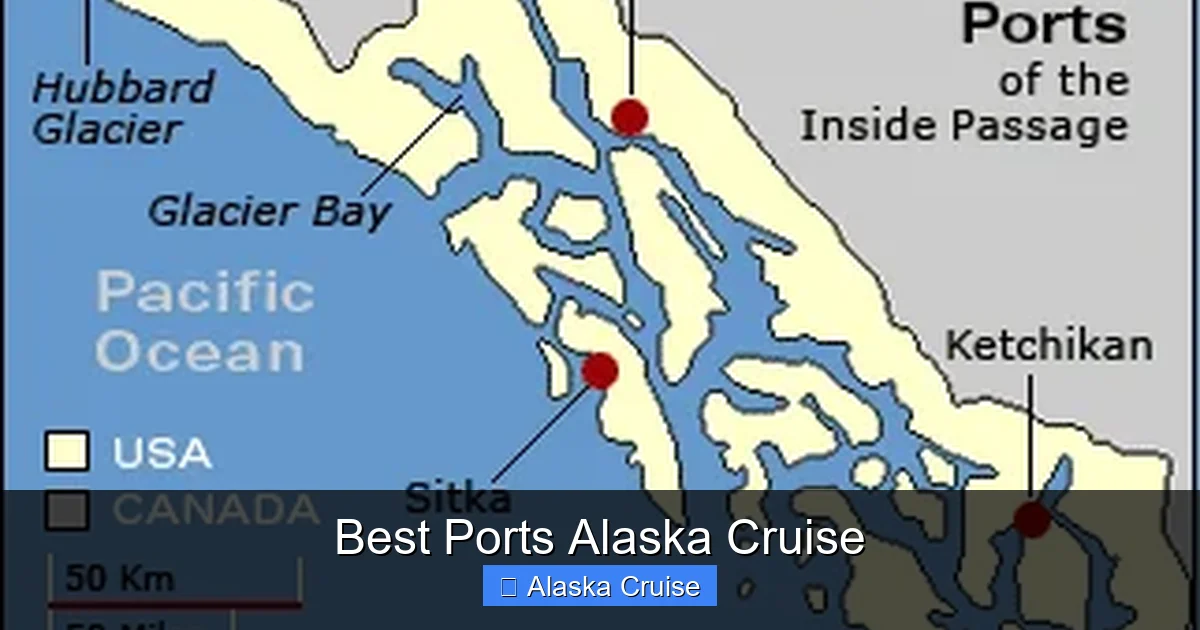
Choosing the best ports Alaska cruise stops can make or break your adventure. This guide highlights the top destinations—like Juneau, Ketchikan, and Skagway—offering stunning glaciers, wildlife, and rich culture. Whether you’re a first-time cruiser or a seasoned traveler, these ports deliver unforgettable experiences.
Dreaming of icy fjords, towering glaciers, and wild coastlines? An Alaska cruise might just be the adventure you’ve been waiting for. But with so many incredible ports to choose from, how do you know which ones are truly worth your time? The truth is, every port in Alaska has something special to offer—whether it’s jaw-dropping scenery, rich history, or close encounters with wildlife. But some stand out as the absolute best ports Alaska cruise itineraries include for good reason.
Unlike other cruise destinations, Alaska isn’t about lounging on sandy beaches or sipping cocktails by the pool. It’s about immersion—into nature, culture, and raw, untamed beauty. Each port serves as a gateway to a different facet of the Last Frontier. From the misty rainforests of Ketchikan to the gold rush charm of Skagway, and the icy wonders of Glacier Bay, your cruise will be a journey through time and terrain. And because Alaska is best explored by sea, cruising allows you to glide past landscapes that are otherwise inaccessible.
But with so many options, it’s easy to feel overwhelmed. Which ports offer the best wildlife sightings? Where can you see a glacier up close? What’s the best way to experience local culture? This guide will walk you through the best ports Alaska cruise lines visit, helping you plan a trip that’s as seamless as it is spectacular. Whether you’re traveling with family, celebrating a milestone, or simply craving adventure, these ports will leave you with memories that last a lifetime.
Key Takeaways
- Juneau offers glacier tours and whale watching: As Alaska’s capital, it’s a hub for outdoor adventures and cultural experiences, accessible only by air or sea.
- Ketchikan is the gateway to Tongass National Forest: Known for its totem poles, salmon, and rainforest hikes, it’s a must-visit for nature lovers.
- Skagway brings Gold Rush history to life: Walk historic boardwalks, ride the White Pass Railroad, and explore museums that capture the Klondike era.
- Glacier Bay National Park is a UNESCO site: A highlight for many cruises, it features massive glaciers, calving ice, and abundant marine wildlife.
- Hubbard Glacier is one of the largest in North America: Cruising near this active glacier offers awe-inspiring views and photo opportunities.
- Victoria, BC, adds international charm: Though not in Alaska, it’s a popular stop offering British flair, gardens, and afternoon tea.
- Plan excursions in advance: Popular tours sell out quickly, so book early to secure your spot at the best ports Alaska cruise stops.
📑 Table of Contents
Juneau: The Capital of Adventure
Tucked away on the Gastineau Channel, Juneau is Alaska’s capital city—and one of the most unique ports you’ll visit on your cruise. What makes Juneau special? For starters, it’s one of the few state capitals in the U.S. that you can’t reach by road. That means your cruise ship is likely your only way in—and your only way out. But once you arrive, you’ll quickly see why Juneau consistently ranks among the best ports Alaska cruise travelers rave about.
Glacier Adventures at Mendenhall
No visit to Juneau is complete without a trip to the Mendenhall Glacier. This 13-mile-long glacier is one of the most accessible in Alaska, and it’s just a short drive or shuttle ride from the cruise terminal. The Mendenhall Glacier Visitor Center offers stunning views, educational exhibits, and hiking trails that range from easy walks to more challenging hikes.
One of the most popular trails is the Nugget Falls Trail, which leads you to a powerful waterfall cascading down from the glacier. It’s a moderate hike—about 3.5 miles round trip—but the payoff is worth every step. You’ll pass through lush rainforest, cross wooden bridges, and eventually reach a viewpoint where you can see both the glacier and the falls in all their glory. For a more relaxed experience, the Photo Point Trail is a flat, half-mile loop that offers incredible views without the hike.
If you’re feeling adventurous, consider booking a glacier trek. Local outfitters offer guided walks on the ice, where you’ll strap on crampons and explore crevasses, ice caves, and blue meltwater pools. It’s a surreal experience—walking on a glacier that’s thousands of years old, surrounded by silence and snow-capped peaks.
Whale Watching in the Inside Passage
Juneau is one of the best places in the world to see humpback whales. From May through September, these majestic creatures migrate to Alaska’s nutrient-rich waters to feed. Whale watching tours depart daily from the Juneau harbor, and the chances of spotting a whale are incredibly high—often over 90%.
Most tours last between 3 to 4 hours and take you into the Stephens Passage, a prime feeding ground for humpbacks. You’ll likely see them breaching, tail slapping, and even bubble-net feeding—a coordinated technique where whales work together to trap fish. Some tours also offer the chance to see orcas, sea lions, and porpoises.
For the best experience, book a small-boat tour with a naturalist guide. These guides are passionate about marine life and will share fascinating facts about whale behavior, migration patterns, and conservation efforts. Bring binoculars, a camera with a zoom lens, and dress in layers—it can get chilly on the water, even in summer.
Local Culture and History
Beyond nature, Juneau offers a rich cultural scene. The city has a strong Tlingit heritage, and you can learn about Indigenous history at the Alaska State Museum or the Juneau-Douglas City Museum. The latter features exhibits on gold mining, fishing, and the city’s development.
Don’t miss the Last Chance Mining Museum, located in the historic Alaska-Juneau Gold Mine buildings. It’s a fascinating look at Juneau’s gold rush past, with original equipment, ore samples, and underground tunnels you can explore.
For a taste of local life, stroll through downtown Juneau. You’ll find quirky shops, art galleries, and cafes serving fresh seafood. Try the halibut tacos at The Rookery or a cup of locally roasted coffee at The Grind. And if you’re visiting in summer, check out the farmers market—it’s a great place to pick up handmade crafts and Alaskan honey.
Ketchikan: The Salmon Capital of the World
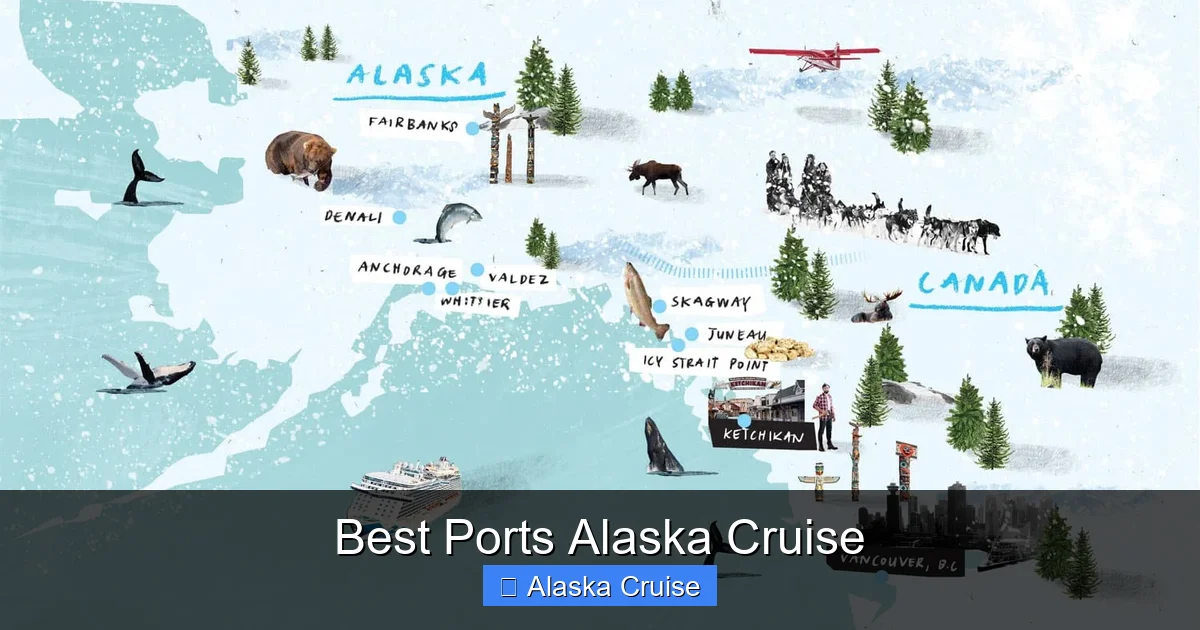
Visual guide about Best Ports Alaska Cruise
Image source: cruisepassenger.com.au
Known as the “Salmon Capital of the World,” Ketchikan is a charming port nestled in the heart of the Tongass National Forest—the largest national forest in the United States. With its colorful buildings, cascading waterfalls, and lush greenery, Ketchikan feels like a storybook village. It’s no wonder it’s one of the best ports Alaska cruise lines include on nearly every itinerary.
Explore the Tongass National Forest
The Tongass National Forest covers over 17 million acres and is home to towering spruce and hemlock trees, black bears, bald eagles, and salmon-filled streams. One of the best ways to experience it is by taking a guided nature walk or kayaking tour.
The Deer Mountain Trail is a popular hiking option—a 3.5-mile round-trip hike that climbs 1,400 feet to a panoramic viewpoint. On a clear day, you can see all the way to the Misty Fjords National Monument. The trail is well-maintained but steep in parts, so wear sturdy shoes and bring water.
For a more relaxed adventure, consider a kayaking tour through the calm waters of George Inlet. Paddle past towering cliffs, sea stacks, and maybe even spot a seal or sea lion. Many tours include a stop at a remote beach where you can stretch your legs and enjoy a picnic.
Totem Poles and Native Culture
Ketchikan is famous for its totem poles, and you’ll find them throughout the town. The Totem Heritage Center houses one of the largest collections of restored 19th-century totem poles in the world. These intricately carved poles tell stories of clans, legends, and family histories.
Another must-visit is Totem Bight State Historical Park, located just a few miles north of town. This park features a collection of authentic totem poles and a traditional Tlingit clan house. It’s a peaceful place to learn about Native Alaskan culture and take in the coastal views.
For a deeper dive, consider a cultural tour with a local Indigenous guide. These tours often include storytelling, traditional dancing, and hands-on activities like beadwork or drum making. It’s a meaningful way to connect with the land and its people.
Fresh Seafood and Local Flavors
Ketchikan’s nickname isn’t just for show—this town takes its seafood seriously. You’ll find fresh salmon, halibut, and crab on nearly every menu. Try the grilled king salmon at George Inlet Cannery or the fish and chips at Creek Street’s iconic Dolly’s Houseboat Restaurant.
Creek Street itself is a historic boardwalk built over the water in the early 1900s. Once a bustling red-light district, it’s now lined with shops, galleries, and cafes. It’s a fun place to wander, especially in the evening when the string lights come on.
Don’t leave without trying some local ice cream—specifically, the “Alaskan Mud” flavor at Ketchikan Ice Cream Company. It’s a rich chocolate swirl with fudge and nuts, and it’s as indulgent as it sounds.
Skagway: A Step Back in Time
If you love history, Skagway will feel like stepping into a living museum. This small port town was once the bustling gateway to the Klondike Gold Rush in the late 1800s. Today, it’s preserved as a National Historic Landmark, with original buildings, wooden boardwalks, and costumed interpreters bringing the past to life.
The White Pass & Yukon Route Railroad
One of the most iconic experiences in Skagway is riding the White Pass & Yukon Route Railroad. Known as the “Gateway to the Klondike,” this narrow-gauge railway was built in 1898 to transport prospectors and supplies over the Coast Mountains. The journey takes you through steep cliffs, across towering trestles, and through tunnels carved into the rock.
The train ride is about 67 miles round trip, with the option to go one way and return by bus or cruise ship. Along the way, you’ll pass Bridal Veil Falls, the infamous “Dead Horse Trail,” and the U.S.-Canada border. The views are breathtaking, and the history is palpable.
Book your tickets in advance—this is one of the most popular excursions in Skagway, and it sells out quickly. Opt for a dome car if available; the glass roof offers unobstructed views of the mountains and valleys.
Gold Rush History and Museums
Skagway is packed with history, and you can spend hours exploring its museums and historic sites. The Skagway Museum features exhibits on the Gold Rush, including artifacts, photographs, and personal stories from prospectors.
The Moore House and Museum offers a glimpse into life in the 1890s, with original furnishings and period clothing. And the Red Onion Saloon, once a brothel, now serves as a museum and bar—complete with ghost tours and live music.
Don’t miss the daily performances by the Skagway Theatre Company. Their shows, like “The Days of ’98 Show,” are entertaining and educational, blending humor with history.
Outdoor Adventures
While history is a big draw, Skagway also offers plenty of outdoor fun. Hike the Chilkoot Trail, the same route used by gold seekers, or take a dog sledding tour on a glacier. Yes, you read that right—dog sledding in summer! Some tours use wheeled sleds on glacial ice, giving you a taste of the Iditarod experience.
For a more relaxed adventure, try gold panning. Several outfitters offer lessons and equipment, and you might even find a few flakes of real gold to take home.
Glacier Bay National Park: A Natural Wonder
Glacier Bay National Park is a UNESCO World Heritage Site and one of the most spectacular stops on any Alaska cruise. This 3.3-million-acre park is home to over a dozen active glaciers, towering mountains, and abundant wildlife. Most cruise ships spend a full day cruising through the park, often with a National Park Service ranger onboard to provide commentary.
Witnessing Glacier Calving
One of the most thrilling experiences in Glacier Bay is watching a glacier calve—when a massive chunk of ice breaks off and crashes into the water. It’s a thunderous event that sends waves rippling through the bay and leaves icebergs floating in its wake.
The most famous glacier in the park is the Margerie Glacier, known for its deep blue ice and frequent calving. Ships often stop nearby, giving passengers a front-row seat to the action. Bring a jacket—it can get cold near the ice—and keep your camera ready.
Wildlife Viewing
Glacier Bay is a haven for wildlife. You might see humpback whales feeding in the bay, sea otters floating on their backs, or harbor seals lounging on ice floes. On land, brown bears, moose, and mountain goats roam the forests and meadows.
The park’s rangers are excellent spotters and will point out animals through binoculars or spotting scopes. They’ll also share insights into the park’s ecology, including how glaciers shape the landscape and support marine life.
Respect and Conservation
Glacier Bay is a protected wilderness area, and cruise ships follow strict guidelines to minimize their impact. Ships move slowly, stay a safe distance from wildlife, and limit the number of vessels in the park each day. As a visitor, you’re encouraged to observe quietly and leave no trace.
This respect for nature is part of what makes Glacier Bay so special. It’s a place where you can truly feel the power and beauty of the natural world—untouched, untamed, and unforgettable.
Hubbard Glacier: The Giant of the North
Stretching over 76 miles long and up to 7 miles wide, Hubbard Glacier is one of the largest and most active tidewater glaciers in North America. Located near Yakutat, it’s a highlight for many cruise ships traveling the Gulf of Alaska.
Close-Up Glacier Views
Unlike Glacier Bay, where ships cruise through a bay, Hubbard Glacier is often approached head-on. This means your ship may get within a mile of the glacier’s face—offering incredible views of its towering blue ice walls. Some days, the glacier calves so frequently that you’ll hear the thunderous cracks echoing across the water.
The best viewing is usually in the early morning or late afternoon, when the light hits the ice at an angle, bringing out its brilliant blue hues. Bring a zoom lens and a tripod if you’re serious about photography.
Wildlife and Scenery
The area around Hubbard Glacier is rich in marine life. You might see seals, sea lions, and even whales feeding in the nutrient-rich waters. Onshore, the landscape is rugged and dramatic, with snow-capped peaks and lush valleys.
Some cruise lines offer optional helicopter tours that land on the glacier itself. It’s a once-in-a-lifetime experience—walking on ancient ice, surrounded by silence and vastness.
Victoria, BC: A Touch of British Charm
Though not in Alaska, Victoria, British Columbia, is a popular stop on many Alaska cruise itineraries. This charming city on Vancouver Island offers a refreshing contrast to the wild landscapes of Alaska, with its British-inspired architecture, manicured gardens, and cozy tea rooms.
Butchart Gardens
One of Victoria’s top attractions is the Butchart Gardens—a 55-acre floral paradise with themed gardens, fountains, and seasonal displays. The Sunken Garden, once a limestone quarry, is now a vibrant carpet of flowers. The Japanese Garden offers tranquility with koi ponds and cherry trees.
Visit in the evening for the summer fireworks display, or in December for the festive lights.
Historic Downtown
Victoria’s downtown is walkable and full of character. Visit the Royal BC Museum, explore the Inner Harbour, and enjoy afternoon tea at the Fairmont Empress Hotel. Don’t miss the street performers and local artisans along Government Street.
Seafood and Local Brews
Victoria has a thriving food scene. Try fresh oysters at Red Fish Blue Fish or sample local craft beer at Phillips Brewing & Malting Co. The city’s mild climate and coastal location make it a great place to enjoy outdoor dining.
Tips for Making the Most of Your Alaska Cruise Ports
To truly enjoy the best ports Alaska cruise stops, a little planning goes a long way. Here are some practical tips to help you make the most of your journey:
- Book excursions early: Popular tours—like whale watching in Juneau or the White Pass Railroad in Skagway—sell out months in advance. Book as soon as your cruise line opens their excursion portal.
- Dress in layers: Alaska’s weather can change quickly. Even in summer, temperatures can range from 40°F to 70°F. Bring a waterproof jacket, warm layers, and sturdy shoes.
- Bring binoculars: Wildlife and glaciers are often best viewed from a distance. A good pair of binoculars will enhance your experience at every port.
- Respect local cultures: Many ports have strong Indigenous heritage. Be mindful, ask questions respectfully, and support local artisans by purchasing authentic crafts.
- Stay flexible: Weather and wildlife are unpredictable. Some days, you might see a glacier calve; other days, it might be shrouded in fog. Embrace the adventure.
An Alaska cruise is more than a vacation—it’s an immersion into one of the world’s last great wildernesses. The best ports Alaska cruise itineraries offer a perfect blend of natural wonder, cultural richness, and adventure. From the icy majesty of Glacier Bay to the gold rush charm of Skagway, each stop tells a story. And while no two cruises are exactly alike, one thing remains constant: the awe you’ll feel as you sail through this breathtaking landscape. So pack your bags, bring your sense of wonder, and get ready to explore the Last Frontier—one unforgettable port at a time.
Frequently Asked Questions
What are the best ports to visit on an Alaska cruise?
The best ports Alaska cruise itineraries typically include Juneau, Ketchikan, Skagway, Glacier Bay, and Hubbard Glacier. Each offers unique experiences, from glacier tours and wildlife viewing to Gold Rush history and cultural sites.
Can you see whales in Alaska cruise ports?
Yes, whale watching is a highlight in ports like Juneau and Ketchikan. Humpback whales are commonly seen from May to September, and many tours offer high success rates for sightings.
Is Glacier Bay worth visiting on a cruise?
Absolutely. Glacier Bay National Park is a UNESCO World Heritage Site and one of the most spectacular natural attractions in Alaska. The chance to see active glaciers and wildlife up close is unforgettable.
Do I need to book excursions in advance?
Yes, popular excursions—like the White Pass Railroad in Skagway or glacier treks in Juneau—sell out quickly. Booking early ensures you get your top choices.
What should I pack for an Alaska cruise?
Pack layers, a waterproof jacket, sturdy shoes, binoculars, and a camera. Even in summer, weather can be cool and wet, especially on deck or during excursions.
Is Victoria, BC, included in Alaska cruises?
Yes, many Alaska cruise itineraries include a stop in Victoria, BC. It offers a charming contrast with British-inspired culture, gardens, and historic sites.