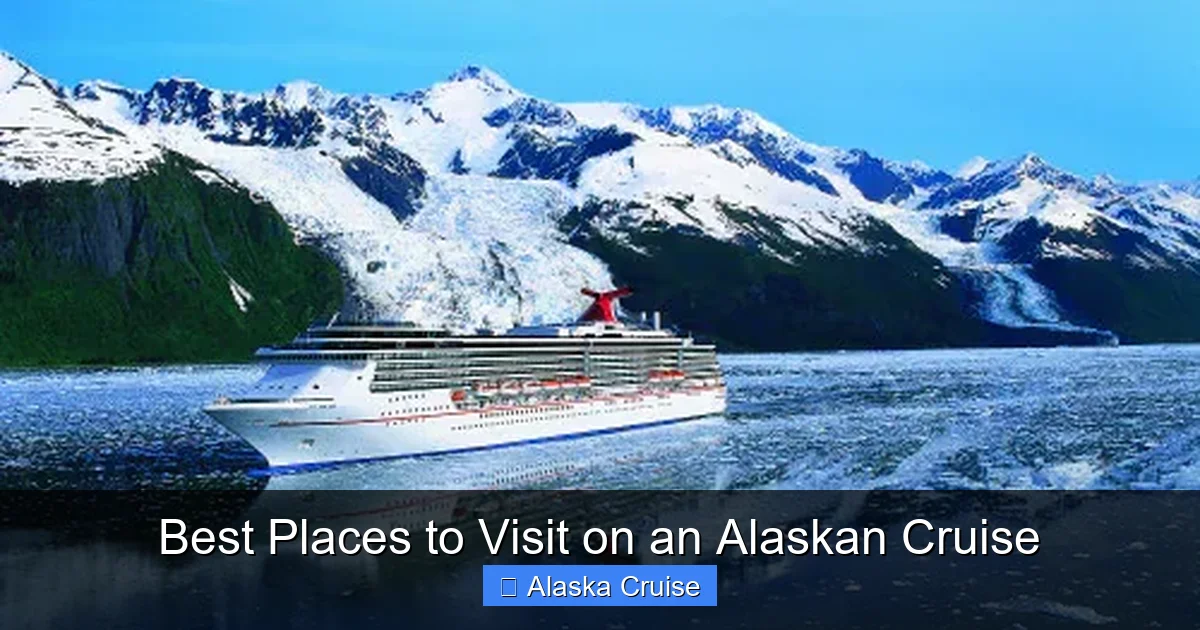
An Alaskan cruise offers some of the most breathtaking scenery and wildlife encounters in the world. From towering glaciers to charming coastal towns, this guide highlights the best places to visit on an Alaskan cruise for an unforgettable adventure.
Key Takeaways
- Glacier Bay National Park: A UNESCO World Heritage Site with massive glaciers, humpback whales, and pristine wilderness—best viewed from a small ship or guided kayak tour.
- Juneau: Alaska’s capital, accessible only by boat or plane, offers Mendenhall Glacier, whale watching, and historic gold rush sites.
- Ketchikan: Known as the “Salmon Capital of the World,” it features totem poles, rainforests, and cultural experiences with the Tlingit people.
- Skagway: A preserved Gold Rush town with scenic train rides, hiking trails, and the famous White Pass & Yukon Route Railway.
- Hubbard Glacier: One of the largest tidewater glaciers in North America, calving icebergs directly into the sea—ideal for photography and awe-inspiring moments.
- Seward and Whittier: Gateway ports to Kenai Fjords National Park, offering boat tours, sea kayaking, and views of fjords and marine life.
- Wildlife Viewing: Expect to see bears, orcas, sea lions, puffins, and bald eagles—bring binoculars and a good camera.
[FEATURED_IMAGE_PLACEHOLDER]
Introduction to Alaskan Cruises
Imagine sailing through icy blue waters, surrounded by snow-capped mountains and the distant sound of calving glaciers. That’s the magic of an Alaskan cruise—a journey that blends raw natural beauty with rich cultural history. Whether you’re a nature lover, adventure seeker, or simply craving a break from the ordinary, Alaska delivers an experience unlike any other.
Unlike tropical cruises filled with beaches and palm trees, an Alaskan cruise is all about dramatic landscapes and wildlife encounters. You’ll glide past towering glaciers, spot orcas breaching in the distance, and explore charming coastal towns steeped in Gold Rush history. Most cruises depart from Seattle or Vancouver and sail up the Inside Passage, a protected waterway that winds through lush forests, fjords, and remote islands.
One of the best things about an Alaskan cruise is the variety. You can choose from large cruise ships with full amenities or smaller expedition vessels that get you closer to nature. No matter your preference, the itinerary typically includes a mix of scenic cruising, port stops, and optional shore excursions. And while the weather can be unpredictable, the summer months—June through August—offer the best conditions for sightseeing and outdoor activities.
Glacier Bay National Park: A Natural Wonder
No Alaskan cruise is complete without a visit to Glacier Bay National Park. This 3.3-million-acre UNESCO World Heritage Site is one of the most spectacular destinations on any cruise itinerary. As your ship enters the bay, you’ll be greeted by sheer cliffs, dense temperate rainforests, and some of the most active glaciers in the world.
What Makes Glacier Bay Special?
Glacier Bay is home to over a dozen tidewater glaciers, including the famous Margerie and Grand Pacific Glaciers. These glaciers are constantly moving—some advancing, others retreating—and when they calve, massive chunks of ice crash into the water with thunderous booms. It’s a powerful reminder of nature’s force and beauty.
The park is also a haven for wildlife. Humpback whales feed in the nutrient-rich waters, sea otters float on their backs, and brown bears roam the shores in search of salmon. Birdwatchers will delight in spotting puffins, bald eagles, and marbled murrelets. The park’s remote location and strict visitor limits help preserve its pristine condition, making it a truly untouched wilderness.
Best Ways to Experience Glacier Bay
Most cruise ships slow to a near-stop in Glacier Bay, allowing passengers to take in the views from the deck. Rangers from the National Park Service often come aboard to provide commentary and answer questions. For a more immersive experience, consider booking a small-boat excursion or kayaking tour before or after your cruise.
Photography enthusiasts should bring a telephoto lens to capture the glaciers and wildlife. Early morning light offers the best conditions, with soft golden hues reflecting off the ice. And don’t forget to dress in layers—even in summer, the air near the glaciers can be chilly.
Tips for Visiting Glacier Bay
- Arrive early on deck to secure a good viewing spot—popular areas fill up quickly.
- Bring binoculars for closer views of wildlife and distant glaciers.
- Stay quiet and respectful—noise can disturb animals and other passengers.
- Check the cruise line’s schedule—some ships spend several hours in the park, while others pass through quickly.
Juneau: Alaska’s Remote Capital
Juneau, Alaska’s capital city, is unlike any other state capital in the U.S.—it’s not accessible by road. The only ways to reach it are by boat or plane, which adds to its sense of isolation and adventure. Nestled between the Gastineau Channel and towering mountains, Juneau offers a mix of natural wonders and Gold Rush history.
Mendenhall Glacier: A Must-See Attraction
Just 12 miles from downtown Juneau, the Mendenhall Glacier is one of the most accessible glaciers in Alaska. Spanning 13 miles, it’s part of the larger Juneau Icefield and continues to retreat due to climate change. Despite this, it remains a stunning sight, with blue ice caves and cascading waterfalls.
Visitors can explore the Mendenhall Glacier Visitor Center, which offers exhibits on glaciology and local wildlife. Trails lead to viewpoints, including the popular Nugget Falls, where meltwater plunges into a turquoise pool. For a closer look, guided ice walks and helicopter tours are available—though these require advance booking.
Whale Watching and Wildlife Tours
Juneau is one of the best places in Alaska for whale watching. Humpback whales migrate through the area from May to September, often feeding near the surface. Many tour operators offer 3- to 4-hour excursions that include sightings of orcas, sea lions, and porpoises.
One popular tour is the Auke Bay whale watching cruise, which departs from the city’s waterfront. Naturalists on board provide insights into whale behavior and the local ecosystem. Some tours even include a stop at a native fish hatchery or a visit to a historic gold mine.
Historic Sites and Local Culture
Juneau’s downtown area is filled with historic buildings from the Gold Rush era. The Alaska State Capitol, built in 1931, is a modest structure compared to other state capitols, but it’s surrounded by charming shops and cafes. Don’t miss the Last Chance Mining Museum, which showcases artifacts from the city’s mining past.
For a taste of local culture, visit the Alaska State Museum or attend a traditional Tlingit dance performance. Many cruise passengers also enjoy shopping for handmade jewelry, fur hats, and locally caught smoked salmon.
Practical Tips for Juneau
- Wear waterproof shoes—Juneau is one of the rainiest cities in Alaska.
- Book whale watching tours in advance, especially during peak season.
- Take the Mount Roberts Tramway for panoramic views of the city and surrounding mountains.
- Try the local seafood—especially king crab and halibut.
Ketchikan: The Salmon Capital of the World
Ketchikan, located on the southern tip of the Inside Passage, is known as the “Salmon Capital of the World.” It’s a vibrant port town with a strong indigenous culture, lush rainforests, and some of the best fishing in Alaska. Whether you’re interested in history, nature, or outdoor adventure, Ketchikan has something for everyone.
Totem Poles and Native Heritage
Ketchikan is home to the world’s largest collection of totem poles, many of which are displayed at Totem Bight State Historical Park and the Totem Heritage Center. These intricately carved poles tell stories of clan lineage, legends, and spiritual beliefs of the Tlingit, Haida, and Tsimshian peoples.
Visitors can take guided tours to learn about the symbolism behind the carvings and the traditional methods used to create them. Some tours also include visits to native villages, where you can watch artisans at work and purchase authentic crafts.
Rainforests and Outdoor Adventures
The surrounding Tongass National Forest is the largest national forest in the U.S., covering over 17 million acres. It’s a temperate rainforest teeming with wildlife, including black bears, Sitka deer, and bald eagles. Hiking trails range from easy boardwalks to challenging backcountry routes.
One popular trail is the Deer Mountain Trail, a 3.5-mile hike that leads to a scenic overlook with views of Ketchikan and the surrounding islands. For a more relaxed experience, take a guided nature walk or a boat tour through the Misty Fjords National Monument, a dramatic landscape of cliffs, waterfalls, and deep fjords.
Fishing and Seafood
Fishing is a way of life in Ketchikan. The town hosts several fishing derbies throughout the summer, and many visitors try their hand at catching salmon, halibut, or trout. Charter boats are available for half-day or full-day trips, often including gear and instruction.
Even if you’re not fishing, you can sample fresh seafood at local restaurants. Try the grilled salmon at George Inlet Lodge or the crab cakes at The Landing Restaurant. Many shops also sell smoked salmon, which makes a great souvenir.
Tips for Visiting Ketchikan
- Bring rain gear—Ketchikan receives over 150 inches of rain annually.
- Visit the Southeast Alaska Discovery Center to learn about the region’s ecology and culture.
- Take a floatplane tour for aerial views of the fjords and glaciers.
- Respect local customs—ask before photographing people or sacred sites.
Skagway: Gateway to the Gold Rush
Skagway is a step back in time—a well-preserved Gold Rush town that played a key role in the Klondike Gold Rush of the late 1800s. With its wooden boardwalks, false-front buildings, and historic saloons, it feels like a scene from an old Western movie. But beyond the nostalgia, Skagway offers stunning scenery and outdoor adventures.
White Pass & Yukon Route Railway
One of the most popular excursions in Skagway is the White Pass & Yukon Route Railway. This narrow-gauge railroad was built in 1898 to transport prospectors to the goldfields of the Yukon. Today, it’s a scenic journey through steep cliffs, tunnels, and cascading waterfalls.
The train ride takes about 2.5 hours round-trip and climbs over 2,800 feet in elevation. Passengers can enjoy narrated commentary about the history of the railway and the challenges faced by the workers who built it. The views from the train are spectacular, especially as you cross the Summit Tunnel.
Hiking and Outdoor Activities
Skagway is a gateway to some of Alaska’s best hiking trails. The Chilkoot Trail, a historic route used by gold prospectors, is a challenging multi-day trek that follows the path of the stampeders. For a shorter hike, try the Dewey Lake Trail or the Yakutat Boardwalk.
Adventure seekers can also try ziplining, ATV tours, or helicopter rides. Many tours include visits to glaciers, gold panning, or dog sledding—even in summer, when sleds are pulled by wheeled carts.
Historic Downtown and Local Life
Skagway’s downtown area is a National Historic Landmark, with over 50 preserved buildings from the Gold Rush era. Visit the Red Onion Saloon, once a brothel, or the Jeff. Smith’s Parlor, a museum dedicated to a local politician and con man.
The town also has a vibrant arts scene, with galleries featuring local painters, photographers, and woodcarvers. Don’t miss the daily performance of the “Days of ’98 Show,” a humorous reenactment of Gold Rush life.
Tips for Visiting Skagway
- Book the White Pass Railway in advance—it’s one of the most popular excursions.
- Wear sturdy shoes for hiking and exploring the uneven boardwalks.
- Try panning for gold—many tours offer hands-on experiences.
- Visit the Skagway Museum to learn about the town’s history and culture.
Hubbard Glacier: The Crown Jewel of Alaskan Glaciers
Hubbard Glacier is one of the largest and most active tidewater glaciers in North America. Located near the border of Alaska and Canada, it stretches over 70 miles and calves icebergs directly into Disenchantment Bay. Seeing it up close is a once-in-a-lifetime experience.
Why Hubbard Glacier Stands Out
Unlike many glaciers that are retreating, Hubbard Glacier is advancing—growing by about 100 feet per year. It’s also one of the few glaciers that has blocked a fjord, creating a temporary lake. The glacier’s sheer size and power make it a highlight of any Alaskan cruise.
As your ship approaches, you’ll see towering blue ice walls rising over 300 feet above the water. The sound of calving—when chunks of ice break off and crash into the sea—can be heard from miles away. It’s a dramatic and humbling sight.
Best Viewing Spots and Tips
Most cruise ships slow down or stop near the glacier to allow passengers to take photos and enjoy the views. The best spots are usually on the forward decks or upper levels of the ship. Early morning light enhances the blue hues of the ice.
Bring a jacket—the air near the glacier can be cold, even in summer. And keep your camera ready—calving events are unpredictable and can happen at any moment.
Wildlife Around Hubbard Glacier
The waters around Hubbard Glacier are rich in marine life. You may spot harbor seals resting on ice floes, sea lions basking on rocky outcrops, and seabirds diving for fish. Orcas and humpback whales are also common in the area, especially during feeding season.
Practical Advice
- Stay on deck early—viewing spots fill up quickly.
- Use a polarizing filter on your camera to reduce glare from the ice.
- Listen for the sound of calving—it’s louder than you might expect.
- Respect the glacier’s power—never approach too closely in a small boat.
Seward and Whittier: Gateways to Kenai Fjords
Seward and Whittier are two small ports that serve as gateways to Kenai Fjords National Park. While they’re often overlooked in favor of larger ports, they offer some of the best wildlife viewing and outdoor adventures in Alaska.
Kenai Fjords National Park
This 670,000-acre park is known for its dramatic fjords, towering cliffs, and abundant marine life. Boat tours depart from both Seward and Whittier, taking visitors to see glaciers, sea caves, and wildlife. Popular stops include Holgate Glacier and Aialik Bay.
Wildlife Encounters
Kenai Fjords is one of the best places in Alaska to see marine mammals. Sea otters, Steller sea lions, and harbor seals are common, and you may spot orcas, humpback whales, and Dall’s porpoises. Puffins nest on the cliffs during the summer, and bald eagles soar overhead.
Outdoor Activities
In addition to boat tours, visitors can go sea kayaking, fishing, or hiking. The Exit Glacier area near Seward offers easy trails with views of the glacier and surrounding mountains. For a more challenging hike, try the Harding Icefield Trail.
Tips for Seward and Whittier
- Book boat tours in advance—they often sell out.
- Bring layers and waterproof clothing—weather can change quickly.
- Visit the Alaska SeaLife Center in Seward to learn about marine research.
- Try a guided kayak tour for a closer look at glaciers and wildlife.
Conclusion
An Alaskan cruise is more than just a vacation—it’s an adventure into one of the last great wildernesses on Earth. From the towering glaciers of Glacier Bay to the Gold Rush charm of Skagway, each port offers a unique glimpse into Alaska’s natural beauty and rich history.
Whether you’re marveling at calving icebergs, spotting whales in the distance, or exploring native culture in Ketchikan, the memories you make will last a lifetime. With careful planning and a sense of wonder, your Alaskan cruise can be the trip of a lifetime.
FAQs
What is the best time to take an Alaskan cruise?
The best time for an Alaskan cruise is from late May to early September. During these months, the weather is milder, daylight hours are longer, and wildlife is most active. July and August are peak season, so book early for the best cabins and excursions.
Do I need to book shore excursions in advance?
Yes, it’s highly recommended. Popular excursions like whale watching, glacier hikes, and train rides often sell out, especially during peak season. Booking in advance ensures you get your preferred activities and often comes with discounts.
What should I pack for an Alaskan cruise?
Pack layers, including a waterproof jacket, warm sweater, and sturdy shoes. Don’t forget binoculars, a camera with extra batteries, sunscreen, and motion sickness medication. Even in summer, temperatures can vary widely.
Are Alaskan cruises suitable for families?
Absolutely. Many cruise lines offer family-friendly activities, kids’ clubs, and educational programs. Shore excursions like gold panning, wildlife tours, and train rides are fun for all ages. Just be prepared for variable weather and plan accordingly.
Can I see the Northern Lights on an Alaskan cruise?
It’s rare to see the Northern Lights on a summer cruise, as the midnight sun prevents dark skies. However, if you cruise in late September or early October, your chances increase. Check the aurora forecast and choose a cruise that sails further north.
How long do Alaskan cruises typically last?
Most Alaskan cruises last 7 to 10 days. Round-trip itineraries from Seattle or Vancouver usually cover 7 days, while one-way cruises between Seattle and Seward or Whittier can be 7 to 10 days. Longer cruises may include stops in British Columbia or the Gulf of Alaska.
This is a comprehensive guide about best places to visit on an alaskan cruise.
Key Takeaways
- Understanding best places to visit on an alaskan cruise: Provides essential knowledge
Frequently Asked Questions
What is best places to visit on an alaskan cruise?
best places to visit on an alaskan cruise is an important topic with many practical applications.