An Alaskan cruise offers some of the most breathtaking natural scenery in the world. From towering glaciers and rugged coastlines to charming coastal towns and abundant wildlife, every port delivers a unique experience. Whether you’re seeking adventure, relaxation, or cultural discovery, these top destinations will make your cruise unforgettable.
Key Takeaways
- Juneau offers a mix of urban charm and wild adventure with access to Mendenhall Glacier and whale-watching tours.
- Ketchikan is known as the “Salmon Capital of the World” and is rich in Native Alaskan culture and rainforest hikes.
- Skagway brings gold rush history to life with historic boardwalks, the White Pass & Yukon Route Railway, and mountain trails.
- Glacier Bay National Park is a UNESCO World Heritage Site where massive glaciers calve into the sea amid pristine wilderness.
- Hubbard Glacier is one of the largest tidewater glaciers and a dramatic highlight on many cruise itineraries.
- College Fjord offers stunning views of tidewater glaciers and is a quieter, scenic stop perfect for nature lovers.
- Whale watching, bear spotting, and kayaking are must-do activities across multiple ports.
📑 Table of Contents
- Introduction to Alaskan Cruises
- Juneau: The Capital with Wild Charm
- Ketchikan: Gateway to the Tongass Rainforest
- Skagway: A Step Back into the Gold Rush Era
- Glacier Bay National Park: A UNESCO World Heritage Wonder
- Hubbard Glacier: The Largest Tidewater Glacier
- College Fjord: A Hidden Gem of Glacial Beauty
- Conclusion
Introduction to Alaskan Cruises
Imagine cruising through icy blue waters, surrounded by snow-capped mountains and lush evergreen forests. Towering glaciers calve into the sea with thunderous roars, while humpback whales breach just off the ship’s bow. This is the magic of an Alaskan cruise—a journey into one of the last true wilderness frontiers on Earth.
Alaska’s coastline stretches over 6,600 miles, offering a diverse range of ports, natural wonders, and cultural experiences. Unlike typical beach vacations, an Alaskan cruise is an immersive adventure that blends awe-inspiring scenery with rich history and abundant wildlife. Whether you’re sailing with major lines like Holland America, Princess, or Norwegian, or opting for a smaller expedition vessel, the destinations remain the crown jewels of the trip.
From the bustling port of Juneau to the remote beauty of Glacier Bay, each stop tells a story. You’ll walk through gold rush towns, hike ancient rainforests, and witness glaciers that have shaped the landscape for millennia. This guide will take you through the best places to visit on an Alaskan cruise, helping you make the most of your voyage and discover why Alaska remains one of the world’s top cruise destinations.
Juneau: The Capital with Wild Charm
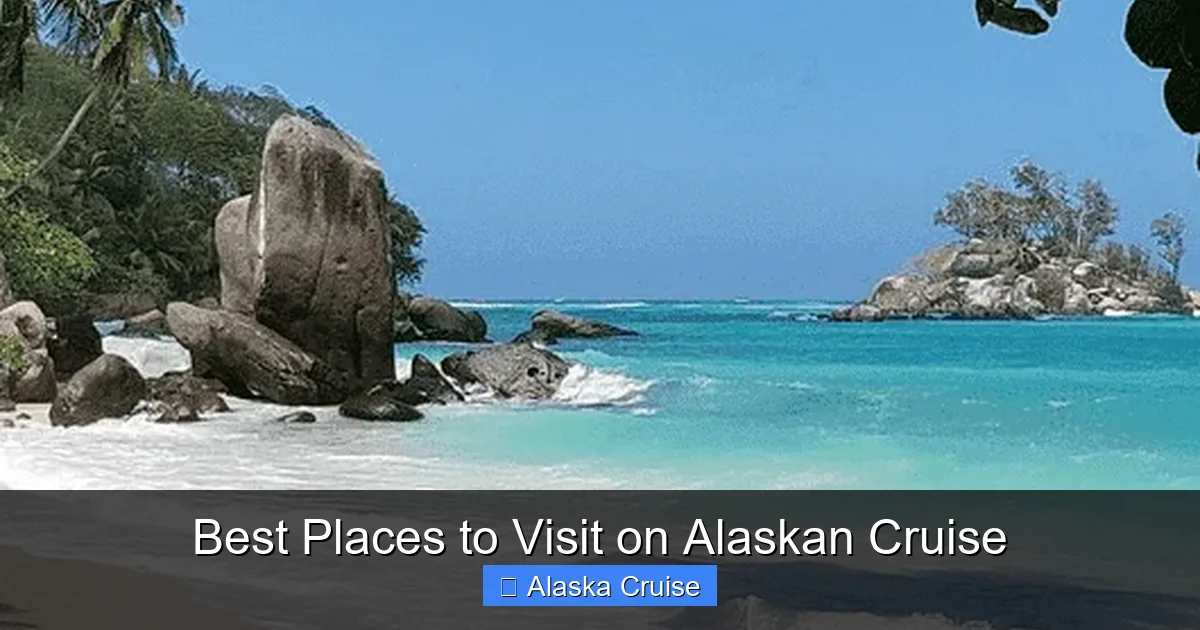
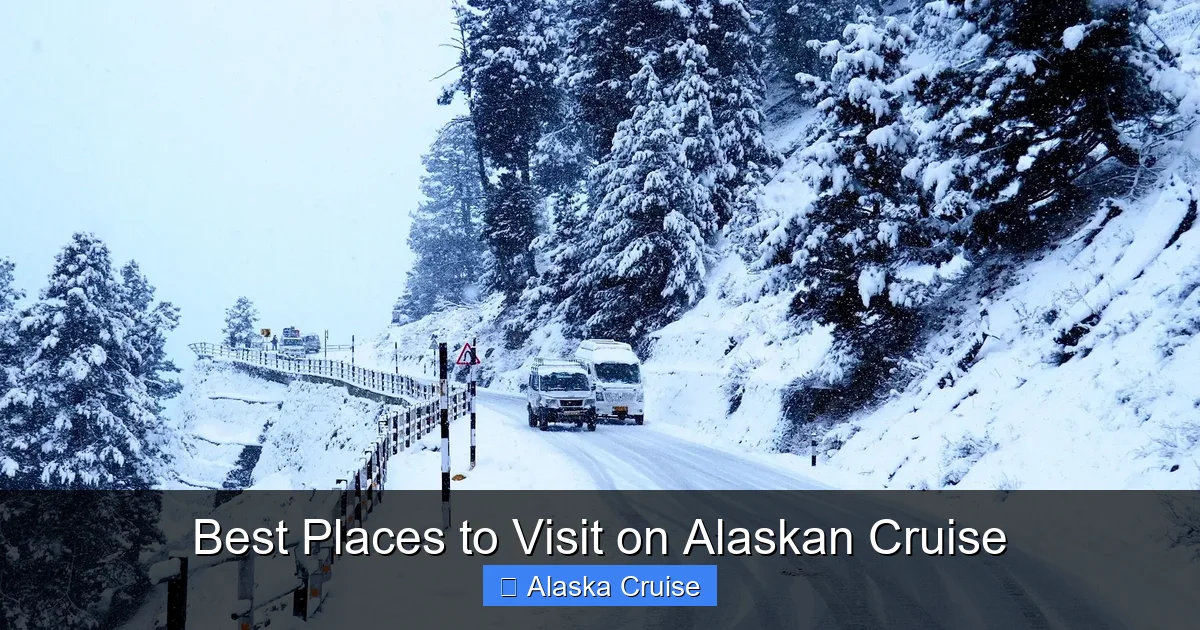
Juneau, Alaska’s capital city, is one of the most popular stops on any Alaskan cruise itinerary. Unlike most state capitals, Juneau is not accessible by road—only by boat or plane. This isolation has preserved its rugged charm and natural beauty, making it a must-visit destination for travelers seeking both adventure and culture.
Visual guide about Best Places to Visit on Alaskan Cruise
Image source: i0.wp.com
Explore the Mendenhall Glacier
One of Juneau’s most iconic attractions is the Mendenhall Glacier, a 13-mile-long river of ice located just 12 miles from downtown. This glacier is one of the few in Alaska that visitors can access easily, thanks to the well-maintained trails and viewing platforms at the Mendenhall Glacier Visitor Center.
Walking the trails around the glacier offers stunning views of the ice field, turquoise meltwater lakes, and surrounding peaks. The Nugget Falls trail leads to a dramatic waterfall that cascades down a cliff face near the glacier’s edge. For a more immersive experience, consider a guided glacier hike or a kayak tour that takes you across the lake right up to the glacier’s face.
Whale Watching in Auke Bay
Juneau is one of the best places in the world to see humpback whales. From May through September, these majestic creatures migrate to Alaskan waters to feed on herring and krill. Whale-watching tours depart daily from Auke Bay, just a short drive from the cruise terminal.
Most tours last 3 to 4 hours and include naturalist guides who explain whale behavior and the local ecosystem. In addition to humpbacks, you might spot orcas, sea lions, porpoises, and bald eagles. Bring binoculars and a waterproof jacket—even on sunny days, the ocean breeze can be brisk.
Downtown Juneau and Cultural Sites
After your outdoor adventures, take time to explore downtown Juneau. Stroll along the waterfront, browse local art galleries, and sample fresh seafood at restaurants like The Hangar on the Wharf. Don’t miss the Alaska State Museum, which offers fascinating exhibits on Native Alaskan cultures, gold rush history, and natural science.
For a taste of local flavor, visit the Red Dog Saloon, a historic bar that has hosted everyone from miners to Hollywood stars. Live music and Alaskan brews make it a fun stop, even if you’re not a big drinker.
Practical Tips for Visiting Juneau
- Book whale-watching and glacier tours in advance, especially during peak season (June–August).
- Wear layers—weather can change quickly, and rain is common.
- Use the free shuttle from the cruise terminal to downtown or rent a car for more flexibility.
- Try the local specialty: fresh king crab or salmon chowder.
Ketchikan: Gateway to the Tongass Rainforest
Known as the “Salmon Capital of the World,” Ketchikan is a vibrant port town nestled in the heart of the Tongass National Forest—the largest national forest in the United States. With its colorful waterfront buildings, totem poles, and lush greenery, Ketchikan offers a unique blend of natural beauty and cultural heritage.
Native Alaskan Culture and Totem Pole Parks
Ketchikan is home to the world’s largest collection of standing totem poles, many of which date back over a century. The Totem Bight State Historical Park features restored totems and a traditional clan house, offering insight into the Tlingit, Haida, and Tsimshian cultures.
Another must-visit is the Saxman Native Village, where you can watch master carvers at work and learn about the significance of totem poles in Native Alaskan life. Many cruise lines offer cultural tours that include a traditional dance performance, giving visitors a deeper appreciation of the region’s indigenous heritage.
Rainforest Adventures and Wildlife Viewing
The Tongass Rainforest is a temperate rainforest teeming with life. Guided nature walks take you through moss-covered trees, past rushing streams, and into areas where black bears, bald eagles, and Sitka deer roam freely.
One popular excursion is a floatplane tour over the Misty Fjords National Monument. These dramatic cliffs, carved by ancient glaciers, rise thousands of feet from the water. From the air, you’ll see waterfalls cascading down sheer rock faces and pristine lakes nestled in the wilderness.
Fishing and Outdoor Activities
Ketchikan is a paradise for anglers. Salmon fishing is a major draw, with opportunities to catch king, silver, and pink salmon depending on the season. Many visitors book half-day or full-day fishing charters, often catching enough fish for a fresh meal back on the ship.
If fishing isn’t your thing, consider a kayaking trip through the calm waters of Tongass Narrows. Paddling among sea lions and otters offers a peaceful way to experience the coastline. For a more thrilling adventure, try a zipline tour through the rainforest canopy.
Tips for Exploring Ketchikan
- Visit the Southeast Alaska Discovery Center for interactive exhibits on local ecology and culture.
- Try the famous “Ketchikan Coconut” ice cream at one of the local shops.
- Bring rain gear—Ketchikan is one of the rainiest cities in the U.S.
- Book floatplane tours early, as weather can cause cancellations.
Skagway: A Step Back into the Gold Rush Era
Skagway may be small, but it packs a big historical punch. This former boomtown was the gateway for thousands of prospectors heading to the Klondike Gold Rush in the late 1800s. Today, Skagway preserves its wild west charm with wooden boardwalks, historic saloons, and costumed interpreters who bring the past to life.
The White Pass & Yukon Route Railway
One of the most iconic experiences in Skagway is riding the White Pass & Yukon Route Railway. This narrow-gauge railroad was built in 1898 to transport gold seekers over the rugged Coast Mountains. The journey climbs nearly 3,000 feet in just 20 miles, offering breathtaking views of waterfalls, gorges, and snow-covered peaks.
The train ride takes about 3 hours round-trip and includes a stop at the summit, where you can walk across the “Gateway to the Klondike.” On clear days, you can see all the way to the Canadian border. The train cars are open-air, so dress warmly and bring a camera—this is one of the most scenic train rides in North America.
Historic Downtown and Gold Rush Sites
Skagway’s downtown is a National Historic Landmark, with over 90 preserved buildings from the gold rush era. Walk the same streets that stampeders once trod, and visit sites like the Red Onion Saloon, which was once a bordello and now serves as a museum and bar.
The Klondike Gold Rush National Historical Park offers free ranger-led tours and exhibits that tell the stories of the brave (and often ill-fated) prospectors. Don’t miss the Moore House, one of the oldest buildings in Skagway, or the Trail of ’98 Museum, which displays artifacts from the gold rush.
Hiking and Outdoor Adventures
For those who love the outdoors, Skagway offers excellent hiking opportunities. The Dewey Lake Trail is a moderate 3-mile loop that rewards hikers with panoramic views of the town and surrounding mountains. More adventurous travelers can tackle the Chilkoot Trail, the same route used by gold seekers over a century ago.
Other activities include gold panning, where you can try your hand at finding real gold flakes, and dog sledding demonstrations that showcase the role of sled dogs in Alaskan history.
Tips for Visiting Skagway
- Book the White Pass Railway in advance—it’s a popular excursion that fills up quickly.
- Wear comfortable walking shoes and layers, as temperatures can vary.
- Try the local specialty: sourdough pancakes at the Skagway Fish Company.
- Check the cruise line’s excursion schedule—some activities are only available on certain days.
Glacier Bay National Park: A UNESCO World Heritage Wonder
Glacier Bay National Park is one of the most awe-inspiring stops on an Alaskan cruise. This UNESCO World Heritage Site spans over 3.3 million acres and is home to some of the most active glaciers in the world. Unlike other ports, Glacier Bay is not a town—it’s a protected wilderness area where ships slow down to allow passengers to witness the raw power of nature.
Witnessing Glacier Calving
One of the most unforgettable experiences in Glacier Bay is watching a glacier calve. This is when a massive chunk of ice breaks off and crashes into the water, creating a thunderous splash that can be heard from miles away. Margerie Glacier and Grand Pacific Glacier are two of the most active and accessible glaciers in the park.
Naturalist guides on board the ship provide commentary about the geology, wildlife, and history of the area. They explain how glaciers form, how they’ve shaped the landscape, and how climate change is affecting them today. Many passengers describe the experience as both humbling and exhilarating.
Wildlife Encounters
Glacier Bay is a haven for wildlife. Keep your eyes peeled for humpback whales, orcas, sea otters, and harbor seals. On land, brown bears and mountain goats can often be spotted along the shorelines. Bald eagles soar overhead, and the waters are rich with salmon, attracting both fish and predators.
The park’s pristine waters and protected status make it one of the best places in Alaska to see animals in their natural habitat. Binoculars are a must, and many ships offer spotting scopes on the decks.
Conservation and Visitor Experience
Because Glacier Bay is a national park, cruise ships are limited in how long they can stay and how close they can get to the glaciers. This ensures minimal environmental impact and preserves the area’s natural beauty for future generations.
Passengers are encouraged to respect the park’s rules, such as staying quiet during wildlife sightings and not throwing anything overboard. The experience is designed to be educational and respectful, emphasizing the importance of conservation.
Tips for Enjoying Glacier Bay
- Dress warmly—even in summer, it can be chilly on the water.
- Bring a camera with a zoom lens for wildlife and glacier photos.
- Listen to the naturalist talks—they provide fascinating insights.
- Be patient—wildlife sightings are never guaranteed, but the scenery alone is worth it.
Hubbard Glacier: The Largest Tidewater Glacier
Hubbard Glacier is one of the main highlights of many Alaskan cruise itineraries. At over 7 miles wide and 700 feet tall, it’s one of the largest tidewater glaciers in North America. Located near Yakutat Bay, Hubbard Glacier is a slow-moving river of ice that advances about 12 feet per day—faster than most glaciers.
The Drama of Calving Ice
One of the most dramatic moments on a cruise is when the ship approaches Hubbard Glacier and stops to allow passengers to witness calving. The glacier’s face is constantly shifting, and large icebergs frequently break off and float into the bay. The sound is like thunder, and the sight is unforgettable.
Unlike Glacier Bay, where ships must maintain distance, Hubbard Glacier allows closer viewing, making the experience even more intense. The ice is a stunning blue color, created by centuries of compressed snow and trapped air bubbles.
Wildlife and Scenic Views
The waters around Hubbard Glacier are rich in marine life. Seals often rest on floating icebergs, and whales can be seen feeding in the nutrient-rich waters. The surrounding mountains and forests add to the dramatic scenery, creating a truly cinematic experience.
Tips for Viewing Hubbard Glacier
- Stay on deck early in the morning for the best light and fewer crowds.
- Bring a jacket—the glacier creates its own microclimate and can be very cold.
- Use the ship’s telescopes or binoculars for a closer look.
- Be respectful of the environment—this is a fragile ecosystem.
College Fjord: A Hidden Gem of Glacial Beauty
College Fjord is a lesser-known but equally stunning destination on many Alaskan cruises. Located in Prince William Sound, this fjord is named after the Ivy League colleges whose alumni funded its exploration in the early 1900s. It’s home to over a dozen tidewater glaciers, many of which are named after prestigious universities.
Glacier Viewing in a Quiet Setting
Unlike the more crowded ports, College Fjord offers a peaceful and intimate experience. Ships glide slowly through the narrow fjord, allowing passengers to get close to glaciers like Harvard, Yale, and Smith. The reflections of the ice in the calm waters create a mirror-like effect that’s perfect for photography.
Wildlife and Scenic Tranquility
The fjord is home to sea otters, sea lions, and a variety of seabirds. The surrounding mountains are often snow-covered, even in summer, adding to the dramatic beauty. The lack of development means the area feels truly untouched.
Tips for Enjoying College Fjord
- Bring a camera with a good zoom lens.
- Stay on deck—this is one of the most scenic parts of the cruise.
- Enjoy the silence and natural beauty—it’s a rare moment of peace.
Conclusion
An Alaskan cruise is more than just a vacation—it’s a journey into one of the world’s last great wildernesses. From the historic charm of Skagway to the icy grandeur of Glacier Bay, each destination offers something unique and unforgettable. Whether you’re marveling at a calving glacier, spotting a humpback whale, or walking through a gold rush town, the memories you make will last a lifetime.
With so many incredible places to visit on an Alaskan cruise, it’s easy to see why this destination remains a top choice for travelers seeking adventure, beauty, and wonder. Plan ahead, pack wisely, and get ready to experience the magic of Alaska.
Frequently Asked Questions
What is the best time to take an Alaskan cruise?
The best time for an Alaskan cruise is from May to September. During these months, the weather is milder, wildlife is active, and daylight hours are long. Peak season is June through August, offering the warmest temperatures and most stable weather.
Do I need to book shore excursions in advance?
Yes, it’s highly recommended to book popular excursions like whale watching, glacier hikes, and train rides in advance. These activities often sell out, especially during peak season.
What should I pack for an Alaskan cruise?
Pack layers, including a waterproof jacket, warm sweaters, and comfortable walking shoes. Don’t forget binoculars, a camera, sunscreen, and motion sickness medication. Even in summer, temperatures can be cool, especially on the water.
Can I see whales on an Alaskan cruise?
Yes, whale watching is one of the top experiences on an Alaskan cruise. Humpback whales, orcas, and gray whales are commonly spotted, especially near Juneau, Ketchikan, and Glacier Bay.
Are Alaskan cruises suitable for families?
Absolutely. Many cruise lines offer family-friendly activities, kids’ clubs, and educational programs. Shore excursions can be tailored to different ages, making it a great trip for all generations.
How long do Alaskan cruises typically last?
Most Alaskan cruises last 7 to 10 days, with some extended itineraries lasting up to 14 days. Round-trip cruises often depart from Seattle or Vancouver, while one-way cruises may start or end in Seward or Whittier.