Alaska cruises offer some of the most breathtaking scenery and wildlife encounters in the world. From towering glaciers and misty fjords to charming coastal towns and abundant marine life, the best places to visit in Alaska on a cruise promise unforgettable experiences above and beyond typical vacations.
Key Takeaways
- Glacier Bay National Park: A UNESCO World Heritage Site with massive tidewater glaciers and diverse wildlife, best viewed from the ship’s deck.
- Juneau: Alaska’s capital, accessible only by air or sea, offering glacier tours, whale watching, and rich Tlingit culture.
- Ketchikan: Known as the “Salmon Capital of the World,” it’s a gateway to Native American heritage and lush rainforest hikes.
- Skagway: A historic Gold Rush town with scenic train rides, hiking trails, and preserved 19th-century charm.
- Hubbard Glacier: One of the largest glaciers in North America, often calving icebergs directly into the sea.
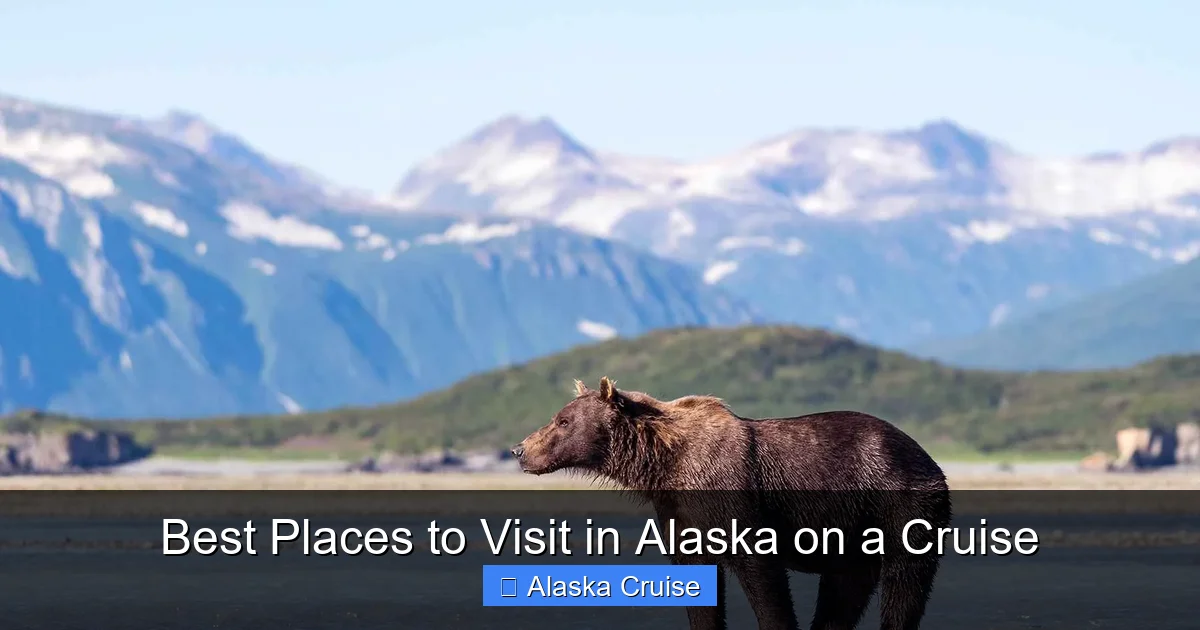
- Wildlife Viewing: Expect to see whales, sea lions, bald eagles, and bears in their natural habitats.
- Cruise Timing Matters: May to September offers the best weather, longer daylight, and peak wildlife activity.
📑 Table of Contents
- Why Alaska Cruises Are a Must-Do Adventure
- Glacier Bay National Park: A Natural Wonder on the Water
- Juneau: Alaska’s Capital with Wild Heart
- Ketchikan: The Salmon Capital of the World
- Skagway: A Step Back in Time to the Gold Rush
- Hubbard Glacier: Ice Giants of the North
- Other Notable Stops and Hidden Gems
- Tips for Making the Most of Your Alaska Cruise
- Conclusion: An Unforgettable Journey Through Alaska’s Wild Beauty
Why Alaska Cruises Are a Must-Do Adventure
Imagine sailing through narrow fjords where towering cliffs rise from icy waters, glaciers calve with thunderous cracks, and humpback whales breach just feet from your ship. This isn’t a dream—it’s the reality of an Alaska cruise. Few travel experiences can match the raw beauty and sense of wonder that Alaska delivers, especially when explored by sea. Whether you’re a nature lover, history buff, or simply in need of a break from the ordinary, cruising Alaska offers a front-row seat to some of the planet’s most dramatic landscapes.
Unlike land-based tours, a cruise allows you to visit multiple remote destinations without the hassle of constant packing and unpacking. You wake up in a new port each morning, often surrounded by snow-capped mountains, lush forests, and sparkling waters. Most Alaska cruises depart from Seattle or Vancouver and travel north through the Inside Passage, a protected waterway teeming with natural wonders. Along the way, you’ll stop at iconic ports, witness wildlife in its natural habitat, and experience the unique culture of Alaska’s coastal communities. It’s no surprise that Alaska consistently ranks as one of the top cruise destinations in the world.
Glacier Bay National Park: A Natural Wonder on the Water
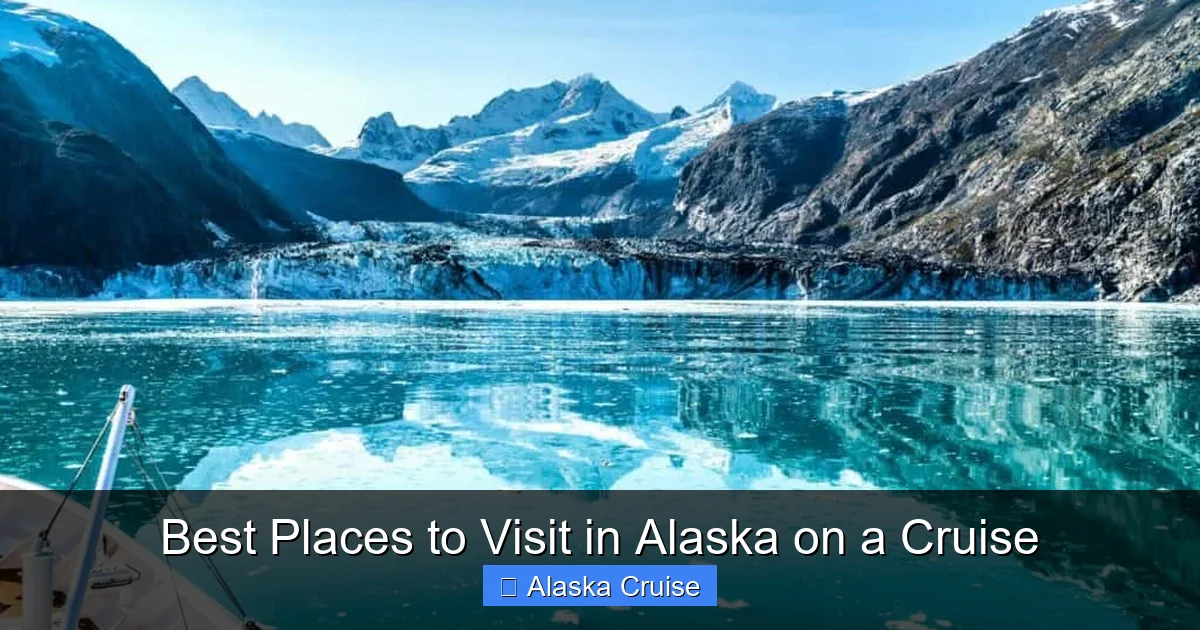
One of the crown jewels of any Alaska cruise is a visit to Glacier Bay National Park. This UNESCO World Heritage Site spans over 3.3 million acres and is home to some of the most active glaciers in North America. As your ship glides through the bay, you’ll be surrounded by towering ice walls, deep blue waters, and the occasional thunderous splash as chunks of ice break off—a process known as calving.
Visual guide about Best Places to Visit in Alaska on a Cruise
Image source: wondrousdrifter.com
What Makes Glacier Bay Special
Glacier Bay is not just visually stunning—it’s also a living laboratory for scientists studying climate change and glacial retreat. The park is home to over a dozen tidewater glaciers, including the famous Margerie and Lamplugh Glaciers. These glaciers can be hundreds of feet high and stretch for miles, creating a dramatic backdrop that feels almost otherworldly. The park is also a sanctuary for wildlife, including harbor seals, sea otters, and a variety of seabirds.
Wildlife Encounters in the Bay
Keep your camera ready as you cruise through Glacier Bay. Harbor seals often rest on floating icebergs, while bald eagles soar above, scanning for fish. If you’re lucky, you might spot a black bear or moose along the shoreline. The waters are also rich with marine life, including humpback whales and orcas. Many cruise lines offer naturalist-led commentary during the transit, helping you identify wildlife and understand the park’s ecological significance.
Tips for Enjoying Glacier Bay
- Dress in layers: Even in summer, it can be chilly on deck. Bring a waterproof jacket, gloves, and a hat.
- Bring binoculars: They’ll help you spot wildlife and get a closer look at distant glaciers.
- Stay on deck: This is one of the most scenic parts of the cruise, so don’t miss it by staying in your cabin.
- Be patient: Wildlife sightings aren’t guaranteed, but the anticipation makes the experience even more thrilling.
Juneau: Alaska’s Capital with Wild Heart
Nestled between the Gastineau Channel and the towering peaks of the Coast Mountains, Juneau is unlike any other state capital in the U.S.—it’s only accessible by boat or plane, which adds to its remote, adventurous charm. As your ship docks, you’ll be greeted by a mix of colorful buildings, historic sites, and stunning natural beauty.
Mendenhall Glacier: A Must-See Attraction
No visit to Juneau is complete without a trip to the Mendenhall Glacier. Located just 12 miles from downtown, this 13-mile-long glacier is one of the most accessible in Alaska. Visitors can walk along well-maintained trails that lead to viewing platforms overlooking the ice and the glacier-fed Mendenhall Lake. The area is also home to the Nugget Falls, a powerful waterfall that cascades down a rocky cliff near the glacier’s face.
Whale Watching in the Gastineau Channel
Juneau is one of the best places in Alaska to see humpback whales. From May through September, these majestic creatures migrate to the nutrient-rich waters of the Gastineau Channel to feed. Many local tour operators offer whale-watching excursions that take you out on small boats for an up-close encounter. It’s not uncommon to see whales breaching, slapping their tails, or even swimming alongside the boat. Some tours also include sightings of sea lions, porpoises, and bald eagles.
Exploring Juneau’s Culture and History
Juneau has a rich cultural heritage rooted in both Native Alaskan traditions and the Gold Rush era. Visit the Alaska State Museum to learn about the region’s history, art, and indigenous peoples. The Tlingit and Haida tribes have lived in the area for thousands of years, and their influence is still evident in local art, totem poles, and cultural events. Don’t miss the opportunity to try fresh seafood—Juneau is famous for its king crab, salmon, and Dungeness crab.
Practical Tips for Visiting Juneau
- Book excursions in advance: Popular tours like whale watching and glacier hikes can fill up quickly.
- Wear comfortable shoes: Many attractions involve walking on uneven terrain.
- Bring cash: Some small shops and food vendors may not accept credit cards.
- Check the weather: Juneau is known for its rain, so pack a raincoat and waterproof footwear.
Ketchikan: The Salmon Capital of the World
Known as the “Salmon Capital of the World,” Ketchikan is a vibrant port town set against a backdrop of lush rainforest and rugged coastline. It’s one of the first stops on many Alaska cruises, and it sets the tone for the natural beauty and cultural richness that awaits further north.
Native American Heritage and Totem Poles
Ketchikan is deeply connected to the indigenous cultures of the Tlingit, Haida, and Tsimshian peoples. The town is home to the world’s largest collection of standing totem poles, many of which are housed at the Totem Heritage Center and Saxman Totem Park. These intricately carved poles tell stories of family lineage, legends, and spiritual beliefs. Guided tours provide fascinating insights into the symbolism and craftsmanship behind each pole.
Rainforest Adventures and Wildlife
Just outside Ketchikan lies the Tongass National Forest, the largest national forest in the United States. This temperate rainforest is home to towering Sitka spruce, moss-covered trees, and a variety of wildlife, including black bears, deer, and bald eagles. Many visitors take a guided rainforest hike or a scenic floatplane tour to explore the area’s natural beauty. The Misty Fjords National Monument, located nearby, offers dramatic views of waterfalls, cliffs, and glacial valleys.
Fishing and Fresh Seafood
As the Salmon Capital of the World, Ketchikan offers some of the best fishing opportunities in Alaska. Whether you’re a seasoned angler or a beginner, you can join a guided fishing charter to try your hand at catching salmon, halibut, or trout. Even if you don’t fish, you can sample the freshest seafood at local restaurants. Try the grilled salmon, crab cakes, or a bowl of clam chowder—all made with locally sourced ingredients.
Tips for Enjoying Ketchikan
- Visit the Creek Street boardwalk: This historic district is built over Ketchikan Creek and offers shops, galleries, and restaurants.
- Take a cultural tour: Learn about Native Alaskan traditions through dance performances, storytelling, and craft demonstrations.
- Bring insect repellent: Mosquitoes can be abundant in the rainforest, especially in summer.
- Respect wildlife: Keep a safe distance from bears and other animals, and follow park guidelines.
Skagway: A Step Back in Time to the Gold Rush
Stepping off the ship in Skagway feels like traveling back to the late 1800s. This small town was once the bustling gateway to the Klondike Gold Rush, and today it retains much of its historic charm with wooden sidewalks, false-front buildings, and costumed interpreters.
The White Pass and Yukon Route Railway
One of the most popular activities in Skagway is riding the White Pass and Yukon Route Railway. This narrow-gauge railroad was built in 1898 to transport prospectors and supplies to the goldfields of the Yukon. The journey takes you through steep mountain passes, over towering trestles, and past cascading waterfalls. The views are spectacular, and the history is fascinating—many of the original locomotives and cars are still in use today.
Hiking and Outdoor Adventures
Skagway is a hiker’s paradise, with trails ranging from easy walks to challenging mountain climbs. The Dewey Lake Trail offers a moderate hike with panoramic views of the town and surrounding mountains. For a more adventurous experience, try the Chilkoot Trail, a historic route used by gold seekers during the Klondike Rush. Guided tours are available for those who want to learn more about the trail’s history and natural features.
Gold Rush History and Museums
Skagway is rich in Gold Rush history, and there are several museums and historic sites to explore. The Skagway Museum features exhibits on the town’s mining past, including artifacts, photographs, and personal stories. The Days of ’98 Show is a fun and entertaining performance that reenacts the era with music, comedy, and historical anecdotes.
Tips for Visiting Skagway
- Wear sturdy shoes: Many attractions involve walking on uneven or rocky terrain.
- Book the railway in advance: It’s one of the most popular excursions and can sell out.
- Bring a jacket: Even in summer, it can be cool in the mountains.
- Try the local cuisine: Skagway has several cafes and restaurants serving hearty meals inspired by Gold Rush days.
Hubbard Glacier: Ice Giants of the North
As your cruise continues north, you’ll reach one of the most awe-inspiring sights in Alaska—the Hubbard Glacier. At over 700 feet high and seven miles wide, it’s one of the largest tidewater glaciers in North America. The glacier extends for over 76 miles from its source in the Yukon Territory to its terminus in Disenchantment Bay.
Witnessing the Power of Calving
One of the most thrilling experiences on an Alaska cruise is watching a glacier calve. This occurs when large chunks of ice break off the glacier’s face and crash into the water, creating massive waves and thunderous sounds. Hubbard Glacier is particularly active, and calving events can happen several times a day. The sight and sound are unforgettable—a reminder of the raw power of nature.
Wildlife Around the Glacier
The waters around Hubbard Glacier are rich with marine life. Harbor seals often rest on floating icebergs, while sea lions can be seen lounging on rocky outcrops. The area is also a feeding ground for humpback whales and orcas. Keep an eye out for bald eagles perched on nearby trees, scanning the water for fish.
Tips for Viewing Hubbard Glacier
- Stay on deck: This is one of the most scenic parts of the cruise, so don’t miss it.
- Bring a zoom lens: A good camera with a telephoto lens will help you capture the details of the ice.
- Dress warmly: The glacier emits cold air, so even on a sunny day, it can feel chilly.
- Listen for calving: The sound can travel far, so you might hear it before you see it.
Other Notable Stops and Hidden Gems
While the major ports get most of the attention, Alaska cruises often include stops at smaller, lesser-known destinations that offer unique experiences.
Icy Strait Point: A Native-Owned Adventure Hub
Located near Hoonah, Icy Strait Point is a Native-owned resort that offers a mix of adventure and culture. Visitors can ride the world’s largest zip line, go bear viewing in the nearby forest, or learn about Tlingit traditions through dance and storytelling. The area is also a great spot for fishing and kayaking.
Seward and Kenai Fjords: Gateway to the Fjords
Some cruises extend to Seward, a port town at the head of Resurrection Bay. From here, you can take a day trip into Kenai Fjords National Park, where you’ll see glaciers, fjords, and abundant wildlife. Boat tours often include sightings of sea otters, puffins, and even whales.
Prince William Sound: A Wilderness Paradise
Though less commonly visited, Prince William Sound offers some of the most pristine wilderness in Alaska. The area is home to glaciers, waterfalls, and a variety of marine life. Some cruise lines offer special itineraries that include a day in this remote and beautiful region.
Tips for Making the Most of Your Alaska Cruise
To ensure you have the best possible experience, here are some practical tips for planning and enjoying your Alaska cruise.
Choose the Right Time to Go
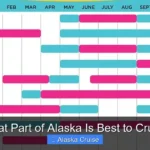
The Alaska cruise season runs from May to September. July and August are the most popular months, with the warmest weather and longest daylight hours. However, these months are also the busiest. If you prefer fewer crowds and lower prices, consider traveling in May or September. Wildlife is still active, and you may have a more intimate experience.
Pack Smart
Alaska’s weather can be unpredictable, so pack layers, including a waterproof jacket, warm sweater, and sturdy shoes. Don’t forget sunscreen, sunglasses, and a hat—even on cloudy days, the sun can be strong. Binoculars and a good camera are also essential for wildlife and scenery.
Book Shore Excursions Early
Popular tours like whale watching, glacier hikes, and train rides can fill up quickly. Book your excursions as soon as possible, either through your cruise line or a reputable local operator. This ensures you get the activities you want at the best price.
Respect the Environment
Alaska’s ecosystems are fragile. Follow Leave No Trace principles, stay on marked trails, and never feed or approach wildlife. Support local businesses and cultural sites to help preserve the region’s heritage.
Conclusion: An Unforgettable Journey Through Alaska’s Wild Beauty
An Alaska cruise is more than just a vacation—it’s a journey into one of the last great wildernesses on Earth. From the icy grandeur of Glacier Bay and Hubbard Glacier to the charming towns of Juneau, Ketchikan, and Skagway, the best places to visit in Alaska on a cruise offer a perfect blend of natural wonder, adventure, and cultural discovery. Whether you’re watching a glacier calve, spotting a humpback whale, or learning about Native Alaskan traditions, every moment is filled with awe and inspiration.
With careful planning and an open mind, your Alaska cruise will be an experience you’ll treasure for a lifetime. So pack your bags, bring your sense of adventure, and get ready to explore the Last Frontier from the comfort of a cruise ship. The wild beauty of Alaska is waiting.
Frequently Asked Questions
What is the best time of year to take an Alaska cruise?
The best time to take an Alaska cruise is from May to September. July and August offer the warmest weather and longest days, but May and September provide fewer crowds and lower prices while still offering great wildlife viewing.
Do I need a passport for an Alaska cruise?
If your cruise departs and returns to the same U.S. port (like Seattle), a passport is not required, but it’s highly recommended. If your cruise visits Canadian ports or departs from Canada, a passport is mandatory.
Can I see whales on an Alaska cruise?
Yes, whale watching is one of the top experiences on an Alaska cruise. Humpback whales, orcas, and gray whales are commonly seen, especially near Juneau, Icy Strait Point, and Glacier Bay.
Are Alaska cruises family-friendly?
Absolutely. Many cruise lines offer kids’ clubs, family-friendly excursions, and educational programs. Activities like wildlife viewing, train rides, and cultural shows appeal to all ages.
How much should I budget for shore excursions?
Shore excursions typically range from $50 to $200 per person, depending on the activity. Popular tours like whale watching, glacier hikes, and train rides tend to be on the higher end.
What should I wear on an Alaska cruise?
Dress in layers, including a waterproof jacket, warm sweater, and comfortable walking shoes. Even in summer, temperatures can vary widely, especially on deck near glaciers.