An Alaska cruise offers some of the most breathtaking scenery and wildlife encounters in the world. From towering glaciers and lush rainforests to charming coastal towns and abundant marine life, this journey is a bucket-list experience. Whether you’re sailing through Glacier Bay or spotting whales near Ketchikan, every port delivers unforgettable moments.
Dreaming of icy fjords, towering glaciers, and wild coastlines? An Alaska cruise might just be the adventure you’ve been waiting for. With its dramatic landscapes and rich cultural history, Alaska offers a unique blend of natural beauty and frontier spirit. Whether you’re a nature lover, history buff, or just in need of a scenic escape, cruising through Alaska delivers unforgettable experiences at every turn.
Unlike typical beach vacations, an Alaska cruise immerses you in raw, untamed wilderness. You’ll sail past snow-capped mountains, through narrow channels teeming with marine life, and into ports that feel like stepping back in time. Each day brings something new—whether it’s a whale breaching beside your ship or a glacier calving into the sea with a thunderous roar. It’s not just a trip; it’s a journey into one of the last great frontiers on Earth.
Key Takeaways
- Glacier Bay National Park: A UNESCO World Heritage Site with massive glaciers, calving ice, and diverse wildlife—best viewed from a small ship or guided tour.
- Juneau: Alaska’s capital, accessible only by boat or plane, offers glacier hikes, whale watching, and the famous Mendenhall Glacier.
- Ketchikan: Known as the “Salmon Capital of the World,” this port features Native culture, totem poles, and scenic rainforest trails.
- Skagway: A historic Gold Rush town with preserved buildings, the scenic White Pass & Yukon Route Railway, and outdoor adventures.
- Hubbard Glacier: One of the largest tidewater glaciers in North America, offering dramatic calving events and stunning photo opportunities.
- Wildlife Viewing: Alaska cruises offer chances to see humpback whales, orcas, sea otters, bears, and bald eagles in their natural habitat.
- Best Time to Cruise: May through September offers mild weather, long daylight hours, and peak wildlife activity.
📑 Table of Contents
Why Choose an Alaska Cruise?
An Alaska cruise is more than just a vacation—it’s a front-row seat to some of the planet’s most awe-inspiring natural wonders. Unlike overland tours, a cruise allows you to cover vast distances while enjoying the comfort of your floating hotel. You wake up in a new location each morning, often surrounded by pristine wilderness, without the hassle of constant packing and unpacking.
One of the biggest advantages of cruising is access. Many of Alaska’s most spectacular sights, like Glacier Bay and Tracy Arm Fjord, are only reachable by boat. Cruise ships are designed to navigate these remote waters safely, offering guided excursions and expert commentary along the way. Plus, you get the added benefit of onboard amenities—dining, entertainment, and relaxation—after a day of exploration.
Another reason travelers love Alaska cruises is the variety. Whether you prefer a luxury liner with fine dining and spa services or a smaller expedition ship focused on adventure, there’s a cruise to match your style. Families, couples, and solo travelers all find something to love, from wildlife tours to cultural experiences in port towns.
Comfort Meets Adventure
Modern cruise ships are equipped with everything you need for a comfortable journey. Think heated pools, fitness centers, live music, and gourmet meals—all while sailing through icy waters. At the end of a long day of hiking or kayaking, there’s nothing better than unwinding with a hot drink on the deck, watching the sun dip below the mountains.
But don’t let the comfort fool you—Alaska cruises are still all about adventure. Most itineraries include shore excursions like dog sledding on a glacier, ziplining through the rainforest, or taking a helicopter tour over a glacier. These experiences add excitement and depth to your trip, making it more than just sightseeing.
Wildlife and Natural Wonders
Alaska is one of the best places in the world to see wildlife in its natural habitat. From the deck of your ship, you might spot humpback whales feeding in the deep channels, sea lions basking on rocky outcrops, or bald eagles soaring above the treetops. Onshore, guided tours increase your chances of seeing bears fishing for salmon, mountain goats climbing cliffs, or moose grazing in meadows.
The state’s national parks and protected areas play a crucial role in preserving this biodiversity. Glacier Bay National Park, for example, is home to over 200 species of birds, marine mammals, and land animals. Cruising through these areas with a naturalist on board enhances your understanding and appreciation of the ecosystem.
Top Ports of Call on an Alaska Cruise
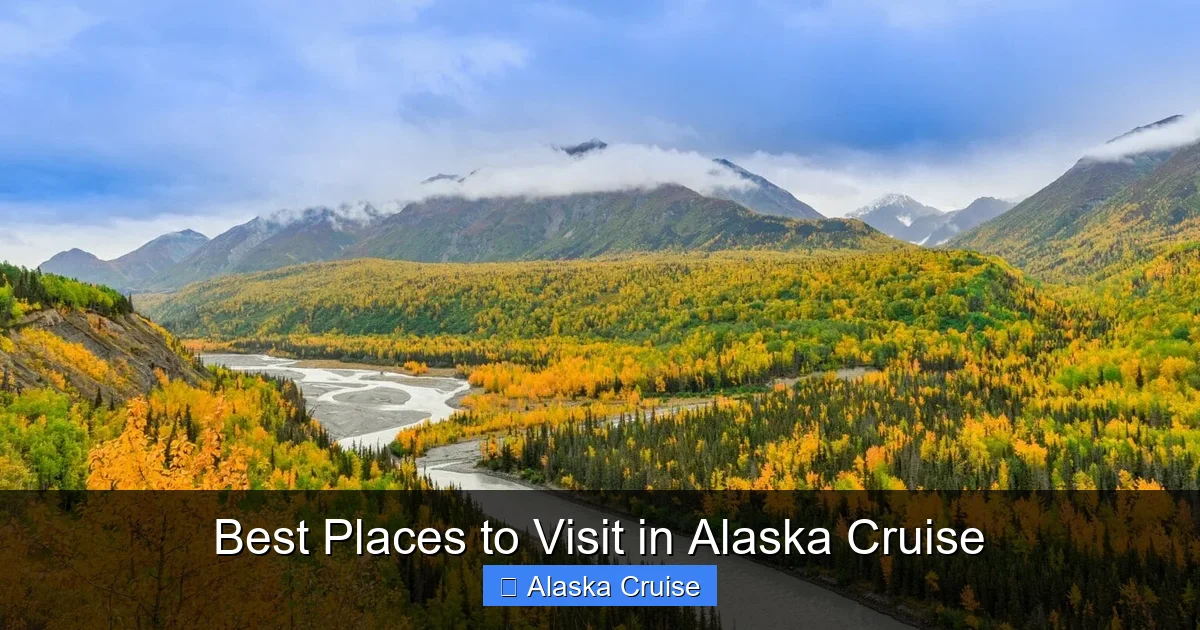
Visual guide about Best Places to Visit in Alaska Cruise
Image source: allamericanatlas.com
Every Alaska cruise itinerary includes a mix of major ports and scenic cruising days. While the exact stops vary by cruise line and route, some destinations consistently rank as must-see highlights. Here are the best places to visit in Alaska cruise, each offering its own unique charm and attractions.
Juneau: The Heart of Alaska’s Capital
Juneau, Alaska’s capital city, is one of the most popular stops on any cruise. What makes it special? For starters, it’s the only state capital in the U.S. that’s not accessible by road—you can only get there by boat or plane. This isolation has preserved its rugged character and natural beauty.
One of Juneau’s biggest draws is the Mendenhall Glacier, a massive river of ice just 12 miles from downtown. Visitors can walk the trails around the glacier, take a guided ice hike, or even kayak in the nearby lake. The glacier is receding due to climate change, so seeing it now is a powerful experience.
Whale watching is another Juneau favorite. Humpback whales are frequently spotted in the surrounding waters, especially during the summer months. Many cruise lines offer whale-watching excursions that include expert guides and high-speed boats for up-close encounters.
Ketchikan: Gateway to the Tongass Rainforest
Known as the “Salmon Capital of the World,” Ketchikan is a vibrant port town nestled in the heart of the Tongass National Forest—the largest temperate rainforest in the world. This lush, green environment is home to towering spruce and cedar trees, cascading waterfalls, and abundant wildlife.
One of Ketchikan’s most famous attractions is Creek Street, a historic boardwalk built over the water in the early 1900s. Once a rowdy district during the salmon boom, it’s now lined with shops, galleries, and restaurants. It’s a great place to grab a bite of fresh seafood or pick up a locally made souvenir.
For culture lovers, Ketchikan offers a deep dive into Native Alaskan heritage. The Totem Heritage Center features original 19th-century totem poles, while the Saxman Native Village offers traditional dance performances and carving demonstrations. These experiences provide insight into the rich traditions of the Tlingit, Haida, and Tsimshian peoples.
Skagway: A Step Back into the Gold Rush Era
If you’ve ever dreamed of the Wild West, Skagway will feel like stepping into a movie. This small town was once the bustling gateway to the Klondike Gold Rush in the late 1800s. Today, its wooden sidewalks, false-front buildings, and historic saloons have been beautifully preserved.
One of the best ways to experience Skagway is by riding the White Pass & Yukon Route Railway. This narrow-gauge railroad climbs over 2,800 feet in just 20 miles, offering breathtaking views of waterfalls, gorges, and mountain peaks. The journey takes you through tunnels and over trestles, following the same route prospectors took over a century ago.
Outdoor enthusiasts will love the hiking and biking trails around Skagway. The Chilkoot Trail, for example, follows the historic route used by gold seekers. While most visitors only hike a portion, it’s a powerful reminder of the challenges faced by those who came before.
Glacier Bay National Park: A UNESCO Treasure
Glacier Bay is one of the crown jewels of the Alaska cruise experience. This UNESCO World Heritage Site spans over 3.3 million acres and is home to some of the most active glaciers in the world. As your ship navigates the bay, you’ll witness massive chunks of ice breaking off—a process known as calving—sending waves crashing and echoing through the fjord.
The park is also a haven for wildlife. You might see harbor seals resting on ice floes, brown bears foraging along the shore, or sea otters floating on their backs. Birdwatchers will delight in spotting puffins, cormorants, and bald eagles.
Because of its ecological significance, Glacier Bay has strict visitor limits. Only two cruise ships are allowed per day, and all vessels must travel with a National Park Service ranger who provides educational commentary. This ensures a low-impact, high-value experience for travelers.
Hubbard Glacier: The Largest Tidewater Glacier
Stretching over 7 miles wide and rising up to 300 feet above the water, Hubbard Glacier is a true natural wonder. Located near the border of Alaska and Canada, it’s one of the largest tidewater glaciers in North America and one of the few that’s still advancing.
Cruise ships typically spend several hours cruising near the glacier, giving passengers ample time to take photos and witness calving events. The sound of ice crashing into the water is unforgettable—some describe it as a thunderclap or even a cannon blast.
While you can’t get too close due to safety and environmental regulations, the views from a distance are still spectacular. Binoculars are recommended for spotting seals and birds on the ice. Some cruise lines also offer helicopter tours that fly over the glacier for a bird’s-eye view.
Scenic Cruising: The Highlights Between Ports
While the ports are the stars of the show, some of the most magical moments on an Alaska cruise happen at sea. Scenic cruising days—when your ship sails through narrow fjords, past towering cliffs, and alongside glaciers—are often the most memorable parts of the trip.
Tracy Arm Fjord: A Narrow Waterway of Ice and Waterfalls
Tracy Arm is a stunning fjord located about 50 miles south of Juneau. Its narrow, winding channel is flanked by 3,000-foot granite walls and dotted with waterfalls that cascade down the cliffs. At the end of the fjord lies the Sawyer Glacier, a twin-lobed glacier that frequently calves into the water.
Because of its remote location and fragile ecosystem, access to Tracy Arm is limited. Only a few cruise ships are allowed each day, and smaller expedition vessels are better suited for navigating the tight passages. If your itinerary includes Tracy Arm, consider booking a smaller ship for a more intimate experience.
College Fjord: A Glacier Gallery
Located near Whittier, College Fjord is named after the Ivy League colleges whose names are given to its many glaciers. On a clear day, you can see over a dozen glaciers spilling down from the mountains, each with its own unique shape and color.
The fjord is particularly striking in the early morning or late afternoon when the low angle of the sun highlights the ice’s blue hues. It’s a photographer’s dream, with reflections in the calm water and dramatic lighting on the surrounding peaks.
Icy Strait Point: Adventure and Culture Combined
Icy Strait Point, near Hoonah, is a private destination developed by the local Tlingit community. It offers a mix of adventure activities and cultural experiences, all in a stunning natural setting.
One of the most popular attractions is the world’s largest zipline, which spans over 5,000 feet and reaches speeds of up to 60 mph. For a more relaxed experience, you can take a guided nature walk, visit a salmon hatchery, or watch a traditional dance performance.
Because Icy Strait Point is owned and operated by Native Alaskans, your visit directly supports the local economy. It’s a great example of sustainable tourism that benefits both visitors and the community.
Wildlife Encounters: What to See and When
One of the biggest draws of an Alaska cruise is the chance to see wildlife up close. From marine mammals to birds and land animals, the state’s diverse ecosystems support an incredible array of species.
Whales: Humpbacks, Orcas, and More
Alaska’s coastal waters are prime feeding grounds for several whale species. Humpback whales are the most commonly seen, known for their acrobatic breaches and haunting songs. Orcas, or killer whales, are also spotted, especially in areas with abundant salmon.
The best time for whale watching is from May to September, when the waters are rich with food. Many cruise lines offer dedicated whale-watching excursions, often with hydrophones so you can listen to their calls.
Bears: Coastal and Glacier Habitats
Both black bears and brown bears (including grizzlies) can be seen in Alaska, particularly in areas with salmon streams. Popular bear-viewing locations include Pack Creek on Admiralty Island and the Katmai National Park area.
Most bear sightings happen on guided tours, where trained naturalists ensure safety and minimize disturbance to the animals. Remember: always view wildlife from a distance and never approach or feed them.
Birds: Eagles, Puffins, and More
Alaska is a birdwatcher’s paradise. Bald eagles are everywhere, often perched in tall trees near the water. Puffins, with their colorful beaks, nest on coastal cliffs and can be seen during summer months.
Other common birds include cormorants, gulls, and sandhill cranes. Bring binoculars and a bird guide to make the most of your sightings.
Practical Tips for Your Alaska Cruise
Planning an Alaska cruise? Here are some tips to help you make the most of your trip.
What to Pack
Alaska’s weather can be unpredictable, even in summer. Pack layers, including a waterproof jacket, warm sweater, and sturdy walking shoes. Don’t forget sunglasses, sunscreen, and a hat—the sun reflects strongly off the water and ice.
Binoculars are essential for wildlife viewing. A camera with a good zoom lens will help you capture distant glaciers and animals.
Choosing the Right Cruise Line
Different cruise lines offer different experiences. Luxury lines like Holland America and Princess focus on comfort and scenic cruising, while expedition ships like those from Lindblad Expeditions or UnCruise Adventures emphasize adventure and small-group excursions.
Consider the size of the ship—smaller vessels can access narrower fjords and offer more personalized service.
Booking Shore Excursions
Shore excursions fill up quickly, especially popular ones like whale watching or glacier hikes. Book early, either through your cruise line or a trusted third-party provider.
Look for excursions led by local guides or naturalists—they often provide deeper insights and better wildlife spotting.
Best Time to Go
The Alaska cruise season runs from May to September. July and August are the warmest and most popular months, but they’re also the busiest. May and September offer fewer crowds and lower prices, with the added bonus of spring wildflowers or fall colors.
Conclusion
An Alaska cruise is more than a vacation—it’s a journey into one of the world’s last great wildernesses. From the towering glaciers of Glacier Bay to the historic streets of Skagway, every stop offers something unforgettable. Whether you’re marveling at a calving glacier, spotting a whale breach, or learning about Native culture in Ketchikan, the experiences are as vast and varied as the landscape itself.
With careful planning and the right expectations, your Alaska cruise can be the adventure of a lifetime. Pack your bags, bring your sense of wonder, and get ready to explore the best places to visit in Alaska cruise.
Frequently Asked Questions
What is the best time of year for an Alaska cruise?
The best time for an Alaska cruise is from May to September. July and August offer the warmest weather and longest daylight hours, while May and September provide fewer crowds and lower prices.
Can you see glaciers on an Alaska cruise?
Yes, glaciers are a major highlight of Alaska cruises. Popular glacier viewing spots include Glacier Bay National Park, Hubbard Glacier, and Tracy Arm Fjord.
Do you need a passport for an Alaska cruise?
It depends on the itinerary. Closed-loop cruises (starting and ending in the same U.S. port) typically don’t require a passport, but it’s recommended to bring one in case of emergencies or unexpected port changes.
What wildlife can you see on an Alaska cruise?
Common wildlife includes humpback whales, orcas, sea otters, bald eagles, bears, and puffins. Sightings vary by location and season.
Are Alaska cruises family-friendly?
Yes, many cruise lines offer family-friendly activities, kids’ clubs, and educational programs. Shore excursions like ziplining and wildlife tours are great for all ages.
How long is a typical Alaska cruise?
Most Alaska cruises last 7 to 10 days, with some extended itineraries lasting up to 14 days. Shorter cruises often focus on the Inside Passage, while longer ones may include the Gulf of Alaska or even a one-way trip to or from Vancouver.