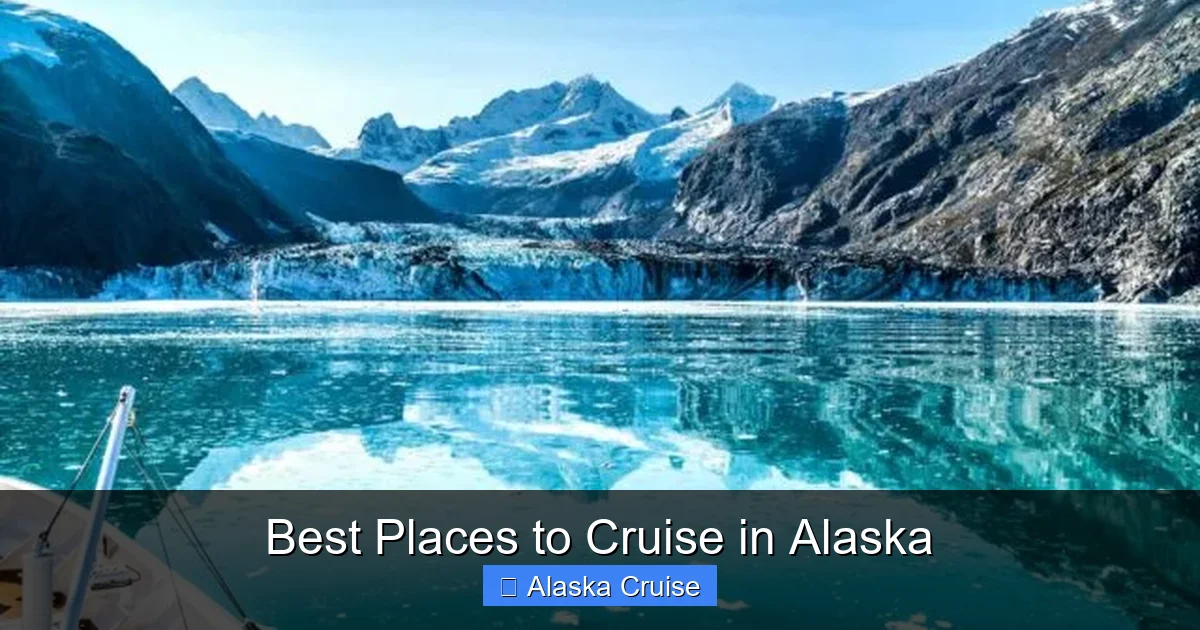
Alaska is a dream destination for cruisers, offering breathtaking glaciers, abundant wildlife, and charming coastal towns. From the icy wonders of Glacier Bay to the vibrant culture of Juneau, the best places to cruise in Alaska promise unforgettable experiences for every traveler.
Key Takeaways
- Glacier Bay National Park: A UNESCO World Heritage Site with massive tidewater glaciers and diverse marine life, best viewed from a small ship or guided tour.
- Juneau: Alaska’s capital city, accessible only by boat or plane, offers whale watching, Mendenhall Glacier, and rich Tlingit culture.
- Ketchikan: Known as the “Salmon Capital of the World,” this rainforest port features totem poles, boardwalks, and scenic rainforest hikes.
- Skagway: A historic Gold Rush town with preserved buildings, the White Pass & Yukon Route Railway, and access to the Klondike region.
- Hubbard Glacier: One of the largest glaciers in North America, often calves icebergs directly into the sea, creating a dramatic spectacle.
- Inside Passage: The scenic coastal route connecting major ports, ideal for spotting whales, sea lions, and bald eagles.
- Best Time to Cruise: Late May to early September offers mild weather, longer days, and peak wildlife activity.
📑 Table of Contents
- Why Alaska Should Be on Every Cruiser’s Bucket List
- Glacier Bay National Park: A Natural Wonder on the Water
- Juneau: The Capital City with Wild Charm
- Ketchikan: The Salmon Capital of the World
- Skagway: A Step Back into the Gold Rush Era
- Hubbard Glacier: A Spectacle of Ice and Power
- The Inside Passage: Alaska’s Scenic Coastal Highway
- Choosing the Right Alaska Cruise for You
- Final Thoughts: Why Alaska Cruises Are Worth It
Why Alaska Should Be on Every Cruiser’s Bucket List
Alaska isn’t just another cruise destination—it’s a journey into the wild heart of North America. Imagine sailing past towering glaciers that crack and thunder as they calve into icy waters, spotting humpback whales breaching just off the ship’s bow, or stepping onto a dock surrounded by lush rainforests and snow-capped peaks. This is Alaska, a place where nature reigns supreme and every turn of the coastline reveals a new wonder.
Unlike tropical cruises filled with sunbathing and poolside cocktails, an Alaska cruise is an adventure. It’s about experiencing raw, untamed beauty and connecting with a landscape that feels both ancient and alive. Whether you’re a nature lover, history buff, or simply someone who craves a break from the ordinary, Alaska delivers. The best places to cruise in Alaska aren’t just ports of call—they’re gateways to some of the most spectacular scenery on Earth.
And the best part? You don’t need to be an extreme adventurer to enjoy it. Modern cruise ships offer comfort and luxury while navigating these remote waters, making Alaska accessible to travelers of all ages and abilities. With expert guides, onboard naturalists, and carefully planned excursions, you can immerse yourself in the Alaskan experience without sacrificing comfort.
Glacier Bay National Park: A Natural Wonder on the Water
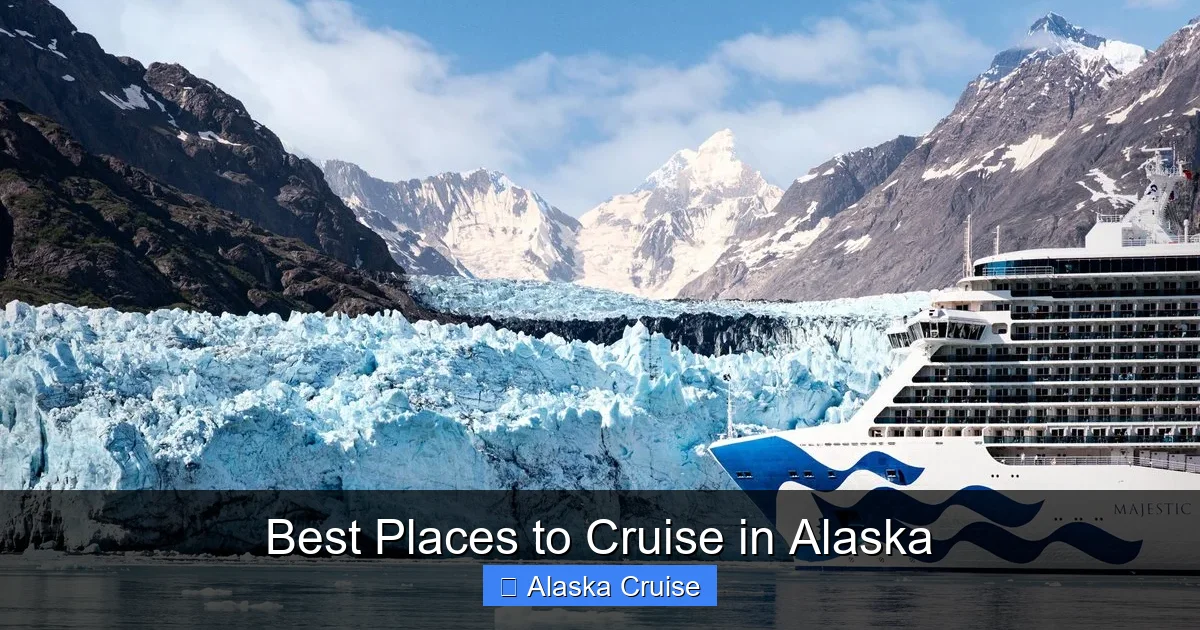
Visual guide about Best Places to Cruise in Alaska
Image source: dynamic-media-cdn.tripadvisor.com
One of the crown jewels of any Alaska cruise is Glacier Bay National Park. This 3.3-million-acre UNESCO World Heritage Site is a living laboratory of glacial activity, where massive rivers of ice carve their way through rugged mountains and into the sea. It’s a place where you can literally hear the earth move—glaciers calving with explosive cracks that echo across the water.
What Makes Glacier Bay So Special?
Glacier Bay is home to over a dozen active tidewater glaciers, including the famous Margerie and Grand Pacific Glaciers. These glaciers can stretch over 200 feet high and stretch for miles inland. As your ship glides through the bay, you’ll witness icebergs of all shapes and sizes floating in the water—some as small as cars, others as large as apartment buildings.
The park is also a hotspot for wildlife. Keep your binoculars ready for sightings of harbor seals lounging on ice floes, brown bears foraging along the shoreline, and bald eagles soaring overhead. Marine life thrives here too—humpback whales, orcas, and sea lions are commonly spotted during the summer months.
Tips for Visiting Glacier Bay
To get the most out of your Glacier Bay experience, consider booking a cruise that includes a park ranger or naturalist on board. These experts provide live commentary, helping you understand the science behind the glaciers and the ecosystem that depends on them.
Also, dress in layers. Even in summer, temperatures on the water can be chilly, especially when the wind picks up near the glaciers. A waterproof jacket, warm hat, and gloves are essential. And don’t forget your camera—this is one of the most photogenic spots on any Alaska itinerary.
Juneau: The Capital City with Wild Charm
Juneau, Alaska’s capital, is a city like no other. Nestled between the Gastineau Channel and towering mountains, it’s the only U.S. state capital that can’t be reached by road—only by boat or plane. This isolation has preserved its rugged character and made it a favorite stop on Alaska cruise routes.
Top Attractions in Juneau
One of Juneau’s most iconic sights is the Mendenhall Glacier, a 13-mile-long river of ice located just 12 miles from downtown. Visitors can walk along well-maintained trails, including the popular Nugget Falls Trail, which offers stunning views of the glacier and a powerful waterfall. For a closer look, consider a guided glacier hike or kayaking tour on Mendenhall Lake.
Whale watching is another must-do in Juneau. The waters around the city are prime feeding grounds for humpback whales, and many cruise lines offer excursions that take you out into the channel for a chance to see these majestic creatures up close. Some tours even include hydrophones so you can hear the whales singing beneath the surface.
Cultural Experiences in Juneau
Juneau is also rich in Native Alaskan culture, particularly that of the Tlingit people. Visit the Alaska State Museum to learn about the region’s history, art, and indigenous heritage. For a more hands-on experience, check out the Juneau-Douglas City Museum or attend a traditional dance performance at the Alaska Native Brotherhood Hall.
Don’t miss a ride on the Mount Roberts Tramway, which whisks you up 1,800 feet to a scenic overlook with panoramic views of the city, channel, and surrounding wilderness. At the top, you’ll find a nature center, gift shop, and even a chance to spot mountain goats on the cliffs.
Ketchikan: The Salmon Capital of the World
If you’re looking for a port that blends natural beauty with cultural depth, Ketchikan is a top contender. Known as the “Salmon Capital of the World,” this rainforest-covered town is famous for its abundant wildlife, historic boardwalks, and vibrant Native Alaskan heritage.
Exploring Ketchikan’s Rainforest
Ketchikan sits at the edge of the Tongass National Forest, the largest national forest in the United States. The area receives over 150 inches of rain annually, creating a lush, green landscape that’s home to towering Sitka spruce, western hemlock, and vibrant mosses.
One of the best ways to experience this rainforest is by taking a guided nature walk or kayaking tour. The Deer Mountain Trail offers a moderate hike with rewarding views of the Tongass Narrows and surrounding islands. For a more relaxed experience, stroll along the Creek Street boardwalk, a historic red-light district turned tourist attraction lined with shops, galleries, and restaurants.
Native Culture and Totem Poles
Ketchikan is also a center for Native Alaskan art and culture. The Totem Heritage Center houses one of the largest collections of original 19th-century totem poles in the world. These intricately carved wooden poles tell stories of clans, legends, and spiritual beliefs.
For a deeper dive, visit the Saxman Native Village, located just a few miles south of town. Here, you can watch master carvers at work, learn about traditional Tlingit and Haida customs, and even take part in a cultural performance.
Wildlife and Fishing
As the salmon capital, Ketchikan offers some of the best fishing opportunities in Alaska. Whether you’re a seasoned angler or a beginner, guided fishing tours are available for salmon, halibut, and trout. Many cruise excursions include a chance to try your hand at catching your own dinner—then have it cooked fresh at a local lodge.
Wildlife enthusiasts will love the chance to spot bald eagles, black bears, and Sitka black-tailed deer. The nearby Misty Fjords National Monument, accessible by floatplane or boat, offers dramatic cliffs, waterfalls, and pristine wilderness that feels worlds away from civilization.
Skagway: A Step Back into the Gold Rush Era
Stepping off the ship in Skagway is like stepping into a living history book. This small town, with its wooden boardwalks and false-front buildings, was once a bustling hub during the Klondike Gold Rush of the late 1800s. Today, it’s a well-preserved reminder of Alaska’s adventurous past.
The White Pass & Yukon Route Railway
One of the most popular attractions in Skagway is the White Pass & Yukon Route Railway. This narrow-gauge railroad was built in 1898 to transport prospectors and supplies over the rugged Coast Mountains to the goldfields of the Yukon. The journey takes you through steep canyons, across towering trestles, and past cascading waterfalls.
The train ride is both scenic and historic, with knowledgeable conductors sharing stories of the hardships faced by early miners. The “Summit” route, which climbs over 2,800 feet in just 20 miles, is particularly breathtaking. On clear days, you can see all the way to the Pacific Ocean.
Historic Downtown Skagway
Downtown Skagway is a National Historic Landmark, with over 70 preserved buildings from the Gold Rush era. Stroll down Broadway Street to see the original saloon, theater, and general store. The Red Onion Saloon, once a brothel, now serves as a museum and restaurant with a cheeky sense of humor.
For a taste of frontier life, visit the Klondike Gold Rush National Historical Park Visitor Center. Exhibits include artifacts, photographs, and interactive displays that bring the era to life. You can even try your hand at panning for gold—many shops offer kits and lessons for visitors.
Outdoor Adventures Near Skagway
Beyond its history, Skagway is a gateway to outdoor adventure. Hiking trails like the Chilkoot Trail—once used by gold seekers—offer challenging but rewarding treks through alpine terrain. For a more leisurely experience, take a scenic boat tour into the Taiya Inlet, where you might spot seals, eagles, and even the occasional whale.
Helicopter tours are also popular, offering aerial views of glaciers, mountains, and remote wilderness areas. Some tours even include a landing on a glacier, where you can walk on ice that’s thousands of years old.
Hubbard Glacier: A Spectacle of Ice and Power
No list of the best places to cruise in Alaska would be complete without Hubbard Glacier. At over 70 miles long and up to 6 miles wide, it’s one of the largest tidewater glaciers in North America. Located at the edge of Yakutat Bay, it’s a dramatic finale for many southbound cruises.
Witnessing the Calving Process
One of the most thrilling aspects of visiting Hubbard Glacier is watching it calve. As the glacier advances into the sea, chunks of ice break off and crash into the water, creating towering icebergs and sending waves rippling across the bay. The sound is thunderous—like a continuous explosion—and the sight is nothing short of awe-inspiring.
Because Hubbard Glacier is still advancing (unlike many glaciers that are retreating), it’s especially active. Ships often anchor near the face of the glacier, allowing passengers to watch the calving process up close. It’s not uncommon to see icebergs the size of houses break free and float away.
Wildlife Around Hubbard Glacier
The waters around Hubbard Glacier are rich in marine life. Harbor seals often rest on ice floes, while sea lions and otters play in the icy currents. Birdwatchers will delight in spotting puffins, cormorants, and kittiwakes nesting on nearby cliffs.
Whales are also common in the area, especially during the summer months. Humpbacks and orcas feed on the abundant fish and krill that thrive in the cold, nutrient-rich waters.
Tips for Viewing Hubbard Glacier
To get the best views, choose a cruise that spends several hours near the glacier. Early morning or late afternoon light enhances the blue hues of the ice, making for stunning photographs. Bring binoculars to spot wildlife and distant ice formations.
Also, be prepared for cold temperatures. Even in summer, the air near the glacier can be chilly, especially when the wind blows off the ice. Dress warmly and consider bringing a thermos of hot tea or coffee to enjoy while watching the spectacle.
The Inside Passage: Alaska’s Scenic Coastal Highway
While individual ports are highlights, the journey between them is just as magical. The Inside Passage is a protected waterway that winds through thousands of islands, fjords, and coastal forests. It’s the route most Alaska cruises follow, offering a front-row seat to the state’s natural beauty.
Wildlife Along the Inside Passage
The Inside Passage is a wildlife corridor, home to an incredible diversity of animals. Keep your eyes peeled for orcas breaching in the distance, sea lions basking on rocky outcrops, and bald eagles perched in tall trees. Onshore, black bears and Sitka deer forage in the forests, while salmon swim upstream to spawn.
Many cruise ships have naturalists on board who point out wildlife and explain the ecosystem. Some even use underwater hydrophones to let passengers hear the clicks and calls of whales beneath the surface.
Scenic Highlights of the Passage
Highlights of the Inside Passage include the Tracy Arm Fjord, a narrow, glacier-carved inlet with towering cliffs and waterfalls. The fjord is home to the Sawyer Glaciers, which often calve icebergs into the water. Another must-see is the Stephens Passage, a wide channel known for its calm waters and excellent whale-watching opportunities.
The passage also offers views of remote communities, lighthouses, and historic sites. You might pass by the tiny town of Haines, known for its artistic community and outdoor recreation, or the historic lighthouse at Five Finger Islands.
Best Time to Cruise the Inside Passage
The best time to cruise the Inside Passage is from late May to early September. During these months, the weather is mild, the days are long, and wildlife is most active. June and July are peak months, with the warmest temperatures and the highest chance of whale sightings.
However, each season offers something unique. May brings fewer crowds and blooming wildflowers, while August and September offer stunning fall colors and the chance to see bears fishing for salmon.
Choosing the Right Alaska Cruise for You
With so many options, choosing the best Alaska cruise can feel overwhelming. But by considering your interests, budget, and travel style, you can find the perfect fit.
Ship Size Matters
Smaller ships (under 200 passengers) can access narrower fjords and remote areas that larger vessels can’t reach. They often offer more personalized service and unique itineraries. Larger ships provide more amenities, such as multiple dining options, theaters, and kids’ clubs, but may spend less time in scenic areas.
Itinerary Options
Most Alaska cruises follow one of two main routes: the Inside Passage (round-trip from Seattle or Vancouver) or the Gulf of Alaska (one-way between Seattle/Vancouver and Seward/Whittier, near Anchorage). One-way cruises often include more time in scenic areas and may feature a land tour extension.
Excursions and Activities
Look for cruises that offer a variety of shore excursions, from whale watching and glacier hikes to cultural tours and flightseeing. Many lines also offer onboard enrichment programs, such as lectures by naturalists or cooking classes featuring local ingredients.
Budget Considerations
Alaska cruises can range from budget-friendly to luxury. Inside Passage cruises are generally more affordable, while Gulf of Alaska and small-ship expeditions tend to be pricier. Keep in mind that excursions, drinks, and gratuities are often extra, so factor those into your budget.
Final Thoughts: Why Alaska Cruises Are Worth It
An Alaska cruise isn’t just a vacation—it’s an immersion into one of the last great wildernesses on Earth. From the icy grandeur of Glacier Bay to the historic charm of Skagway, the best places to cruise in Alaska offer a perfect blend of adventure, beauty, and culture.
Whether you’re watching a glacier calve, spotting a whale breach, or learning about Native Alaskan traditions, every moment feels meaningful. And with modern cruise ships offering comfort and convenience, there’s never been a better time to explore this incredible destination.
So pack your bags, bring your sense of wonder, and get ready for the journey of a lifetime. Alaska is waiting.
Frequently Asked Questions
What is the best time of year to cruise Alaska?
The best time to cruise Alaska is from late May to early September. During these months, the weather is mild, daylight hours are long, and wildlife is most active. June and July offer the warmest temperatures, while August and September provide beautiful fall colors and excellent bear viewing.
Do I need a passport for an Alaska cruise?
If your cruise departs and returns to the same U.S. port (like Seattle or Vancouver), a passport is not required for U.S. citizens. However, it’s highly recommended in case of emergencies or unexpected itinerary changes. International travelers will need a valid passport and possibly a visa.
What should I pack for an Alaska cruise?
Pack layers, including a waterproof jacket, warm fleece, gloves, and a hat. Even in summer, temperatures on the water can be cool. Don’t forget binoculars, sunscreen, sunglasses, and comfortable walking shoes. A camera with extra batteries is essential for capturing the stunning scenery.
Are Alaska cruises family-friendly?
Yes, many Alaska cruises are family-friendly, with kids’ clubs, educational programs, and excursions suitable for all ages. However, the focus is more on nature and adventure than typical beach vacations, so consider your children’s interests when choosing a cruise.
Can I see the Northern Lights on an Alaska cruise?
The Northern Lights are rarely visible during the summer cruise season due to nearly 24-hour daylight. For the best chance to see the aurora borealis, consider a late September or early October cruise, though weather and itineraries may be more limited.
How long should my Alaska cruise be?
Most Alaska cruises last 7 to 10 days, which allows time to visit multiple ports and enjoy scenic cruising. Shorter cruises (5-6 days) are available but may feel rushed. Longer cruises (10+ days) often include land tours and more in-depth exploration.