
Planning an Alaska cruise? The best month to visit Alaska cruise is June through August, when weather is mild, wildlife is active, and daylight stretches long. While each month offers unique perks, summer months deliver the most reliable conditions for sightseeing, glacier viewing, and outdoor adventures.
Dreaming of towering glaciers, breaching whales, and snow-capped peaks under endless daylight? An Alaska cruise might just be the adventure of a lifetime. But with a short cruising season stretching from May to September, choosing the right time to go can make or break your experience. So, what’s the best month to visit Alaska cruise? The answer isn’t one-size-fits-all—it depends on what you want to see, do, and feel during your voyage.
Alaska’s dramatic landscapes shift dramatically throughout the summer. In May, the state is just waking up from a long winter, with snow still clinging to mountain peaks and rivers beginning to thaw. By September, the first hints of autumn paint the forests in gold and red, and the crowds have thinned. But the heart of the season—June, July, and August—offers the sweet spot for most travelers. These months bring mild weather, abundant wildlife, and full access to ports and excursions. Whether you’re chasing the northern lights (not visible in summer), spotting brown bears fishing for salmon, or marveling at glaciers calving into icy waters, timing your trip right ensures you don’t miss the magic.
But don’t let the allure of peak season blind you to the unique charms of shoulder months. May and September offer lower prices, fewer tourists, and a more intimate experience—if you don’t mind a bit of rain or cooler temps. And while winter cruises aren’t common, some travelers seek out land tours for aurora viewing. For the classic cruise experience, though, summer is king. Let’s dive into the details of each month to help you decide when to set sail.
Key Takeaways
- June offers long days and blooming landscapes: With up to 19 hours of daylight, June is ideal for early-season wildlife and fewer crowds.
- July is peak season for weather and wildlife: Warmest temperatures and abundant marine life make July the most popular month for Alaska cruises.
- August balances good weather with fewer tourists: Still warm with active wildlife, August offers a quieter experience before fall sets in.
- May and September are budget-friendly shoulder months: Lower prices and fewer crowds, though weather can be unpredictable and some attractions may be closed.
- Glacier viewing is best from May to September: Calving glaciers are most active in warmer months, especially July and August.
- Wildlife sightings peak in summer: Whales, bears, and migratory birds are most visible from June to August.
- Packing layers is essential year-round: Weather in Alaska changes quickly, so versatile clothing is a must no matter when you go.
📑 Table of Contents
Understanding Alaska’s Cruise Season
Alaska’s cruise season is short and sweet—typically running from late May to early September. This six-month window aligns with the state’s brief but intense summer, when temperatures are mild, daylight is abundant, and wildlife is most active. Cruise lines like Holland America, Princess, Norwegian, and Royal Caribbean operate dozens of ships during this time, offering itineraries that range from 7 to 14 days and visit iconic ports like Juneau, Ketchikan, Skagway, and Glacier Bay.
The season kicks off in May, when the first ships arrive and ports begin reopening after winter closures. By June, most attractions are up and running, and the landscape is lush and green. July and August are the busiest months, with near-perfect weather and full access to excursions like whale watching, dog sledding on glaciers, and flightseeing tours. September sees a gradual wind-down, with fewer ships and earlier departures as temperatures begin to drop.
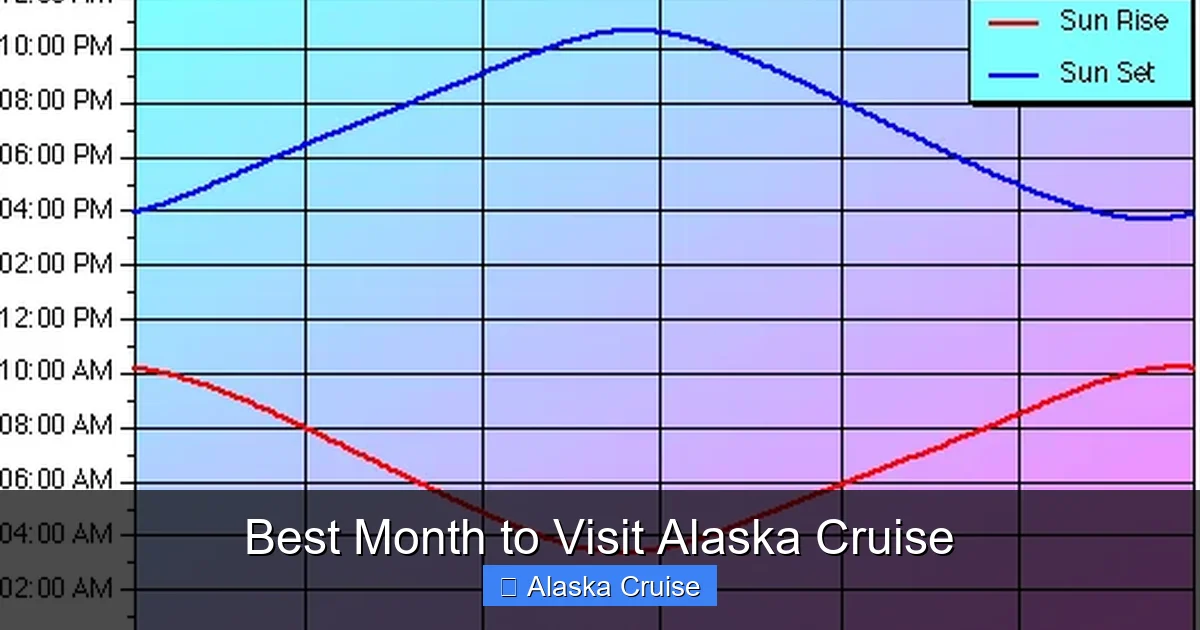
One key factor influencing the season is daylight. In summer, Alaska experiences nearly 24-hour daylight in the far north—a phenomenon known as the “midnight sun.” Even in southern ports like Ketchikan, you’ll enjoy 16 to 18 hours of sunlight in June and July. This extended daylight means more time for sightseeing, photography, and outdoor adventures. Conversely, in May and September, daylight hours are shorter, and the risk of rain or overcast skies increases.
Another consideration is wildlife migration. Many animals, including humpback whales, orcas, and brown bears, follow seasonal patterns. Whales arrive in Alaska’s coastal waters in spring to feed on abundant krill and fish, peaking in July and August. Bears emerge from hibernation in spring and are most visible in summer, especially in areas like Katmai National Park and Admiralty Island. If wildlife is a top priority, summer months offer the best chances for sightings.
May: The Quiet Start to the Season
Visual guide about Best Month to Visit Alaska Cruise
Image source: thealaskafrontier.com
May marks the beginning of Alaska’s cruise season, and while it’s not the most popular time to visit, it has its own quiet charm. The weather is cooler, with average temperatures ranging from 40°F to 60°F (4°C to 15°C), and rain is common—especially in coastal areas like Ketchikan, which is one of the rainiest places in the U.S. However, the landscape is awakening: wildflowers are blooming, waterfalls are roaring from snowmelt, and the air feels fresh and clean.
One of the biggest advantages of cruising in May is the lack of crowds. Most schools are still in session, and summer vacations haven’t begun, so ports are quieter and excursions are less competitive. You’ll have more space on the ship, shorter lines at restaurants, and a more relaxed pace overall. This can be a major perk if you prefer a peaceful, less touristy experience.
Wildlife is also beginning to stir. Whales are starting to arrive in Alaska’s waters, and you may spot humpbacks or orcas on a whale-watching tour. Bears are out of hibernation and foraging for food, though sightings are less predictable than in summer. Birdwatchers will enjoy the return of migratory species like puffins, bald eagles, and sandhill cranes.
However, May comes with trade-offs. Some attractions and tours may not be fully operational yet. For example, helicopter tours to glaciers or dog sledding experiences might be limited due to lingering snow or weather conditions. Additionally, daylight hours are shorter than in peak summer—around 15 to 16 hours in southern Alaska—so you’ll have less time for exploration each day.
If you’re on a budget, May can be a great time to save money. Cruise fares are typically lower, and you may find deals on airfare and hotels. Just be prepared for unpredictable weather: pack waterproof gear, warm layers, and a positive attitude. Think of May as the “soft opening” of Alaska’s cruise season—perfect for travelers who value solitude and don’t mind a little rain.
June: Long Days and Lush Landscapes
June is when Alaska truly comes alive. With average temperatures ranging from 50°F to 70°F (10°C to 21°C), the weather is mild and pleasant, especially compared to the chill of May. Daylight hours stretch to nearly 18 hours in southern ports and even longer in the north—perfect for squeezing in extra sightseeing, photography, or simply enjoying a late-night deck stroll under the soft glow of the midnight sun.
This month strikes a great balance between good weather and manageable crowds. While June is busier than May, it’s not yet peak season, so you’ll still enjoy shorter lines and more availability for popular excursions. It’s an excellent time for families, as school is out but the July rush hasn’t begun.
Wildlife sightings improve significantly in June. Whales are now well-established in Alaskan waters, and whale-watching tours report high success rates. You might see humpbacks breaching, orcas hunting, or even gray whales migrating north. On land, bears are active in coastal areas, and birdlife is abundant. If you’re lucky, you might spot a moose grazing near a lake or a bald eagle soaring overhead.
Glacier viewing is also excellent in June. Glaciers like Mendenhall near Juneau and Hubbard near Yakutat are accessible, and the calving action—when chunks of ice break off into the water—is often dramatic. The warmer weather means more meltwater, which can lead to spectacular icefalls and turquoise glacial lakes.
One of the best parts of June is the landscape. The forests are lush and green, wildflowers are in full bloom, and waterfalls are at their peak flow from snowmelt. It’s a photographer’s dream, with soft light and vibrant colors. Plus, the extended daylight means you can take a morning hike, enjoy lunch in port, and still have time for an evening wildlife cruise.
Packing for June? Bring layers. Mornings and evenings can be cool, especially on the water, so a waterproof jacket, fleece, and comfortable walking shoes are essential. Don’t forget sunscreen and sunglasses—those long days mean more UV exposure.
July: Peak Season for Weather and Wildlife
July is the heart of Alaska’s cruise season—and for good reason. With average temperatures ranging from 55°F to 75°F (13°C to 24°C), it’s the warmest month of the year, making it ideal for outdoor activities. Daylight hours are at their longest, with up to 19 hours of sun in some areas. This is the month when Alaska feels most alive.
It’s also the busiest month, so expect crowds at popular ports and excursions. If you’re looking for a quiet, intimate experience, July might not be your best bet. But if you want the full Alaska adventure—packed with wildlife, glaciers, and nonstop daylight—July delivers.
Wildlife is at its peak. Whales are abundant, and many tours guarantee sightings. Humpbacks are especially active, often putting on shows with tail slaps and breaches. Orcas can be spotted in places like Icy Strait Point, and gray whales are still migrating through. On land, brown bears are frequently seen fishing for salmon in rivers and streams, particularly in areas like Pack Creek on Admiralty Island.
Glaciers are also at their most dynamic. The warmer weather increases calving activity, so you’re more likely to witness massive ice chunks crashing into the sea. Glacier Bay National Park, a UNESCO World Heritage Site, is a highlight of many itineraries, and July offers the best conditions for cruising through its icy fjords.
Ports are fully operational, and all excursions are running. Whether you want to go zip-lining in Ketchikan, take a scenic railway ride in Skagway, or explore the Tongass National Forest, July gives you the most options. It’s also a great time for cultural experiences, with Native Alaskan festivals and performances often scheduled during the summer.
The downside? Higher prices and limited availability. If you’re set on cruising in July, book your trip at least 6 to 12 months in advance. Flights to Seattle or Vancouver (common departure cities) can also be more expensive, so plan accordingly.
Packing tips: July is warm, but not hot. Bring light layers, a rain jacket, and insect repellent—mosquitoes can be active in forested areas. And don’t forget your camera—July offers some of the most photogenic conditions of the year.
August: Warm Weather with Fewer Crowds
August is a fantastic alternative to July, offering nearly the same great weather with fewer tourists. Temperatures remain mild, averaging 50°F to 70°F (10°C to 21°C), and daylight is still abundant—around 16 to 17 hours in southern ports. It’s the perfect month for travelers who want the best of summer without the peak-season chaos.
Crowds begin to thin in August, especially after mid-month. Families with school-age children start heading home, and the cruise ships feel less crowded. This means more space on deck, shorter wait times for dining, and better availability for last-minute excursions.
Wildlife remains active. Whales are still present, and bear sightings are common, especially as salmon runs peak in late summer. In places like Ketchikan and Haines, you might see bears catching salmon in shallow streams—a truly unforgettable experience. Birdlife is also rich, with many species preparing for migration.
Glaciers are still accessible and impressive. While calving activity may begin to slow slightly compared to July, the views are no less stunning. The water is often calmer in August, making for smoother cruising and better photography conditions.
One unique perk of August is the start of fall colors. In the interior and northern regions, the first hints of autumn appear—golden aspens and red shrubs dotting the landscape. While not as dramatic as September, it adds a beautiful contrast to the green forests and blue waters.
August is also a great time for outdoor adventures. Hiking trails are in prime condition, and the weather is stable enough for activities like kayaking, fishing, and flightseeing. Many cruise lines offer special late-summer excursions, such as glacier hikes or cultural tours with local guides.
Packing is similar to July, but you might want to add a light sweater for cooler evenings as the month progresses. And if you’re hoping to see the northern lights, August is too early—auroras are best viewed in late fall and winter.
September: The Quiet Farewell to Summer
September marks the end of Alaska’s cruise season, and while it’s not the most popular time to visit, it has a special, bittersweet charm. Temperatures begin to drop, averaging 40°F to 60°F (4°C to 15°C), and rain becomes more frequent. Daylight hours shrink to around 12 to 14 hours, and the first signs of autumn emerge.
One of the biggest draws of September is the fall foliage. In places like Denali National Park and the Kenai Peninsula, the forests explode in brilliant shades of gold, orange, and red. It’s a stunning backdrop for photography and scenic drives, and a rare sight for many travelers.
Wildlife is still active, though patterns begin to shift. Bears are busy fattening up for hibernation, and salmon runs are in full swing. Whales may still be spotted, but sightings become less predictable as they begin to migrate south. Birdwatchers will enjoy the spectacle of thousands of birds preparing for their long journeys.
Glaciers are still accessible, though some tours may be limited due to weather. The water can be choppier, and overcast skies are more common. However, the dramatic lighting of a stormy sky over a glacier can create some of the most powerful images of the trip.
The biggest advantage of September? Lower prices and fewer crowds. Cruise fares drop significantly, and you’ll have a more peaceful experience overall. It’s ideal for travelers who value solitude and don’t mind cooler, wetter weather.
Packing for September means preparing for fall conditions: waterproof boots, warm layers, and a good raincoat are essential. And if you’re hoping to see the northern lights, September is one of the first months they become visible—though sightings are never guaranteed.
How to Choose the Best Month for Your Alaska Cruise
So, which month is truly the best month to visit Alaska cruise? It depends on your priorities.
If you want the warmest weather, longest days, and best wildlife sightings, July and August are your best bets. These months offer the full Alaska experience, with everything from whale watching to glacier cruising in prime condition.
If you prefer fewer crowds and don’t mind slightly cooler weather, June is a sweet spot. You’ll still enjoy great conditions with more space and availability.
For budget-conscious travelers, May and September offer significant savings and a more intimate experience. Just be prepared for unpredictable weather and some closed attractions.
Consider your travel companions, too. Families with kids may prefer July, when school is out and all activities are running. Solo travelers or couples seeking peace and quiet might enjoy the shoulder months.
Finally, think about what you want to see. If glaciers and whales are your top priorities, aim for July or August. If fall colors and solitude matter more, September could be perfect.
No matter when you go, an Alaska cruise is a journey you’ll never forget. With proper planning and the right expectations, you can make the most of Alaska’s fleeting but magnificent summer.
Frequently Asked Questions
What is the best month to visit Alaska cruise for wildlife?
The best months for wildlife are July and August, when whales, bears, and migratory birds are most active. June also offers excellent sightings, especially for whales and birds.
Is it cold on an Alaska cruise in June?
June is mild, with temperatures ranging from 50°F to 70°F. Mornings and evenings can be cool, so layers are recommended, but it’s not cold by most standards.
Can you see the northern lights on an Alaska cruise?
No, the northern lights are not visible during the summer cruise season due to nearly 24-hour daylight. For aurora viewing, visit in late fall or winter on a land tour.
Are Alaska cruises expensive in July?
Yes, July is peak season, so cruise fares, flights, and excursions are typically at their highest. Booking early can help secure better rates.
What should I pack for an Alaska cruise in August?
Pack layers, a waterproof jacket, comfortable walking shoes, sunscreen, and insect repellent. Evenings can cool down, so a light sweater is useful.
Are ports open in May and September?
Most ports are open, but some attractions and tours may have limited hours or be closed. Check with your cruise line for specific details on your itinerary.