
Choosing the best month to travel to Alaska cruise depends on your priorities—wildlife, weather, crowds, or scenery. Peak season runs from June to August, offering long days and warm weather, while shoulder months like May and September provide fewer crowds and lower prices.
Key Takeaways
- June to August is peak season: Offers the warmest weather, longest daylight hours, and best wildlife viewing opportunities.
- May and September are shoulder months: Ideal for travelers seeking fewer crowds, lower prices, and a more intimate experience.
- Wildlife viewing peaks in July: Bears, whales, and migratory birds are most active during this time.
- Weather varies significantly by month: Pack layers and be prepared for rain, even in summer.
- Glacier calving is most dramatic in July and August: These months offer the best chances to witness massive icefalls.
- Northern Lights are possible in late September: Early fall cruises may offer a rare chance to see auroras.
- Book early for peak months: Cruises fill up quickly, especially in July and August.
📑 Table of Contents
- Introduction: Why Timing Matters for Your Alaska Cruise
- Understanding Alaska’s Cruise Season
- Weather and Climate: What to Expect Each Month
- Wildlife Viewing: When to See What
- Glaciers and Scenery: Best Times for Ice and Views
- Cost and Crowds: Balancing Budget and Experience
- Conclusion: Choosing Your Perfect Alaska Cruise Month
Introduction: Why Timing Matters for Your Alaska Cruise
Planning an Alaska cruise is exciting—majestic glaciers, towering mountains, abundant wildlife, and rugged coastlines await. But one of the most important decisions you’ll make is choosing the best month to travel to Alaska cruise. The timing of your trip can dramatically affect your experience, from the weather and wildlife sightings to crowd levels and pricing.
Alaska’s cruise season is relatively short, typically running from May through September. Each month offers a unique flavor of the Last Frontier. Whether you’re chasing the midnight sun, hoping to spot a breaching humpback whale, or dreaming of quiet fjords under soft autumn light, the month you choose will shape your journey. This guide will help you navigate the pros and cons of each month so you can pick the perfect time for your Alaskan adventure.
Understanding Alaska’s Cruise Season
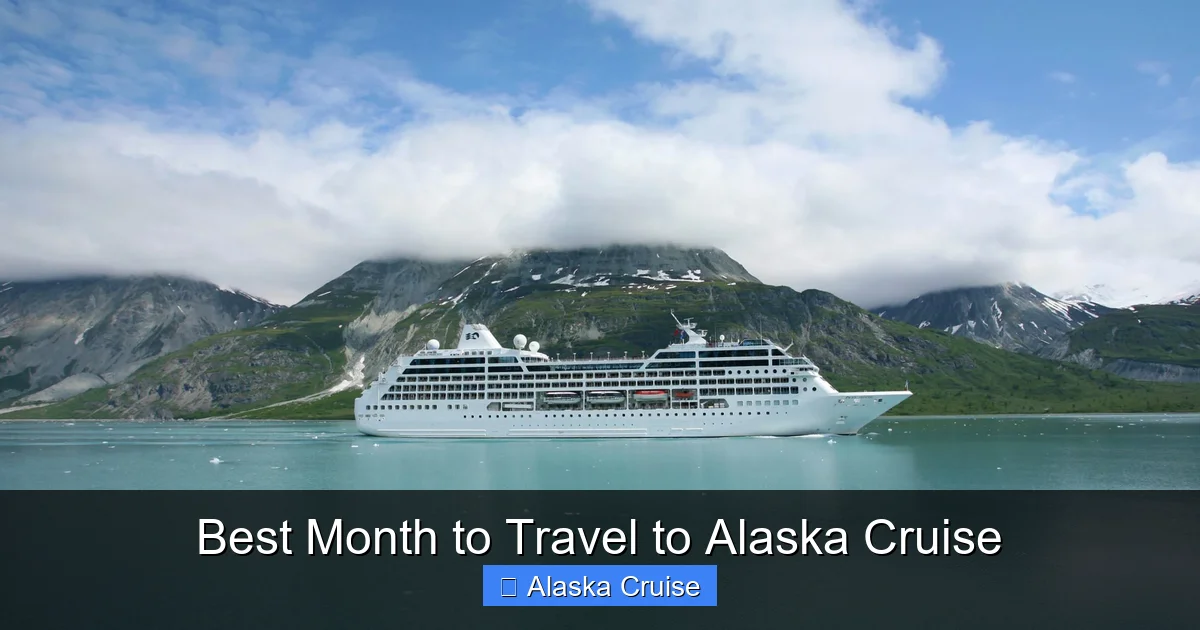
Visual guide about Best Month to Travel to Alaska Cruise
Image source: travelalaska.com
Alaska’s cruise season is tightly packed into a five-month window, from mid-May to late September. This is when the weather is mild enough, the seas are calm, and the wildlife is most active. Outside of this period, most cruise lines suspend operations due to freezing temperatures, ice, and limited daylight.
The season is often divided into three phases: early season (May), peak season (June–August), and late season (September). Each phase has its own charm and trade-offs. Let’s break down what you can expect during each part of the season.
Early Season: May – A Quiet Start to the Adventure
May marks the beginning of the cruise season in Alaska. If you’re looking for a more peaceful and budget-friendly experience, this could be the best month to travel to Alaska cruise for you. The crowds are minimal, and many cruise lines offer early-season discounts to attract travelers.
Weather in May is unpredictable. Daytime temperatures typically range from 40°F to 60°F (4°C to 15°C), but snow is still possible, especially in northern regions like Skagway or Juneau. However, the landscape is lush and green, with snow-capped peaks providing a stunning backdrop. Rivers are swollen with snowmelt, creating powerful waterfalls.
Wildlife is starting to stir. Bears are emerging from hibernation, and you might spot them foraging along the coastline. Whales are also beginning to arrive, though sightings are less frequent than in summer. Birdwatchers will enjoy the return of migratory species like bald eagles, puffins, and sandhill cranes.
One major advantage of cruising in May is the lower cost. Cabins are more affordable, and flights to gateway cities like Seattle or Vancouver are often cheaper. Plus, you’ll have more flexibility with shore excursions, as popular tours like whale watching or glacier hikes are less crowded.
However, be prepared for limited services. Some remote towns may not have all shops or restaurants open yet, and certain attractions might still be closed. Also, daylight hours are increasing rapidly—by late May, you’ll enjoy nearly 18 hours of daylight, giving you plenty of time to explore.
Peak Season: June, July, and August – The Heart of Alaska
The summer months—June, July, and August—are widely considered the best months to travel to Alaska cruise. This is when the weather is warmest, the days are longest, and wildlife is at its most active. It’s also the busiest time, so expect higher prices and more fellow travelers.
June: The Start of Summer Splendor
June is a fantastic time to visit. The weather is improving, with average temperatures ranging from 50°F to 70°F (10°C to 21°C). The landscape is vibrant, with wildflowers blooming and rivers flowing freely. Daylight is abundant—up to 19 hours in some areas—giving you ample time to explore.
Wildlife sightings increase in June. Humpback whales, orcas, and sea lions are commonly seen along the coast. On land, black and brown bears are active, especially near salmon streams. Birdlife is abundant, with puffins, cormorants, and eagles nesting along the cliffs.
Glaciers are accessible, and glacier calving—the dramatic breaking off of ice into the water—is frequent. Popular stops like Glacier Bay and Hubbard Glacier are at their most impressive. Shore excursions such as kayaking, hiking, and dog sledding are widely available.
One downside? June is the start of the busy season. While not as crowded as July, popular ports like Juneau and Ketchikan begin to fill up. Booking excursions in advance is highly recommended.
July: The Height of the Season
July is the peak of the Alaska cruise season. It’s warm, sunny, and teeming with life. This is often considered the best month to travel to Alaska cruise for families and first-time visitors.
Temperatures hover between 55°F and 75°F (13°C to 24°C), making it comfortable for outdoor activities. The days are long—nearly 20 hours of daylight in some areas—so you can pack a lot into your itinerary.
Wildlife is everywhere. Whales are frequently spotted, especially in areas like Icy Strait Point and Frederick Sound. Bears are active along riverbanks, feeding on salmon. You might even see moose or mountain goats in certain regions.
Glacier calving is at its most dramatic in July. The combination of warmer temperatures and tidal movements causes large chunks of ice to break off, creating thunderous splashes. This is also the best time for bear viewing tours in places like Admiralty Island or Anan Creek.
However, July comes with trade-offs. It’s the most expensive month, with cruise fares and flights at their highest. Ports are crowded, and popular excursions sell out quickly. If you’re traveling with kids, this is a great time—but be prepared for lines and limited availability.
August: Warm Weather and Final Wildlife Surges
August continues the summer magic, with warm weather and excellent wildlife viewing. Temperatures are similar to July, ranging from 50°F to 70°F (10°C to 21°C). The days are still long, though they begin to shorten toward the end of the month.
One of the highlights of August is the salmon run. As salmon return to rivers to spawn, bears gather in large numbers along the banks. This is one of the best times for bear-watching tours, especially in places like Pack Creek on Admiralty Island.
Whales remain active, and you may even spot rare species like minke or fin whales. Sea otters, sea lions, and porpoises are commonly seen. Birdlife is still rich, though some migratory species begin their journey south.
Glaciers remain accessible, and calving events are still frequent. However, some glaciers may show signs of summer melt, with more exposed rock and less ice at the waterline.
August is still busy, though slightly less crowded than July. Prices remain high, but you’ll find more availability for last-minute bookings compared to mid-summer. It’s a great compromise between peak-season conditions and slightly lower demand.
Late Season: September – A Quiet Farewell to Summer
September marks the end of the cruise season. If you’re looking for a more peaceful, reflective experience, this could be the best month to travel to Alaska cruise. The crowds thin out, prices drop, and the landscape begins to transform.
Weather in September is cooler, with temperatures ranging from 40°F to 60°F (4°C to 15°C). Rain is more likely, especially in the southern regions like Ketchikan. However, the scenery is stunning, with autumn colors beginning to appear in the tundra and forests.
Wildlife is still active. Bears are busy preparing for hibernation, feeding heavily on late salmon runs. Whales may still be seen, though sightings become less frequent as they migrate south. Birdwatchers can enjoy the departure of migratory species, with large flocks forming along the coast.
One unique advantage of September cruises is the chance to see the Northern Lights. While rare, aurora activity increases as daylight decreases. If you’re lucky, you might catch a shimmering green curtain of light dancing across the night sky—especially in northern ports like Skagway or Haines.
Shore excursions are still available, though some may operate on reduced schedules. Popular activities like whale watching and glacier tours continue, but with fewer crowds. You’ll have more time to chat with locals and enjoy a slower pace.
Prices are significantly lower in September. Cruise fares can be 20–30% cheaper than in July, and flights are often more affordable. It’s a great time for budget-conscious travelers who want to experience Alaska without the summer rush.
However, be prepared for shorter days and cooler weather. By late September, daylight drops to about 12 hours, and some attractions may close for the season. Pack warm, waterproof clothing and be flexible with your plans.
Weather and Climate: What to Expect Each Month
Alaska’s weather is famously unpredictable, even in summer. No matter when you go, it’s essential to pack layers and be ready for rain. But understanding the typical climate patterns can help you choose the best month to travel to Alaska cruise.
Temperature Trends
Temperatures vary by region and elevation, but coastal cruise ports generally follow a predictable pattern. May starts cool, with averages in the 40s to low 50s°F (4–10°C). By July and August, highs reach the 60s and 70s°F (15–24°C). September sees a gradual cooling, with temperatures dropping back into the 40s and 50s°F.
Precipitation and Rainfall
Rain is common throughout the season, especially in the southern Inside Passage. Ketchikan, known as the “Rain Capital of Alaska,” averages over 150 inches of rain annually. Even in summer, afternoon showers are frequent. Pack a waterproof jacket and quick-dry clothing.
Daylight Hours
One of the most magical aspects of an Alaska cruise is the extended daylight. In June and July, the sun barely sets—some areas experience 20+ hours of daylight. This gives you more time for excursions and sightseeing. By September, daylight shortens significantly, offering a different, more contemplative atmosphere.
Wildlife Viewing: When to See What
One of the biggest draws of an Alaska cruise is the incredible wildlife. The best month to travel to Alaska cruise for animal sightings depends on what you want to see.
Whales
Humpback whales are most commonly seen from May through September, with peak activity in July and August. Orcas appear throughout the season, especially in areas like Frederick Sound. Gray whales migrate through in spring and fall, so May and September offer the best chances.
Bears
Brown and black bears are active from May to September. The best bear viewing is during the salmon runs in July and August, when bears gather along rivers. September is also excellent, as bears prepare for hibernation.
Birds
Migratory birds arrive in May and stay through August. Puffins, eagles, and cormorants nest along the coast. September offers the spectacle of flocks preparing for migration.
Marine Life
Sea otters, sea lions, and porpoises are seen year-round. Harbor seals are common near glaciers. Look for them basking on ice floes.
Glaciers and Scenery: Best Times for Ice and Views
Alaska’s glaciers are a highlight of any cruise. The best month to travel to Alaska cruise for glacier viewing is July or August, when calving is most active. Hubbard Glacier and Glacier Bay are particularly impressive during these months.
In May, glaciers may still be partially frozen, limiting access. By September, some glaciers show signs of summer melt, with more rock exposed. However, the autumn light can make for stunning photography.
Cost and Crowds: Balancing Budget and Experience
Your budget and tolerance for crowds will also influence your choice. Peak months (June–August) are the most expensive and crowded. Shoulder months (May and September) offer significant savings and a more relaxed pace.
If you’re flexible, consider booking a repositioning cruise in May or September. These one-way voyages often come with deep discounts.
Conclusion: Choosing Your Perfect Alaska Cruise Month
There’s no single “best” month to travel to Alaska cruise—only the best month for you. If you want warm weather, long days, and peak wildlife, aim for July. If you prefer fewer crowds and lower prices, May or September might be ideal. June and August offer a great balance of conditions.
No matter when you go, Alaska will leave you in awe. Pack layers, book early, and embrace the adventure. Your Alaskan cruise awaits.
Frequently Asked Questions
What is the best month to see whales on an Alaska cruise?
The best months to see whales are July and August, when humpback and orca activity peaks. However, whales can be seen as early as May and as late as September.
Is it cold on an Alaska cruise in summer?
Summer temperatures range from 50°F to 75°F (10°C to 24°C). It’s mild but can feel cooler on the water or in rain. Layers are essential.
Can you see the Northern Lights on an Alaska cruise?
Yes, but it’s rare. The best chance is in late September, when nights are darker. Auroras are more likely in northern ports like Skagway.
Are Alaska cruises crowded in August?
August is still part of the peak season, so ports can be busy. However, it’s slightly less crowded than July, with more availability for excursions.
What should I pack for an Alaska cruise?
Pack waterproof outerwear, warm layers, sturdy shoes, and binoculars. Don’t forget sunscreen and sunglasses—even on cloudy days.
Are shore excursions available in May and September?
Yes, most popular excursions operate in May and September, though some may have reduced hours. Book in advance for the best selection.