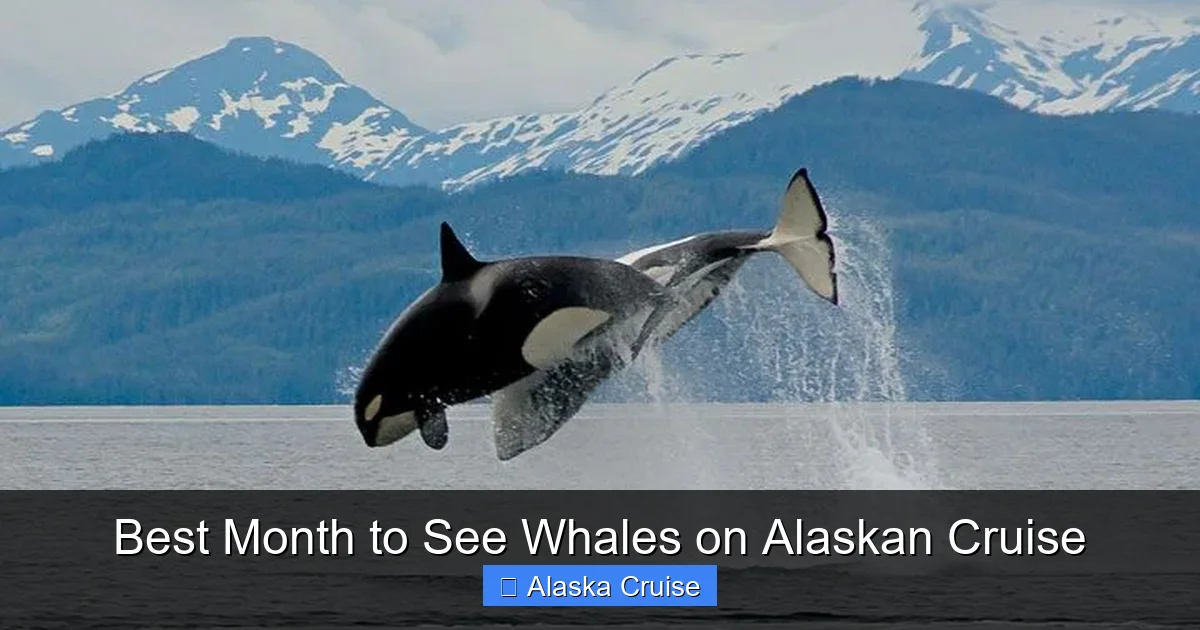
The best month to see whales on an Alaskan cruise is July, when humpbacks, orcas, and gray whales are most active and visible. However, June and August also offer excellent sightings, with each month bringing unique whale behaviors and scenic rewards.
Key Takeaways
- July is the peak month for whale watching on Alaskan cruises, with the highest concentration of humpback whales and frequent orca sightings.
- June offers early-season whale activity and fewer crowds, making it ideal for travelers seeking a quieter experience.
- August brings migrating gray whales and cooler weather, with chances to see mothers and calves.
- Whale behavior varies by month, from feeding frenzies in summer to mating displays in late summer.
- Choose your cruise route wisely—Glacier Bay, Icy Strait Point, and Frederick Sound are top whale hotspots.
- Early morning excursions increase sighting odds, as whales are most active at dawn.
- Pack layers and binoculars—weather changes fast, and a good view makes all the difference.
📑 Table of Contents
- Introduction: Why Whale Watching in Alaska Is a Must-Do Experience
- Understanding Alaska’s Whale Season: A Month-by-Month Breakdown
- Top Whale Species You’ll See on an Alaskan Cruise
- Best Cruise Routes and Locations for Whale Watching
- Tips for Maximizing Your Whale-Watching Experience
- Conclusion: Choosing Your Perfect Whale-Watching Month
Introduction: Why Whale Watching in Alaska Is a Must-Do Experience
Imagine standing on the deck of a cruise ship, the crisp Alaskan air filling your lungs, as a massive humpback whale breaches just 50 yards away. Water explodes into the air, sunlight glints off its slick skin, and the sound of its splash echoes across the fjord. Moments like these aren’t just rare—they’re life-changing. And they’re entirely possible on an Alaskan cruise, especially when you time your trip right.
Alaska is one of the world’s premier whale-watching destinations. Its cold, nutrient-rich waters attract a stunning variety of marine giants each summer. From acrobatic humpbacks to stealthy orcas and gentle gray whales, the state’s coastline is a seasonal feeding and breeding ground for these magnificent creatures. But not all months are created equal when it comes to spotting them. Timing your cruise to align with peak whale activity can mean the difference between a few distant spouts and front-row seats to nature’s greatest show.
Whether you’re a seasoned traveler or planning your first cruise, understanding the best month to see whales on an Alaskan cruise is key to maximizing your experience. While Alaska’s cruise season runs from May to September, each month offers a different slice of the whale-watching pie. Some months boast higher whale numbers, others feature unique behaviors, and a few deliver the perfect balance of weather, wildlife, and scenery. In this guide, we’ll break down the pros and cons of each month, highlight the top whale species you’re likely to see, and share insider tips to help you choose the ideal time for your adventure.
Understanding Alaska’s Whale Season: A Month-by-Month Breakdown

Visual guide about Best Month to See Whales on Alaskan Cruise
Image source: s-media-cache-ak0.pinimg.com
Alaska’s whale-watching season aligns with the summer months, when warming waters and abundant food draw whales from distant oceans. But within that window, each month has its own rhythm. Let’s dive into what you can expect from May through September.
May: The Quiet Start
May marks the beginning of Alaska’s cruise season, but it’s not the prime time for whale watching. While some early arrivals—like gray whales migrating north—can be spotted, the majority of whales haven’t arrived yet. Water temperatures are still cold, and daylight hours are increasing rapidly, but wildlife activity is relatively low.
That said, May offers a unique advantage: fewer tourists. If you’re looking for a peaceful cruise with lower prices and empty decks, this could be your month. You might catch glimpses of orcas or lone humpbacks, especially in southern routes like the Inside Passage. However, don’t expect consistent sightings. May is more about setting the stage than stealing the show.
June: The Awakening
June is when things start to heat up—literally and figuratively. As temperatures rise and daylight stretches past 18 hours, Alaska’s marine ecosystem bursts to life. This is when the first major wave of humpback whales arrives, drawn by schools of herring, capelin, and krill.
Humpbacks are the stars of June. You’ll often see them feeding in groups, using bubble nets to corral fish—a mesmerizing behavior where they blow bubbles in a spiral to trap prey. Orcas also begin appearing more frequently, especially in areas like Glacier Bay and Stephens Passage. Gray whales are still migrating through, so you might spot them along the coast.
One of June’s biggest perks is the weather. While it can still be chilly, especially in the mornings, rain is less frequent than in later months. The scenery is lush and green, and wildlife—from bears to seabirds—is abundant. If you’re willing to trade peak whale density for a more tranquil experience, June is a solid choice.
July: The Peak of Whale Activity
If there’s one month that stands out as the best month to see whales on an Alaskan cruise, it’s July. This is the heart of the season, when whale numbers reach their highest, and sightings are nearly guaranteed.
Humpback whales dominate the waters in July. They’re here to feast, and they do it with style. You’ll witness breaching, tail slapping, and even “spyhopping”—when a whale lifts its head straight out of the water to look around. These behaviors are not only thrilling to watch but also indicate active feeding and social interaction.
Orcas are also common in July, particularly in regions like Icy Strait Point and Frederick Sound. These apex predators travel in pods and are known for their intelligence and coordination. Spotting a pod of orcas hunting or playing is a rare privilege.
Gray whales, having completed their northward migration, begin their return journey in late July. This means you might see both northbound and southbound groups, especially in the Gulf of Alaska.
July also offers the most stable weather. Days are long, temperatures are mild (typically 50–65°F), and rain is manageable. However, this popularity comes with a trade-off: higher prices and more crowded ships. If you’re booking a July cruise, aim to reserve at least 6–12 months in advance.
August: The Grand Finale
August is often overlooked, but it’s a fantastic month for whale watching—especially if you’re interested in seeing mothers and calves. By this time, many humpback whales have given birth in warmer southern waters and are returning north with their young. These calves are playful and curious, often seen swimming close to their mothers or breaching alongside them.
Gray whales are now in full migration mode, heading back to their wintering grounds in Baja California. This makes August one of the best times to see large groups of gray whales, sometimes traveling in pods of 10 or more. Their slow, steady movements and distinctive heart-shaped blows make them easy to identify.
Orcas remain active in August, and some pods specialize in hunting seals or other marine mammals, offering dramatic wildlife encounters. Humpbacks are still abundant, though their numbers begin to taper off toward the end of the month.
One advantage of August is that cruise prices often drop slightly compared to July. You’ll still have good weather, though rain becomes more frequent as the month progresses. The landscape starts to shift toward autumn colors, adding a new layer of beauty to your journey.
September: The Fading Light
September is the tail end of the cruise season, and while whale sightings are still possible, they become less predictable. Some humpbacks and orcas linger, especially in protected bays and inlets, but many have already begun their migration south.
That said, September offers a unique charm. The crowds are gone, the air is crisp, and the fall colors paint the mountains in gold and red. If you’re lucky, you might spot a lone whale or a small pod, but don’t count on consistent sightings. This month is better suited for travelers who prioritize scenery and solitude over guaranteed wildlife encounters.
Top Whale Species You’ll See on an Alaskan Cruise
Alaska is home to several whale species, each with its own habits, appearance, and seasonal patterns. Knowing what to look for can enhance your experience and help you appreciate the diversity of marine life.
Humpback Whales: The Showstoppers
Humpback whales are the most commonly seen whales on Alaskan cruises, and for good reason. They’re large (up to 50 feet long), highly social, and incredibly acrobatic. Their long pectoral fins—the longest of any whale—can span up to one-third of their body length, making them easy to identify.
Humpbacks are famous for their breaching behavior, where they launch their entire body out of the water. Scientists believe this serves multiple purposes: communication, play, or removing parasites. They’re also known for their complex songs, which can last for hours and travel miles underwater.
In Alaska, humpbacks feed primarily on small fish and krill. They use innovative techniques like bubble-net feeding, where a group of whales swims in a circle blowing bubbles to create a “net” that traps fish. Watching this coordinated effort is like seeing a well-rehearsed dance.
Orcas: The Apex Predators
Orcas, or killer whales, are not actually whales but the largest members of the dolphin family. They’re easily recognized by their black-and-white coloring and tall dorsal fins—especially in males, which can reach up to 6 feet high.
Orcas in Alaska are divided into two main types: resident and transient. Resident orcas primarily eat fish, especially salmon, and live in stable family pods. Transient orcas hunt marine mammals like seals and sea lions and are more solitary.
Spotting an orca is always exciting, but seeing a pod working together to hunt is unforgettable. They’re intelligent, vocal, and highly coordinated. In places like Icy Strait Point, orcas are frequently seen near the shore, making them a highlight for many cruisers.
Gray Whales: The Long-Distance Travelers
Gray whales undertake one of the longest migrations of any mammal—nearly 12,000 miles round-trip between Alaska and Baja California. They travel slowly, often close to shore, which makes them easier to spot from a cruise ship.
These whales are bottom feeders, diving to the seafloor to scoop up sediment and filter out amphipods and other small organisms. Their backs are often covered in barnacles and whale lice, giving them a rugged, prehistoric look.
In Alaska, gray whales are most commonly seen in spring (May–June) during their northward migration and in late summer (August) on their return. They’re less acrobatic than humpbacks but equally fascinating to watch, especially when traveling in groups.
Minke and Fin Whales: The Lesser-Known Giants
While less common, minke and fin whales can also be spotted on Alaskan cruises. Minke whales are smaller (up to 35 feet) and often solitary. They’re fast swimmers and can be hard to track, but their sleek, streamlined bodies are a treat to see.
Fin whales, the second-largest whale species after blue whales, are occasionally seen in deeper waters. They’re known for their asymmetrical coloring—dark on the left side of the head, light on the right—and their powerful, fast swimming.
Though sightings are rarer, keeping an eye out for these species adds an element of surprise to your cruise.
Best Cruise Routes and Locations for Whale Watching
Not all Alaskan cruise routes are created equal when it comes to whale sightings. Some areas are hotspots due to geography, food availability, and migration patterns. Here are the top regions to prioritize.
Glacier Bay National Park
A UNESCO World Heritage Site, Glacier Bay is a must-visit for any Alaska cruise. Its deep fjords and abundant marine life make it a prime feeding ground for humpback whales. The park’s protected status ensures minimal human disturbance, allowing whales to thrive.
Cruises typically spend a full day here, with park rangers joining the ship to provide insights. Early morning is the best time for sightings, as whales are most active at dawn.
Icy Strait Point
Located near Hoonah, Icy Strait Point is one of the best places in the world to see orcas. The narrow strait funnels marine traffic, creating ideal conditions for whale watching. Many cruise lines offer shore excursions here, including zodiac tours and whale-watching boats.
Humpbacks are also common, and the area is known for its high success rate in sightings. If you’re on a cruise that stops here, don’t miss the chance to get off the ship.
Frederick Sound and Stephens Passage
These waterways are part of the Inside Passage and are renowned for their dense whale populations. Frederick Sound, in particular, is a favorite feeding ground for humpbacks. Stephens Passage offers stunning scenery and frequent orca sightings.
Cruises that sail through these areas often slow down or stop to allow passengers to watch whales. Bring your camera—you’ll want to capture the moment.
Kenai Fjords and Resurrection Bay
While not on all cruise itineraries, these areas near Seward are excellent for whale watching. Kenai Fjords National Park is home to glaciers, sea lions, and humpback whales. Resurrection Bay offers calm waters and frequent sightings, especially in July and August.
If your cruise includes a stop in Seward, consider adding a day tour to maximize your chances.
Tips for Maximizing Your Whale-Watching Experience
Seeing whales is one thing—having an unforgettable experience is another. Here are some practical tips to help you make the most of your cruise.
Book the Right Cabin
Choose a cabin with an outside view, preferably on the starboard (right) side of the ship if you’re sailing north, or port (left) side if heading south. This increases your chances of spotting whales from your room. Balcony cabins are ideal, but even a window can make a difference.
Bring the Right Gear
A good pair of binoculars is essential. Look for 7x or 10x magnification with a wide field of view. A camera with a telephoto lens will help you capture close-ups, but remember: sometimes the best moments are best enjoyed without a screen.
Dress in layers. Even in summer, Alaska can be chilly, especially on the water. A waterproof jacket, hat, and gloves are wise investments.
Get Up Early
Whales are most active in the early morning. The water is calmer, the light is better, and there’s less boat traffic. Set your alarm and head to the deck at sunrise. You’ll thank yourself later.
Listen to the Naturalists
Most cruise ships have onboard naturalists or guest speakers who provide commentary and help spot wildlife. Attend their presentations and follow their guidance. They know the best spots and times.
Be Patient and Respectful
Whale watching requires patience. Sometimes you’ll see whales within minutes; other times, you might wait an hour. Stay quiet, keep your distance, and never chase or disturb the animals. Remember, you’re a guest in their home.
Conclusion: Choosing Your Perfect Whale-Watching Month
So, what’s the best month to see whales on an Alaskan cruise? The answer depends on what you’re looking for.
If you want the highest chance of sightings and don’t mind the crowds, **July is your best bet**. It’s the peak of whale activity, with humpbacks, orcas, and gray whales all present in large numbers. The weather is ideal, and the long days give you plenty of time to explore.
If you prefer a quieter experience with still-excellent whale watching, **June or August** are strong alternatives. June offers early-season energy and fewer tourists, while August brings migrating gray whales and playful calves.
May and September are more niche choices—great for solitude and scenery, but less reliable for consistent whale sightings.
Ultimately, any month in Alaska’s cruise season offers the chance to see these majestic creatures. But by understanding the rhythms of the whales and planning accordingly, you can turn a good trip into an extraordinary one. So pack your bags, grab your binoculars, and get ready to witness one of nature’s most breathtaking spectacles—right from the deck of your ship.
Frequently Asked Questions
What is the best month to see whales on an Alaskan cruise?
The best month to see whales on an Alaskan cruise is July, when humpback whales, orcas, and gray whales are most active and numerous. However, June and August also offer excellent sightings with different whale behaviors and fewer crowds.
Can you see whales in May on an Alaskan cruise?
Yes, but sightings are less common in May. Some gray whales and early-arriving humpbacks may be spotted, but the peak whale season hasn’t started yet. It’s better for those seeking a quieter, budget-friendly cruise.
Are orcas commonly seen on Alaskan cruises?
Yes, orcas are frequently seen, especially in July and August. They’re most common in areas like Icy Strait Point, Frederick Sound, and Stephens Passage, where they hunt and travel in pods.
What time of day are whales most active?
Whales are most active in the early morning, typically between 6 a.m. and 9 a.m. This is when they feed and socialize, making it the best time for sightings.
Do I need special equipment to see whales on a cruise?
Binoculars and a camera with a zoom lens are helpful, but not required. Most ships have viewing areas and naturalists to assist. Dress warmly and bring layers, as it can be chilly on the water.
Can I see whale calves on an Alaskan cruise?
Yes, especially in August, when humpback and gray whale mothers return north with their calves. These young whales are playful and often seen swimming close to their mothers.