
The best month to see whales on an Alaska cruise is July, when humpback, orca, and gray whales are most active and abundant. However, June and August also offer excellent sightings, with slightly different whale behaviors and fewer crowds. Planning your trip around peak whale activity ensures a magical wildlife encounter you’ll never forget.
If you’ve ever dreamed of standing on the deck of a cruise ship, binoculars in hand, as a massive humpback whale breaches just yards away, then an Alaska cruise is your golden ticket. The Last Frontier isn’t just about glaciers, fjords, and towering mountains—it’s a living, breathing sanctuary for some of the ocean’s most majestic creatures. And when it comes to whale watching, timing is everything. So, what’s the best month to see whales on an Alaska cruise? While the entire summer season offers incredible opportunities, one month stands out above the rest: **July**.
Alaska’s whale-watching season typically runs from May through September, a window when the waters warm just enough to draw in massive schools of fish and krill—the primary food source for many whale species. But not all months are created equal. Some offer better visibility, others have more active whale behavior, and a few provide the perfect balance of wildlife, weather, and scenery. Whether you’re a first-time cruiser or a seasoned traveler, understanding the nuances of each month can make the difference between a good trip and an unforgettable one.
In this guide, we’ll dive deep into the best times to see whales on an Alaska cruise, explore the species you’re most likely to encounter, and share insider tips to maximize your chances of a close encounter. From the bustling feeding grounds of July to the quieter, more intimate moments of June and August, we’ll help you choose the perfect time for your Alaskan adventure. So grab your camera, pack your layers, and get ready to meet the giants of the deep.
Key Takeaways
- July is the peak month for whale sightings in Alaska, with the highest concentration of humpback, orca, and gray whales.
- June offers early-season whale activity and blooming landscapes, ideal for travelers seeking fewer crowds and vibrant scenery.
- August brings late-season feeding frenzies as whales prepare for migration, with increased surface activity and breaching.
- Humpback whales are the most commonly spotted species during Alaska cruises, known for their acrobatic displays and complex songs.
- Glacier Bay and Frederick Sound are top whale-watching hotspots due to nutrient-rich waters that attract large marine mammals.
- Early morning excursions increase your chances of spotting whales, as they’re most active during calm, quiet hours.
- Choose a cruise with naturalist guides to enhance your experience with expert insights and real-time whale tracking.
📑 Table of Contents
Why Alaska Is a Whale-Watching Paradise
Alaska isn’t just a destination—it’s a natural wonderland where the land and sea collide in spectacular fashion. With over 34,000 miles of coastline, the state offers some of the most pristine and productive marine ecosystems in the world. Cold, nutrient-rich waters flow up from the deep Pacific, creating a buffet of plankton, krill, and small fish that form the foundation of the marine food chain. And at the top of that chain? Whales.
From the icy waters of the Inside Passage to the open expanses of the Gulf of Alaska, these marine mammals migrate thousands of miles each year to feed, breed, and raise their young. The combination of abundant food, protected fjords, and minimal human disturbance makes Alaska one of the best places on Earth to see whales in their natural habitat.
But what makes Alaska truly special for whale watchers is the diversity of species you can encounter. Unlike tropical destinations where you might see just one or two types of whales, Alaska offers a rotating cast of marine giants throughout the summer. Humpbacks perform their acrobatic displays, orcas hunt in coordinated pods, and gray whales glide silently along the coast. Even the elusive minke and fin whales make appearances, especially in deeper waters.
Another key factor is the sheer scale of the experience. Whales in Alaska aren’t skittish or distant—they’re often curious, approaching boats and lingering near shorelines. This proximity allows for breathtaking photo opportunities and emotional connections that stay with you long after the trip ends. Whether you’re watching a mother humpback teach her calf to breach or witnessing a pod of orcas working together to corral a school of salmon, these moments are nothing short of magical.
The Science Behind Whale Migration
To understand the best month to see whales on an Alaska cruise, it helps to know why they’re there in the first place. Most whales that visit Alaska are migratory species, traveling from warmer breeding grounds in the south to cooler, food-rich waters in the north. This journey is driven by a simple but powerful instinct: survival.
During the winter months, many whales—especially humpbacks and gray whales—head to tropical or subtropical regions like Hawaii, Mexico, and Baja California. These warmer waters are ideal for giving birth and nursing calves, as the lack of predators and mild temperatures provide a safe environment for newborns. However, these regions lack the abundant food sources needed to sustain large populations.
That’s where Alaska comes in. As spring arrives and daylight hours increase, the Arctic and sub-Arctic waters begin to bloom with life. Melting ice releases nutrients into the sea, triggering massive phytoplankton blooms. These microscopic plants form the base of the food web, attracting zooplankton like krill, which in turn draw in fish, squid, and ultimately, whales.
The timing of this bloom is crucial. It typically peaks in late spring and early summer, which is why whale activity ramps up in June and reaches its zenith in July. By August, the feeding frenzy begins to wind down as whales prepare for their long journey back south. Understanding this cycle helps explain why certain months are better for whale sightings—and why July is often considered the sweet spot.
Top Whale Species You’ll See in Alaska
Alaska is home to a diverse array of whale species, each with its own behaviors, migration patterns, and preferred habitats. While you won’t see all of them on a single cruise, you’re likely to encounter several during your voyage. Here’s a breakdown of the most common whales you’ll spot—and when to see them.
**Humpback Whales**
By far the most iconic and frequently seen whale in Alaska, humpbacks are known for their playful nature and dramatic surface behaviors. They can grow up to 50 feet long and weigh as much as 40 tons, yet they’re incredibly agile, often breaching, tail-slapping, and flipper-slapping for reasons scientists are still studying. Some believe these displays are a form of communication, while others think they’re simply having fun.
Humpbacks are filter feeders, using baleen plates to strain krill and small fish from the water. They employ a technique called “bubble net feeding,” where a group of whales swims in a circle blowing bubbles to corral prey, then lunges upward with open mouths. This behavior is not only fascinating to watch but also a sign of a healthy, well-fed population.
You’ll see humpbacks throughout the summer, but they’re most abundant in **July**, when food is plentiful and calves are learning to feed. Popular sighting locations include Glacier Bay, Icy Strait, and the waters around Juneau and Ketchikan.
**Orcas (Killer Whales)**
Despite their name, orcas are actually the largest members of the dolphin family. They’re apex predators, hunting everything from fish to seals to other whales. In Alaska, two distinct populations are commonly seen: resident orcas, which feed primarily on fish, and transient orcas, which hunt marine mammals.
Resident orcas are often spotted in the Inside Passage, particularly around the waters near Petersburg and Ketchikan. They travel in stable family pods led by older females and are known for their distinctive black-and-white markings and tall dorsal fins. Transient orcas are more elusive but can be seen in deeper waters, especially near the open ocean.
Orcas are present throughout the summer, but sightings peak in **June and July**, when salmon runs are strong and fish-eating pods are most active.
**Gray Whales**
Gray whales are long-distance travelers, migrating over 10,000 miles round-trip from their breeding lagoons in Baja California to their feeding grounds in the Bering and Chukchi Seas. Along the way, they pass through Alaskan waters, especially in the spring and fall.
While they’re more commonly seen during migration (April–May and September–October), some gray whales linger in Alaskan bays and estuaries through the summer, particularly in the **Aleutian Islands** and **Bristol Bay**. These “summer residents” take advantage of the rich benthic ecosystems, using their broad, flat heads to scoop up amphipods and other bottom-dwelling organisms.
Gray whales are less acrobatic than humpbacks but are known for their curiosity, often approaching boats and allowing passengers to get remarkably close. Their mottled gray skin and lack of a dorsal fin make them easy to identify.
**Minke and Fin Whales**
Smaller and more elusive, minke and fin whales are less frequently spotted but still part of Alaska’s marine mosaic. Minke whales, the smallest baleen whales, are often seen in coastal waters and are known for their speed and agility. Fin whales, the second-largest animal on Earth after the blue whale, prefer deeper offshore waters and are rarely seen near cruise routes.
Both species are present in summer, but sightings are more common in **August**, when they follow the retreating ice edge in search of food.
Best Month to See Whales: A Month-by-Month Breakdown
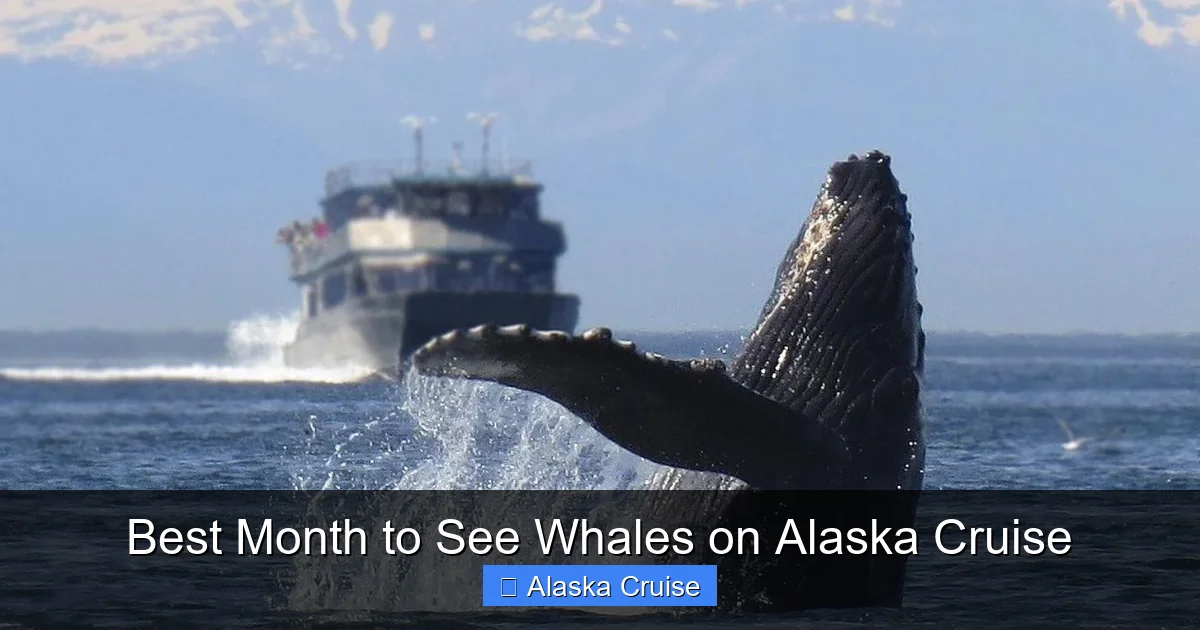
Visual guide about Best Month to See Whales on Alaska Cruise
Image source: alaskaitinerary.com
Now that you know which whales to look for, let’s dive into the best month to see whales on an Alaska cruise. While the entire summer season offers opportunities, each month has its own rhythm, advantages, and trade-offs. Here’s a detailed look at what to expect from May through September.
May: The Early Birds
May marks the beginning of Alaska’s whale-watching season. As the ice melts and daylight stretches into 18-hour days, the first migratory whales begin arriving. Humpbacks and orcas are the most likely sightings, though numbers are still relatively low compared to peak months.
One advantage of traveling in May is the **lower crowds and lower prices**. Cruise ships are just starting their summer schedules, and many travelers haven’t yet booked their trips. You’ll also enjoy **pristine, snow-capped landscapes** and the first wildflower blooms of the season.
However, whale activity is still ramping up. Food sources are just beginning to bloom, and many whales are still en route from their wintering grounds. Weather can also be unpredictable, with cooler temperatures and occasional rain or snow. If you’re flexible and don’t mind a bit of uncertainty, May can offer intimate, uncrowded whale encounters—but don’t expect a guaranteed show.
June: The Awakening
June is when Alaska truly comes alive. The days are long, the weather is mild, and the marine ecosystem is in full swing. This is when whale numbers begin to climb significantly, especially humpbacks and orcas.
One of the biggest draws of June is the **explosion of marine life**. Krill and small fish are abundant, drawing in whales in large numbers. You’ll also see more calves this month, as mothers teach their young how to feed and navigate. Humpback bubble net feeding becomes more common, and orcas are frequently spotted near salmon runs.
Another benefit is the **scenery**. Glaciers are actively calving, waterfalls are at their peak flow from snowmelt, and the landscape is lush and green. Wildlife on land—bears, moose, eagles—is also more active, making for a well-rounded Alaskan experience.
That said, June is still considered early season, so some cruise routes may not have reached their full whale-watching potential. But for travelers who want a balance of wildlife, weather, and fewer crowds, June is an excellent choice.
July: The Peak of Whale Activity
If there’s one month that stands out as the best month to see whales on an Alaska cruise, it’s **July**. This is the heart of the feeding season, when whale numbers are at their highest and behaviors are most dramatic.
Humpbacks are everywhere—breaching, feeding, singing, and socializing. Orcas are active in both resident and transient pods, and gray whales can still be seen in certain regions. The combination of abundant food, warm(ish) weather, and long daylight hours creates ideal conditions for whale watching.
July also offers the **best chances for close encounters**. Whales are well-fed and energetic, often approaching boats out of curiosity. Naturalist guides on board cruise ships frequently report multiple sightings per day, sometimes within minutes of each other.
Popular whale-watching spots like **Glacier Bay National Park**, **Frederick Sound**, and **Stephens Passage** are teeming with activity. Many cruise lines schedule extra stops or extended viewing times in these areas during July cruises.
The downside? July is peak tourist season. Ships are fuller, ports are busier, and prices are higher. But if your priority is seeing whales—and seeing them up close—July is worth the extra cost and crowds.
August: The Final Feeding Frenzy
As summer winds down, August brings a shift in whale behavior. The feeding frenzy reaches its climax as whales pack on as much weight as possible before their long migration south. This means **increased surface activity**, more aggressive feeding, and even more breaching.
Humpbacks are still abundant, though some begin to depart by late August. Orcas remain active, especially in areas with late salmon runs. Gray whales may also be seen, particularly in the western regions of the state.
One unique aspect of August is the **transition in scenery**. The mountains begin to show hints of fall color, and the air takes on a crisp edge. Wildlife on land is also preparing for winter, with bears foraging heavily and birds starting their migrations.
While whale numbers may dip slightly compared to July, the quality of sightings often improves. With fewer tourists on the water, you may have more intimate encounters and longer viewing times. August is ideal for travelers who want a quieter experience without sacrificing whale-watching opportunities.
September: The Last Hurrah
September is the tail end of the season, and whale sightings become more sporadic. Most humpbacks and orcas have begun their migration, though some linger in protected bays and inlets. Gray whales are more commonly seen now, especially along the southern coast.
Weather becomes a bigger factor in September, with cooler temperatures, stronger winds, and the possibility of early snow. Some cruise lines reduce their schedules or offer shorter itineraries.
That said, for the adventurous traveler, September can offer **unique and unexpected encounters**. With fewer boats on the water, you might have a pod of orcas all to yourself. And if you’re lucky, you could witness the first signs of the northern lights as the nights grow longer.
If whale watching is your top priority, September is a gamble. But if you’re flexible and open to other Alaskan experiences—like fall foliage, wildlife migrations, and cultural tours—it can still be a rewarding trip.
Top Whale-Watching Spots on an Alaska Cruise
Not all cruise routes are created equal when it comes to whale sightings. Some areas are hotspots due to their geography, food availability, and protection from strong currents. Here are the top locations to keep an eye out for whales during your Alaska cruise.
Glacier Bay National Park
A UNESCO World Heritage Site and one of the most protected marine environments in Alaska, Glacier Bay is a magnet for humpback and orca whales. The park’s deep fjords and nutrient-rich waters support a thriving ecosystem, and the daily influx of meltwater from surrounding glaciers adds minerals that fuel plankton blooms.
Cruise ships typically spend a full day in Glacier Bay, often with a park ranger or naturalist on board to provide commentary. The best viewing spots are near the mouth of the bay and around the Grand Pacific and Margerie Glaciers. Humpbacks are frequently seen feeding in the open water, while orcas patrol the deeper channels.
Frederick Sound
Known as the “whale highway,” Frederick Sound is one of the most reliable places to see humpback whales in Alaska. Located between Admiralty Island and the mainland, this wide channel funnels migrating whales and provides ideal feeding conditions.
The sound is particularly famous for its **bubble net feeding displays**, where groups of humpbacks work together to corral fish. These events can last for hours and are a highlight for many cruise passengers. The area is also home to orcas and occasional gray whales.
Icy Strait and Point Adolphus
Just off the coast of Hoonah, Icy Strait is another prime whale-watching destination. The waters here are shallow and rich in herring, making it a favorite feeding ground for humpbacks. Point Adolphus, at the entrance to the strait, is especially known for its high concentration of whales.
Many cruise lines offer optional whale-watching excursions from nearby ports, including zodiac tours and kayaking adventures. These smaller boats allow for closer approaches and more immersive experiences.
Stephens Passage
Running between Juneau and Petersburg, Stephens Passage is a narrow channel that sees heavy whale traffic during the summer. The combination of strong tidal currents and abundant fish makes it a natural feeding corridor.
Humpbacks are the stars here, often seen lunge-feeding near the surface. Orcas are also common, particularly in the northern section near the entrance to Frederick Sound.
Ketchikan and the Tongass Narrows
As the “Salmon Capital of the World,” Ketchikan is a hotspot for orcas, which follow the salmon runs up the rivers and into the narrows. Humpbacks are also frequently spotted in the surrounding waters, especially near the Misty Fjords National Monument.
The city itself offers a variety of whale-watching tours, from large catamarans to small inflatable boats. Many cruises include a stop in Ketchikan, making it a convenient and reliable option for sightings.
Tips for Maximizing Your Whale-Watching Experience
Seeing whales is one thing—having a memorable, stress-free experience is another. Here are some practical tips to help you make the most of your Alaska cruise whale-watching adventure.
Choose the Right Cruise Line and Itinerary
Not all cruises are focused on wildlife. Some prioritize shopping and nightlife, while others emphasize nature and education. Look for cruise lines that partner with naturalists, offer expert-led excursions, and spend extra time in whale-rich areas.
Smaller ships often provide better access to remote locations and more intimate viewing experiences. Lines like **UnCruise Adventures**, **Lindblad Expeditions**, and **Hurtigruten** are known for their eco-friendly practices and wildlife expertise.
Also, check the itinerary. Cruises that visit Glacier Bay, Frederick Sound, and Icy Strait are more likely to deliver consistent whale sightings than those that stick to major ports.
Book Early Morning or Late Afternoon Excursions
Whales are most active during the **early morning and late afternoon**, when the water is calm and the light is soft. These times also coincide with peak feeding activity, as whales take advantage of the cooler temperatures and lower boat traffic.
Avoid midday excursions when possible, as the sun can create glare on the water and reduce visibility. If your cruise offers multiple whale-watching opportunities, try to book at least one during the golden hours.
Bring the Right Gear
You don’t need expensive equipment to enjoy whale watching, but a few essentials can make a big difference.
– **Binoculars**: A good pair of 8×42 or 10×42 binoculars will help you spot distant whales and see details like barnacles and blowholes.
– **Camera with zoom lens**: Even a smartphone with a good zoom can capture amazing shots, but a DSLR or mirrorless camera with a telephoto lens is ideal.
– **Layers and rain gear**: Alaska weather is unpredictable. Dress in layers and bring a waterproof jacket, even on sunny days.
– **Motion sickness remedies**: If you’re prone to seasickness, take precautions before heading out on the water.
Listen to the Naturalists
Most cruise ships have onboard naturalists or marine biologists who provide commentary and help spot wildlife. Pay attention to their announcements—they often know where whales have been spotted and can guide you to the best viewing spots.
They’ll also share fascinating facts about whale behavior, migration, and conservation, enriching your experience and deepening your appreciation for these incredible animals.
Be Patient and Respectful
Whale watching is not a guaranteed show. Sometimes you’ll see dozens of whales in an hour; other times, you might go all day without a sighting. The key is to stay patient and enjoy the journey.
When you do spot whales, remember to keep a respectful distance. Federal regulations require boats to stay at least 200 yards away from humpbacks and 400 yards from orcas. Avoid chasing or surrounding whales, and never feed or touch them.
By observing these guidelines, you help protect these magnificent creatures and ensure that future generations can enjoy them too.
Conclusion
So, what’s the best month to see whales on an Alaska cruise? While June and August offer their own unique charms, **July stands out as the peak month** for whale activity, abundance, and unforgettable encounters. It’s when the marine ecosystem is at its most vibrant, the whales are at their most active, and the chances of witnessing breaching, feeding, and socializing are highest.
But the beauty of an Alaska cruise is that no matter when you go, you’re likely to see something extraordinary. From the quiet magic of a gray whale gliding past in June to the feeding frenzy of August, each month offers a different chapter in the story of Alaska’s whales.
The key is to choose a cruise that aligns with your priorities—whether that’s fewer crowds, lower prices, or the best possible whale sightings. And no matter when you go, come prepared: with the right gear, an open mind, and a sense of wonder.
Because when a humpback whale lifts its massive body out of the water and crashes back down in a shower of spray, time stops. And in that moment, you’ll understand why Alaska is more than a destination—it’s a once-in-a-lifetime experience.
Frequently Asked Questions
What is the best month to see whales on an Alaska cruise?
The best month to see whales on an Alaska cruise is July, when humpback, orca, and gray whales are most abundant and active. This peak feeding season offers the highest chances of close encounters and dramatic behaviors like breaching and bubble net feeding.
Can you see whales in Alaska in June?
Yes, June is an excellent time to see whales in Alaska. Humpback and orca numbers increase significantly, and you’ll often see calves learning to feed. The scenery is also stunning, with blooming wildflowers and active glaciers.
Are there whales in Alaska in August?
Absolutely. August brings a late-season feeding frenzy as whales prepare for migration. Humpbacks and orcas are still common, and surface activity often increases. It’s a great time for quieter, more intimate whale-watching experiences.
Which cruise line is best for whale watching in Alaska?
Cruise lines like UnCruise Adventures, Lindblad Expeditions, and Hurtigruten are known for their wildlife-focused itineraries, naturalist guides, and access to remote whale hotspots. Look for ships that spend time in Glacier Bay and Frederick Sound.
What should I bring for whale watching on an Alaska cruise?
Bring binoculars, a camera with zoom, layered clothing, and rain gear. Motion sickness remedies are also helpful. Dress for changing weather and be ready for early morning or late afternoon excursions when whales are most active.
How close can you get to whales on an Alaska cruise?
Federal regulations require boats to stay at least 200 yards from humpback whales and 400 yards from orcas. Cruise ships follow these rules to protect both passengers and wildlife, ensuring safe and respectful viewing.