If you think cruises aren’t your thing, Alaska might just change your mind. With breathtaking scenery, wildlife encounters, and intimate ship experiences, some Alaska cruises feel more like floating national parks than crowded floating cities. This guide reveals the best Alaska cruise for people who don’t like cruises—designed for comfort, nature, and authentic exploration.
Key Takeaways
- Small ships offer a more personal experience: With fewer passengers, you get better service, quieter spaces, and easier access to crew and excursions.
- Focus on scenery over ship activities: Alaska cruises prioritize glacier views, wildlife, and port towns—perfect for travelers who’d rather be outside than at a pool party.
- Choose expedition-style vessels for adventure: These ships are built for exploration, with Zodiacs, kayaks, and expert naturalists onboard.
- Shorter itineraries reduce cabin fever: 7-day trips minimize time at sea and maximize time in ports, ideal for cruise skeptics.
- Look for flexible dining and relaxed dress codes: Many Alaska-focused lines offer casual, open-seating meals and no formal nights.
- Port time is plentiful and meaningful: Unlike Caribbean cruises, Alaska itineraries include long days in port for hiking, wildlife tours, and cultural visits.
- Wildlife and nature are the main attractions: From whales to bears to glaciers, the focus is on the destination—not the ship.
📑 Table of Contents
- Why an Alaska Cruise Might Surprise You—Even If You Hate Cruises
- What Makes an Alaska Cruise Different from Other Cruises?
- Best Cruise Lines for Non-Cruisers in Alaska
- What to Look for in an Alaska Cruise When You’re a Cruise Skeptic
- Sample Itinerary: A 7-Day Alaska Cruise for Non-Cruisers
- Tips for Making the Most of Your Alaska Cruise
- Why This Might Be the Cruise You Finally Love
Why an Alaska Cruise Might Surprise You—Even If You Hate Cruises
Let’s be honest: cruises have a reputation. They’re often associated with buffets, crowded decks, loud entertainment, and feeling trapped on a floating mall. If that sounds like your idea of a nightmare, you’re not alone. But here’s the twist: Alaska might just be the one destination where a cruise doesn’t feel like a cruise at all.
Alaska cruises are different. They’re not about the ship—they’re about the destination. The towering glaciers, the breaching whales, the misty fjords, and the rugged coastlines are the real stars. The ship? It’s just your floating basecamp, quietly gliding through one of the most stunning places on Earth. For travelers who usually avoid cruises, this shift in focus can be a game-changer.
Think of it this way: instead of spending your vacation in a hotel room with a view, you’re waking up each morning to a new, jaw-dropping landscape. One day you’re watching ice calve from a glacier in Glacier Bay. The next, you’re spotting bald eagles in Ketchikan or hiking through old-growth forests in Juneau. The ship moves while you sleep, so you don’t waste time driving or flying between destinations. It’s efficient, immersive, and deeply relaxing—especially when you choose the right kind of cruise.
What Makes an Alaska Cruise Different from Other Cruises?

Visual guide about Best Alaska Cruise for People Who Don T Like Cruises
Image source: miro.medium.com
Most people who say they “don’t like cruises” are thinking of the big, party-heavy ships that dominate the Caribbean or Mediterranean. Those vessels are designed for entertainment, with casinos, Broadway-style shows, and endless dining options. But Alaska cruises operate on a completely different philosophy.
Nature Takes Center Stage
On an Alaska cruise, the main event isn’t the onboard activities—it’s the scenery. Ships sail through narrow channels like the Inside Passage, where mountains rise straight from the water and waterfalls cascade down cliffs. You’ll spend hours on deck, not because you have to, but because you can’t look away. The wildlife is equally captivating: humpback whales, sea lions, puffins, and even the occasional bear onshore.
This natural drama means you’re not stuck in a cabin or a crowded lounge. You’re outside, bundled up, camera in hand, soaking it all in. For nature lovers, this is paradise. For cruise skeptics, it’s a refreshing change of pace.
Smaller Ships, Bigger Experiences
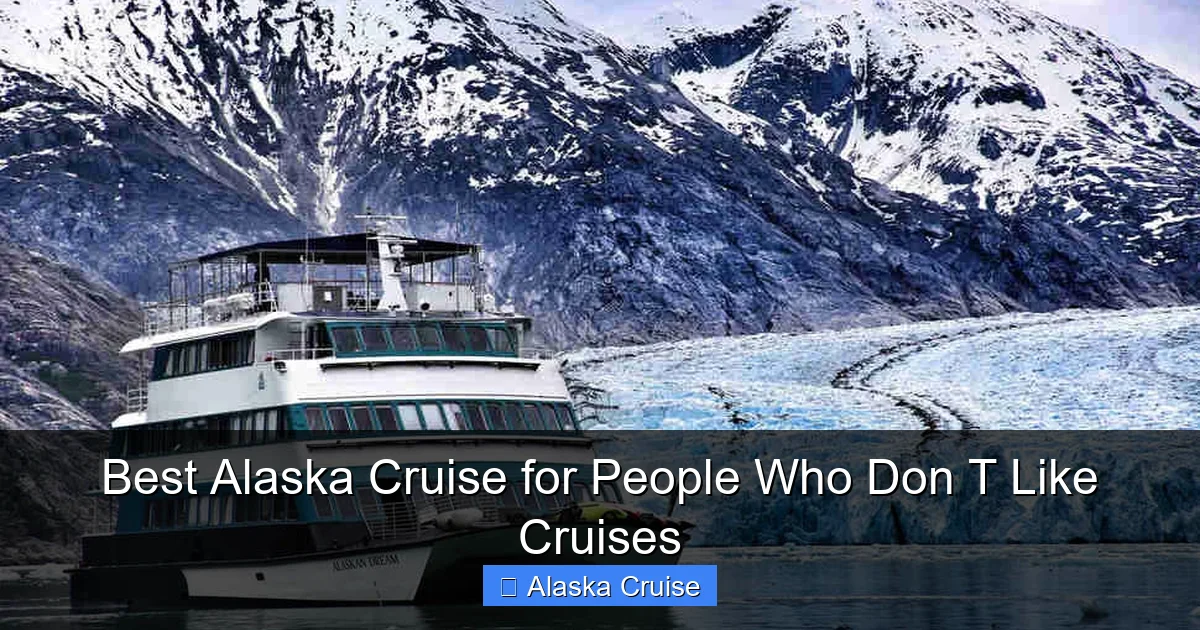
Many Alaska cruises use smaller vessels—some with fewer than 200 passengers. These ships can navigate tighter waterways, get closer to glaciers, and dock in smaller ports that big ships can’t reach. The atmosphere is more intimate, the service more personal, and the overall vibe more relaxed.
On a small ship, you’re not just a number. The crew learns your name. The naturalists give small-group talks. You can easily find a quiet corner on deck or strike up a conversation with fellow travelers. It feels less like a floating resort and more like a group of friends on a shared adventure.
More Time in Port, Less Time at Sea
One of the biggest complaints about cruises is the amount of time spent at sea with nothing to do. Alaska itineraries are designed to minimize that. Most 7-day cruises include four or five port stops, with long days in each location. That means you’re not just passing through—you’re actually exploring.
For example, in Juneau, you might spend eight hours on shore, giving you time for a whale-watching tour, a visit to the Mendenhall Glacier, or a dog sledding adventure on a glacier (yes, really). In Skagway, you can ride the historic White Pass & Yukon Route railway or hike through gold rush history. These aren’t quick photo ops—they’re full-day experiences.
Best Cruise Lines for Non-Cruisers in Alaska
Not all Alaska cruises are created equal. Some lines are better suited to travelers who want a low-key, nature-focused experience. Here are the top options for people who don’t typically enjoy cruises.
UnCruise Adventures
If you want an Alaska cruise that feels more like an expedition than a vacation, UnCruise is your best bet. Their ships are small—some carry as few as 22 passengers—and their focus is on adventure, wildlife, and hands-on exploration.
UnCruise offers kayaking, paddleboarding, hiking, and even snorkeling in some itineraries. Their naturalists are top-tier, often with backgrounds in marine biology or environmental science. The ships are cozy but comfortable, with open-seating dining and no formal dress codes. You won’t find a casino or a rock-climbing wall—just stunning views and meaningful experiences.
One traveler described it as “like being on a National Geographic trip, but with better food and a warm bed.” That’s the UnCruise vibe: educational, adventurous, and deeply respectful of the environment.
Lindblad Expeditions – National Geographic
Partnering with National Geographic gives Lindblad a serious edge in authenticity and expertise. Their ships, like the National Geographic Quest and Venture, are designed for exploration, with reinforced hulls for navigating icy waters and high-tech tools for underwater exploration.
What sets Lindblad apart is their team of experts—photographers, marine biologists, historians—who lead excursions and give daily presentations. You might go on a Zodiac cruise to see sea otters, then attend a talk on glacial retreat over dinner. The focus is on learning and discovery, not just sightseeing.
Their itineraries often include remote areas like the Tongass National Forest and the remote bays of the Inside Passage. If you’re the kind of traveler who reads guidebooks and watches nature documentaries, Lindblad will feel like a dream come true.
Hurtigruten (Now Hurtigruten Expeditions)
Originally a Norwegian coastal ferry service, Hurtigruten has evolved into a leader in sustainable, expedition-style cruising. Their Alaska ships, like the MS Roald Amundsen, are modern, eco-friendly, and built for adventure.
Hurtigruten emphasizes sustainability and cultural immersion. They work with local communities, offer indigenous-led tours, and prioritize low-impact travel. Their ships have science centers, observation decks, and expert guides who bring the region’s ecology and history to life.
One of their standout features is the “Science Center,” where passengers can participate in citizen science projects, like monitoring marine life or collecting water samples. It’s a great way to feel involved, not just passive.
Alaska Seaplane Expeditions (Small Ship & Flightseeing)
For the ultimate non-cruise cruise experience, consider a hybrid trip that combines a small ship with seaplane flights. Companies like Mountain Air Express and Alaska Seaplanes offer multi-day packages where you travel by boat and plane, landing on remote lakes and glaciers.
Imagine waking up on a small yacht in a quiet bay, then taking a seaplane to a glacier for a helicopter landing and dog sledding. Or flying over the Juneau Icefield and landing on a remote beach for a picnic. These trips are expensive but unforgettable—and they completely bypass the traditional cruise model.
What to Look for in an Alaska Cruise When You’re a Cruise Skeptic
If you’re not a cruise person, you’ll want to be extra selective. Here’s what to prioritize when choosing your Alaska adventure.
Ship Size Matters
The smaller the ship, the better—for most non-cruisers. Ships under 300 passengers offer a more personal experience, quieter spaces, and better access to crew and excursions. They can also dock in smaller ports and navigate narrower channels, giving you closer views of glaciers and wildlife.
Avoid mega-ships with thousands of passengers. They’re loud, crowded, and often feel more like theme parks than nature retreats.
Itinerary Focus: Scenic Routes Over Party Ports
Look for itineraries that emphasize scenic sailing and wildlife viewing. The best routes include Glacier Bay National Park, Tracy Arm Fjord, and the Inside Passage. These areas offer dramatic landscapes and high chances of spotting whales, bears, and eagles.
Avoid cruises that spend too much time in commercial ports like Ketchikan (which can feel touristy) unless they offer unique excursions. Instead, seek out itineraries that include remote anchorages, Zodiac tours, and guided hikes.
Onboard Experience: Relaxed, Not Rowdy
Choose a cruise line with a relaxed atmosphere. Look for open-seating dining, no formal nights, and minimal onboard entertainment. You want a ship where you can wear jeans to dinner and spend your evening on deck with a book, not one where you’re expected to attend a comedy show or dance party.
Many expedition-style lines offer evening lectures by naturalists or photographers—these are a great alternative to traditional cruise entertainment.
Excursion Options: Active and Immersive
The best Alaska cruises offer a range of excursions that go beyond bus tours. Look for options like kayaking, hiking, wildlife photography workshops, and cultural visits with local communities.
For example, in Haines, you might take a guided bear-watching tour in the Chilkat Bald Eagle Preserve. In Sitka, you could visit a Tlingit cultural center or go sea kayaking among sea otters. These experiences make the trip feel more like an adventure than a sightseeing tour.
Sustainability and Respect for Nature
Alaska is a fragile ecosystem, and the best cruise lines treat it with care. Look for companies that follow strict environmental guidelines, support local conservation efforts, and educate passengers about responsible travel.
Lines like Lindblad and Hurtigruten are leaders in sustainable cruising, with low-emission ships, waste reduction programs, and partnerships with conservation groups.
Sample Itinerary: A 7-Day Alaska Cruise for Non-Cruisers
Here’s what a typical week might look like on a small-ship Alaska cruise designed for nature lovers and cruise skeptics.
Day 1: Depart from Seattle or Vancouver
You board a small expedition ship in the afternoon. The vibe is relaxed—no lines, no chaos. After a brief safety drill, you head to the observation deck to watch the city skyline fade into the mist. Dinner is casual, with local seafood and regional wines. The evening features a welcome talk by the expedition leader, who sets the tone for the week: “We’re here to explore, not entertain.”
Day 2: At Sea – Inside Passage
You wake up to calm waters and forested shores. The ship sails through the Inside Passage, a narrow channel flanked by mountains and waterfalls. Naturalists give talks on the region’s ecology, and the crew points out wildlife—bald eagles, seals, and maybe even a passing whale. You spend the day on deck, bundled up, camera ready.
Day 3: Ketchikan – Rainforest and Culture
After breakfast, you dock in Ketchikan, known as the “Salmon Capital of the World.” You join a guided walk through the Tongass National Forest, learning about old-growth trees and native plants. Later, you visit a Tlingit village and watch a traditional dance performance. The port is busy, but your small group avoids the crowds.
Day 4: At Sea – Tracy Arm Fjord
No port today—just pure scenery. The ship enters Tracy Arm, a narrow fjord surrounded by 3,000-foot cliffs. Icebergs float in the water, and waterfalls pour down the rock faces. You take a Zodiac tour to get closer to the Sawyer Glacier, where you watch chunks of ice break off and crash into the sea. It’s loud, cold, and absolutely breathtaking.
Day 5: Juneau – Whales and Glaciers
Juneau is Alaska’s capital—and a nature lover’s paradise. You spend the morning on a whale-watching tour, spotting humpbacks feeding near the surface. After lunch, you hike to the base of the Mendenhall Glacier, a massive river of ice that’s receding due to climate change. The contrast between the blue ice and the green forest is stunning.
Day 6: Skagway – Gold Rush History
Skagway is a step back in time. You ride the White Pass & Yukon Route railway, a narrow-gauge train that climbs steep mountains through tunnels and over trestles. The views are dramatic, and the history is fascinating. Back in town, you explore the gold rush museums and maybe try your hand at panning for gold.
Day 7: Disembark in Seattle or Vancouver
After breakfast, you say goodbye to the crew and fellow travelers. You’re tired, inspired, and already planning your next adventure. You didn’t feel like you were on a cruise—you felt like you were on a journey.
Tips for Making the Most of Your Alaska Cruise
Even the best cruise can be improved with a little preparation. Here are some practical tips for non-cruisers.
Pack Smart for the Weather
Alaska weather is unpredictable. Even in summer, temperatures can range from 40°F to 70°F, with rain and wind common. Pack layers: a waterproof jacket, warm fleece, gloves, and a hat. Waterproof boots are a must for shore excursions. Don’t forget binoculars, sunscreen, and a good camera.
Book Excursions Early
Popular tours—like whale watching, dog sledding, and glacier hikes—sell out quickly. Book them as soon as your cruise is confirmed, either through the cruise line or a trusted local operator.
Bring a Reusable Water Bottle
Most ships provide filtered water, and many ports have refill stations. This reduces plastic waste and saves money. Plus, staying hydrated is key when you’re hiking or kayaking.
Embrace the Quiet Moments
One of the best parts of an Alaska cruise is the silence. Sit on deck at dawn, listen to the waves, and watch the light change on the mountains. These moments are rare in modern life—don’t rush past them.
Talk to the Crew and Naturalists
The people onboard are often the highlight of the trip. Ask questions, join their talks, and learn from their expertise. Many have lived in Alaska for years and have incredible stories to share.
Why This Might Be the Cruise You Finally Love
If you’ve avoided cruises in the past, Alaska might be the exception. It’s not about the ship—it’s about the experience. You’re not escaping reality; you’re diving into it. The landscapes are raw, the wildlife is real, and the sense of adventure is palpable.
You’re not trapped on a floating city. You’re on a moving observation deck, gliding through one of the last great wildernesses on Earth. And when you do go ashore, you’re not just visiting a port—you’re exploring a world of glaciers, forests, and cultures that few people ever see.
So if you’re on the fence, give Alaska a chance. Choose a small ship, focus on nature, and leave your cruise expectations at home. You might just discover that the best Alaska cruise for people who don’t like cruises is the one that makes you fall in love with the idea of cruising—on your own terms.
Frequently Asked Questions
Can I really enjoy a cruise if I hate big ships and crowds?
Yes—especially in Alaska. Small expedition ships with fewer than 300 passengers offer a quieter, more personal experience. You’ll avoid the chaos of mega-ships and spend more time in nature than in crowded lounges.
Do I have to participate in onboard activities?
Not at all. Many Alaska-focused cruise lines have minimal entertainment and no mandatory activities. You can spend your days on deck, in the lounge with a book, or attending optional naturalist talks—no pressure.
What if I get seasick?
Alaska’s Inside Passage is known for calm waters, especially in summer. Smaller ships also tend to have stabilizers and sail in protected channels. If you’re prone to motion sickness, bring medication and choose a mid-ship cabin for less movement.
Are Alaska cruises expensive?
They can be, especially expedition-style lines. But compared to booking flights, hotels, and tours separately, a cruise can be cost-effective. Look for early booking discounts and consider shorter itineraries to save money.
Can I customize my excursions?
Yes—many lines allow you to book independent tours or choose from a range of options. Just make sure your operator is reputable and follows local guidelines. Some ships even offer flexible excursion packages.
Is an Alaska cruise environmentally friendly?
It depends on the cruise line. Choose companies with strong sustainability practices, like Lindblad or Hurtigruten, which use low-emission ships, reduce waste, and support conservation. Avoid lines with poor environmental records.