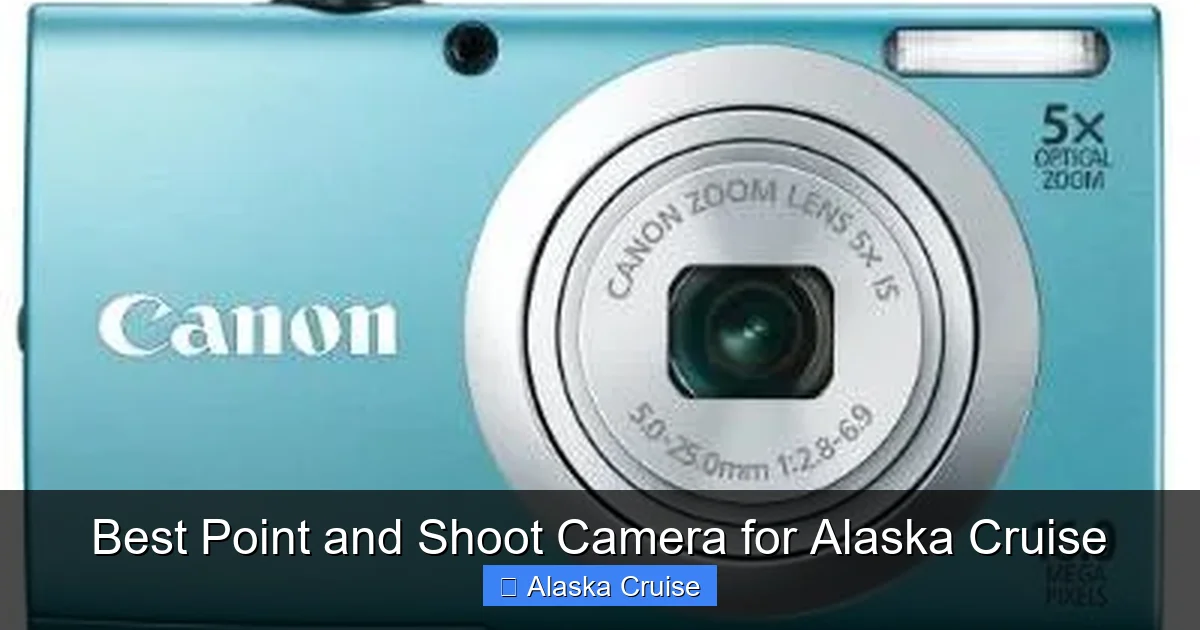
Choosing the best point and shoot camera for an Alaska cruise means balancing image quality, portability, weather resistance, and ease of use. Whether you’re photographing glaciers, whales, or mountain vistas, the right camera ensures you capture every breathtaking moment without the hassle of bulky gear.
Planning an Alaska cruise is like stepping into a living postcard—towering glaciers, snow-capped peaks, playful whales, and grizzly bears fishing in rushing rivers. Every turn of the ship offers a new, awe-inspiring vista. But to truly preserve these moments, you need the right tool: a reliable, high-performing point and shoot camera. Unlike DSLRs or mirrorless cameras, point and shoot models offer simplicity, portability, and ease of use—perfect for travelers who want great photos without the learning curve.
Alaska’s unpredictable weather and remote landscapes demand a camera that can handle the elements. Rain, fog, and sudden temperature drops are common, especially along the Inside Passage. Add in the constant motion of a cruise ship, and you’ve got a challenging environment for photography. That’s why choosing the best point and shoot camera for an Alaska cruise isn’t just about image quality—it’s about durability, versatility, and reliability.
In this guide, we’ll walk you through everything you need to know to pick the ideal compact camera for your Alaskan adventure. From zoom capabilities to battery performance, we’ll cover the features that matter most and recommend top models that deliver stunning results in real-world cruise conditions.
Key Takeaways
- Weather sealing is essential: Alaska’s coastal climate brings rain, fog, and salt spray—look for cameras with robust build quality and moisture resistance.
- Optical zoom matters more than megapixels: A strong zoom (20x or higher) lets you capture distant wildlife like bears and whales without disturbing them.
- Image stabilization is a game-changer: Reduces blur from boat movement and low-light conditions, especially during early morning or evening excursions.
- Compact size and lightweight design: You’ll be carrying your camera all day—choose one that fits easily in a pocket or small bag.
- Fast autofocus and burst mode: Crucial for capturing fast-moving wildlife and action shots during shore excursions.
- Battery life and charging options: Cold weather drains batteries quickly—opt for models with long life or USB charging for on-the-go power.
- User-friendly interface: Intuitive controls and scene modes help you focus on the scenery, not settings.
📑 Table of Contents
Why a Point and Shoot Camera Is Ideal for Alaska Cruises
When you’re cruising through Alaska, your hands are often full—grabbing railings during rough seas, holding binoculars to spot wildlife, or sipping hot cocoa while admiring the view. Carrying a heavy DSLR with multiple lenses isn’t just impractical—it’s stressful. That’s where point and shoot cameras shine. They’re lightweight, pocketable, and ready to shoot in seconds.
Unlike professional cameras, point and shoots are designed for simplicity. Most come with automatic modes that adjust settings based on the scene—perfect for travelers who don’t want to fiddle with aperture or shutter speed. Many also include built-in Wi-Fi or Bluetooth, allowing you to instantly share photos with friends or back them up to the cloud.
Another advantage? Durability. Many modern point and shoots are built to withstand tough conditions. Look for models with weather sealing, shock resistance, and cold-weather performance. These features ensure your camera keeps working when you need it most—whether you’re on a Zodiac boat chasing orcas or hiking through a misty rainforest.
Portability and Convenience
Imagine stepping off the ship for a day of exploring Juneau or Ketchikan. You’re wearing layers, carrying a backpack, and maybe even trekking through mud or snow. The last thing you want is a bulky camera slowing you down. Point and shoot cameras are designed for exactly this kind of travel. Most weigh under a pound and fit easily in a jacket pocket or small crossbody bag.
This portability means you’re more likely to have your camera with you at all times—whether you’re dining on deck, walking through a native village, or riding a tram up a mountain. And because they’re so easy to use, you can hand the camera to a friend or family member without worrying about them missing the shot.
Ease of Use for All Skill Levels
Not everyone is a photography expert, and that’s okay. Alaska is about experiencing nature, not mastering manual settings. Point and shoot cameras excel at making great photos accessible to everyone. With intelligent auto modes, face detection, and scene recognition, these cameras do the thinking for you.
Many models also include fun features like panorama mode, which is perfect for capturing sweeping views of fjords and glaciers. Some even have built-in filters or creative modes that add a artistic touch without needing editing software.
Key Features to Look for in an Alaska Cruise Camera
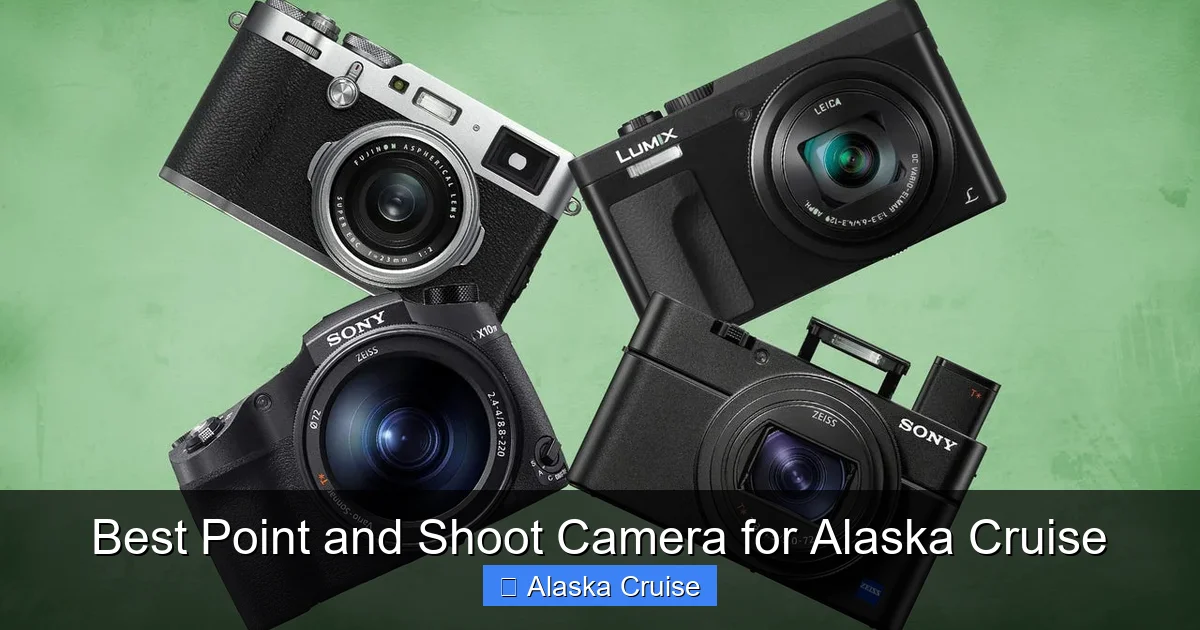
Visual guide about Best Point and Shoot Camera for Alaska Cruise
Image source: assets1.ignimgs.com
Not all point and shoot cameras are created equal—especially when it comes to handling Alaska’s unique environment. To get the best results, focus on these essential features when making your choice.
Optical Zoom Range
One of the biggest challenges of Alaska photography is distance. Wildlife like whales, eagles, and bears often appear far from shore. A strong optical zoom lets you get close without disturbing the animals or risking your safety.
Look for cameras with at least a 20x optical zoom. This allows you to zoom in on a whale breaching half a mile away or capture a bald eagle perched high in a spruce tree. Unlike digital zoom, optical zoom maintains image quality by physically adjusting the lens.
For example, the Panasonic Lumix ZS80 offers a 30x optical zoom (24-720mm equivalent), making it ideal for wildlife spotting. The Canon PowerShot SX740, with its 40x zoom, is another excellent choice for long-range shots.
Image Stabilization
Cruise ships move—sometimes a lot. Even on calm days, the gentle rocking can cause camera shake, especially when using zoom. Image stabilization (IS) counteracts this by reducing blur in your photos and videos.
Optical image stabilization is the most effective type, using lens or sensor movement to compensate for hand shake. Some cameras also offer 5-axis stabilization, which handles motion in multiple directions—perfect for bumpy boat rides or hiking on uneven terrain.
When testing a camera, try zooming in and taking a photo while standing on a moving surface. If the image stays sharp, you’ve got a winner.
Weather Resistance and Build Quality
Alaska’s weather is famously unpredictable. One minute it’s sunny, the next it’s pouring rain or foggy. Salt spray from the ocean can also damage electronics over time. That’s why weather sealing is a must-have feature.
Look for cameras labeled as “weather-resistant” or “splash-proof.” These models have sealed buttons, ports, and lenses to prevent moisture from entering. Some, like the Olympus Tough TG-6, are even waterproof up to 50 feet—ideal if you’re planning kayaking or rafting excursions.
Cold weather is another concern. Batteries drain faster in low temperatures, and some cameras may shut down unexpectedly. Choose a model known for cold-weather performance, and consider carrying spare batteries in an insulated pouch.
Low-Light Performance
Alaska’s northern latitude means shorter days, especially in late summer or early fall. You’ll often be shooting in low light—during early morning wildlife tours, evening glacier views, or inside dimly lit totem pole museums.
A larger sensor size (like a 1-inch sensor) helps capture more light, resulting in brighter, less noisy images. Cameras with fast apertures (f/2.8 or lower) also perform better in dim conditions.
The Sony RX100 series, for example, features a 1-inch sensor and f/1.8 aperture, making it a top choice for low-light photography. While it’s pricier than some options, the image quality is unmatched in the point and shoot category.
Battery Life and Charging
There’s nothing worse than your camera dying mid-adventure. Cold weather accelerates battery drain, so look for models with long battery life—ideally 300+ shots per charge.
USB charging is a huge plus. It allows you to recharge your camera using a power bank, car charger, or even the ship’s outlets. This is especially helpful on long days when you can’t return to your cabin.
Some cameras, like the Canon PowerShot G7 X Mark III, support USB-C charging, which is faster and more convenient than older micro-USB ports.
Autofocus Speed and Burst Mode
Wildlife doesn’t wait. A bear might appear for just a few seconds, or a whale might breach and disappear in an instant. Fast autofocus ensures you lock onto your subject quickly, while burst mode lets you capture multiple shots in rapid succession.
Look for cameras with phase-detection autofocus or advanced contrast-detection systems. Burst modes of 10 frames per second (fps) or higher are ideal for action shots.
The Panasonic Lumix LX100 II, for instance, offers 11 fps burst shooting and excellent autofocus tracking—perfect for capturing dynamic moments.
Top Point and Shoot Cameras for Alaska Cruises
Now that you know what to look for, here are five of the best point and shoot cameras for your Alaska cruise, based on performance, durability, and real-world usability.
1. Sony RX100 VII
The Sony RX100 VII is the gold standard for premium compact cameras. With a 1-inch sensor, 24-200mm zoom lens, and blazing-fast autofocus, it delivers DSLR-quality images in a pocket-sized body.
Its real-time tracking and eye autofocus make it ideal for photographing people and animals. The 20 fps burst mode with no blackout is perfect for capturing fast-moving wildlife. While it lacks weather sealing, its compact size and image quality make it a favorite among serious travelers.
Best for: Travelers who want top-tier image quality and don’t mind the higher price.
2. Panasonic Lumix ZS80 (TZ95)
This camera combines a 30x optical zoom (24-720mm) with 4K video and excellent image stabilization. It’s weather-sealed, making it a great match for Alaska’s damp climate.
The built-in Wi-Fi and Bluetooth allow easy photo sharing, and the USB charging means you can top up during the day. The touchscreen interface is intuitive, and the camera performs well in low light for its class.
Best for: Wildlife enthusiasts who need long zoom and reliable performance.
3. Canon PowerShot SX740 HS
At under $400, the SX740 offers incredible value. Its 40x optical zoom (24-960mm) lets you capture distant subjects with clarity, and the 30 fps burst mode is great for action shots.
It’s lightweight, easy to use, and supports USB charging. While it lacks weather sealing, its affordability and zoom power make it a solid choice for budget-conscious travelers.
Best for: First-time buyers or those on a tight budget who still want strong zoom.
4. Olympus Tough TG-6
If you’re planning adventurous excursions—kayaking, hiking, or exploring tide pools—the TG-6 is built to survive. It’s waterproof, shockproof, freezeproof, and crushproof.
It features a 4x zoom (25-100mm), which is modest, but its macro mode is excellent for close-up shots of flowers, insects, or ice formations. The built-in GPS and compass are handy for logging your adventures.
Best for: Active travelers who need a rugged, all-weather camera.
5. Canon PowerShot G7 X Mark III
This camera strikes a great balance between size, performance, and price. It has a 1-inch sensor, f/1.8-2.8 aperture, and 4.2x zoom (24-100mm)—ideal for low-light and portrait photography.
It supports 4K video, USB-C charging, and has a flip-up screen for selfies or vlogging. While not weather-sealed, its image quality rivals much larger cameras.
Best for: Content creators and travelers who want great photos and videos in a compact package.
Tips for Getting the Best Photos on Your Alaska Cruise
Even with the best camera, great photos require a bit of know-how. Here are some practical tips to help you capture Alaska’s beauty like a pro.
Shoot During Golden Hour
The hour after sunrise and before sunset—known as golden hour—offers soft, warm light that enhances landscapes and reduces harsh shadows. In Alaska, this often means early mornings or late evenings, when the light glows off glaciers and mountains.
Try to be on deck during these times. The low angle of the sun creates long shadows and rich colors, especially over water and snow.
Use a Polarizing Filter (or In-Camera Equivalent)
Water, ice, and glass can create glare that washes out your photos. A polarizing filter reduces reflections and boosts color saturation—especially useful when photographing fjords or glaciers.
Many modern cameras have a “polarizing” or “vivid” scene mode that mimics this effect. If your camera doesn’t, consider buying a clip-on filter or editing your photos later to reduce glare.
Get Low for Wildlife Shots
When photographing animals, try to get down to their eye level. This creates a more intimate and engaging image. If you’re on a Zodiac or kayak, crouch low to the water.
For birds in flight, use continuous autofocus and burst mode. Pan your camera smoothly to follow the movement and keep the subject in frame.
Capture the Scale
Alaska’s landscapes are vast, but photos can sometimes make them look small. To show scale, include a person, boat, or tree in the frame. This helps viewers understand the enormity of glaciers, mountains, and waterfalls.
For example, a photo of a tiny kayak in front of a massive glacier emphasizes the power and size of nature.
Don’t Forget the Details
While sweeping vistas are stunning, don’t overlook the small moments: a droplet on a leaf, a pattern in the ice, or a totem pole’s intricate carving. Macro mode or close-up shots add variety to your photo collection and tell a richer story.
Accessories to Enhance Your Camera Experience
A great camera is just the start. These accessories can make your Alaska photography even better.
Spare Batteries and Memory Cards
Cold weather drains batteries fast. Carry at least one spare battery and keep it warm in an inner pocket. Also, bring extra memory cards—Alaska’s beauty will have you shooting nonstop.
Portable Power Bank
USB charging cameras let you recharge on the go. A compact power bank ensures you never run out of juice, even on all-day excursions.
Lens Cleaning Kit
Salt spray, rain, and fingerprints can ruin your shots. A microfiber cloth, lens pen, and blower brush keep your lens clean and clear.
Compact Tripod or Mini Pod
For long exposures—like capturing flowing water or night skies—a small tripod helps stabilize your camera. Some models even attach to railings or rocks.
Camera Strap or Wrist Strap
A secure strap prevents drops, especially on windy decks or wet boats. Look for one with a quick-release buckle for easy access.
Conclusion
An Alaska cruise is a once-in-a-lifetime experience, and the right point and shoot camera ensures you capture every unforgettable moment. From towering glaciers to playful sea otters, the scenery is nothing short of spectacular. But to do it justice, you need a camera that’s as reliable and versatile as the landscape itself.
Focus on key features like optical zoom, image stabilization, weather resistance, and battery life. Choose a model that fits your budget and travel style—whether you’re a casual shooter or a budding photographer. And don’t forget the accessories that keep your gear running smoothly.
With the best point and shoot camera for Alaska cruise adventures in hand, you’ll return home with more than just souvenirs—you’ll have a visual story of one of the world’s most breathtaking destinations. So pack your bags, charge your batteries, and get ready to shoot your way through the wild beauty of Alaska.
Frequently Asked Questions
What is the best zoom range for wildlife photography in Alaska?
A 20x to 40x optical zoom is ideal for capturing distant wildlife like whales, bears, and eagles. This range allows you to get close-up shots without disturbing the animals or compromising safety.
Do I need a waterproof camera for an Alaska cruise?
While not mandatory, a weather-resistant or waterproof camera is highly recommended. Alaska’s coastal environment includes rain, fog, and salt spray, which can damage electronics over time.
Can I charge my camera on the cruise ship?
Yes, most cruise ships have electrical outlets in cabins. Cameras with USB charging (especially USB-C) can be powered using a wall adapter or portable power bank, making recharging convenient.
Is a point and shoot camera better than a smartphone for Alaska photos?
Yes, for serious photography. Point and shoot cameras offer better zoom, image stabilization, low-light performance, and manual controls—features most smartphones lack, especially in challenging conditions.
How do I protect my camera from cold weather?
Keep spare batteries warm in an inner pocket, use a protective case, and avoid exposing the camera to rapid temperature changes. Turn it off when not in use to conserve battery life.
What’s the best time of day to take photos on an Alaska cruise?
Golden hour—just after sunrise and before sunset—offers the most flattering light. The soft, warm glow enhances landscapes and reduces harsh shadows, especially over water and snow.