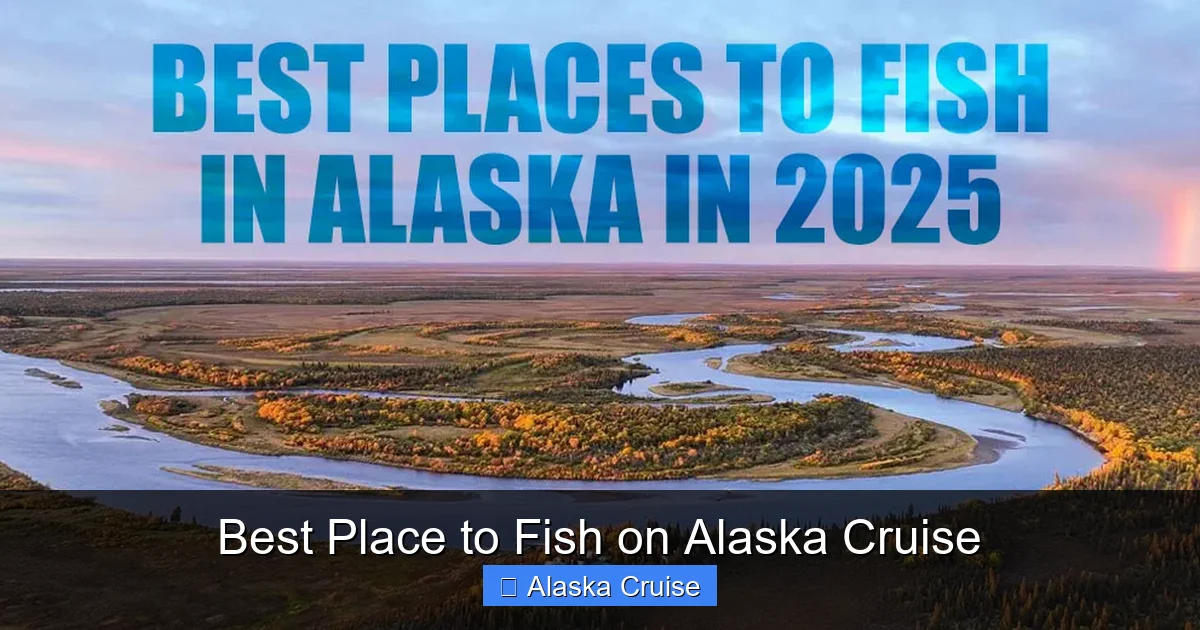
Looking for the best place to fish on Alaska cruise trips? The Inside Passage, especially around Juneau and Ketchikan, offers world-class salmon and halibut fishing. With calm waters, abundant wildlife, and guided charters, it’s a dream destination for anglers of all levels.
Key Takeaways
- Juneau is a top fishing hub: Known for salmon, halibut, and rockfish, Juneau offers accessible shore and boat fishing near cruise ports.
- Ketchikan’s rich waters: Called the “Salmon Capital of the World,” Ketchikan provides excellent opportunities for catching all five Pacific salmon species.
- Glacier Bay offers unique experiences: While fishing is limited, the scenic backdrop and marine life make it a must-see stop on any Alaska cruise.
- Guided charters enhance success: Local guides know the best spots, tides, and techniques, increasing your chances of a great catch.
- Peak season is May to September: Salmon runs peak in summer, making this the ideal time for fishing on an Alaska cruise.
- Halibut are abundant in deeper waters: Charter boats often head offshore to target these large, flat fish near Sitka and Icy Strait.
- Pack smart and check regulations: Bring layered clothing, rain gear, and ensure you have the proper fishing license and gear.
📑 Table of Contents
Why Fishing on an Alaska Cruise Is a Must-Do Adventure
Imagine standing on the deck of a cruise ship, surrounded by snow-capped mountains, misty fjords, and the crisp, clean air of the Alaskan wilderness. Below the surface, the icy waters teem with some of the most prized fish in the world—salmon, halibut, rockfish, and more. For many travelers, the best place to fish on Alaska cruise itineraries isn’t just a side activity—it’s the highlight of the entire trip.
Alaska cruises offer a rare blend of luxury and adventure. While you enjoy fine dining, live entertainment, and spacious cabins, you’re also just a short tender ride away from some of the most productive fishing grounds on the planet. Whether you’re a seasoned angler or a curious beginner, the opportunity to drop a line into these pristine waters is both thrilling and rewarding. The combination of stunning scenery, abundant fish populations, and expert local guides makes Alaska a top-tier destination for cruise-based fishing.
What sets Alaska apart from other fishing destinations is its wild, untouched environment. Unlike heavily fished coastal areas in the lower 48, Alaska’s waters are managed sustainably, ensuring healthy fish stocks for years to come. The state’s strict regulations and seasonal closures help protect species like king salmon and halibut, allowing anglers to enjoy a responsible and ethical fishing experience. Plus, the sheer variety of fish means you’re never bored—each port offers something new.
Top Ports for Fishing on an Alaska Cruise
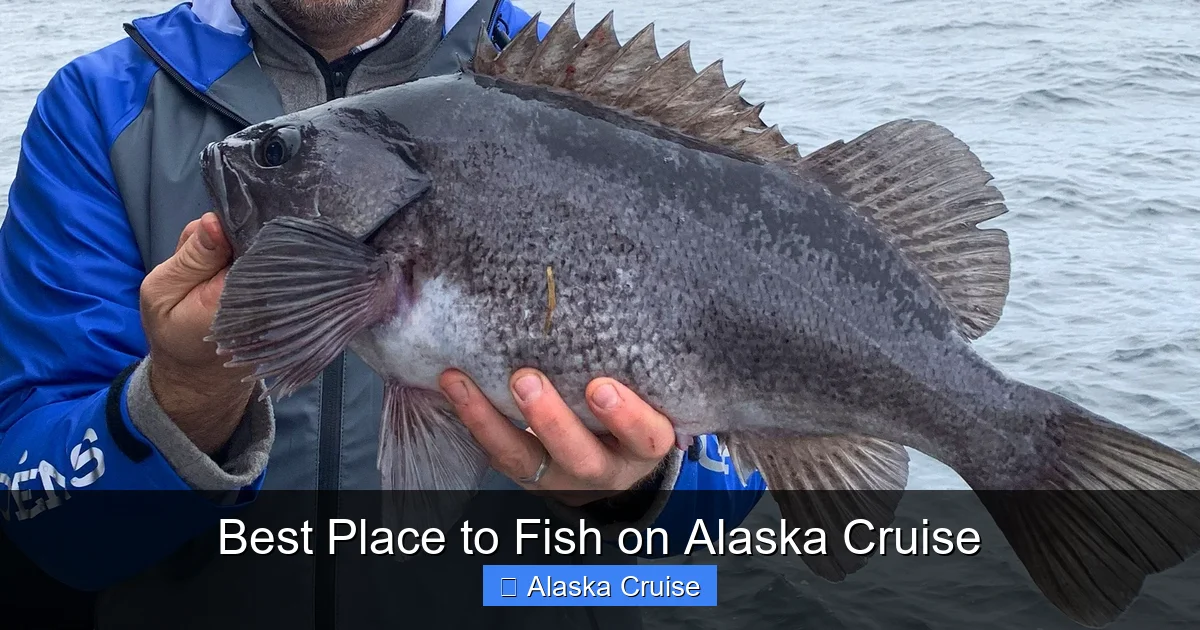
Visual guide about Best Place to Fish on Alaska Cruise
Image source: fishalaskamagazine.com
When it comes to finding the best place to fish on Alaska cruise routes, certain ports consistently rise to the top. These destinations not only offer easy access to prime fishing waters but also provide a range of charter options, local expertise, and scenic backdrops that enhance the overall experience.
Juneau: The Heart of Alaskan Fishing
Juneau, Alaska’s capital city, is often considered the epicenter of cruise-based fishing. Nestled along the Gastineau Channel and surrounded by the Tongass National Forest, Juneau offers a mix of urban convenience and wild adventure. It’s one of the most popular stops on Inside Passage cruises, and for good reason—its waters are rich with salmon, halibut, and rockfish.
One of the biggest advantages of fishing in Juneau is accessibility. Many charter boats depart directly from the cruise ship dock, meaning you can be on the water within minutes of disembarking. Local operators like Alaskan Dream Charters and Juneau Halibut Fishing offer half-day and full-day trips tailored to cruise passengers. These charters typically include all gear, licenses, and even fish processing, so you can take your catch home.
Salmon fishing is particularly strong in Juneau, especially during the summer months. King (Chinook), silver (Coho), and pink salmon all run through the area, with peak seasons varying by species. King salmon, the largest and most prized, are most abundant in May and June. Silver salmon take over in July and August, offering fast action and acrobatic fights. For halibut, the deeper waters near the outer coast are the place to be. These flatfish can weigh over 100 pounds, and catching one is a true test of strength and skill.
Ketchikan: The Salmon Capital of the World
If you’re serious about salmon, Ketchikan should be at the top of your list. Known as the “Salmon Capital of the World,” this charming coastal town sees millions of salmon return to its rivers and streams each year. Located in the heart of the Tongass National Forest, Ketchikan is a gateway to some of the most productive salmon fisheries on the planet.
The town’s proximity to the Revillagigedo Channel and nearby freshwater rivers makes it ideal for both saltwater and freshwater fishing. Cruise passengers can choose from a variety of charters that target specific species. For example, some boats focus on trolling for king and silver salmon in open water, while others venture into protected bays for pink and chum salmon.
One unique aspect of fishing in Ketchikan is the chance to fish right from the shore. Several local parks and docks allow shore fishing for salmon during peak runs. While you might not land a trophy-sized fish from land, it’s a fun and low-cost way to get a taste of Alaskan angling. For a more immersive experience, consider a guided charter that includes a stop at a salmon hatchery or a visit to a native fish camp.
Sitka: A Hidden Gem for Halibut and Salmon
Sitka, located on Baranof Island, is a quieter alternative to Juneau and Ketchikan, but it’s no less impressive when it comes to fishing. This historic Russian-American town offers a mix of cultural charm and rugged natural beauty, with mountains rising directly from the sea and dense forests blanketing the coastline.
What makes Sitka special is its access to deep-water halibut grounds. The waters around Sitka are known for producing some of the largest halibut in Alaska, with fish regularly exceeding 50 pounds. Charter boats often head offshore to target these giants, using heavy tackle and bait like herring or octopus. The fight with a big halibut is legendary—it’s a slow, powerful battle that can last for 20 minutes or more.
Salmon are also abundant in Sitka, particularly during the summer months. King salmon are common in May and June, while silver salmon dominate in July and August. Some charters even offer combo trips, targeting both salmon and halibut in a single outing. Because Sitka is less crowded than other ports, you’re likely to have more space on the boat and a more personalized experience with your guide.
Icy Strait Point: Adventure Meets Fishing
Icy Strait Point, near Hoonah, is one of the most unique stops on an Alaska cruise. This privately owned destination is designed specifically for cruise passengers, offering a range of outdoor activities in a stunning natural setting. While it’s best known for its zip line and bear viewing, Icy Strait Point is also a fantastic spot for fishing.
The waters around Icy Strait are rich with salmon, especially during the summer runs. Charter boats depart from the dock and head into the strait, where trolling for silver and pink salmon is highly productive. The area is also known for its calm waters, making it ideal for families and less experienced anglers.
One of the standout features of fishing at Icy Strait Point is the opportunity to combine it with other adventures. Imagine reeling in a salmon in the morning, then heading ashore for a bear-watching tour or a cultural performance by the local Tlingit community. It’s a full-day experience that goes beyond just fishing.
Glacier Bay: A Scenic Detour (With Limited Fishing)
While Glacier Bay National Park is not a traditional fishing destination, it’s worth mentioning as part of the Alaska cruise experience. This UNESCO World Heritage Site is renowned for its towering glaciers, calving icebergs, and abundant marine wildlife. However, fishing is restricted within the park to protect its fragile ecosystem.
That said, the waters just outside Glacier Bay are open to angling, and some cruise lines offer optional fishing excursions in the area. These trips typically focus on salmon and rockfish, with charters departing from nearby ports like Gustavus. While you won’t be fishing directly in front of a glacier, the backdrop is still breathtaking, and the chance to see whales, sea lions, and puffins adds to the adventure.
Best Time to Fish on an Alaska Cruise
Timing is everything when it comes to fishing on an Alaska cruise. The state’s fish populations follow seasonal patterns, and knowing when to go can make a huge difference in your success.
Peak Season: May to September
The prime fishing window in Alaska runs from late May through September. This period coincides with the salmon runs, when millions of fish return from the ocean to spawn in freshwater rivers. Each species has its own peak:
– **King Salmon (Chinook):** May to early July
– **Sockeye Salmon (Red):** June to July
– **Coho Salmon (Silver):** July to August
– **Pink Salmon (Humpy):** July to August (even-numbered years)
– **Chum Salmon (Dog):** June to August
Halibut are available year-round, but the best fishing is typically from May to September, when the weather is calmer and the fish are more active.
Why Summer Is Ideal
Summer offers several advantages for anglers. The days are long—up to 18 hours of daylight in June—giving you plenty of time to fish. The weather is also more predictable, with mild temperatures and less rain compared to spring or fall. Plus, most cruise lines operate their full schedules during this time, so you’ll have more itinerary options.
That said, early season (May) can be excellent for king salmon, while late season (August) is prime for silver salmon and halibut. If you’re targeting a specific species, plan your cruise accordingly.
Types of Fish You Can Catch
Alaska’s waters are home to a diverse array of fish, each with its own characteristics and appeal. Here’s a closer look at the most popular species you might encounter.
Salmon: The Star of the Show
Salmon are the crown jewels of Alaskan fishing. There are five species of Pacific salmon found in Alaska:
– **King Salmon (Chinook):** The largest and most prized, kings can weigh over 50 pounds. They’re known for their rich flavor and strong fight.
– **Sockeye Salmon (Red):** Smaller than kings but highly valued for their bright red flesh and firm texture.
– **Coho Salmon (Silver):** Fast and aggressive, silvers are popular with sport anglers for their acrobatic leaps.
– **Pink Salmon (Humpy):** The most abundant but smallest salmon, pinks are often caught in large numbers during even-numbered years.
– **Chum Salmon (Dog):** Less popular for eating but still fun to catch, chums are strong fighters with distinctive markings.
Halibut: The Gentle Giants
Halibut are flatfish that live on the ocean floor. They’re slow-growing and can live for decades, with some reaching over 500 pounds. While most anglers catch fish in the 20- to 50-pound range, landing a “barn door” halibut (over 100 pounds) is the ultimate goal.
Halibut are typically caught using heavy tackle and bait like herring, squid, or octopus. The technique involves dropping the line to the bottom and waiting for a bite. When a halibut takes the bait, it often gives a subtle tug before taking off in a powerful run.
Rockfish and Lingcod: Underrated Delights
Rockfish and lingcod are often overlooked but are excellent table fare. Rockfish come in many varieties, including yelloweye, quillback, and black rockfish. They’re caught using jigs or bait near rocky reefs and kelp beds. Lingcod, with their large mouths and sharp teeth, are aggressive predators that put up a strong fight.
These species are especially common in deeper waters and are often caught as bycatch during halibut trips. Many charters will keep and process them for you, so you can enjoy a fresh fish dinner back on the ship.
How to Prepare for Fishing on an Alaska Cruise
Fishing on an Alaska cruise is an adventure, but it requires some preparation to ensure a smooth and enjoyable experience.
Book a Guided Charter
While it’s possible to fish from shore or rent gear locally, booking a guided charter is the best way to maximize your chances of success. Local guides know the best spots, current conditions, and techniques for targeting specific species. Most charters include:
– All fishing gear (rods, reels, tackle)
– Bait and lures
– Fishing license (or help obtaining one)
– Fish cleaning and packaging
Many cruise lines offer fishing excursions through their shore excursion programs. These are convenient and often include transportation, but they can be more expensive than booking directly with a local operator. If you book independently, make sure to confirm pickup times and locations with your cruise schedule.
Pack the Right Gear
Even if your charter provides rods and reels, you’ll want to bring some personal items:
– **Layered clothing:** Weather in Alaska can change quickly. Bring a waterproof jacket, fleece layers, and warm base layers.
– **Non-slip footwear:** Deck shoes or boots with good grip are essential.
– **Sunglasses and sunscreen:** The sun reflects off the water, increasing UV exposure.
– **Motion sickness remedies:** If you’re prone to seasickness, consider medication or wristbands.
– **Camera:** You’ll want to capture the moment you land that big fish!
Know the Regulations
Alaska has strict fishing regulations to protect its resources. Make sure you understand:
– **Licensing requirements:** Non-residents need a fishing license, which can often be purchased online or through your charter.
– **Bag limits:** There are daily limits on how many fish you can keep, depending on the species and location.
– **Size restrictions:** Some fish must be a certain size to keep.
– **Catch and release:** Some areas require releasing certain species.
Your guide will usually handle most of this, but it’s good to be informed.
Tips for a Successful Fishing Trip
Even with the best preparation, fishing can be unpredictable. Here are some tips to improve your odds:
– **Go early:** Fish are often more active in the morning.
– **Be patient:** Big fish don’t always bite right away.
– **Listen to your guide:** They know the local waters better than anyone.
– **Stay flexible:** Weather and tides can change plans, so be ready to adapt.
– **Enjoy the experience:** Even if you don’t catch anything, the scenery and adventure are worth it.
Conclusion
Finding the best place to fish on Alaska cruise itineraries comes down to choosing the right port, timing your trip correctly, and going with a knowledgeable guide. Whether you’re reeling in a king salmon in Juneau, battling a halibut near Sitka, or trolling for silvers in Ketchikan, the experience is unforgettable. Alaska’s wild waters, stunning landscapes, and abundant fish make it a top destination for anglers and cruise travelers alike. So pack your gear, book that charter, and get ready for the fishing adventure of a lifetime.
Frequently Asked Questions
Can I fish directly from the cruise ship?
No, cruise ships do not allow fishing from the deck. However, most ships dock near prime fishing areas, and you can easily join a guided charter or fish from shore in certain ports.
Do I need a fishing license in Alaska?
Yes, non-residents need a fishing license to fish in Alaska. Many charters include the cost of the license, or you can purchase one online before your trip.
What is the best time of year to fish on an Alaska cruise?
The best time is from May to September, when salmon runs are at their peak and weather conditions are most favorable for fishing.
Can I keep the fish I catch?
Yes, most charters will clean and package your catch for you to take home. Be sure to check bag limits and size restrictions for each species.
Are there family-friendly fishing options?
Absolutely. Many charters offer trips suitable for children, with shorter durations and lighter tackle. Icy Strait Point and Ketchikan are especially family-friendly.
What should I wear for fishing in Alaska?
Wear layered, waterproof clothing, including a rain jacket, fleece, and non-slip shoes. Bring gloves and a hat, as it can be cold and windy on the water.