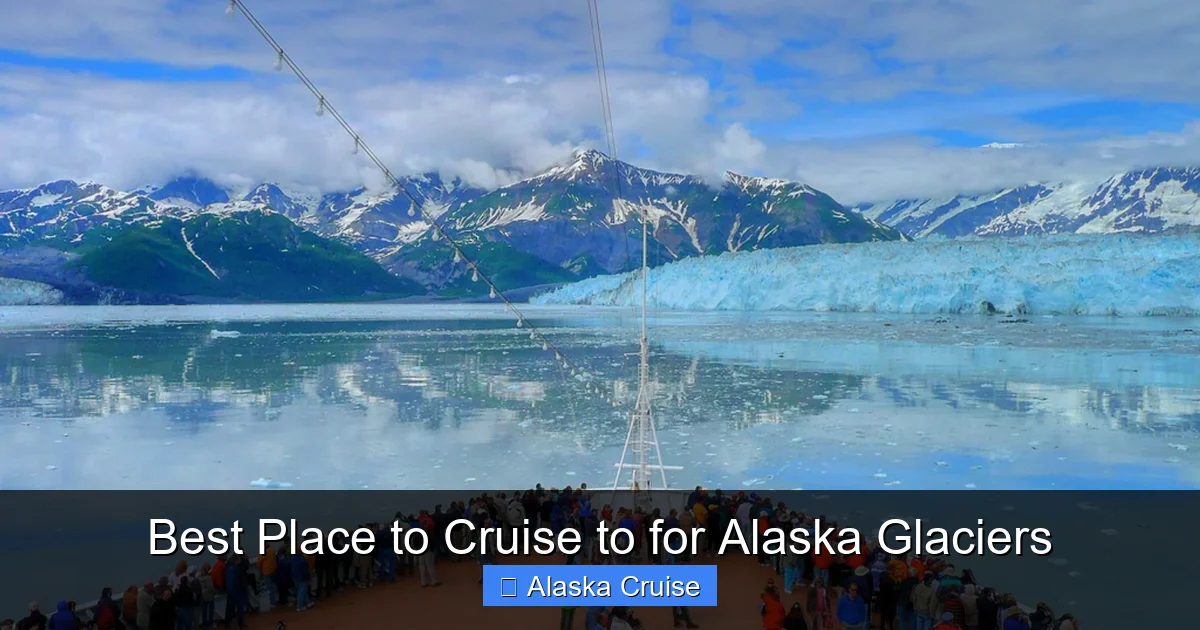
If you’re dreaming of towering ice walls, thunderous calving, and pristine wilderness, the best place to cruise to for Alaska glaciers is Glacier Bay National Park and Preserve. This UNESCO World Heritage Site offers unparalleled access to massive tidewater glaciers, abundant wildlife, and breathtaking scenery—all from the comfort of your cruise ship.
Key Takeaways
- Glacier Bay National Park is the top destination: It’s home to over a dozen active glaciers, including the famous Margerie and Grand Pacific Glaciers, making it the premier spot for glacier viewing.
- Summer months offer the best experience: Cruises from May to September provide calm waters, longer daylight hours, and peak wildlife activity.
- Smaller ships access more remote areas: Ships under 250 passengers can enter Glacier Bay, offering closer views and quieter experiences.
- Wildlife sightings are common: Expect to see humpback whales, sea otters, harbor seals, and bald eagles along the glacier routes.
- Book early for prime cabins and excursions: Glacier-focused cruises sell out quickly, especially those with naturalist guides and kayaking options.
- Pack layers and waterproof gear: Even in summer, temperatures near glaciers can be chilly, and sudden weather changes are common.
- Combine with other glacier stops: Pair Glacier Bay with Tracy Arm, Hubbard Glacier, or College Fjord for a full icy adventure.
📑 Table of Contents
- The Ultimate Alaska Glacier Cruise Destination: Why Glacier Bay Reigns Supreme
- Why Glacier Bay Beats Other Alaska Glacier Destinations
- Best Time to Cruise for Glacier Viewing
- Choosing the Right Cruise Line and Ship
- What to Expect: A Day in Glacier Bay
- Packing Tips and Practical Advice
- Combining Glacier Bay with Other Alaska Highlights
The Ultimate Alaska Glacier Cruise Destination: Why Glacier Bay Reigns Supreme
If you’ve ever stood in awe of a photograph showing a massive blue-tinted glacier calving into a fjord, chances are it was taken in Alaska. And if you’re planning a cruise to witness these natural wonders up close, you’re probably wondering: where is the best place to cruise to for Alaska glaciers? The answer, time and time again, is Glacier Bay National Park and Preserve.
Located in the heart of Southeast Alaska, Glacier Bay is more than just a scenic stop—it’s a living, breathing testament to the power of nature. This 3.3-million-acre wilderness is a UNESCO World Heritage Site and a Biosphere Reserve, recognized globally for its ecological significance and stunning beauty. What makes Glacier Bay truly special is its concentration of active tidewater glaciers. These aren’t the slow-moving ice sheets of the interior; these are dynamic, ever-changing rivers of ice that flow from the Saint Elias Mountains directly into the bay, where they meet the sea.
Cruising through Glacier Bay feels like stepping into a frozen cathedral. Towering cliffs of ice rise from the water, some reaching heights of over 200 feet. The air is crisp and clean, often filled with the distant rumble of ice breaking off—a phenomenon known as calving. It’s not just visually stunning; it’s a sensory experience that stays with you long after the cruise ends.
But Glacier Bay isn’t just about glaciers. The park is a haven for wildlife, from black and brown bears foraging along the shoreline to pods of humpback whales breaching in the distance. Seabirds nest on rocky outcrops, and sea otters float lazily on their backs, cracking shellfish on their chests. Every turn of the ship reveals something new, something magical.
What truly sets Glacier Bay apart is the level of protection and stewardship it receives. The National Park Service works closely with cruise lines to ensure that visits are sustainable and respectful of the environment. Only a limited number of ships are allowed into the park each day, and all must be accompanied by a certified naturalist guide. This means your experience isn’t just scenic—it’s educational and deeply respectful of the fragile ecosystem.
Why Glacier Bay Beats Other Alaska Glacier Destinations
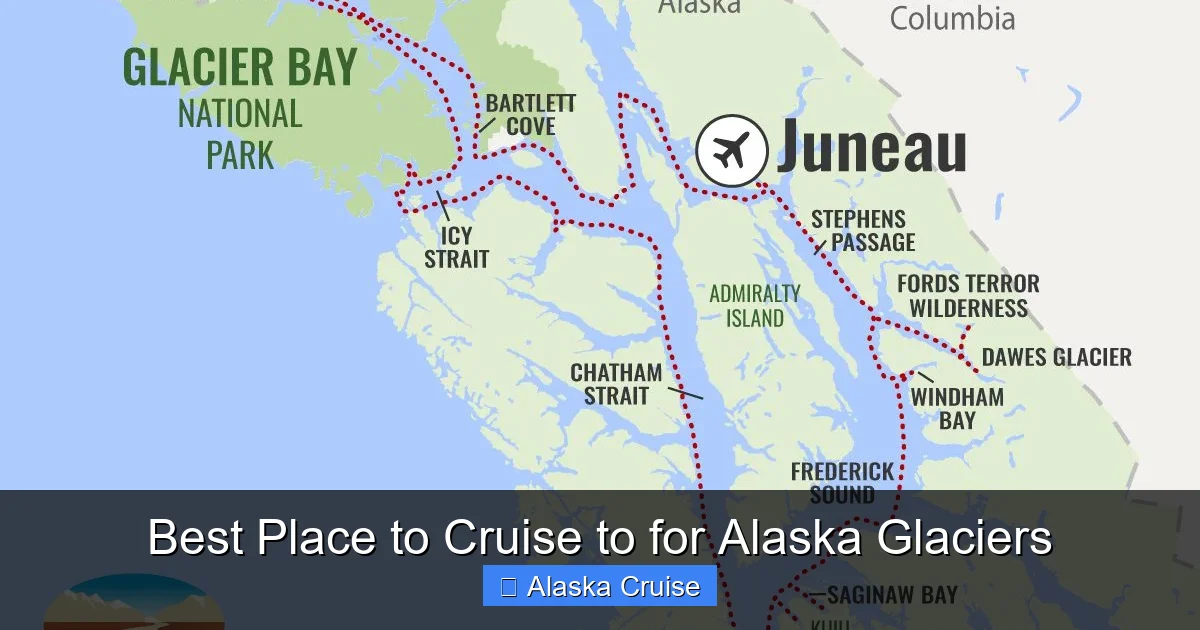
Visual guide about Best Place to Cruise to for Alaska Glaciers
Image source: alaskatours.com
Alaska is home to some of the most spectacular glaciers on Earth, so it’s natural to wonder why Glacier Bay stands out. After all, you’ve probably heard of Hubbard Glacier, Tracy Arm, and College Fjord—each with its own icy allure. But when it comes to consistency, accessibility, and sheer glacier density, Glacier Bay is in a league of its own.
Let’s start with Hubbard Glacier, often called the “galloping glacier” for its rapid advance. It’s massive—over 7 miles wide and towering 300 feet above the water. Ships often get close enough to feel the chill radiating from the ice. But Hubbard is a one-glacier show. While impressive, it doesn’t offer the variety that Glacier Bay does.
Then there’s Tracy Arm, a narrow fjord flanked by steep cliffs and home to the twin Sawyer Glaciers. It’s dramatic and photogenic, with waterfalls cascading down granite walls and icebergs dotting the water. But Tracy Arm is harder to access. It’s prone to ice blockages, and not all ships can enter. Plus, it’s often shrouded in fog, which can limit visibility.
College Fjord, near Whittier, is another favorite. It’s lined with over 20 glaciers, many named after Ivy League schools. The views are stunning, especially on clear days. But College Fjord is typically a day trip from Anchorage or Whittier, not a full cruise destination. It’s more of a scenic detour than a glacier immersion.
Glacier Bay, by contrast, offers a full-day experience with multiple glacier encounters. You’ll pass by the Margerie Glacier, known for its deep blue ice and frequent calving events. Just a short distance away is the Grand Pacific Glacier, which forms a natural border with Canada. The park also features the Johns Hopkins Glacier, one of the few advancing glaciers in the region, and the Lamplugh Glacier, which calves directly into a turquoise lagoon.
Another advantage? Glacier Bay is part of a larger network of protected areas. The park connects to the Tongass National Forest and the Wrangell-St. Elias National Park, creating one of the largest contiguous protected wilderness areas in the world. This means the ecosystem is intact, and wildlife thrives.
And let’s not forget the human element. The Huna Tlingit people have lived in the Glacier Bay region for over 10,000 years. Their stories, traditions, and connection to the land are woven into the park’s interpretive programs. Many cruise ships include cultural presentations or visits to nearby communities, adding depth to the glacier experience.
Best Time to Cruise for Glacier Viewing
Timing is everything when it comes to Alaska cruises, especially if your main goal is glacier viewing. While Alaska’s cruise season runs from May to September, not all months are created equal.
May and early June offer fewer crowds and lower prices, but the weather can be unpredictable. Snow may still cover the mountains, and some wildlife hasn’t fully emerged from winter. However, this is when the glaciers are at their most active. After a long winter of accumulation, the ice is thick and ready to calve. You might witness dramatic icefalls that are less common later in the season.
Mid-June to August is peak season—and for good reason. The days are long, often with 18 hours of daylight, giving you plenty of time to soak in the scenery. The weather is milder, with average temperatures in the 50s and 60s°F. Wildlife is abundant: bears are fishing for salmon, whales are feeding in the nutrient-rich waters, and birds are busy raising their young.
July is particularly special. It’s when the salmon runs peak, drawing predators and scavengers alike. You might see a brown bear standing in a river, swatting at fish, or a bald eagle swooping down to snatch a meal. The glaciers are still active, and the water is calm, making for smooth sailing and excellent photo opportunities.
August and early September bring a different kind of magic. The crowds begin to thin, and the light takes on a golden hue. The fall colors start to appear in the tundra, adding warmth to the icy landscape. While glacier activity may slow slightly, the views are often clearer, with less fog and better visibility.
One thing to keep in mind: no matter when you go, weather in Alaska is unpredictable. It can be sunny one minute and foggy the next. That’s why it’s important to choose a cruise line with experienced captains and flexible itineraries. The best ships can adjust their routes based on conditions, ensuring you get the best possible glacier experience.
Choosing the Right Cruise Line and Ship
Not all Alaska cruises are created equal—especially when it comes to glacier viewing. The ship you choose can make a huge difference in your experience.
First, consider the size of the vessel. Large cruise ships, like those operated by Norwegian Cruise Line or Royal Caribbean, offer more amenities—multiple dining options, theaters, and kids’ clubs. But they’re also limited in where they can go. Due to park regulations, only ships with fewer than 250 passengers are allowed to enter Glacier Bay National Park. That means big ships often have to view the park from a distance or skip it altogether.
Smaller ships, like those from UnCruise Adventures, Lindblad Expeditions, or American Cruise Lines, are designed for adventure. They can navigate narrow fjords, anchor in remote bays, and get closer to glaciers. Many of these ships carry kayaks, Zodiacs, and expert naturalists who lead guided excursions. You might paddle alongside icebergs, hike on moraines, or visit a Tlingit cultural site.
Another factor is the itinerary. Some cruises focus heavily on glaciers, spending multiple days in Glacier Bay or combining it with other icy destinations. Others offer a broader Alaska experience, with stops in cities like Juneau, Ketchikan, and Skagway. If glaciers are your priority, look for itineraries that include at least one full day in Glacier Bay and visits to other glacier-rich areas like Tracy Arm or Hubbard Glacier.
Also, consider the onboard experience. Do you want luxury and pampering, or are you more interested in hands-on exploration? Some ships offer lectures by glaciologists or marine biologists, while others focus on comfort and relaxation. Think about what matters most to you.
Finally, don’t overlook the importance of a knowledgeable crew. The best cruise lines employ naturalists and park rangers who provide commentary throughout the journey. They’ll point out wildlife, explain glacier formation, and share stories about the region’s history and culture. This added layer of insight can transform a scenic cruise into a truly educational adventure.
What to Expect: A Day in Glacier Bay
So, what does a typical day in Glacier Bay look like? Let’s walk through it.
You’ll likely wake up to the gentle rocking of the ship and the sound of foghorns in the distance. The air is cool, and a light mist may cling to the water. As you sip your morning coffee on deck, you’ll see the first hints of sunlight breaking through the clouds, illuminating the snow-capped peaks.
By mid-morning, the ship will enter the main channel of Glacier Bay. The landscape changes dramatically—dense forests give way to open water, and the first icebergs appear. These aren’t just chunks of ice; they’re sculpted by wind and water into surreal shapes—some look like castles, others like animals.
As you approach the Margerie Glacier, the ship will slow to a crawl. This is your cue to grab your camera and head to the deck. The glacier stretches for miles, its surface a mosaic of deep blue crevasses and white snowfields. You’ll hear the occasional crack and rumble as ice calves into the water below. It’s not just a sight—it’s a sound you’ll never forget.
Throughout the day, the ship will make several stops, allowing you to view different glaciers and wildlife hotspots. You might see a pod of orcas hunting near the mouth of the bay, or a sea lion basking on a rocky outcrop. The naturalist on board will point out details you might otherwise miss—like the way the ice reflects light differently at various times of day.
In the afternoon, the ship may anchor near the Grand Pacific Glacier. This is a great time to join a guided kayak tour or a Zodiac excursion. Paddling through iceberg-strewn waters, you’ll feel like you’re in another world. The silence is profound, broken only by the lapping of water and the distant calls of seabirds.
As evening approaches, the ship will begin its departure. The light softens, casting a golden glow over the ice. It’s a peaceful end to an unforgettable day—one that reminds you why Glacier Bay is the best place to cruise to for Alaska glaciers.
Packing Tips and Practical Advice
Packing for an Alaska glacier cruise requires a bit of strategy. The weather can change quickly, and you’ll want to be prepared for everything from sunny skies to sudden rain.
Start with layers. A base layer of moisture-wicking fabric, a mid-layer like a fleece, and a waterproof outer shell are essential. Even in summer, temperatures near glaciers can drop into the 40s°F, especially when the wind picks up.
Don’t forget a warm hat, gloves, and a scarf. You’ll be spending a lot of time on deck, and the breeze off the ice can be biting. Sunglasses and sunscreen are also important—the reflection off the ice can be intense.
Waterproof footwear is a must. You’ll likely be walking on wet decks or taking excursions on rocky terrain. Look for non-slip soles and good ankle support.
Bring a good camera with a zoom lens. While your phone can capture nice shots, a telephoto lens will help you get close-up views of glaciers and wildlife. A pair of binoculars is also handy for spotting distant animals.
Finally, pack a small daypack for excursions. You’ll want to carry water, snacks, and extra layers when you’re off the ship.
Combining Glacier Bay with Other Alaska Highlights
While Glacier Bay is the star of the show, don’t miss the chance to explore other parts of Alaska. Many cruises include stops in charming towns like Juneau, where you can visit the Mendenhall Glacier or take a helicopter tour over the ice fields. Ketchikan offers a glimpse into Native Alaskan culture and the chance to see totem poles up close. Skagway is a gateway to the Klondike Gold Rush history and the scenic White Pass Railroad.
For glacier lovers, consider extending your trip with a land tour. Denali National Park offers stunning views of North America’s tallest peak, and the drive to Fairbanks takes you through vast wilderness. Or head to Seward, where you can take a boat tour of Kenai Fjords National Park and see more glaciers, including the famous Exit Glacier.
No matter how you plan your trip, make sure Glacier Bay is on your itinerary. It’s not just the best place to cruise to for Alaska glaciers—it’s one of the most awe-inspiring natural experiences on Earth.
Frequently Asked Questions
What is the best month to see glaciers in Alaska?
The best months to see glaciers in Alaska are July and August. During this time, the weather is mild, daylight hours are long, and wildlife is most active. Glaciers are also highly active, with frequent calving events.
Can you get off the ship at Glacier Bay?
No, passengers cannot disembark at Glacier Bay National Park. The area is a protected wilderness, and all visits are conducted from the ship. However, some cruises offer kayaking or Zodiac excursions near the glaciers.
Are there bears in Glacier Bay?
Yes, both black and brown bears can be seen in Glacier Bay, especially along the shoreline during salmon runs. They are often spotted fishing or foraging in the intertidal zones.
Do I need special gear to cruise to Alaska glaciers?
You don’t need specialized gear, but waterproof clothing, warm layers, and non-slip footwear are essential. Binoculars and a good camera are also recommended for wildlife and glacier viewing.
How close can ships get to the glaciers?
Ships must maintain a safe distance from glaciers, typically at least 1/4 mile, to avoid ice hazards. However, smaller ships can get closer than larger ones, and naturalists provide detailed commentary throughout the approach.
Is Glacier Bay included on all Alaska cruises?
No, not all Alaska cruises visit Glacier Bay. Only ships with fewer than 250 passengers are allowed entry, so it’s important to check your itinerary. Many premium and expedition cruises include it as a highlight.