
The best months to do Alaska cruise are June through August, offering mild weather, long daylight hours, and peak wildlife activity. While May and September provide fewer crowds and lower prices, summer months deliver the most reliable conditions for glacier viewing, hiking, and outdoor excursions.
Dreaming of towering glaciers, misty fjords, and whales breaching in icy waters? An Alaska cruise is one of the most breathtaking ways to experience the Last Frontier. But timing is everything. Choosing the best months to do Alaska cruise can make the difference between a good trip and an unforgettable one. With dramatic seasonal shifts, varying wildlife activity, and fluctuating weather, picking the right time to sail requires thoughtful planning.
Alaska’s cruise season runs from May to September, a narrow window when the seas are calm enough and ports are accessible. During these months, the state transforms from a frozen wilderness into a lush, vibrant landscape teeming with life. Whether you’re chasing the northern lights, spotting brown bears fishing for salmon, or marveling at glaciers calving into the sea, your experience will vary significantly depending on when you go. Some travelers prioritize warm weather and long days, while others prefer fewer crowds and lower prices. Understanding the nuances of each month helps you align your cruise with your travel goals.
So, when is the absolute best time to set sail? The answer isn’t one-size-fits-all. It depends on what you value most: ideal weather, wildlife sightings, budget, or solitude. In this guide, we’ll break down each month of the Alaska cruise season, highlighting the pros and cons, weather patterns, wildlife activity, and insider tips to help you choose the perfect time for your adventure. Whether you’re a first-time cruiser or a seasoned traveler, this comprehensive overview will ensure your Alaska journey is nothing short of spectacular.
Key Takeaways
- June to August is peak season: These months offer the warmest weather, longest days, and best access to ports and excursions, making them ideal for first-time cruisers.
- May and September are shoulder months: Fewer tourists, lower prices, and still-decent weather make these months great for budget travelers and those seeking a quieter experience.
- Wildlife viewing peaks in summer: Bears, whales, and migratory birds are most active from June to August, especially in places like Glacier Bay and Kenai Fjords.
- Glacier calving is most dramatic in July: Warmer temperatures increase glacial activity, offering unforgettable views of ice crashing into the sea.
- Daylight varies greatly by month: In June, you’ll enjoy up to 19 hours of daylight, while September sees shorter days and earlier sunsets.
- Weather is unpredictable: Even in summer, pack layers and rain gear—Alaska’s climate can shift quickly, regardless of the month.
- Book early for summer cruises: Popular itineraries and cabins fill up fast, so reserve 6–12 months in advance for the best selection.
📑 Table of Contents
- Understanding Alaska’s Cruise Season
- May: The Quiet Start to the Season
- June: The Sweet Spot for First-Time Cruisers
- July: Peak Season with Peak Experiences
- August: Still Great, But Cooling Down
- September: The Quiet Farewell
- How to Choose the Best Month for Your Alaska Cruise
- Packing Tips for Any Month
- Conclusion
Understanding Alaska’s Cruise Season
Alaska’s cruise season is short but intense, typically running from early May to late September. This six-month window is dictated by weather, sea conditions, and the accessibility of ports and national parks. Outside of this period, many areas are frozen, roads are closed, and wildlife is less active, making cruising impractical or impossible.
The season kicks off in May, when the first ships arrive and ports begin to open. By June, the full cruise schedule is in effect, with multiple ships departing weekly from Seattle, Vancouver, and Anchorage. July and August are the busiest months, with peak tourism and the most favorable conditions. As September arrives, the crowds thin, temperatures drop, and the landscape begins to shift toward fall colors.
One of the biggest factors influencing the season is daylight. In June, parts of Alaska experience nearly 20 hours of daylight, giving you more time to explore, take excursions, and soak in the scenery. By September, daylight shrinks to around 12 hours, and the sun sets much earlier. This affects everything from photography opportunities to the timing of wildlife tours.
Another key consideration is weather. While summer months are generally mild, Alaska is known for its unpredictable climate. Rain is common even in July, and temperatures can vary by 20°F or more in a single day. Packing layers and waterproof gear is essential, no matter when you go.
Finally, the cruise season aligns with the peak activity of Alaska’s wildlife. From humpback whales migrating north to bears feeding on salmon, summer is when the state’s natural wonders are most visible. Understanding these patterns helps you choose the best months to do Alaska cruise based on your interests.
May: The Quiet Start to the Season
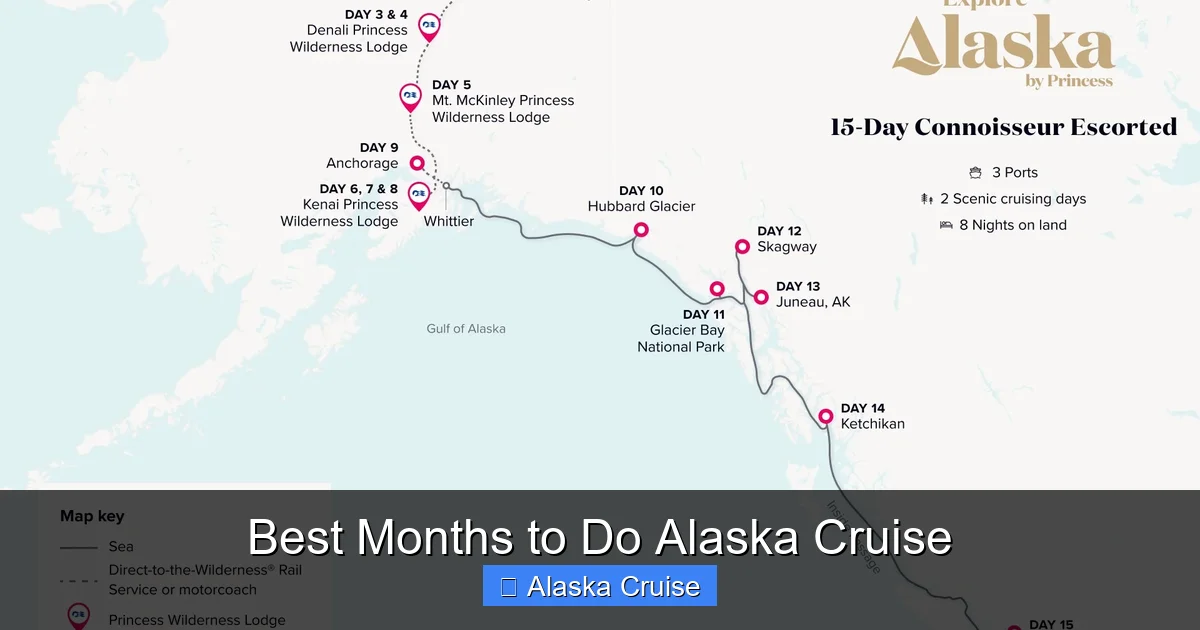
Visual guide about Best Months to Do Alaska Cruise
Image source: princess.com
May marks the beginning of Alaska’s cruise season, offering a unique blend of early-season advantages and some lingering winter challenges. If you’re looking for a more peaceful, budget-friendly experience, May might be the perfect time for your Alaska adventure.
Weather and Daylight in May
In May, Alaska is just emerging from winter. Temperatures in coastal regions like Juneau, Ketchikan, and Skagway typically range from 40°F to 60°F (4°C to 15°C). While it’s not warm by most standards, it’s significantly milder than the freezing conditions of earlier months. Rain is common, so waterproof clothing is a must.
Daylight increases rapidly during May. At the start of the month, you’ll enjoy about 15 hours of daylight; by the end, that number climbs to nearly 17 hours. This extended daylight gives you plenty of time to explore ports, take excursions, and enjoy the scenery without feeling rushed.
Wildlife and Scenery
Wildlife in May is beginning to stir. Migratory birds are returning, and you may spot bald eagles, puffins, and seabirds along the coast. Whales are less common in May compared to summer, but some early arrivals—like orcas and humpbacks—can still be seen, especially in protected bays and straits.
Glaciers are accessible, though calving activity is less dramatic than in peak summer. The landscape is lush and greening up, with snow still clinging to mountain peaks. Waterfalls are at their fullest due to spring melt, creating stunning cascades in places like Tracy Arm and Misty Fjords.
Pros and Cons of Cruising in May
One of the biggest advantages of a May cruise is the lack of crowds. Ships are less full, ports are quieter, and excursions are easier to book. You’ll also find lower prices on cabins and flights, making it an excellent option for budget-conscious travelers.
However, May comes with trade-offs. Some ports may have limited services, and certain excursions—like bear viewing or whale watching—may not be as reliable. Weather can be unpredictable, with occasional cold snaps or rainstorms. Additionally, not all national parks and hiking trails are fully open yet, so outdoor activities may be restricted.
Who Should Cruise in May?
May is ideal for travelers who prioritize savings and solitude over perfect weather and peak wildlife. It’s also a great choice for photographers who want to capture Alaska’s spring transformation—lush greenery, snow-capped mountains, and powerful waterfalls. If you’re flexible and don’t mind a bit of chill, May offers a uniquely serene Alaska experience.
June: The Sweet Spot for First-Time Cruisers
June is widely considered one of the best months to do Alaska cruise, especially for first-time visitors. It strikes a perfect balance between favorable weather, abundant wildlife, and manageable crowds. If you’re looking for a classic Alaska experience, June is hard to beat.
Weather and Daylight in June
June brings noticeably warmer weather, with average temperatures ranging from 50°F to 65°F (10°C to 18°C) in coastal areas. While rain is still possible, it’s less frequent than in May, and sunny days are more common. The sea is generally calm, making for smooth sailing and better visibility.
Daylight is a major highlight. In early June, you’ll enjoy up to 18 hours of daylight, and by mid-month, some areas experience nearly 20 hours of sun. This “white night” effect means you can take evening excursions, enjoy sunset views, and still have time for a late dinner—all without missing the scenery.
Wildlife and Glacier Activity
June is prime time for wildlife. Humpback whales, orcas, and minke whales are frequently spotted in places like Frederick Sound and Icy Strait. Sea lions, seals, and porpoises are also common along the coast. On land, brown bears begin to appear in areas like Admiralty Island and Katmai National Park, though sightings are more reliable in July.
Glaciers are accessible and active, though calving is not yet at its peak. Glacier Bay National Park and Tracy Arm Fjord offer stunning views of icy cliffs and turquoise waters. The combination of calm seas and long days makes June ideal for photography and sightseeing.
Excursions and Port Activities
Ports are fully operational in June, with a wide range of excursions available. Popular activities include dog sledding on glaciers, kayaking among icebergs, and flightseeing tours over Denali. In towns like Juneau and Skagway, you’ll find museums, shops, and local cuisine in full swing.
Hiking trails are open, and wildflowers begin to bloom, adding color to the landscape. June is also a great time for fishing charters, with salmon starting to run in some rivers.
Pros and Cons of Cruising in June
The biggest advantage of June is the combination of good weather, long days, and active wildlife. It’s also less crowded than July and August, so you’ll have more space on the ship and shorter lines at ports.
On the downside, prices are higher than in May, and popular cabins may sell out quickly. Some travelers also find the near-constant daylight disruptive to sleep, so eye masks are recommended.
Who Should Cruise in June?
June is perfect for first-time cruisers, families, and anyone seeking a balanced Alaska experience. It’s also ideal for photographers, nature lovers, and those who want to maximize their time exploring without extreme weather or crowds.
July: Peak Season with Peak Experiences
July is the height of Alaska’s cruise season, offering the warmest weather, most dramatic glacier activity, and best wildlife viewing. It’s the most popular month to cruise, and for good reason—but it comes with trade-offs.
Weather and Daylight in July
July is the warmest month of the cruise season, with temperatures often reaching 60°F to 70°F (15°C to 21°C) in coastal areas. Rain is still possible, but sunny days are more frequent, and humidity is low. The sea is calm, making for excellent cruising conditions.
Daylight remains abundant, with up to 19 hours of sun in early July. While the days start to shorten toward the end of the month, you’ll still have plenty of time for excursions and sightseeing.
Wildlife and Glacier Calving
July is the best month for wildlife. Brown bears are highly active, especially in areas like Kodiak and Lake Clark, where they gather to feed on salmon. Whale sightings are frequent, with humpbacks, orcas, and even rare blue whales spotted in protected waters.
Glacier calving reaches its peak in July. Warmer temperatures cause glaciers to fracture and collapse into the sea, creating thunderous splashes and massive icebergs. Places like Hubbard Glacier and Mendenhall Glacier offer unforgettable views of this natural spectacle.
Excursions and Crowds
All ports and excursions are in full operation. Popular activities include bear viewing tours, whale watching, and glacier hikes. However, July is the busiest month, so expect crowds at ports, longer lines for excursions, and higher prices.
Pros and Cons of Cruising in July
The main advantage of July is the combination of ideal weather, peak wildlife, and dramatic scenery. It’s the best time for glacier viewing and bear sightings.
The downside is the crowds and cost. Ships are often at full capacity, and flights to Alaska can be expensive. Booking early is essential to secure your preferred cabin and excursions.
Who Should Cruise in July?
July is ideal for travelers who want the full Alaska experience—warm weather, active wildlife, and stunning glaciers. It’s also great for families and groups who want a lively, action-packed vacation.
August: Still Great, But Cooling Down
August continues to offer excellent cruising conditions, though the weather begins to cool and the days shorten. It’s still a top choice for many travelers, especially those who want to avoid the peak July crowds.
Weather and Daylight in August
Temperatures in August range from 50°F to 65°F (10°C to 18°C), similar to June. Rain becomes more frequent toward the end of the month, and fog can reduce visibility in some areas.
Daylight decreases to about 16 hours by late August, and sunsets occur earlier. This can affect the timing of evening excursions and photography opportunities.
Wildlife and Fall Colors
Wildlife remains active in August. Bears are still feeding on salmon, and whales are commonly seen. However, some species begin to migrate south by late August.
One unique feature of August is the start of fall colors. In interior regions like Denali, the tundra turns shades of red, orange, and gold, creating a stunning contrast with the mountains.
Pros and Cons of Cruising in August
Advantages include good weather, active wildlife, and fewer crowds than July. Prices are also slightly lower.
Disadvantages include increasing rain and shorter days. Some excursions may be limited due to weather.
Who Should Cruise in August?
August is great for travelers who want a balance of good conditions and fewer crowds. It’s also ideal for photographers seeking fall colors.
September: The Quiet Farewell
September marks the end of the cruise season, offering a peaceful, budget-friendly experience with stunning fall scenery.
Weather and Daylight in September
Temperatures range from 40°F to 60°F (4°C to 15°C). Rain is common, and snow is possible in higher elevations.
Daylight drops to about 12 hours by late September, with earlier sunsets.
Wildlife and Scenery
Wildlife is still visible, though less active. Fall colors are at their peak in interior regions.
Pros and Cons of Cruising in September
Advantages include low prices, few crowds, and beautiful scenery.
Disadvantages include cooler weather, rain, and limited services.
Who Should Cruise in September?
September is ideal for budget travelers, photographers, and those seeking solitude.
How to Choose the Best Month for Your Alaska Cruise
Choosing the best months to do Alaska cruise depends on your priorities. Consider weather, wildlife, crowds, and budget. Use this guide to match your travel style with the ideal month.
Packing Tips for Any Month
Pack layers, waterproof gear, and sturdy shoes. Include a hat, gloves, and sunglasses. Don’t forget a camera and binoculars.
Conclusion
The best months to do Alaska cruise are June through August for ideal conditions. May and September offer savings and solitude. Choose based on your goals, and you’ll have an unforgettable adventure.
Frequently Asked Questions
What is the best month for whale watching in Alaska?
July is the best month for whale watching, as humpback, orca, and minke whales are most active. June and August also offer good sightings, especially in protected bays and straits.
Is it cold on an Alaska cruise in July?
No, July is the warmest month, with temperatures typically ranging from 60°F to 70°F. However, it can still be chilly on the water, so pack layers and a windproof jacket.
Can you see the northern lights on an Alaska cruise?
The northern lights are rarely visible during the cruise season due to extended daylight. For the best chance, visit in late September or early October, outside the standard cruise window.
Are Alaska cruises crowded in August?
August is less crowded than July, but still busy. Early August sees more tourists, while late August is quieter as the season winds down.
Do I need to book excursions in advance?
Yes, especially for popular activities like bear viewing and flightseeing. Book 3–6 months ahead, particularly for summer cruises, to secure your spot.
What should I wear on an Alaska cruise?
Pack layers, including a waterproof jacket, fleece, and thermal base layers. Comfortable walking shoes, a hat, and gloves are also essential for excursions.