The best month to take an Alaska cruise depends on your priorities—May and September offer milder crowds and lower prices, while June through August provide peak weather and wildlife activity. Each month has unique advantages, from calmer seas to vibrant fall colors, so choosing the right time ensures a memorable voyage through Alaska’s stunning landscapes.
Key Takeaways
- Peak season is June to August: These months offer the warmest weather, longest daylight hours, and best wildlife viewing opportunities, including whales, bears, and puffins.
- May and September are shoulder months: Enjoy fewer crowds, lower prices, and still-decent weather, with September offering stunning fall foliage.
- Wildlife varies by month: Humpback whales are most active in July and August, while brown bears are easiest to spot in July near Katmai and Kodiak.
- Weather improves as summer progresses: May can be chilly with lingering snow, while August offers the most stable and comfortable conditions.
- Shore excursions are more reliable in mid-summer: Glacier calving, kayaking, and hiking tours run more frequently from June through August.
- Prices drop significantly in shoulder months: Cruises in May and September can cost 20–30% less than peak summer dates.
- Daylight hours peak in June: Experience nearly 20 hours of daylight during the summer solstice, perfect for late-night scenic cruising.
📑 Table of Contents
- Introduction: Why Timing Matters for Your Alaska Cruise
- Understanding Alaska’s Cruise Season: A Month-by-Month Breakdown
- Wildlife Viewing: When to See What
- Weather and Packing Tips by Month
- Cost Considerations: When to Save and When to Splurge
- Conclusion: Choosing the Best Month for Your Alaska Cruise
Introduction: Why Timing Matters for Your Alaska Cruise
So, you’ve decided to take an Alaska cruise—congratulations! You’re about to embark on one of the most breathtaking journeys on Earth. Towering glaciers, snow-capped mountains, playful whales, and charming coastal towns await. But before you book that dream trip, there’s one crucial decision that can make or break your experience: when to go.
Alaska’s cruise season is short—typically running from early May to late September—and each month offers a completely different vibe. The weather, wildlife, crowds, and even the scenery shift dramatically from spring to fall. Choosing the best month to take an Alaska cruise isn’t just about picking a date; it’s about aligning your travel goals with what Alaska has to offer during that time.
For some, the ideal Alaska cruise means warm weather and long days filled with outdoor adventures. For others, it’s about avoiding crowds and saving money while still soaking in the natural beauty. Maybe you’re a wildlife enthusiast hoping to spot a grizzly bear fishing for salmon, or a photographer chasing the golden light of September’s fall colors. Whatever your motivation, timing is everything.
Understanding Alaska’s Cruise Season: A Month-by-Month Breakdown

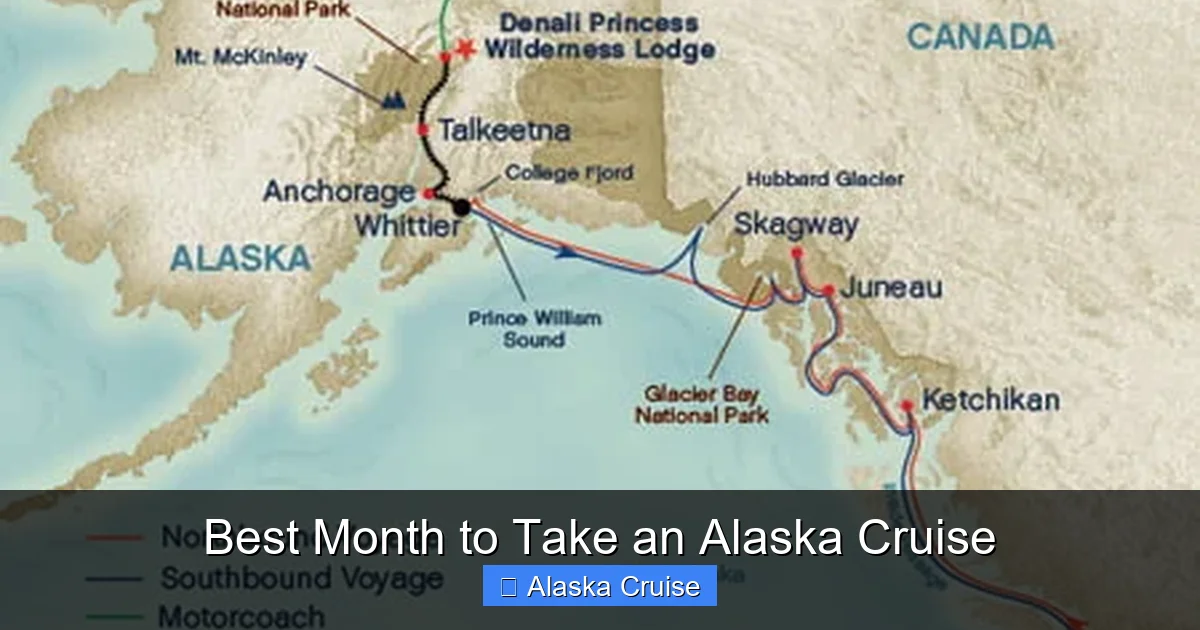
Visual guide about Best Month to Take an Alaska Cruise
Image source: cruisehive.com
Alaska’s cruise season spans roughly five months, but not all months are created equal. To help you decide, let’s break down what you can expect each month—from the crisp beginnings of May to the golden farewell of September.
May: The Quiet Start to the Season
May marks the beginning of the Alaska cruise season, and it’s a time of transition. The snow is melting, rivers are swelling, and the landscape is waking up from winter’s slumber. If you’re looking for a peaceful, budget-friendly start to your Alaskan adventure, May might be your sweet spot.
Weather in May is unpredictable. Daytime temperatures in ports like Juneau, Ketchikan, and Skagway typically range from 45°F to 60°F (7°C to 15°C), but it can feel cooler with wind and rain. Pack layers, a waterproof jacket, and sturdy shoes—this isn’t the time for flip-flops.
One of the biggest perks of cruising in May? Fewer people. Ships are smaller, ports are quieter, and you’ll have more space to enjoy the views without jostling for a spot on the deck. Shore excursions are available, though some popular tours—like helicopter rides or glacier hikes—may have limited availability due to lingering snow or ice.
Wildlife is starting to return. You might spot bald eagles, sea otters, and harbor seals, but larger mammals like bears and whales are still relatively scarce. However, if you’re lucky, you could catch the tail end of the spring migration, with birds flocking to coastal areas.
Prices are also more attractive in May. Cruise lines often offer early-season discounts to fill cabins, so you could save hundreds of dollars compared to peak summer months. Just be prepared for a few weather-related surprises.
June: Long Days and Lively Wildlife
June is when Alaska truly comes alive. The days are long—thanks to the summer solstice around June 21, you’ll enjoy nearly 20 hours of daylight in some areas. This extended daylight is a game-changer for cruisers, allowing for late-night scenic cruising through fjords and early-morning wildlife spotting.
Weather improves significantly in June. Temperatures in the 50s and 60s°F (10–18°C) are common, and while rain is still possible, sunny days become more frequent. It’s warm enough for light layers, though a light jacket is still wise for cooler evenings or glacier viewing.
Wildlife activity picks up in a big way. Humpback whales begin arriving in force, and whale-watching tours become a highlight of any itinerary. You might also see orcas, porpoises, and Dall’s sheep on mountain slopes. On land, black bears start emerging from hibernation, and birdwatchers will delight in the return of puffins, murres, and other seabirds.
Shore excursions are in full swing by June. Glacier Bay National Park is accessible, and tours to Mendenhall Glacier, Tracy Arm Fjord, and Hubbard Glacier are running regularly. Hiking, kayaking, and ziplining are all popular options, and many tours operate daily.
Crowds are growing, but it’s not yet peak season. You’ll share the ship with other travelers, but ports are still relatively uncrowded compared to July and August. This makes June a great balance between good weather, active wildlife, and manageable crowds.
July: Peak Season Bliss
July is the heart of Alaska’s cruise season—and for good reason. It’s the warmest, most reliable month for weather, wildlife, and activities. If you want the full Alaska experience with minimal weather worries, July is hard to beat.
Temperatures hover in the 60s°F (15–20°C), and sunny days are common. Rain is still possible, but storms are shorter and less frequent. This is the time to pack light sweaters, rain gear, and comfortable walking shoes. You’ll want to be ready for anything from glacier hikes to town strolls.
Wildlife is at its peak in July. Humpback whales are abundant, often seen breaching or feeding in groups. Brown bears are active along riverbanks, especially in areas like Katmai National Park and Kodiak Island, where they gather to catch salmon. Moose, wolves, and bald eagles are also commonly spotted.
Shore excursions are running at full capacity. Helicopter tours to glaciers, dog sledding on ice fields, and wildlife cruises are all available and highly recommended. National parks like Glacier Bay and Kenai Fjords are accessible, and ranger-led programs add educational value to your journey.
Of course, July comes with a trade-off: crowds. Ships are often at full capacity, and popular ports like Juneau and Skagway can feel busy. Booking excursions in advance is essential, and you may need to arrive early to secure a good spot for scenic views.
But for many travelers, the trade is worth it. July offers the most predictable weather, the best wildlife viewing, and the widest range of activities. It’s the month when Alaska feels most alive.
August: Warm Weather and Final Wildlife Surges
August continues the summer magic, with warm weather and vibrant wildlife. While it’s still peak season, the month brings a slightly different energy—slightly fewer crowds, more fall colors beginning to appear, and a sense of summer winding down.
Weather remains excellent in August, with temperatures similar to July. Days are still long, though daylight begins to shorten after the solstice. Rain is possible, but sunny days dominate. It’s a great time for outdoor adventures, from kayaking in protected fjords to hiking in Tongass National Forest.
Wildlife remains active. Whales are still plentiful, and bear sightings are common, especially in areas where salmon runs are peaking. August is also a great time to see puffins, which nest along coastal cliffs and are often visible on wildlife cruises.
One unique advantage of August? The start of fall colors. In the interior and along certain coastal areas, leaves begin to turn golden and red, adding a new layer of beauty to the landscape. While not as dramatic as September, the early hints of autumn can make for stunning photo opportunities.
Shore excursions are still widely available, though some remote tours may start to wind down toward the end of the month. Booking early is still recommended, especially for popular activities like flightseeing or glacier walks.
Crowds begin to ease slightly in late August, as families with school-aged children return home. This can make for a more relaxed atmosphere on board and in ports.
September: Fall Colors and Farewell to Summer
September is the final month of the Alaska cruise season, and it’s a bittersweet time. The summer crowds have thinned, prices drop, and the landscape transforms into a canvas of gold, red, and orange. If you’re looking for a quieter, more reflective Alaska experience, September is magical.
Weather in September is cooler, with daytime temperatures ranging from 45°F to 60°F (7–15°C). Nights can dip into the 30s°F (around 2°C), so layering is essential. Rain is more likely, and some high-elevation areas may see early snowfall.
But the scenery? Unbeatable. The fall foliage in places like Haines, Skagway, and the interior regions is spectacular. Combined with crisp air and clear skies, it’s a photographer’s dream.
Wildlife is still active, though some species begin migrating. Bears are still visible, especially near rivers where salmon are spawning. Whales may be less common, but orcas and humpbacks can still be spotted. Birdwatchers will enjoy the fall migration, with thousands of birds heading south.
Shore excursions are available, but some tours—especially those dependent on snow-free conditions—may be limited or discontinued by late September. Check with your cruise line for availability.
One of the biggest perks of September? Lower prices. Cruise lines often offer end-of-season deals to fill remaining cabins. You could save significantly compared to summer months, all while enjoying a more intimate cruise experience.
Wildlife Viewing: When to See What
One of the biggest draws of an Alaska cruise is the chance to see incredible wildlife in their natural habitat. But timing matters—different animals are active at different times of the season.
Whales: July and August Are Prime Time
Humpback whales are the stars of Alaska’s marine life, and they’re most active from June through August. July and August are the best months for whale watching, as these giants feed heavily in Alaska’s nutrient-rich waters. You’ll often see them breaching, tail-slapping, or bubble-net feeding in groups.
Orcas (killer whales) are also common in summer, especially in areas like the Inside Passage and around the Kenai Peninsula. September can still offer sightings, but numbers decline as the season ends.
Bears: July for Salmon Runs
Brown bears and black bears are most visible in July, when salmon runs peak. Rivers like Brooks River in Katmai National Park become prime bear-watching spots, with dozens of bears gathering to fish. August is also good, but by September, bears are preparing for hibernation and may be less active.
Birds: May to August for Nesting and Migration
Birdwatchers will love Alaska from May through August. Puffins nest along coastal cliffs from June to August, and bald eagles are visible year-round. May and September are great for migration, with thousands of birds passing through on their way north or south.
Weather and Packing Tips by Month
Packing for an Alaska cruise isn’t like packing for a Caribbean getaway. Layers, waterproof gear, and versatility are key—no matter the month.
May and September: Layer Up
These shoulder months require the most preparation. Bring a waterproof jacket, warm layers (fleece or wool), gloves, and a hat. Waterproof boots are a must for wet docks and muddy trails.
June to August: Light Layers and Rain Gear
Pack light sweaters, long-sleeve shirts, and a good rain jacket. Even in summer, temperatures can drop on the water or near glaciers. Don’t forget sunscreen and sunglasses—Alaska’s sun can be strong, especially with long daylight hours.
What to Bring Year-Round
- Binoculars for wildlife spotting
- Camera with extra batteries (cold drains them fast)
- Reusable water bottle
- Daypack for shore excursions
- Motion sickness remedies (for rough seas)
Cost Considerations: When to Save and When to Splurge
Alaska cruises can vary widely in price depending on the month. Here’s what to expect:
Peak Season (June–August): Higher Prices, More Options
Cruises during peak season are the most expensive, often costing $150–$300 per person per day. However, you get the best weather, most excursions, and full onboard amenities. Booking early can help secure better rates.
Shoulder Months (May and September): Budget-Friendly Deals
Prices drop significantly in May and September, with savings of 20–30% common. Ships may be smaller, and some amenities reduced, but the core Alaska experience remains intact. These months are ideal for travelers seeking value without sacrificing scenery.
Booking Tips
- Book 6–12 months in advance for the best cabin selection and prices.
- Look for promotions like “kids sail free” or onboard credit.
- Consider repositioning cruises (e.g., Seattle to Vancouver) for deeper discounts.
Conclusion: Choosing the Best Month for Your Alaska Cruise
So, what’s the best month to take an Alaska cruise? The answer depends on what you value most.
If you want warm weather, long days, and the best chance to see whales and bears, July is the top choice. It’s peak season for a reason—everything is in full swing.
If you prefer fewer crowds and lower prices, May or September offer a more relaxed experience with still-impressive scenery and wildlife.
June and August strike a great balance, offering excellent conditions with slightly fewer people than July.
Ultimately, there’s no “wrong” time to cruise Alaska—each month has its own magic. But by understanding what to expect, you can choose the perfect time for your adventure. Whether you’re chasing glaciers, wildlife, or golden fall light, Alaska will leave you in awe.
Pack your bags, bring your camera, and get ready for the trip of a lifetime.
Frequently Asked Questions
What is the best month to take an Alaska cruise for whale watching?
The best months for whale watching are July and August, when humpback whales are most active and frequently seen breaching or feeding. June also offers good sightings, though numbers increase as summer progresses.
Is September a good time for an Alaska cruise?
Yes, September is a great time to cruise Alaska, especially if you enjoy fall colors, fewer crowds, and lower prices. Wildlife is still visible, and the scenery is stunning, though weather can be cooler and more unpredictable.
What should I pack for an Alaska cruise in May?
Pack layers, including a waterproof jacket, warm fleece, gloves, and waterproof boots. Temperatures can be chilly, and rain is common, so be prepared for variable conditions.
Are shore excursions available in September?
Yes, many shore excursions operate in September, though some high-altitude or snow-dependent tours may be limited. Check with your cruise line for availability, especially toward the end of the month.
How crowded are Alaska cruises in July?
July is the busiest month, with ships often at full capacity and popular ports like Juneau and Skagway feeling crowded. Booking excursions and dining reservations in advance is highly recommended.
Can I see bears on an Alaska cruise in May?
Bear sightings are less common in May, as many are still emerging from hibernation. However, black bears may be spotted in lower elevations, especially near coastal areas. July offers the best bear viewing opportunities.