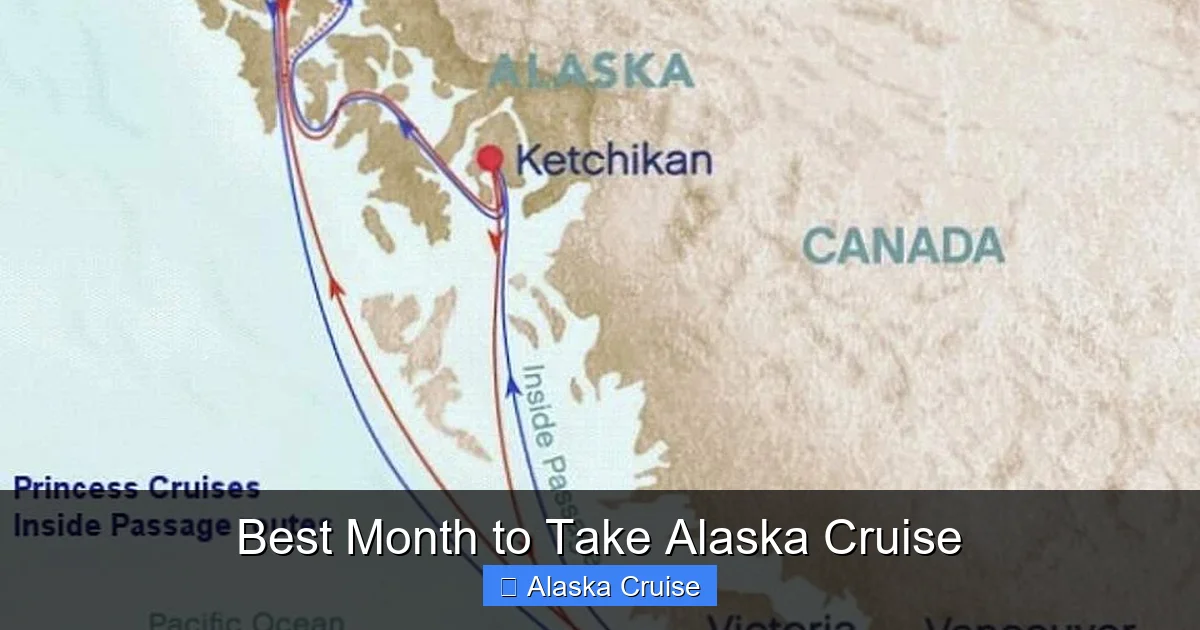
Choosing the best month to take Alaska cruise depends on your priorities—weather, wildlife, crowds, and prices all shift throughout the season. Generally, late May through early September offers the most favorable conditions, with July and August being peak months for warmth and activity.
Key Takeaways
- Peak Season (June–August): Warmest weather, longest days, and best wildlife viewing make these months the most popular for Alaska cruises.
- Shoulder Months (May & September): Fewer crowds, lower prices, and crisp air offer a more relaxed experience with still-decent weather.
- Wildlife Viewing: Bears, whales, and migratory birds are most active from June to August, especially in July.
- Weather Variability: Even in summer, pack layers—Alaska’s weather can change quickly, regardless of the month.
- Glacier Views: Glaciers are most accessible and impressive from mid-June to early September, with calving events more common in warmer months.
- Northern Lights: Not visible during summer due to midnight sun, but September offers a slim chance of early aurora sightings.
- Budget Considerations: May and September offer significant savings on cruise fares and airfare compared to peak summer months.
📑 Table of Contents
Introduction: Why Timing Matters for Your Alaska Cruise
Imagine standing on the deck of a cruise ship, wrapped in a cozy jacket, as a humpback whale breaches just yards away. Or hiking through a misty forest where bald eagles soar above ancient spruce trees. These are the moments that make an Alaska cruise unforgettable—but when you go can make all the difference.
Alaska’s cruise season runs from May to September, a narrow window when the weather is mild enough and the days long enough to explore this vast, wild frontier. But not all months are created equal. Whether you’re chasing whales, hoping to see glaciers calve, or simply want to avoid the summer crowds, choosing the best month to take Alaska cruise is a crucial decision. This guide will walk you through every factor—from weather and wildlife to pricing and passenger volume—so you can pick the perfect time for your Alaskan adventure.
Understanding Alaska’s Cruise Season
Alaska’s cruise season is short but spectacular. Most major cruise lines, including Holland America, Princess, Norwegian, and Royal Caribbean, operate from late May through early September. This six-month window aligns with the region’s brief summer, when temperatures rise, ice melts, and wildlife becomes active.
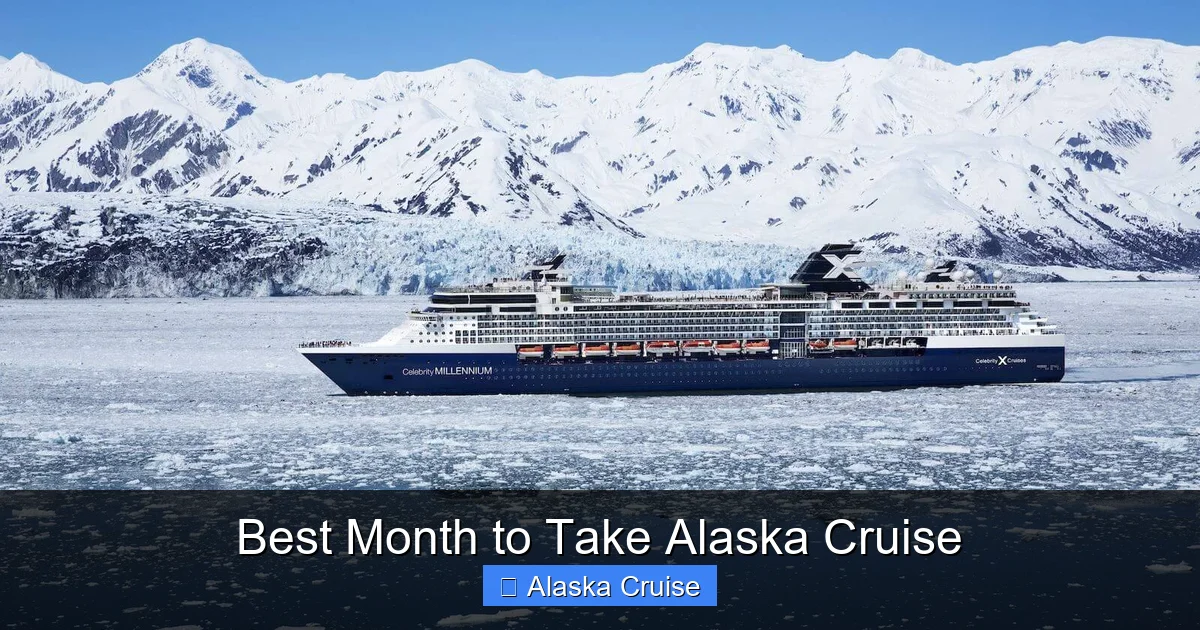
Visual guide about Best Month to Take Alaska Cruise
Image source: cruise.blog
The season typically kicks off in mid-May, when ships begin sailing from ports like Seattle, Vancouver, and Seward. By June, the full fleet is underway, and by July and August, it’s peak season—both in terms of passenger numbers and activity levels. September sees a gradual wind-down, with most ships concluding their final voyages by the third week of the month.
Why the Season Is So Short
Alaska’s extreme climate limits the cruising window. Winters are long, harsh, and dark, with temperatures often dropping below freezing and daylight lasting just a few hours. Ports like Juneau, Ketchikan, and Skagway are inaccessible by ship during the off-season due to ice, snow, and limited infrastructure.
Even in summer, Alaska remains a rugged destination. Roads are limited, many areas are only reachable by boat or plane, and weather can be unpredictable. That’s why cruise ships are the ideal way to explore—they bring you safely from one stunning port to the next, often with expert guides and onboard lectures to enhance your experience.
The Midnight Sun and Its Impact
One of the most unique aspects of an Alaska cruise is the extended daylight. In June and July, the sun barely sets—especially in northern ports like Skagway and Haines. This “midnight sun” means you can enjoy scenic cruising at 10 p.m. or take a late-night hike under a golden sky.
While this is magical, it can also disrupt sleep patterns. If you’re sensitive to light, consider bringing a sleep mask. On the flip side, the long days give you more time to explore, take excursions, and soak in the scenery.
Weather by Month: What to Expect
Weather is one of the biggest factors when deciding the best month to take Alaska cruise. While Alaska is often associated with cold and snow, summer temperatures can be surprisingly mild—especially along the coast.
May: The Start of the Season
May marks the beginning of the cruise season, and it’s a time of transition. Temperatures in coastal cities like Ketchikan and Juneau average between 45°F and 60°F (7°C to 15°C). It’s cool, but rarely freezing, and rain is common.
One advantage of cruising in May is the lack of crowds. Ships are less full, ports are quieter, and you’ll have more space to enjoy the views. However, some excursions—like bear viewing or glacier hikes—may be limited due to lingering snow or trail conditions.
Pack layers, including a waterproof jacket, warm sweater, and sturdy shoes. Even if the sun is out, a sudden breeze off the water can make it feel chilly.
June: Spring Turns to Summer
June is when Alaska truly comes alive. Temperatures rise to 50°F–65°F (10°C–18°C), and the landscape bursts with greenery. Wildflowers bloom, rivers swell with snowmelt, and wildlife becomes more active.
This is a great month for first-time cruisers. The weather is improving, daylight is abundant, and most excursions are fully operational. You’ll also avoid the peak summer crowds, making it easier to enjoy popular attractions like Mendenhall Glacier or the Tongass National Forest.
One thing to note: June can still be rainy, especially in the southeast (Ketchikan, Wrangell). But rain is part of the Alaskan experience—just embrace it with the right gear.
July: Peak Warmth and Activity
July is often considered the best month to take Alaska cruise for those who want the full summer experience. Temperatures average 55°F–70°F (13°C–21°C), and the days are long and bright.
This is prime time for wildlife. Humpback whales are frequently spotted in Glacier Bay and Icy Strait, brown bears fish for salmon in Katmai National Park, and bald eagles nest in tall trees. Glacier calving is also more common in July, as warmer temperatures cause ice to break off into the sea.
The downside? July is the busiest month. Ships are full, ports are crowded, and popular excursions—like whale watching or flightseeing—book up quickly. If you’re traveling in July, book your cruise and excursions well in advance.
August: Still Summer, But Cooling Down
August offers many of the same benefits as July—warm weather, active wildlife, and full excursion availability—but with slightly fewer crowds. Temperatures remain pleasant, averaging 50°F–68°F (10°C–20°C), though nights can be cooler.
This is a great time for families, as school hasn’t started yet, but the peak tourist rush has begun to ease. You’ll still see whales, bears, and glaciers, and the scenery is just as stunning.
One unique advantage of August: the salmon run is in full swing. This means more opportunities for bear viewing, especially in places like Admiralty Island or Anan Creek. If wildlife is your priority, August is an excellent choice.
September: The Quiet Goodbye
September marks the end of the cruise season, and it’s a time of transition. Temperatures begin to drop, averaging 45°F–60°F (7°C–15°C), and rain becomes more frequent. But the trade-off is a more peaceful, intimate experience.
Ships are less crowded, ports are quieter, and you’ll have more space to enjoy the views. Some travelers even report better wildlife sightings in September, as animals prepare for winter and become more active.
One caveat: not all excursions operate in September. Some helicopter tours, hiking trails, or bear-viewing trips may close by mid-month. Check with your cruise line about availability.
Also, while the northern lights are not visible in summer due to the midnight sun, September offers a slim chance of early aurora sightings—especially in the northernmost ports. It’s rare, but not impossible.
Wildlife Viewing: When to See What
One of the biggest draws of an Alaska cruise is the chance to see incredible wildlife in their natural habitat. But timing is everything—different animals are active at different times of the year.
Whales: June to August
Humpback whales, orcas, and gray whales are most commonly seen from June through August. These months coincide with the peak of the salmon run, which attracts whales to coastal waters.
Popular whale-watching spots include:
- Icy Strait Point: Known for high whale activity, especially humpbacks.
- Glacier Bay National Park: A protected area where whales feed in nutrient-rich waters.
- Frederick Sound: A hotspot for orcas and humpbacks.
Many cruise lines offer whale-watching excursions, including boat tours and kayaking trips. Some even have naturalists on board to help you identify species and explain their behavior.
Bears: July and August
Brown bears and black bears are most active in July and August, especially during the salmon run. This is when they gather along rivers and streams to feed, making them easier to spot.
Top bear-viewing destinations include:
- Katmai National Park: Home to Brooks Falls, where bears fish for salmon.
- Admiralty Island: Known as the “Fortress of the Bears,” with one of the highest bear densities in the world.
- Anan Creek: A remote wildlife observatory where bears feed on pink salmon.
Most bear-viewing excursions require a flight or boat transfer from your cruise port. Book these well in advance, as they’re popular and limited in capacity.
Birds and Other Wildlife
Alaska is a birdwatcher’s paradise. From May to August, you’ll see bald eagles, puffins, murres, and thousands of migratory birds nesting along the coast.
Other wildlife to look for includes:
- Sea Otters: Often seen floating on their backs in kelp beds.
- Sea Lions and Seals: Common in harbors and along rocky shores.
- Moose and Caribou: More likely to be seen on land excursions or in inland parks.
Bring binoculars and a camera with a zoom lens. Many cruise ships have observation decks perfect for wildlife spotting.
Glaciers and Scenic Cruising
No Alaska cruise is complete without seeing a glacier. These massive rivers of ice are among the most awe-inspiring sights on Earth, and Alaska is home to over 100,000 of them.
When Are Glaciers Most Active?
Glaciers are accessible from June through September, but they’re most impressive from mid-July to early August. This is when warmer temperatures cause more calving—the dramatic process of ice breaking off into the water.
Popular glacier destinations include:
- Hubbard Glacier: One of the largest tidewater glaciers in North America.
- Glacier Bay National Park: A UNESCO World Heritage Site with multiple active glaciers.
- Tracy Arm Fjord: Known for its towering cliffs and the Sawyer Glaciers.
Most cruise ships slow down or stop near glaciers to allow passengers to take photos and enjoy the views. Some even offer guided narration from naturalists.
Tips for Glacier Viewing
- Bring a zoom lens: Glaciers can be far away, and a telephoto lens helps capture details.
- Dress warmly: Even in summer, glacier areas can be cold and windy.
- Listen for calving: The sound of ice cracking and crashing into the water is unforgettable.
- Stay safe: Never approach a glacier by boat or on foot—calving can cause dangerous waves.
Crowds, Prices, and Availability
When you go affects not only your experience but also your budget. Here’s how crowds and prices shift throughout the season.
Peak Season: June to August
These are the busiest months, with the highest demand for cabins and excursions. Prices are at their peak, and popular itineraries—like 7-day roundtrip cruises from Seattle—sell out months in advance.
If you’re flexible with dates and cabin type, you might find last-minute deals, but don’t count on it. For the best selection, book 9–12 months ahead.
Shoulder Months: May and September
These months offer significant savings. Cruise fares can be 20–30% lower than in July or August, and airfare to departure cities is often cheaper.
You’ll also enjoy fewer crowds, shorter lines at ports, and more personalized service. If you’re looking for a more relaxed, budget-friendly trip, May or September could be the best month to take Alaska cruise.
Booking Tips
- Book early for peak months: Popular cabins (like balconies) and excursions sell out fast.
- Consider repositioning cruises: These one-way trips (e.g., Seattle to Vancouver) often have lower prices.
- Look for package deals: Some lines offer airfare, hotels, and excursions bundled together.
- Travel insurance: Always recommended, especially for weather-related delays.
Packing Tips for Any Month
No matter when you go, packing smart is key to enjoying your Alaska cruise. The weather can change quickly, and layers are your best friend.
Essential Items to Pack
- Waterproof jacket and pants: Rain is common, even in summer.
- Warm layers: Fleece, sweaters, and thermal underwear.
- Comfortable walking shoes: For port excursions and deck walks.
- Binoculars: For wildlife and glacier viewing.
- Sunscreen and sunglasses: The sun can be strong, especially on water.
- Camera with extra batteries: You’ll want to capture every moment.
- Motion sickness remedies: Even in calm waters, some people feel queasy.
Most cruise lines have dress codes for dining, so check your itinerary. Formal nights are common on longer cruises.
Conclusion: Choosing Your Perfect Month
So, what’s the best month to take Alaska cruise? The answer depends on what matters most to you.
If you want the warmest weather, longest days, and best wildlife viewing, July and August are ideal. But be prepared for crowds and higher prices.
If you prefer a quieter, more affordable trip with still-great weather, May or September are excellent choices. You’ll enjoy fewer passengers, lower fares, and a more intimate experience.
And if you’re somewhere in between, June offers a sweet spot—good weather, active wildlife, and manageable crowds.
No matter when you go, an Alaska cruise is a journey of a lifetime. From towering glaciers to breaching whales, from misty fjords to vibrant wildflowers, Alaska’s beauty is unmatched. Choose your month wisely, pack your bags, and get ready for an adventure you’ll never forget.
Frequently Asked Questions
What is the best month to take Alaska cruise for wildlife?
The best months for wildlife viewing are July and August, when bears, whales, and birds are most active. The salmon run peaks during this time, attracting animals to rivers and coastal waters.
Is it cold on an Alaska cruise in summer?
Summer temperatures in Alaska range from 50°F to 70°F (10°C to 21°C), but it can feel cooler on the water or in shaded areas. Always pack layers and a waterproof jacket.
Can you see the northern lights on an Alaska cruise?
The northern lights are not visible during summer due to the midnight sun. However, September offers a slim chance of early aurora sightings, especially in northern ports.
Are Alaska cruises crowded in July?
Yes, July is peak season, so ships and ports are busiest. Book your cruise and excursions early to secure your preferred dates and activities.
What should I pack for an Alaska cruise?
Pack layers, a waterproof jacket, warm clothing, comfortable shoes, binoculars, sunscreen, and a camera. Don’t forget motion sickness remedies and a sleep mask for long daylight hours.
Are there discounts for Alaska cruises in May or September?
Yes, May and September are shoulder months with lower demand, so cruise fares and airfare are often significantly cheaper than in peak summer months.