Planning an Alaska cruise for wildlife viewing? The best month to see wildlife Alaska cruise is July, offering peak activity, warm weather, and abundant sightings of bears, whales, and seabirds. However, June and August also offer unique opportunities depending on your priorities.
Dreaming of cruising through icy fjords, watching humpback whales breach, or spotting a brown bear catching salmon in a rushing river? An Alaska cruise offers one of the most breathtaking wildlife experiences on Earth. But timing is everything. With dramatic seasonal changes and shifting animal behaviors, choosing the best month to see wildlife Alaska cruise can make or break your adventure.
Alaska’s wildlife is as diverse as its landscapes—from the towering glaciers of Glacier Bay to the lush rainforests of the Tongass National Forest. Each species has its own rhythm, tied closely to the seasons. Whether you’re hoping to see orcas slicing through the water, bald eagles soaring overhead, or moose grazing near the shore, understanding when and where to look is key. The good news? Every month from May to September offers something special. But if your main goal is maximizing wildlife sightings, one month stands out above the rest.
In this guide, we’ll walk you through the wildlife calendar of Alaska, break down the pros and cons of each cruising month, and help you decide when to set sail for the ultimate nature experience. Whether you’re a first-time cruiser or a seasoned Alaskan traveler, you’ll find practical tips, insider insights, and real-world examples to help you plan the perfect wildlife-focused journey.
Key Takeaways
- July is the prime month for wildlife viewing due to peak animal activity, long daylight hours, and favorable weather conditions across Alaska’s coastal regions.
- June offers early-season advantages like fewer crowds, lower prices, and active marine life including humpback whales and sea otters.
- August brings late-summer highlights such as brown bears fishing for salmon and migrating birds preparing for their journey south.
- Wildlife varies by region—glacier-rich areas like Juneau are great for marine mammals, while inland fjords like Ketchikan offer better bear viewing.
- Weather and daylight affect sightings—longer days in summer mean more time for excursions and better lighting for photography.
- Book excursions early—popular wildlife tours fill up quickly, especially in peak season, so reserve ahead for the best experience.
- Pack layers and binoculars—Alaska’s weather changes fast, and binoculars enhance your chances of spotting distant animals like eagles or orcas.
📑 Table of Contents
- Why Timing Matters for Alaska Wildlife Viewing
- July: The Peak Month for Wildlife Viewing
- June: Early Season Wildlife and Fewer Crowds
- August: Late-Summer Highlights and Salmon Runs
- May and September: Shoulder Season Opportunities
- Regional Differences in Wildlife Viewing
- Tips for Maximizing Wildlife Sightings
- Conclusion: Choosing Your Perfect Month
Why Timing Matters for Alaska Wildlife Viewing
Alaska’s extreme latitude and dramatic seasonal shifts create a unique environment where wildlife activity is tightly linked to the calendar. Unlike tropical destinations where animals are active year-round, Alaska’s creatures follow a strict seasonal schedule driven by food availability, migration patterns, and weather.
For example, marine mammals like humpback whales and orcas migrate north in the spring to feed on the rich waters of the Inside Passage. Land animals such as brown bears emerge from hibernation in late spring and spend the summer gorging on berries, roots, and salmon. Birds arrive in droves during the summer months to nest and raise their young, taking advantage of the 20-hour days and abundant insects.
Because of this, the window for optimal wildlife viewing is relatively short—typically from late May through early September. Outside of this period, many animals have migrated south or retreated to higher elevations, and the weather becomes too harsh for comfortable cruising.
Seasonal Wildlife Patterns
Understanding these patterns is crucial. In May, the landscape is just waking up. Snow is still melting, rivers are swollen, and animals are beginning to emerge. By June, the ecosystem is in full swing—whales are feeding, birds are nesting, and bears are foraging along the coast. July brings peak activity: salmon runs begin, bears gather at riverbanks, and marine life is abundant. August sees the continuation of salmon runs and the start of bird migration. By September, the days grow shorter, and many animals prepare for winter.
Each month offers a different slice of Alaska’s wild heart. But if you want the most consistent and diverse wildlife encounters, July is widely considered the sweet spot.
July: The Peak Month for Wildlife Viewing

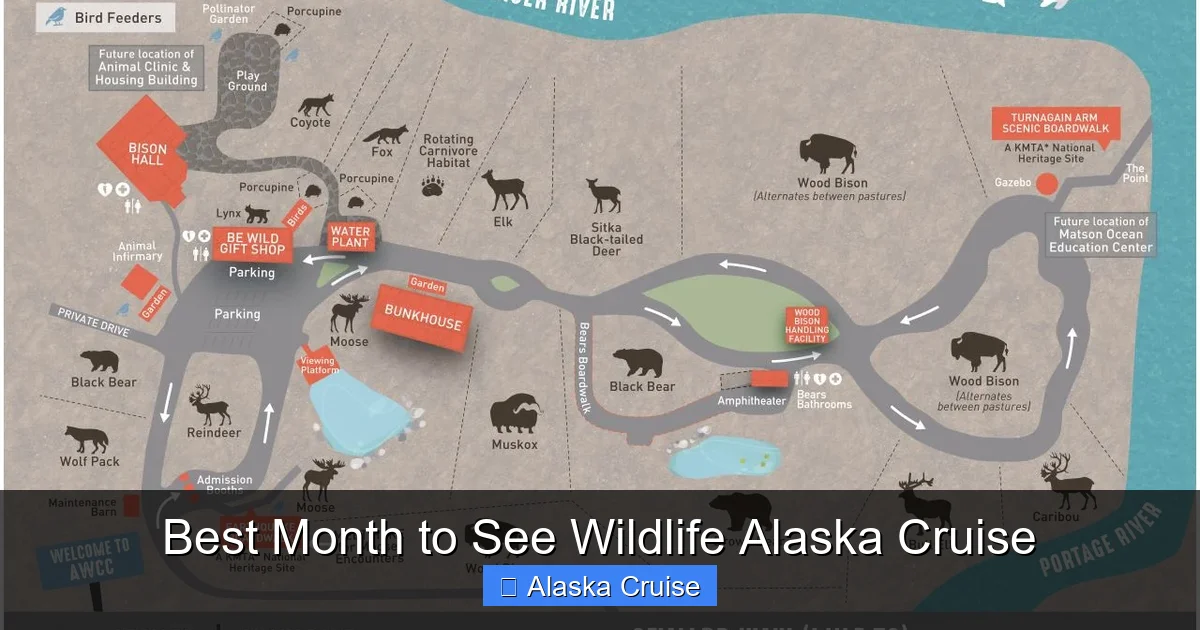
Visual guide about Best Month to See Wildlife Alaska Cruise
Image source: i.pinimg.com
If you’re looking for the best month to see wildlife Alaska cruise, July is the clear winner. This is when Alaska’s ecosystems are at their most vibrant, and animal activity reaches its annual peak. The combination of warm weather, long daylight hours, and abundant food sources creates ideal conditions for spotting a wide variety of species.
Marine Mammals in July
July is prime time for whale watching. Humpback whales, orcas, and gray whales are frequently spotted in the waters around Juneau, Sitka, and Glacier Bay. These giants are actively feeding on schools of herring and krill, often coming close to shore—and to cruise ships—for dramatic surface feeding displays. It’s not uncommon to see humpbacks breaching or slapping their tails, especially in areas like Icy Strait Point or Frederick Sound.
Sea otters are also highly active in July. You’ll often see them floating on their backs, using rocks to crack open shellfish. Harbor seals and Steller sea lions can be spotted lounging on rocky outcrops or swimming near glaciers. In some areas, even rare sightings of minke whales or Dall’s porpoises add to the excitement.
Land Animals and Bears
July is also one of the best months to see brown bears, particularly in places like Admiralty Island near Juneau or the Katmai Coast. While the famous salmon runs don’t peak until August, early salmon are already entering rivers in July, drawing bears to the water’s edge. Guided bear-viewing excursions, often via small boat or floatplane, offer safe and unforgettable encounters.
Moose are commonly seen in wetland areas and near cruise ports like Skagway and Haines. Their large antlers (on males) are fully grown by July, making them easy to spot. Black bears are also active, foraging for berries and roots in forested areas.
Birds and Seabird Colonies
Birdwatchers will be in heaven in July. Thousands of seabirds, including puffins, murres, and kittiwakes, nest on coastal cliffs. The Pribilof Islands and Glacier Bay are particularly rich in birdlife. Bald eagles are everywhere—perched on treetops, soaring overhead, or diving for fish. You might even spot a rare golden eagle or a peregrine falcon.
Weather and Daylight Advantages
July offers some of the most comfortable weather of the season. Average temperatures range from 55°F to 65°F (13°C to 18°C), and rain is less frequent than in August. More importantly, daylight lasts up to 18 hours in southern Alaska, giving you plenty of time for shore excursions, photography, and simply soaking in the scenery.
June: Early Season Wildlife and Fewer Crowds
While July is the peak, June offers its own unique advantages. If you prefer a quieter cruise with lower prices and still want strong wildlife opportunities, June is an excellent choice.
Marine Life in June
Whale activity is already strong in June. Humpback whales begin arriving in May and are actively feeding by early June. Orcas are also commonly seen, especially in areas like Stephens Passage. Sea otters and harbor seals are abundant, and you may even spot a rare sighting of a minke whale.
One advantage of June is that the water is still relatively clear from spring runoff, making it easier to spot marine life from the ship’s deck or during zodiac tours.
Bears and Land Animals
Brown bears are emerging from hibernation and are highly active in search of food. While salmon runs haven’t started in full force, bears can be seen foraging along beaches for clams and mussels, or digging for roots in meadows. Early-season bear viewing is often less crowded, allowing for more intimate experiences.
Moose are giving birth in June, so you might spot calves trailing their mothers through wetlands. Black bears are also active, and bird nesting is in full swing.
Birdwatching and Wildflowers
June is a great time for birdwatchers. Many species are nesting, and the air is filled with song. Puffins return to their colonies, and eagles are busy feeding their young. The landscape is also bursting with wildflowers—lupine, fireweed, and alpine forget-me-nots—adding color to the scenery.
Pros and Cons of June
The biggest advantage of June is fewer crowds and lower cruise prices. You’ll have more space on excursions and a more relaxed atmosphere. However, some remote areas may still have lingering snow, and weather can be cooler and more unpredictable than in July.
August: Late-Summer Highlights and Salmon Runs
August is another strong contender for wildlife lovers. While it’s later in the season, it offers some of the most dramatic wildlife spectacles—especially when it comes to bears and salmon.
Salmon Runs and Bear Activity
This is the month when salmon runs peak. Pink, chum, and silver salmon flood rivers and streams, drawing brown bears in large numbers. Places like Anan Creek near Wrangell or Pack Creek on Admiralty Island become bear hotspots. Watching a bear catch a salmon in fast-moving water is one of Alaska’s most iconic wildlife moments—and August is the best time to see it.
Bears are at their most active and visible during this time, often feeding for hours at a stretch. Guided tours offer safe viewing platforms, and many travelers consider August the best month for bear photography.
Marine Life and Whales
Whale activity remains strong in August. Humpbacks are still feeding heavily, and orcas continue to patrol the waters. Gray whales, which migrate later, are often seen in August as they move north. Sea otters and seals are also abundant.
One unique August sighting is the return of migrating birds. Shorebirds and waterfowl begin their journey south, and you may see flocks of sandpipers or geese in coastal areas.
Weather Considerations
August is generally warm, with temperatures similar to July. However, it’s also the wettest month of the Alaska cruise season. Rain is more frequent, especially in the southern regions like Ketchikan and Juneau. Be prepared with waterproof gear and flexible plans.
Pros and Cons of August
The main advantage of August is the incredible bear activity and salmon runs. The downside is higher prices and larger crowds, as it’s still peak season. Some cruise lines also begin winding down operations by late August, so itinerary options may be more limited.
May and September: Shoulder Season Opportunities
While May and September are less popular for cruising, they offer unique wildlife experiences for travelers willing to embrace the shoulder season.
May: The Awakening
May is when Alaska begins to thaw. Wildlife is just starting to emerge. Moose are giving birth, and birds are returning from migration. Whale activity is increasing, though not yet at peak levels. The advantage? Very few crowds and low prices. The downside? Shorter days, cooler weather, and some areas may still be inaccessible due to ice or snow.
September: The Transition
September marks the end of the cruise season. Days are shorter, and temperatures drop. However, this is a great time to see migrating birds and late-season bear activity. Some salmon runs continue into early September, and the fall colors begin to appear. Wildlife is preparing for winter, so activity is focused and intense.
One highlight of September is the chance to see the northern lights in the northern regions, though this is less common on standard cruise routes.
Regional Differences in Wildlife Viewing
Not all Alaska cruise routes are created equal when it comes to wildlife. The Inside Passage, which includes ports like Juneau, Skagway, and Ketchikan, is the most popular and offers a mix of marine and land wildlife.
Glacier Bay and Juneau
Glacier Bay National Park is a UNESCO World Heritage Site and a hotspot for marine mammals. Humpback whales, orcas, and sea otters are commonly seen here. Juneau, the state capital, offers access to bear-viewing tours and whale-watching excursions.
Ketchikan and the Tongass Rainforest
Ketchikan is known as the “Salmon Capital of the World” and is a great base for bear and salmon viewing. The surrounding rainforest is home to black bears, deer, and countless bird species.
Icy Strait Point and Hoonah
This remote area near Hoonah is one of the best places in Alaska to see brown bears. The nearby Chilkat River is famous for its late-season salmon runs and bear gatherings.
Hubbard Glacier and Disenchantment Bay
While not as rich in land wildlife, this area offers stunning glacier views and occasional whale sightings. The icy waters attract seals and sea lions, and the dramatic scenery is unforgettable.
Tips for Maximizing Wildlife Sightings
No matter when you go, a few smart strategies can dramatically improve your chances of seeing Alaska’s incredible wildlife.
Book Wildlife-Focused Excursions
Look for shore excursions that specialize in wildlife viewing. Whale-watching tours, bear-viewing flights, and guided nature walks are led by experts who know where and when to find animals. Popular tours fill up fast, so book early.
Bring the Right Gear
Binoculars are essential for spotting distant animals like eagles, whales, or bears. A good camera with a zoom lens will help you capture the action. Dress in layers—Alaska’s weather can change in minutes—and don’t forget rain gear.
Be Patient and Quiet
Wildlife is more likely to appear when you’re still and quiet. Avoid loud noises and sudden movements, especially on guided tours. Patience pays off—sometimes the best sightings happen when you least expect them.
Choose the Right Cruise Line
Some cruise lines, like UnCruise Adventures and Lindblad Expeditions, specialize in small-ship, wildlife-focused itineraries. These often go to remote areas and offer expert naturalists on board.
Stay Flexible
Weather and animal behavior are unpredictable. Be open to changing your plans if a guide suggests a better viewing opportunity. Sometimes the best wildlife moments happen off the beaten path.
Conclusion: Choosing Your Perfect Month
So, what’s the best month to see wildlife Alaska cruise? The answer depends on your priorities, but July remains the top choice for most travelers. It offers the best combination of weather, daylight, and animal activity, with peak sightings of whales, bears, birds, and marine life.
June is ideal for those who want a quieter, more affordable trip with still-excellent wildlife opportunities. August shines for bear and salmon enthusiasts, despite the higher prices and rain. May and September offer unique, off-the-beaten-path experiences for the adventurous.
No matter when you go, an Alaska cruise is a once-in-a-lifetime adventure. The rugged beauty, the raw power of nature, and the chance to see animals in their natural habitat create memories that last forever. With the right planning, you can make the most of your journey and return home with stories—and photos—that will inspire awe for years to come.
Frequently Asked Questions
What is the best month to see whales on an Alaska cruise?
The best month to see whales is July, when humpback and orca activity peaks. June and August also offer strong sightings, with different species migrating at different times.
Can you see bears in June on an Alaska cruise?
Yes, brown and black bears are active in June, foraging for food after hibernation. While salmon runs haven’t peaked, bears can be seen along beaches and in meadows.
Is August too late for wildlife viewing in Alaska?
No, August is actually one of the best months for bear viewing due to peak salmon runs. Whale activity remains strong, and migrating birds begin to appear.
What should I pack for wildlife viewing on an Alaska cruise?
Pack layers, waterproof clothing, sturdy shoes, binoculars, and a camera with a zoom lens. Don’t forget sunscreen and insect repellent for shore excursions.
Are there wildlife sightings on glacier-focused cruises?
Yes, even glacier-heavy itineraries offer marine wildlife like seals, sea lions, and whales. Some routes include stops in wildlife-rich areas like Glacier Bay.
Do I need to book wildlife tours in advance?
Yes, popular tours like bear-viewing flights and whale-watching excursions fill up quickly, especially in July and August. Book as early as possible to secure your spot.