
Choosing the best month to go on an Alaskan cruise depends on your priorities—whether it’s calmer seas, peak wildlife, or fewer crowds. May through September offers mild weather and long daylight hours, but each month brings unique advantages for travelers seeking glaciers, bears, or northern lights.
Key Takeaways
- May offers fewer crowds and lower prices: Early season brings crisp air, blooming wildflowers, and active wildlife emerging from winter hibernation.
- June and July are peak months for weather and daylight: Expect nearly 20 hours of daylight, ideal for sightseeing, hiking, and glacier viewing.
- August balances warmth and wildlife activity: Bears are frequently spotted along riverbanks, and cruise ships often visit prime bear-viewing locations.
- September provides fall colors and northern lights: Cooler temperatures and fewer tourists make it a peaceful time to cruise, with chances to see the aurora borealis.
- Wildlife viewing varies by month: Whales are most active in July and August, while salmon runs peak in late summer, drawing bears and eagles.
- Glacier calving is dramatic in summer: Warmer temperatures increase glacier activity, offering unforgettable moments at places like Hubbard Glacier and Tracy Arm.
- Book early for best deals and itineraries: Popular sailings fill quickly, especially in June and July, so planning ahead ensures better cabin selection and pricing.
📑 Table of Contents
Introduction: Why Timing Matters for Your Alaskan Cruise
Planning an Alaskan cruise is exciting—majestic glaciers, towering mountains, and abundant wildlife await. But one of the most important decisions you’ll make is *when* to go. The best month to go on an Alaskan cruise isn’t a one-size-fits-all answer. It depends on what you want to see and experience. Whether you’re chasing the northern lights, hoping to spot a humpback whale, or simply craving long, sunny days, timing can make or break your trip.
Alaska’s cruise season runs from May to September, a short window compared to tropical destinations. During these months, the weather warms up, daylight stretches into the night, and wildlife becomes active. But each month within that window offers something different. May feels fresh and quiet, while July buzzes with energy and long days. August brings peak wildlife action, and September offers a peaceful, colorful farewell to summer. Understanding these nuances helps you pick the perfect time for your adventure.
Understanding Alaska’s Cruise Season: A Month-by-Month Overview
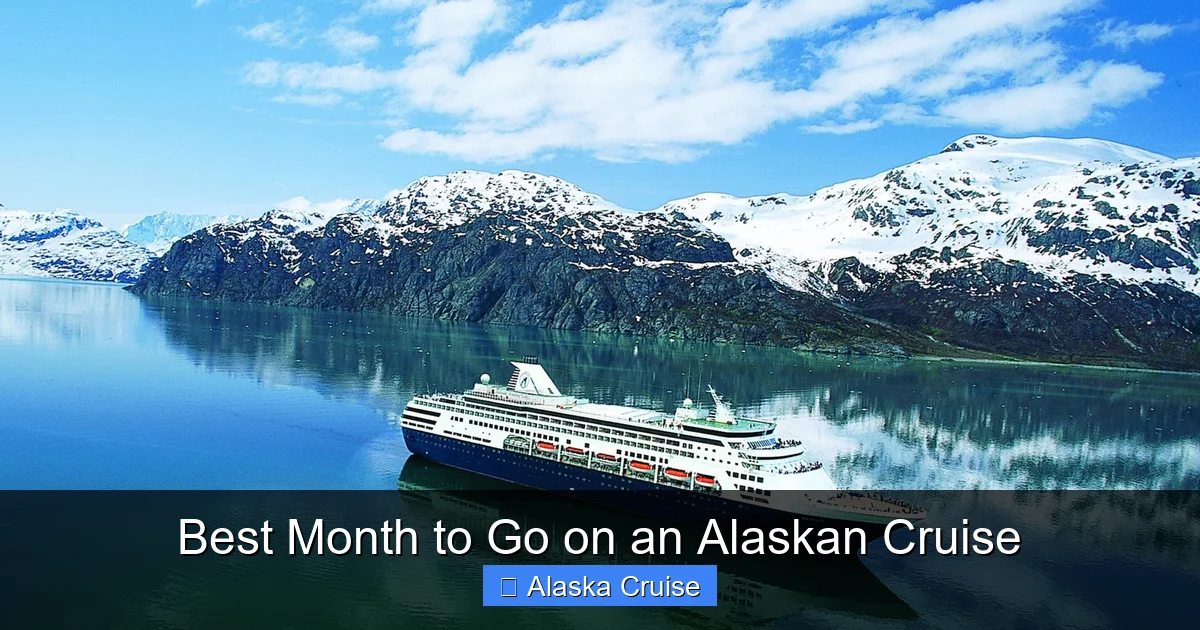
Visual guide about Best Month to Go on an Alaskan Cruise
Image source: alaskatours.com
To choose the best month to go on an Alaskan cruise, it helps to understand what each month brings. The season is short—just five months—but each one has its own rhythm. Let’s break it down month by month so you can match your travel style and interests to the right time.
May: The Quiet Start to the Season
May marks the beginning of Alaska’s cruise season. It’s a time of transition. Snow is melting, rivers are swelling, and the landscape is waking up. If you love solitude and don’t mind cooler weather, May could be your ideal month.
Temperatures in May range from 40°F to 60°F (4°C to 15°C), depending on your route. Coastal towns like Juneau and Ketchikan are still quiet, with fewer tourists and lower prices. Cruise lines often offer early-season discounts, making it a budget-friendly option. Wildlife is starting to stir—bears emerge from hibernation, and birds return from migration. You might spot black bears foraging in meadows or bald eagles nesting near waterways.
One of the biggest perks of cruising in May is the lack of crowds. Popular spots like Glacier Bay National Park feel more intimate. You’ll have more space on deck, shorter lines at ports, and a more relaxed pace overall. However, some shore excursions may not be fully operational yet, and daylight hours are increasing but not yet at their peak.
June: Long Days and Lively Wildlife
June is when Alaska truly comes alive. Daylight stretches to nearly 20 hours in some areas, giving you plenty of time to explore. The sun rises early and sets late, creating golden-hour views that last for hours. This is one of the most popular months to cruise, and for good reason.
Temperatures are mild, averaging 50°F to 65°F (10°C to 18°C). Wildflowers begin to bloom, painting the hillsides in vibrant colors. Wildlife is highly active—whales migrate north, sea lions bask on rocks, and puffins return to nesting colonies. June is also prime time for glacier viewing. Warmer weather increases calving activity, meaning you’re more likely to see massive chunks of ice crashing into the sea.
Ports like Skagway and Haines are bustling with activity. Shore excursions such as dog sledding on glaciers, kayaking through fjords, and scenic train rides are in full swing. However, June is also when cruise ships start to fill up. If you’re looking for a balance between great weather and manageable crowds, early June is ideal.
July: Peak Season Energy and Warmth
July is the heart of Alaska’s cruise season. It’s warm, sunny, and packed with things to do. This is the month most travelers choose, and it’s easy to see why. Daylight is at its longest, temperatures hover between 55°F and 70°F (13°C to 21°C), and the scenery is at its most dramatic.
Wildlife is everywhere. Humpback whales breach near the ship, orcas patrol the coastlines, and sea otters float on their backs. On land, brown bears gather at riverbanks to catch salmon, especially in places like Katmai National Park and Admiralty Island. If you’re hoping to see bears, July is one of the best months.
Glaciers are also at their most active. Places like Hubbard Glacier and Mendenhall Glacier are spectacular, with frequent calving events. The warm weather makes hiking and outdoor excursions more comfortable, and many cruise lines offer extended time in port to maximize your experience.
The downside? July is the busiest month. Ships are full, ports are crowded, and prices are at their highest. If you’re flexible with dates, consider sailing in early July to avoid the mid-month rush. Booking well in advance is essential to secure your preferred cabin and itinerary.
August: Wildlife Bonanza and Bear Season
August is a favorite among nature lovers. While the weather is still pleasant—similar to July—the real draw is the wildlife. This is peak bear season. Salmon are running in rivers and streams, drawing brown and black bears in large numbers. Guided bear-viewing tours are a highlight for many cruisers, with opportunities to see these powerful animals up close in their natural habitat.
Whales remain active, and orcas are frequently spotted in places like Icy Strait Point. Sea lions and otters are common, and birdwatchers will delight in the variety of species. The landscape is lush and green, with late-blooming wildflowers adding color to the scenery.
Temperatures are slightly cooler than July, ranging from 50°F to 65°F (10°C to 18°C), but still comfortable for outdoor activities. Daylight begins to shorten, but you’ll still enjoy long, golden evenings. August also sees a slight drop in cruise prices compared to July, making it a great value for travelers who want peak wildlife without peak crowds.
One thing to note: some cruise lines begin to reduce their Alaska schedules in late August, so availability may be tighter. If you’re set on a specific ship or route, book early.
September: Fall Colors and Northern Lights
September marks the end of the cruise season, but it’s far from a letdown. In fact, many seasoned travelers consider it one of the best months to go on an Alaskan cruise. The crowds thin out, prices drop, and the landscape transforms into a stunning palette of gold, red, and orange.
Temperatures cool down to 40°F to 60°F (4°C to 15°C), so packing layers is essential. But the crisp air and clear skies make for excellent visibility—perfect for photography and sightseeing. Wildlife is still active, especially bears preparing for hibernation. You might also spot moose and caribou in forested areas.
One of the unique perks of September is the chance to see the northern lights. As nights grow longer and darker, the aurora borealis becomes visible in northern regions like Fairbanks and the Inside Passage. While not guaranteed, the odds improve the later you go in the month.
Cruise lines often offer end-of-season deals, making September a budget-friendly option. Some ships may alter itineraries due to weather, but most continue full service through mid-September. If you’re looking for a quieter, more reflective experience with beautiful scenery and potential aurora sightings, September is a fantastic choice.
What to Expect: Weather, Wildlife, and Scenery by Month
Now that you know the basics of each month, let’s dive deeper into what you can expect in terms of weather, wildlife, and scenery. These factors play a huge role in shaping your cruise experience.
Weather Patterns Across the Season
Alaska’s weather is famously unpredictable, but there are general trends. May and September are the coolest months, with more chance of rain and overcast skies. June through August offer the most stable weather, with longer periods of sunshine and mild temperatures.
Rain is possible any time of year, especially in coastal areas like Ketchikan, which is one of the rainiest cities in the U.S. However, summer months see fewer rainy days overall. Wind can be a factor near glaciers, so dressing in layers is always wise.
One thing to remember: Alaska’s weather varies greatly by region. The Inside Passage (where most cruises sail) is milder than interior or northern areas. If your itinerary includes stops in places like Anchorage or Denali, expect cooler temperatures and more variable conditions.
Wildlife Viewing Opportunities
Wildlife is a major draw for Alaskan cruises, and timing your trip right can dramatically improve your chances of seeing animals in action.
– **Whales:** Humpback whales are most commonly seen from June to August. They migrate north to feed on krill and small fish. Orcas are also active in summer, especially in areas with abundant salmon.
– **Bears:** Brown and black bears are best spotted in July and August, particularly near salmon streams. Popular bear-viewing locations include Pack Creek on Admiralty Island and the rivers near Ketchikan.
– **Sea Otters and Sea Lions:** These marine mammals are visible year-round but are most active in summer. You’ll often see them floating near the ship or hauled out on rocks.
– **Birds:** Puffins, bald eagles, and cormorants return in spring and stay through summer. Birdwatching is excellent from May to August.
– **Moose and Caribou:** Land mammals are harder to spot from a cruise ship, but shore excursions to national parks increase your chances.
Glacier and Scenery Highlights
Alaska’s glaciers are a must-see, and their activity varies by season. Warmer temperatures in summer increase calving—the process where chunks of ice break off into the water. This creates dramatic splashes and booming sounds that are unforgettable.
Hubbard Glacier, one of the largest in North America, is especially active in July and August. Tracy Arm and Misty Fjords offer stunning narrow inlets with towering cliffs and waterfalls. In September, the fall colors contrast beautifully with the icy blues of the glaciers, creating a photographer’s dream.
Practical Tips for Choosing Your Cruise Month
With so many factors to consider, how do you decide? Here are some practical tips to help you choose the best month to go on an Alaskan cruise based on your preferences.
Consider Your Travel Style
Are you a nature enthusiast? August might be your best bet for bear and whale sightings. Do you prefer quiet and solitude? May or September could be ideal. Are you traveling with kids? July offers the most activities and stable weather.
Think about what matters most to you—crowds, cost, weather, or wildlife—and let that guide your decision.
Book Early for Best Options
Popular sailings, especially in June and July, sell out months in advance. If you have your heart set on a specific ship or itinerary, book as early as possible. Early booking also locks in better prices and cabin choices.
Pack Smart for Any Month
No matter when you go, pack layers. A waterproof jacket, warm fleece, and comfortable hiking shoes are essentials. Don’t forget binoculars for wildlife viewing and a good camera with extra batteries.
Be Flexible with Itineraries
Weather can affect port stops. Some cruises may alter routes due to storms or glacier conditions. Choose a cruise line with a good reputation for handling changes gracefully.
Conclusion: Finding Your Perfect Alaskan Cruise Month
There’s no single “best” month to go on an Alaskan cruise—only the best month for *you*. Whether you’re drawn to the quiet beauty of May, the endless daylight of July, or the golden hues of September, Alaska delivers an unforgettable experience in every season.
By understanding what each month offers—weather, wildlife, crowds, and scenery—you can make an informed choice that matches your travel goals. And no matter when you go, one thing is certain: Alaska’s raw beauty, dramatic landscapes, and incredible wildlife will leave you in awe.
So start planning, pack your bags, and get ready for the adventure of a lifetime. The glaciers are waiting.
Frequently Asked Questions
What is the best month to see whales on an Alaskan cruise?
The best months to see whales are July and August, when humpback and orca whales are most active in Alaskan waters. These months offer peak feeding activity and frequent sightings near the ship.
Can you see the northern lights on an Alaskan cruise?
Yes, especially in September when nights are longer and darker. While not guaranteed, the aurora borealis is more likely to be visible in northern regions like the Inside Passage during late summer and early fall.
Is it cold on an Alaskan cruise in July?
No, July is one of the warmest months, with temperatures ranging from 55°F to 70°F (13°C to 21°C). However, it can still feel chilly near glaciers, so layers are recommended.
Are there mosquitoes on Alaskan cruises?
Mosquitoes are more common in inland areas and during early summer. On cruise ships and in coastal towns, they’re rarely a problem, especially if you stay near the water.
Do I need to book excursions in advance?
Yes, popular excursions like bear viewing, dog sledding, and flightseeing fill up quickly, especially in peak months. Booking in advance ensures you get your top choices.
What should I pack for an Alaskan cruise?
Pack layers, including a waterproof jacket, warm fleece, hiking shoes, gloves, and a hat. Don’t forget sunscreen, sunglasses, binoculars, and a camera for wildlife and scenery.