Choosing the right jacket for an Alaska cruise is essential for comfort and safety in unpredictable weather. The best jackets combine waterproofing, insulation, breathability, and packability to handle rain, wind, and chilly temperatures—whether you’re watching glaciers calve or exploring coastal towns.
Planning an Alaska cruise is exciting—majestic glaciers, towering mountains, playful whales, and charming coastal towns await. But one thing every traveler quickly learns? Alaska’s weather is as wild and unpredictable as its landscapes. One moment you’re basking in golden sunlight on the deck, and the next, a cold, wet fog rolls in, bringing wind and drizzle. That’s why packing the right gear—especially the best jacket for an Alaska cruise—isn’t just a suggestion, it’s a necessity.
Unlike tropical cruises where a light windbreaker might suffice, an Alaska cruise demands serious outerwear. Temperatures can range from 40°F to 65°F (4°C to 18°C), but wind chill and rain can make it feel much colder. You’ll be spending time outdoors on deck, on Zodiac boats, and during shore excursions, often in remote areas with no shelter. A high-quality, weather-resistant jacket isn’t just about comfort—it’s about safety and enjoyment. The right jacket keeps you dry, warm, and focused on the stunning views, not the biting wind.
So, what makes a jacket truly “best” for an Alaska cruise? It’s not just about thickness or brand names. The ideal jacket balances several key features: waterproofing, breathability, insulation, packability, and durability. It should be versatile enough to wear in mild weather but robust enough to handle sudden downpours or chilly mornings. And since cruise cabins are small, it should also be easy to pack and store. In this guide, we’ll walk you through everything you need to know to choose the perfect jacket for your Alaskan adventure—whether you’re a first-time cruiser or a seasoned traveler.
Key Takeaways
- Layering is key: A good Alaska cruise jacket works as part of a layering system, not a standalone piece.
- Waterproof and windproof are non-negotiable: Alaska’s coastal weather brings sudden rain and strong winds—your jacket must handle both.
- Insulation matters, but not too much: Look for synthetic or down insulation that retains warmth even when wet.
- Packability is a plus: You’ll want a jacket that folds small for excursions and storage in tight cruise cabins.
- Hood and adjustable features enhance comfort: A helmet-compatible hood, adjustable cuffs, and hem help seal out the elements.
- Durability counts: Choose jackets made with ripstop fabric and quality zippers for long-term use.
- Style meets function: Many top jackets now offer sleek designs that look great on deck or in port towns.
📑 Table of Contents
Understanding Alaska’s Cruise Weather
Before diving into jacket options, it’s important to understand the unique weather conditions you’ll face on an Alaska cruise. Alaska’s coastal regions—where most cruises sail—experience a maritime climate. This means mild temperatures compared to inland areas, but high humidity, frequent rain, and strong winds. Even in summer (May to September, the peak cruise season), weather can change rapidly.
Temperatures typically range from the mid-40s to mid-60s°F (7–18°C), but wind and rain can make it feel significantly colder. For example, a 50°F day with 20 mph winds can feel like 40°F. Rain is common, especially in regions like Ketchikan and Juneau, which are among the rainiest places in the U.S. Fog, mist, and overcast skies are also frequent, particularly near glaciers and fjords.
Another factor is altitude and location. As your ship navigates narrow fjords or approaches glaciers, temperatures can drop sharply. Onshore excursions—like hiking in Tongass National Forest or visiting Mendenhall Glacier—can expose you to microclimates where weather shifts in minutes. And let’s not forget the wind: open decks and Zodiac rides can be extremely breezy, even on calm days.
Given these conditions, a jacket that’s merely “warm” won’t cut it. You need one that’s truly weatherproof. That means a jacket with a waterproof and breathable membrane (like Gore-Tex or similar), sealed seams, and a durable outer shell. It should also have features like a storm flap over the zipper, adjustable cuffs, and a snug-fitting hood to keep wind and rain out.
Key Features to Look for in an Alaska Cruise Jacket
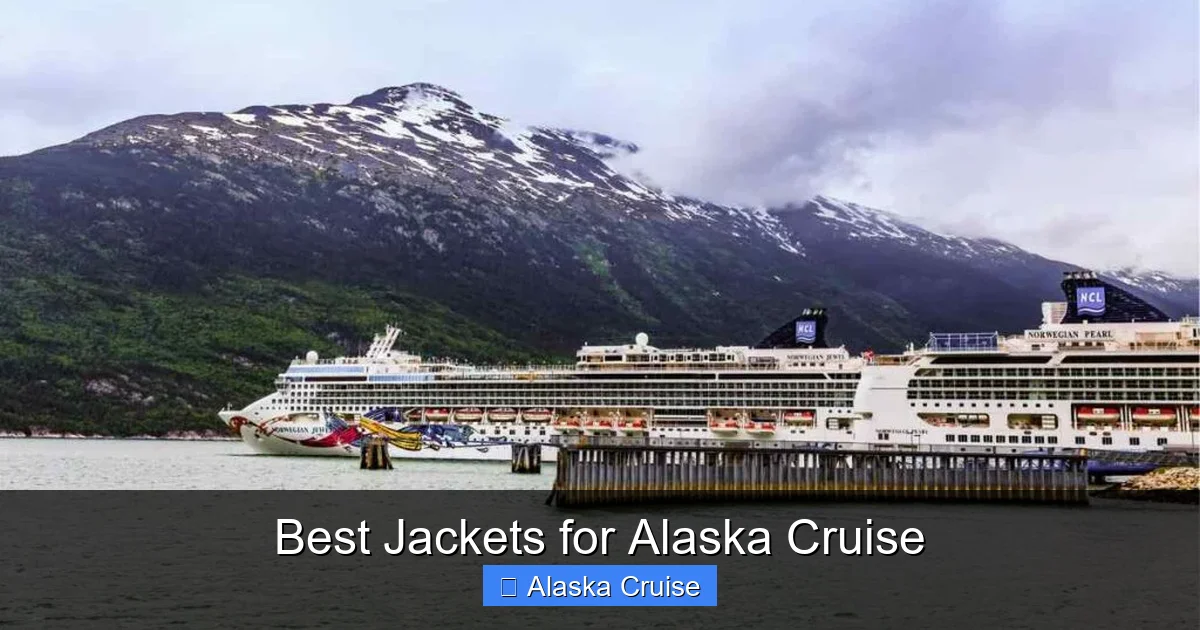
Visual guide about Best Jackets for Alaska Cruise
Image source: travelspock.com
When shopping for the best jacket for an Alaska cruise, focus on these essential features. Each plays a role in keeping you comfortable and protected.
Waterproof and Breathable Fabric
The most critical feature is a waterproof yet breathable fabric. Look for jackets with a waterproof rating of at least 10,000mm—this means the fabric can withstand heavy rain without leaking. Breathability is equally important; you don’t want to sweat inside your jacket during active excursions. A breathability rating of 5,000g/m² or higher ensures moisture from sweat escapes, keeping you dry from the inside out.
Materials like Gore-Tex, eVent, or proprietary membranes (such as The North Face’s DryVent or Patagonia’s H2No) are excellent choices. These fabrics use microscopic pores that let vapor out but block liquid water from entering. Avoid “water-resistant” jackets—they’ll fail in sustained rain.
Insulation Type and Weight
Insulation keeps you warm, but not all insulation is created equal—especially in wet conditions. Down insulation is lightweight and highly compressible, making it great for packing. However, it loses its warmth when wet, which is a problem in Alaska’s damp climate. If you choose down, look for treated down (like DownTek or Nikwax) that resists moisture.
Synthetic insulation, such as PrimaLoft or Thermolite, is a better choice for wet environments. It retains warmth even when damp and dries quickly. Many top jackets use a combination: synthetic in high-moisture areas (like the hood and cuffs) and down in the core for maximum warmth.
For Alaska cruises, a mid-weight insulated jacket (around 100–150g of insulation) is ideal. It’s warm enough for chilly days but not so bulky that it’s uncomfortable in milder weather.
Hood Design and Adjustability
A good hood is a lifesaver in Alaska. Look for a helmet-compatible, three-panel hood with a stiffened brim to keep rain and wind off your face. Adjustable drawcords on the sides and back let you customize the fit, and a high collar adds extra protection. Some jackets even have a hidden elastic cord that lets you stow the hood when not in use.
Avoid jackets with fixed, non-adjustable hoods—they’ll flap in the wind and let water in.
Packability and Weight
Cruise cabins are small, and you’ll want to maximize space. A packable jacket that folds into its own pocket or a small stuff sack is ideal. Many modern jackets weigh under 2 pounds and compress to the size of a water bottle. This makes them easy to carry on excursions or stow in your daypack.
However, don’t sacrifice durability for packability. Look for jackets made with ripstop nylon or polyester—lightweight but resistant to tears.
Ventilation and Breathability Features
Even with breathable fabric, you’ll need ventilation during active outings. Look for jackets with pit zips (underarm zippers) that let you release heat quickly. Some also have mesh-lined pockets or back vents for added airflow.
These features are especially useful during hikes or when wearing multiple layers.
Durable Construction and Quality Zippers
Alaska’s weather is tough on gear. Choose a jacket with reinforced shoulders and cuffs, sealed seams, and high-quality YKK zippers. Avoid plastic zippers—they can break in cold weather. A storm flap over the main zipper adds an extra layer of protection against wind and rain.
Top Jacket Types for Alaska Cruises
Now that you know what to look for, let’s explore the best types of jackets for Alaska cruises. Each has strengths depending on your travel style and itinerary.
Insulated Rain Jackets
These are the gold standard for Alaska cruises. They combine a waterproof shell with built-in insulation, offering all-in-one protection. Brands like Arc’teryx, Patagonia, and The North Face offer excellent models.
For example, the Arc’teryx Beta AR Jacket features Gore-Tex Pro fabric, a helmet-compatible hood, and pit zips. It’s durable, breathable, and designed for harsh conditions. The Patagonia Torrentshell 3L is another great option—affordable, fully waterproof, and made from recycled materials.
Insulated rain jackets are ideal if you prefer fewer layers and want maximum warmth in one piece.
3-in-1 Jackets
A 3-in-1 jacket consists of a waterproof shell and a removable insulated liner. You can wear them together for maximum warmth, or separately—shell for rain, liner for chilly but dry days.
The Columbia Bugaboo III is a popular choice. It’s affordable, warm, and versatile. The North Face McMurdo Parka is another excellent option, though it’s bulkier and better suited for colder excursions.
3-in-1 jackets are great if you’re traveling with limited luggage space and want flexibility. However, they can be heavier and less packable than single-layer options.
Down and Synthetic Puffer Jackets
Puffer jackets are lightweight and warm, but only if they’re water-resistant. Look for models with a DWR (durable water repellent) coating and synthetic insulation. The Patagonia Down Sweater Hoody uses responsibly sourced down and packs into its own pocket. The Arc’teryx Atom LT is a synthetic alternative that’s warm, breathable, and water-resistant.
Use a puffer as a mid-layer under a rain shell, or as your main jacket on dry, chilly days. Never rely on it alone in rain.
Softshell Jackets
Softshells are stretchy, breathable, and wind-resistant, but not fully waterproof. They’re great for mild, dry days or as a mid-layer. The Columbia Ascender Softshell is a budget-friendly option with good mobility.
However, avoid softshells as your primary Alaska jacket—they’ll soak through in rain.
Expedition-Grade Parkas
For travelers visiting colder regions like Glacier Bay or taking extended shore excursions, a heavy-duty parka may be worth considering. These are overkill for most cruise days but excellent for extreme conditions.
The Canada Goose Expedition Parka is legendary for Arctic travel, but it’s expensive and bulky. The Mountain Hardwear Absolute Zero Parka is a more affordable alternative with synthetic insulation and full weather protection.
Only choose a parka if you’re doing serious cold-weather activities.
Recommended Jackets for Alaska Cruises
Here are five top-rated jackets that consistently earn praise from Alaska cruise travelers.
1. Arc’teryx Beta AR Jacket
A premium choice for serious adventurers. Made with Gore-Tex Pro, it’s waterproof, windproof, and highly breathable. Features include a helmet-compatible hood, pit zips, and reinforced shoulders. It’s durable enough for mountaineering but sleek enough for dinner on the ship. Price: ~$600.
2. Patagonia Torrentshell 3L
An eco-conscious, high-performance option. Fully waterproof with a 3-layer H2No shell, adjustable hood, and pit zips. Made from 100% recycled materials. Lightweight and packable. Price: ~$200.
3. The North Face McMurdo Parka
A warm, stylish 3-in-1 parka with a waterproof shell and fleece liner. Great for cold days in port towns. Features a fur-trimmed hood (removable) and multiple pockets. Price: ~$300.
4. Columbia Bugaboo III Interchange
A budget-friendly 3-in-1 with a waterproof shell and insulated liner. Ideal for travelers who want versatility without breaking the bank. Price: ~$150.
5. Mountain Hardwear StretchDown Jacket
A water-resistant down jacket with stretch panels for mobility. Uses RDS-certified down and a DWR finish. Packs small and feels like a warm hug. Best worn under a shell in wet weather. Price: ~$250.
Layering Tips for Maximum Comfort
Even the best jacket works best as part of a layering system. Think of it like an onion—each layer has a job.
Base Layer: Moisture-Wicking
Start with a moisture-wicking base layer (like merino wool or synthetic fabric). This pulls sweat away from your skin, keeping you dry. Avoid cotton—it holds moisture and makes you cold.
Mid Layer: Insulation
Add a fleece, down, or synthetic puffer as your mid-layer. This traps body heat. Choose lightweight options that compress easily.
Outer Layer: Weather Protection
Your Alaska cruise jacket is the outer layer. It shields you from rain, wind, and snow. Make sure it’s roomy enough to fit over your other layers without restricting movement.
Adjust as Needed
Weather changes fast. Remove layers when you’re indoors or active. Add them back when you’re on deck or in cold areas. A good rule: if you’re sweating, you’re overdressed.
Packing and Care Tips
Packing smart ensures your jacket stays in top condition.
Pack It Right
Fold your jacket and place it in a compression sack or the pocket it came with. Store it in your main suitcase or carry-on. If you’re doing a pre- or post-cruise land tour, consider wearing it on travel days to save space.
Care After the Cruise
After your trip, clean your jacket according to the care label. Use a technical cleaner (like Nikwax Tech Wash) to maintain waterproofing. Reapply DWR treatment if water no longer beads on the surface. Store it loosely—never in a compressed state for long periods.
Test Before You Go
Don’t wait until you’re on the ship to test your jacket. Wear it on a rainy day at home. Check for leaks, comfort, and ease of movement. Make adjustments now, not in Juneau.
Conclusion
An Alaska cruise is a once-in-a-lifetime experience, and the right jacket ensures you enjoy every moment—rain or shine. The best jacket for an Alaska cruise is one that’s waterproof, breathable, insulated, and packable, with features like a good hood and ventilation. Whether you choose a high-end shell like the Arc’teryx Beta AR or a budget-friendly 3-in-1 like the Columbia Bugaboo III, prioritize function and comfort.
Remember, layering is your friend. Pair your jacket with a moisture-wicking base layer and a warm mid-layer, and you’ll be ready for anything Alaska throws your way. And don’t forget to test your gear before you go.
With the right jacket, you’ll stay dry, warm, and focused on the breathtaking scenery—glaciers glowing in the sun, whales breaching in the distance, and the crisp, clean air of the Last Frontier. Pack smart, dress wisely, and get ready for the adventure of a lifetime.
Frequently Asked Questions
What temperature should my Alaska cruise jacket be rated for?
Your jacket doesn’t need to be rated for sub-zero temperatures, but it should handle 40–60°F (4–15°C) with wind and rain. Look for mid-weight insulation and windproof materials to stay comfortable.
Can I wear a regular winter jacket on an Alaska cruise?
Yes, but only if it’s waterproof and breathable. Many winter jackets are too bulky and not designed for wet conditions. A lighter, weather-resistant jacket is usually better for cruising.
Do I need a separate rain jacket if I have a 3-in-1?
No—the shell of a 3-in-1 is fully waterproof and can be worn alone in rain. Just make sure the liner is removable so you can adjust for warmth.
Is down insulation safe for Alaska’s wet climate?
Down can be used if it’s treated with a water-repellent finish (like DownTek). However, synthetic insulation is safer and more reliable in consistently damp conditions.
How many jackets should I pack for an Alaska cruise?
One high-quality, versatile jacket is usually enough. Pair it with layers and you’ll be set for all conditions. Avoid overpacking—space is limited on ships.
Can I wear my Alaska cruise jacket for other trips?
Absolutely. The best jackets for Alaska cruises are durable, packable, and suitable for hiking, camping, or city travel in cool, wet climates. It’s a smart long-term investment.