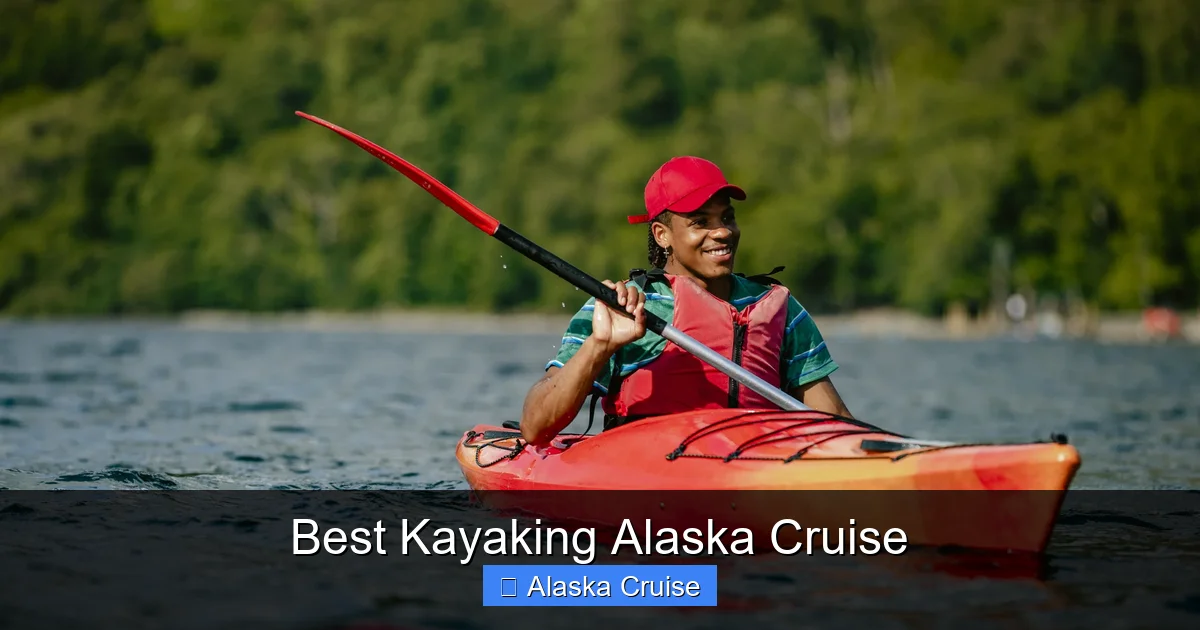
Experience the ultimate blend of adventure and serenity on the best kayaking Alaska cruise. Glide alongside towering glaciers, spot whales and bears, and explore remote fjords—all from the quiet seat of a kayak. These small-ship expeditions offer intimate, eco-friendly access to Alaska’s wildest coastlines.
Imagine gliding across glassy water, the only sounds the gentle dip of your paddle and the distant crack of a glacier calving into the sea. Towering snow-capped peaks rise on either side, while a pod of sea otters floats lazily nearby. This isn’t a dream—it’s what awaits you on the best kayaking Alaska cruise. Alaska’s rugged coastline, dotted with fjords, rainforests, and icy inlets, is one of the last true wilderness frontiers on Earth. And there’s no better way to explore it than from the seat of a kayak, surrounded by nature’s raw beauty.
A kayaking Alaska cruise combines the comfort and convenience of a small ship with the intimacy and freedom of paddling. Unlike massive cruise ships that dock in crowded ports, these specialized expeditions use nimble vessels that can anchor in secluded bays and launch kayaks directly from the deck. You’ll wake up each morning to a new landscape—misty coves, moss-covered forests, and ice-choked waters—ready to explore at your own pace. Whether you’re a seasoned paddler or trying kayaking for the first time, these trips are designed to immerse you in Alaska’s wild heart.
What makes a kayaking Alaska cruise truly special is the blend of adventure, education, and tranquility. You’re not just sightseeing—you’re connecting with the environment on a deeper level. Naturalist guides share stories of indigenous cultures, explain glacial formations, and help you identify bird calls echoing through the trees. At the same time, the quiet rhythm of paddling allows for moments of reflection and wonder. It’s a journey that feeds both the body and the soul.
Key Takeaways
- Small ships offer better access: Unlike large cruise liners, small expedition vessels can navigate narrow channels and drop kayakers in remote, untouched locations.
- Wildlife encounters are frequent: Paddling quietly increases your chances of seeing humpback whales, sea otters, bald eagles, and even brown bears along the shore.
- Glacier kayaking is a highlight: Many routes include up-close views of calving glaciers, icebergs, and turquoise glacial lakes—perfect for photography and awe.
- Guided tours ensure safety and insight: Knowledgeable naturalist guides enhance the experience with wildlife spotting, safety briefings, and cultural history.
- Best time to go is May through September: Summer offers milder weather, longer daylight, and peak wildlife activity—ideal for kayaking and exploration.
- Eco-conscious travel is prioritized: Top operators follow Leave No Trace principles, minimizing environmental impact while maximizing adventure.
- No prior kayaking experience needed: Most tours provide instruction and use stable, beginner-friendly kayaks for all skill levels.
📑 Table of Contents
Why Choose a Kayaking Alaska Cruise?
Alaska is vast, wild, and often inaccessible by road. While driving tours and flightseeing offer glimpses of the landscape, they can’t match the immersive experience of a kayaking Alaska cruise. These expeditions are built for explorers who want to get off the beaten path and experience nature up close—without sacrificing comfort.
One of the biggest advantages is access. Large cruise ships are limited to major ports like Juneau, Ketchikan, and Skagway. But a kayaking-focused cruise uses smaller ships—often under 100 passengers—that can navigate narrow channels, shallow bays, and remote inlets. This means you can paddle in places most tourists never see: hidden coves where seals bask on rocks, quiet estuaries where salmon spawn, and glacial lakes that shimmer like liquid sapphire.
Another benefit is the pace. Unlike rushed shore excursions, a kayaking Alaska cruise lets you slow down and savor the moment. You might spend a full morning exploring a single fjord, stopping to hike a coastal trail or picnic on a rocky beach. The rhythm is deliberate, allowing you to truly absorb the sights, sounds, and scents of the wilderness.
Safety and support are also top priorities. These trips are led by experienced guides who know the waters, weather patterns, and wildlife behavior. They provide all the necessary gear—kayaks, paddles, life jackets, dry bags—and offer instruction for beginners. Most importantly, they ensure you’re prepared for Alaska’s unpredictable conditions, from sudden fog to changing tides.
Finally, a kayaking Alaska cruise is eco-friendly by design. Small ships have a lower environmental impact, and kayaking itself leaves no trace. Many operators partner with conservation groups and follow strict guidelines to protect marine and coastal ecosystems. You’re not just visiting Alaska—you’re helping to preserve it.
Top Destinations for Kayaking on an Alaska Cruise
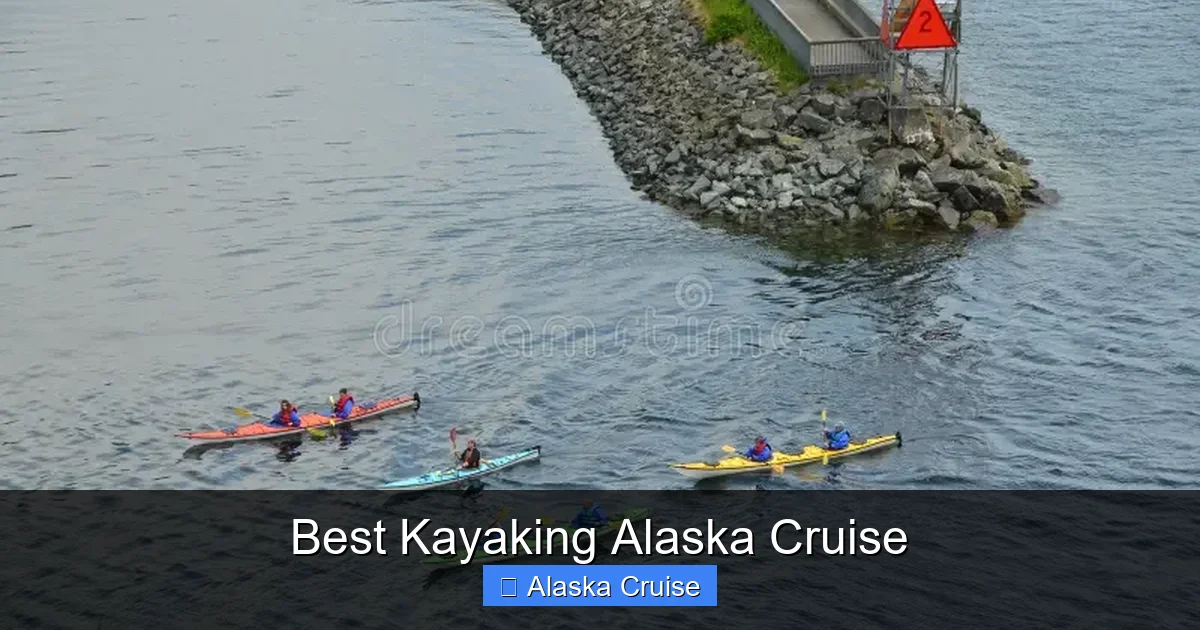
Visual guide about Best Kayaking Alaska Cruise
Image source: thumbs.dreamstime.com
Alaska’s coastline stretches over 6,000 miles, offering endless opportunities for kayaking adventures. While each cruise itinerary varies, several regions stand out as must-see destinations for paddlers.
Glacier Bay National Park
Glacier Bay is a UNESCO World Heritage Site and one of the most iconic kayaking destinations in Alaska. This 3.3-million-acre park is home to over a dozen active glaciers, including the massive Margerie and Lamplugh Glaciers. As you paddle through the bay, you’ll witness ice calving—huge chunks of glacier breaking off and crashing into the water with thunderous force.
The park is also a hotspot for wildlife. Humpback whales feed in the nutrient-rich waters, often surfacing just yards from your kayak. Sea lions haul out on rocky outcrops, and harbor seals rest on floating icebergs. On land, you might spot black bears foraging along the shoreline or moose wading through shallow streams.
Most kayaking Alaska cruises spend at least a full day in Glacier Bay, with multiple launch points for paddling and hiking. Guides often lead short hikes to viewpoints overlooking the glaciers, offering panoramic photos and educational talks about glacial movement and climate change.
Tracy Arm and Endicott Arm
These twin fjords near Juneau are known for their dramatic scenery and abundant wildlife. Tracy Arm is often called the “Twin Spires Fjord” for its towering granite cliffs that rise over 3,000 feet above the water. Endicott Arm is slightly wider but equally stunning, with waterfalls cascading down mossy slopes and icebergs dotting the surface.
One of the highlights here is the Sawyer Glacier, a massive river of ice that calves directly into the fjord. Paddling near the glacier is both thrilling and humbling—you’ll feel the cold breeze off the ice and hear the constant crack and groan of shifting ice. It’s not uncommon to see icebergs the size of houses floating past your kayak.
Wildlife is abundant in both fjords. You might see mountain goats climbing the cliffs, black bears searching for berries, or orcas hunting salmon in the deeper channels. Some tours include a stop at the Fords Terror Wilderness, a narrow, twisting inlet that feels like a secret world.
Frederick Sound and Stephens Passage
This region is a marine highway for whales, making it one of the best places in Alaska for whale watching from a kayak. Frederick Sound is a critical feeding ground for humpback whales, and during the summer months, you can often see dozens of them feeding in the same area.
Paddling here is a surreal experience. You might be quietly gliding along when suddenly a whale breaches just 50 feet away, sending up a spray of water and a cheer from your group. Guides use hydrophones to listen for whale calls, helping you locate pods before they surface.
Stephens Passage, which connects Frederick Sound to the Inside Passage, is equally rich in wildlife. Sea otters float on their backs, cracking clams on their chests. Bald eagles perch in tall trees, scanning for fish. And if you’re lucky, you might spot a rare orca pod or a minke whale.
Ketchikan and the Tongass National Forest
Ketchikan, known as the “Salmon Capital of the World,” is the gateway to the Tongass National Forest—the largest national forest in the United States. This lush, rainforest-covered region is perfect for calm-water kayaking, with sheltered bays and quiet inlets.
Paddling here feels like stepping into a fairy tale. Towering Sitka spruce and western hemlock trees line the shore, their branches dripping with moss. You might glide past a waterfall cascading into the sea or a Native totem pole standing guard on a rocky point.
Many tours include cultural stops at Tlingit villages, where you can learn about traditional crafts, storytelling, and the importance of salmon to local communities. Some operators even offer guided kayak-and-hike combos, taking you deep into the rainforest to see old-growth trees and hidden lakes.
Prince William Sound
Located south of Anchorage, Prince William Sound is a lesser-known but equally stunning destination. This vast body of water is dotted with islands, glaciers, and fjords, offering some of the most remote and pristine kayaking in Alaska.
One of the top spots is College Fjord, where you can paddle past eight glaciers at once—including the famous Harvard and Yale Glaciers. The contrast between the icy blue glaciers and the deep green water is breathtaking.
Wildlife here includes sea otters, sea lions, puffins, and even the occasional black bear. Some tours include a visit to the Chenega Island community, where you can learn about Alutiiq culture and enjoy fresh seafood.
What to Expect on a Kayaking Alaska Cruise
A kayaking Alaska cruise is more than just paddling—it’s a full sensory experience that combines adventure, learning, and relaxation. Here’s what a typical day might look like.
Morning: Launch and Exploration
Most days begin with a hearty breakfast onboard, followed by a briefing from your guide. You’ll learn about the day’s route, weather conditions, and wildlife to watch for. Then, it’s time to gear up.
Kayaks are launched directly from the ship’s stern or via a small tender. You’ll be given a double or single kayak, depending on your preference and experience level. Most are stable, sit-on-top models designed for calm waters and easy maneuvering.
Once on the water, you’ll paddle at a relaxed pace, often in a small group of 6–10 people. Guides lead the way, pointing out interesting features and ensuring everyone stays together. The morning light is ideal for photography, with soft colors reflecting off the water.
Midday: Hiking, Wildlife, and Lunch
After a couple of hours of paddling, you’ll usually stop for a break. This might be a short hike to a scenic viewpoint, a visit to a historic site, or simply a chance to stretch your legs on a rocky beach.
Lunch is often a picnic-style meal—sandwiches, fruit, and snacks—eaten onshore or on a floating dock. Some ships offer hot meals prepared by the onboard chef, served in a sheltered area.
This is also prime time for wildlife sightings. As the sun warms the land, animals become more active. You might see a bear digging for clams, a whale feeding near the surface, or a flock of seabirds diving for fish.
Afternoon: More Paddling and Discovery
The afternoon brings more exploration. You might paddle to a different bay, visit a glacial lake, or explore a narrow inlet. Some tours include a stop at a remote campsite or a small fishing village.
Guides often share stories about the area’s history, geology, and ecology. You’ll learn how glaciers shape the landscape, how salmon support the ecosystem, and how indigenous peoples have lived in harmony with nature for thousands of years.
Evening: Return and Relaxation
As the sun begins to set, you’ll paddle back to the ship. The evening light casts a golden glow over the water, creating a magical atmosphere. Back onboard, you can shower, change, and enjoy a gourmet dinner prepared by the ship’s chef.
Evenings are relaxed, with options for lectures, stargazing, or simply unwinding on the deck with a cup of hot cocoa. Some ships have small libraries, games, or even a hot tub for soaking after a long day on the water.
Choosing the Right Kayaking Alaska Cruise
With so many options available, choosing the best kayaking Alaska cruise can feel overwhelming. Here are some key factors to consider.
Ship Size and Style
Smaller ships (under 100 passengers) offer a more intimate experience and better access to remote areas. Look for vessels with a high crew-to-guest ratio and amenities like heated cabins, private bathrooms, and observation decks.
Some ships are purpose-built for expedition travel, with reinforced hulls for ice navigation and advanced safety systems. Others are converted fishing boats or luxury yachts. Choose one that matches your comfort level and travel style.
Itinerary and Duration
Most kayaking Alaska cruises last 7–12 days, with options ranging from budget-friendly to ultra-luxury. Longer trips allow for more exploration and fewer rushed days.
Check the itinerary to see which regions are covered. Do you want to focus on glaciers, wildlife, or cultural sites? Some cruises specialize in one area, while others offer a mix.
Guide Expertise and Group Size
Experienced guides make a huge difference. Look for operators that employ certified naturalists, marine biologists, or former park rangers. Small group sizes (under 12 people) ensure personalized attention and better wildlife viewing.
Included Gear and Instruction
Most tours provide all necessary kayaking gear, including dry suits, spray skirts, and personal flotation devices. Beginners receive instruction on paddling techniques, safety, and navigation.
If you have your own gear, check if you can bring it. Some ships have limited storage space.
Sustainability and Ethics
Choose operators that prioritize environmental responsibility. Look for certifications like Green Globe or membership in organizations like the Adventure Travel Trade Association (ATTA). Ask about their waste management, fuel use, and community support initiatives.
Tips for a Successful Kayaking Alaska Cruise
To make the most of your adventure, keep these practical tips in mind.
Dress in Layers
Alaska’s weather can change quickly. Even in summer, temperatures can drop near water, and wind chill can make it feel colder. Wear moisture-wicking base layers, insulating mid-layers, and a waterproof outer shell. Don’t forget a hat, gloves, and sunglasses.
Protect Your Gear
Use dry bags to keep your camera, phone, and snacks dry. Most ships provide them, but it’s good to have your own. Avoid cotton clothing—it stays wet and can lead to hypothermia.
Stay Hydrated and Fueled
Paddling burns calories, especially in cool weather. Drink plenty of water and eat high-energy snacks like nuts, granola bars, and fruit. Most ships provide meals, but bring extras for the water.
Respect Wildlife
Keep a safe distance from animals—at least 200 yards from whales and 300 feet from bears. Never feed wildlife or approach too closely. Let the animals come to you.
Be Flexible
Weather and sea conditions can change plans. Be prepared for delays, route changes, or canceled excursions. The best experiences often come from unexpected moments—like a sudden whale sighting or a rainbow over a glacier.
Capture the Moment—Responsibly
Bring a waterproof camera or phone case. Take photos, but don’t let technology distract you from the experience. Put the camera down and just listen to the silence.
Conclusion
A kayaking Alaska cruise is more than a vacation—it’s a journey into the heart of one of the world’s last great wildernesses. From the thunder of calving glaciers to the quiet glide of a kayak through misty fjords, every moment is filled with wonder. You’ll return home not just with photos, but with stories, memories, and a deeper connection to nature.
Whether you’re paddling alongside humpback whales in Frederick Sound, exploring the icy depths of Tracy Arm, or learning about Tlingit culture in Ketchikan, this adventure will stay with you forever. The best kayaking Alaska cruise isn’t just about the destination—it’s about the experience, the people, and the profound sense of peace that comes from being truly present in the wild.
So pack your bags, grab your paddle, and get ready to discover Alaska like never before. The water is waiting.
Frequently Asked Questions
Do I need prior kayaking experience to join a kayaking Alaska cruise?
No, most tours are designed for all skill levels, including beginners. Guides provide instruction and use stable, easy-to-handle kayaks. You’ll learn basic paddling techniques and safety procedures before heading out.
What is the best time of year for a kayaking Alaska cruise?
The best time is from May to September. Summer offers milder weather, longer daylight hours, and peak wildlife activity. July and August are the warmest and most popular months.
Are kayaking excursions included in the cruise price?
Yes, most kayaking Alaska cruises include guided kayaking excursions as part of the package. Some may offer optional add-ons like stand-up paddleboarding or hiking, which may cost extra.
What should I pack for a kayaking Alaska cruise?
Pack layers, waterproof clothing, sturdy shoes, a hat, sunglasses, sunscreen, and a dry bag. Most ships provide kayaking gear, but bring personal items like medications, toiletries, and a camera.
Is it safe to kayak near glaciers and whales?
Yes, with proper guidance. Guides maintain safe distances and monitor conditions. You’ll receive safety briefings and wear life jackets at all times. Wildlife encounters are thrilling but always managed responsibly.
Can I bring my own kayak on the cruise?
Most ships do not allow personal kayaks due to storage and safety limitations. However, you can bring your own paddle or personal flotation device if preferred. Check with the operator in advance.